
Polyurethane Sandwich Panel Machine
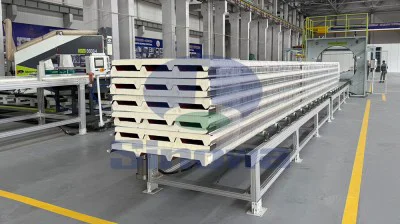
Sinowa is a polyurethane sandwich panel machine supplier from china, customized high-quality & high efficiency polyurethane sandwich panel machine at low price, the adoption of system integration technology and bus control technology accomplishes the full automatization of integrated and coordinated control of the polyurethane sandwich panel machine with accessible remote interactive communication. Ranking the first-class level in the world, it is currently the polyurethane sandwich panel machine in the market taking a comprehensive lead in high performance.
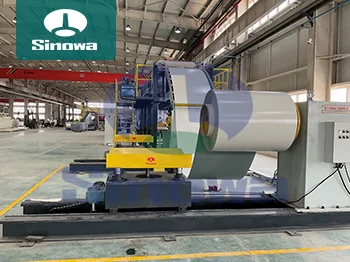
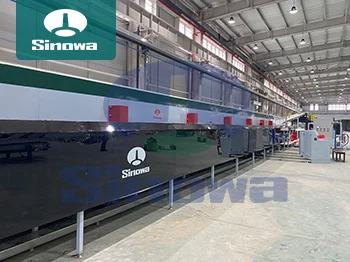
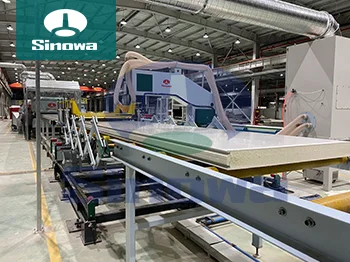
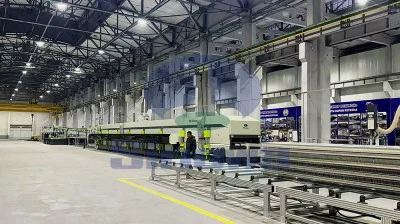
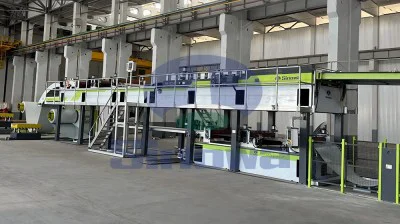
The high-tech polyurethane sandwich panel machine can meet a variety of production needs of customers, the whole polyurethane sandwich panel machine design concept of modularization enables all our components to be integrated and combined at will. Our high efficiency polyurethane sandwich panel machine can easily automate the production of roof sandwich panel, wall sandwich panel, cold storage sandwich panel and other products by different combination and configuration selection and siple switching. The inner core layer can be polyrethane or rock wool, glass wool, an so on.


The high precision polyurethane sandwich panel machine has high adaptability, which may produce various sandwich panel of the PU, PIR and rock wool systems. We may design various products according to the customer’s requirements, including various configurations, so as to meet their demands with flexible price system. Highly integrated and linked control system centralizes all control points at the main central center, achieving parameter linkage, fault self-diagnosis controlled by the whole line and shipping distance control. High-level automatic control system also saves the manpower and reduces the manpower loss for customers.


The precision servo hoisting mechanism employed by the main engine without hydraulic system makes the board thickness control flexible and the customer may conveniently change or adjust the board thickness. There will be not such troubles as hydraulic system adjustment, leakage, maintenance, etc.


High-level energy saving and protection design makes the whole polyurethane sandwich panel machine possible to produce around the clock throughout the year and the customer will save huge budget. In addition, the isolated heat preservation room is constructed for warming the environment. The energy saving and protection design of our manufacturing line may guarantee that the customer’s production line may be freely heated and produce in the main time to save more costs for customers.


The high-power low-consumption design quickens the reaction of the cheap polyurethane sandwich panel machine while energy consumption is kept low. With the brand-new, fully sealed inner insulation design, the energy consumption is controlled at the minimum level to achieve the design objective of less than an hour for the insulation system to be activated from the room temperature above 5℃ to the production process temperature. The energy consumption is only 40% that of those similar products.
A polyurethane sandwich panel machine is a sophisticated and automated piece of equipment designed for the continuous production of high-quality composite panels, which consist of a polyurethane foam core sandwiched between two outer facings. This equipment plays a vital role in meeting the growing demand for energy-efficient and durable building materials across various industries. It operates through a series of coordinated processes, starting with the uncoiling and pretreatment of facing materials, followed by precise mixing and injection of polyurethane foam, and ending with curing and cutting to the desired dimensions. The automated system ensures consistent panel quality, with precise control over foam density and bonding between the core and outer layers, eliminating the inconsistencies often associated with manual production. These machines are highly versatile, capable of handling different types of facing materials and producing panels of varying thicknesses to suit diverse application needs, such as industrial warehouses, cold storage facilities, commercial buildings, and modular constructions. By minimizing manual intervention, they enhance production efficiency, reduce material waste, and lower overall operational costs. The panels produced by these machines offer excellent thermal insulation, structural strength, and soundproofing properties, making them an ideal choice for modern construction projects focused on sustainability and energy conservation. With their reliable performance and adaptability, polyurethane sandwich panel machines have become an indispensable asset for manufacturers aiming to produce high-performance composite panels efficiently.
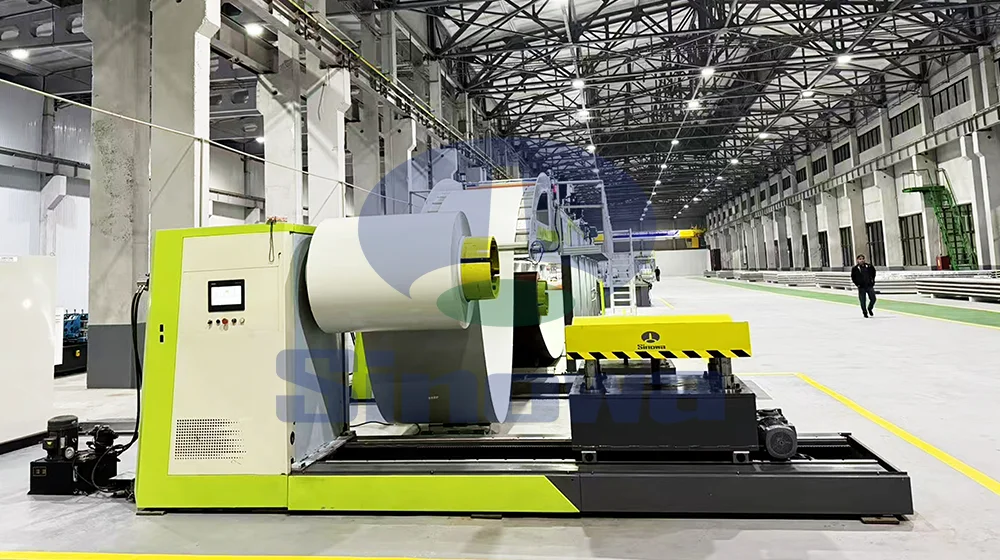
In the evolving landscape of modern construction and industrial manufacturing, the demand for efficient, energy-saving, and durable building materials has driven significant advancements in production technology. Among these innovations, the polyurethane sandwich panel machine stands out as a pivotal piece of equipment, enabling the mass production of high-performance composite panels that have revolutionized the way we build. These machines are engineered to create sandwich panels with a polyurethane foam core encapsulated between two outer facings, typically made of metal such as galvanized steel or aluminum. The resulting panels boast an exceptional combination of thermal insulation, structural strength, and lightweight properties, making them indispensable across a wide range of applications. From industrial warehouses and cold storage facilities to modular buildings and commercial complexes, the panels produced by these machines have become a cornerstone of contemporary construction practices, offering solutions that align with the global push for sustainability and energy efficiency.
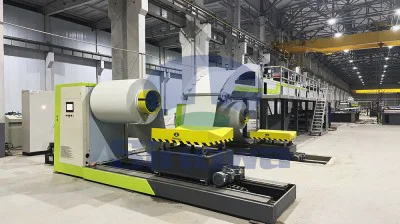
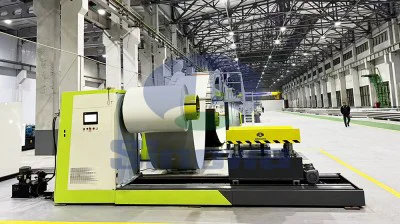
The operational mechanism of a polyurethane sandwich panel machine is a sophisticated integration of multiple sequential processes, each meticulously designed to ensure precision, consistency, and high productivity. At the heart of the production line lies a continuous or discontinuous workflow, tailored to meet different production volume requirements and product specifications. The process typically commences with the uncoiling and preprocessing of the outer facing materials. Large coils of metal sheets are loaded onto decoilers, which smoothly unroll the sheets and feed them into the subsequent stages. Prior to forming, these sheets undergo preheating to optimize the bonding process with the polyurethane core. This preheating step is crucial as it ensures that the surface of the metal sheets is at an ideal temperature for adhering to the foam, enhancing the overall structural integrity of the final panel.
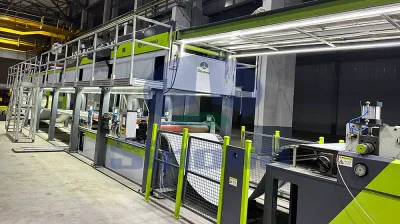
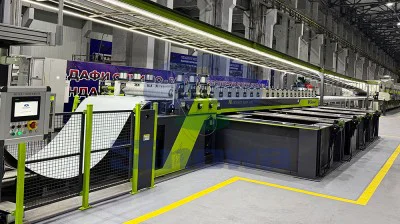
Following preprocessing, the metal sheets enter the roll forming section, where they are gradually shaped into the desired profile through a series of tandem rolling stands. Each rolling stand applies a precise amount of pressure, bending the metal sheets incrementally until the target cross-sectional shape is achieved. This gradual forming process ensures that the metal retains its structural strength while acquiring the necessary rigidity to support the polyurethane core. The ability to customize the profile of the outer facings is one of the key advantages of modern polyurethane sandwich panel machines, allowing for the production of panels tailored to specific architectural or functional requirements, such as corrugated profiles for roofing or flat profiles for wall cladding.
Once the outer facings are formed, the production process moves to the critical foam injection and lamination stage. This stage begins with the precise metering and mixing of polyurethane raw materials, primarily isocyanates and polyether polyols, along with various additives such as catalysts, foaming agents, and flame retardants. The metering system ensures that the raw materials are mixed in the exact proportions required to achieve the desired foam properties, such as density, thermal conductivity, and fire resistance. High-pressure mixing technology is often employed to ensure a homogeneous mixture, which is essential for creating a uniform foam core with consistent performance characteristics. The mixed polyurethane formulation is then continuously injected between the two moving outer facings, which are guided by a set of precision rollers to maintain the correct gap and alignment.
As the polyurethane mixture is deposited between the facings, it undergoes a rapid chemical reaction, expanding to fill the entire gap and bonding tightly to the inner surfaces of the metal sheets. This expansion and curing process takes place as the panel moves through the laminating section, which is equipped with a double-belt conveyor system. The conveyor belts apply uniform pressure to the panel, ensuring that the foam core is evenly distributed and that the bond between the core and the facings is maximized. Simultaneously, the panel is cooled to accelerate the curing of the polyurethane foam, transforming it from a liquid mixture into a solid, rigid core. The cooling process is carefully controlled to prevent thermal stress and ensure that the foam achieves its optimal physical properties, such as compressive strength and thermal insulation efficiency.
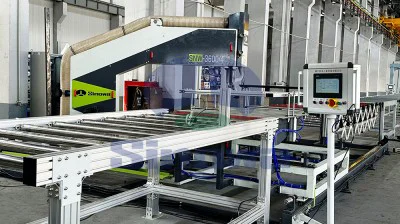
After the foam has fully cured, the continuous panel is transported to the cutting section, where it is precision-cut into the required lengths using automated saws. These saws are equipped with advanced positioning systems that ensure accurate cutting, minimizing material waste and ensuring that each panel meets the exact dimensional specifications. Some production lines also incorporate additional post-processing steps, such as edge trimming and profiling, to refine the appearance and functionality of the panels. Edge profiling can include the creation of interlocking edges, which facilitate quick and easy installation on-site, reducing construction time and labor costs. Finally, the finished panels are automatically stacked and packaged, ready for shipment to construction sites or other end-use locations.
The core components of a polyurethane sandwich panel machine are engineered to work in perfect harmony, each contributing to the overall efficiency and quality of the production process. The decoiling system, for instance, is equipped with tension control mechanisms to prevent the metal sheets from wrinkling or stretching during uncoiling. This ensures that the sheets maintain their flatness and dimensional stability, which is critical for accurate roll forming and foam lamination. The roll forming section features high-precision rollers made from hardened steel, which are designed to withstand the high pressures involved in the forming process and maintain their shape over extended periods of use. The metering and mixing system is another vital component, consisting of high-precision pumps and mix heads that deliver consistent performance even during long production runs.
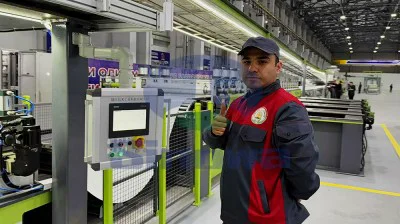
Modern polyurethane sandwich panel machines are also equipped with advanced control systems that automate and monitor the entire production process. These control systems utilize computerized interfaces to allow operators to set and adjust key parameters such as panel thickness, foam density, production speed, and cutting length. Real-time monitoring of critical process variables, such as temperature, pressure, and material flow rates, ensures that any deviations from the set parameters are detected and corrected immediately, minimizing the risk of defective products. Some advanced systems even incorporate remote monitoring capabilities, allowing for off-site supervision and troubleshooting, which enhances operational efficiency and reduces downtime.
The versatility of polyurethane sandwich panel machines is one of their most notable characteristics, enabling the production of a wide range of panels with varying specifications and properties. By adjusting the raw material formulation, panel thickness, and outer facing profiles, these machines can produce panels suitable for diverse applications. For example, panels with a high-density polyurethane core and flame-retardant additives are ideal for use in cold storage facilities and refrigerated trucks, where excellent thermal insulation and fire safety are paramount. On the other hand, panels with a lighter foam core and decorative outer facings are commonly used in commercial buildings and residential constructions, where aesthetics and energy efficiency are key considerations.
The application of panels produced by polyurethane sandwich panel machines extends far beyond traditional construction. In the industrial sector, these panels are widely used for the construction of warehouses, manufacturing facilities, and workshops, providing durable and energy-efficient enclosure structures. Their lightweight nature reduces the load on the building's foundation, allowing for cost savings in structural engineering. In the cold chain industry, polyurethane sandwich panels are indispensable for the construction of cold storage warehouses, refrigerated display cases, and transport vehicles, as their low thermal conductivity ensures minimal heat transfer, reducing energy consumption and preserving the quality of perishable goods.
The modular construction industry has also benefited significantly from the capabilities of polyurethane sandwich panel machines. Modular buildings, which are prefabricated off-site and assembled on-site, rely on these panels for their speed of construction and consistent quality. The panels can be pre-cut to exact dimensions, allowing for quick assembly of modular units, which reduces construction time by up to 50% compared to traditional building methods. This efficiency makes modular construction an attractive option for emergency housing, temporary facilities, and affordable housing projects, where time and cost are critical factors.
In addition to their functional advantages, the panels produced by polyurethane sandwich panel machines contribute to environmental sustainability in several ways. The excellent thermal insulation properties of polyurethane foam reduce the energy consumption of buildings, lowering greenhouse gas emissions and aligning with global carbon reduction goals. Furthermore, the lightweight nature of the panels reduces transportation costs and fuel consumption, as more panels can be transported in a single shipment compared to heavier traditional building materials. Many modern machines also incorporate energy-saving features, such as efficient motor systems and heat recovery technologies, which reduce the overall energy footprint of the production process. At the end of their service life, the metal facings of the panels can be recycled, while the polyurethane core can be processed for energy recovery or chemical recycling, further enhancing their environmental credentials.
The development of polyurethane sandwich panel machines has been driven by ongoing technological innovations aimed at improving efficiency, flexibility, and sustainability. One notable trend is the integration of modular design principles into machine construction, allowing for easy customization and expansion of production lines. Modular machines can be configured with different components to meet specific production requirements, such as the addition of embossing units for decorative panels or punching units for fixing holes. This modularity also simplifies maintenance and repair, as individual components can be replaced or upgraded without disrupting the entire production line.
Another significant innovation is the adoption of servo-driven systems, which offer higher precision and energy efficiency compared to traditional hydraulic systems. Servo-driven motors allow for precise control of production parameters, such as roll forming pressure and foam injection rates, resulting in higher product consistency and reduced material waste. These systems also consume less energy, as they only operate when needed, contributing to lower operational costs and a smaller environmental footprint. Additionally, advancements in foam formulation technology have enabled the production of polyurethane cores with even lower thermal conductivity and improved fire resistance, further enhancing the performance of the panels produced by these machines.
The future of polyurethane sandwich panel machines looks promising, with continued advancements expected to address emerging challenges and opportunities in the construction and manufacturing sectors. As the global demand for energy-efficient and sustainable building materials grows, these machines will play an increasingly important role in meeting these needs. Ongoing research and development are likely to focus on further improving the sustainability of the production process, such as the use of bio-based polyurethane raw materials and the development of more efficient recycling technologies for end-of-life panels. Additionally, the integration of artificial intelligence and machine learning into control systems is expected to enhance predictive maintenance capabilities, reducing downtime and improving overall production efficiency.
In conclusion, the polyurethane sandwich panel machine is a testament to the ingenuity of modern manufacturing technology, enabling the production of high-performance composite panels that have transformed the construction industry. Its sophisticated operational mechanism, precision components, and versatile capabilities make it an indispensable tool for manufacturers seeking to meet the growing demand for energy-efficient, durable, and sustainable building materials. From the initial uncoiling of metal sheets to the final packaging of finished panels, every stage of the production process is designed to ensure quality, consistency, and efficiency. As the world continues to prioritize sustainability and energy efficiency, the polyurethane sandwich panel machine will undoubtedly evolve to meet these changing needs, remaining a cornerstone of modern construction and manufacturing for years to come. Its contribution to reducing energy consumption, lowering construction costs, and minimizing environmental impact underscores its importance in building a more sustainable and resilient future.
« Polyurethane Sandwich Panel Machine » Update Date: 2026/4/20
URL: https://www.sinowamachine.com/tags/polyurethane-sandwich-panel-machine.html
![Polyurethane Sandwich Panel Machine For Cold Storage]()
Polyurethane Sandwich Panel Machine For Cold Storage
2026-09-03Polyurethane sandwich panel machines dedicated to cold storage applications are specialized automated production systems engineered to fabricate high-performance insulation panels tailored for low-temperature storage environments. Unlike general-purpose sandwich panel manufacturing equipment, this pr…![Polyurethane Sandwich Panel Machinery For House]()
Polyurethane Sandwich Panel Machinery For House
2026-09-03Polyurethane sandwich panel machinery has emerged as a pivotal technological solution driving the transformation of modern residential construction, offering an automated and integrated approach to manufacturing high-performance building panels tailored for house construction needs. This specialized …![Cheap Polyurethane Sandwich Panel Machinery]()
Cheap Polyurethane Sandwich Panel Machinery
2026-09-03Cheap polyurethane sandwich panel machinery has become a core industrial equipment for the cost-effective production of composite insulation panels, widely favored by small and medium-sized manufacturing enterprises and engineering construction industries. This type of integrated production equipment…![Polyurethane Sandwich Panel Machine Factory]()
Polyurethane Sandwich Panel Machine Factory
2026-09-01Polyurethane sandwich panel machine factories specialize in the research, development, design, and full-scale production of automated integrated equipment for manufacturing polyurethane composite sandwich panels, which serve as core foundational equipment for the modern energy-saving building materia…![Polyurethane Sandwich Panel Machinery Supplier]()
Polyurethane Sandwich Panel Machinery Supplier
2026-09-01Polyurethane sandwich panel machinery serves as the core automated production system for manufacturing high-performance composite insulation panels widely applied in modern construction, cold chain logistics, industrial manufacturing and clean engineering fields. This integrated production equipment …![Polyurethane Sandwich Panel Machine For Wall]()
Polyurethane Sandwich Panel Machine For Wall
2026-08-21Polyurethane sandwich panel machines for wall applications are advanced integrated manufacturing systems tailored for the mass production of high-performance building wall panels, perfectly catering to the booming demand for prefabricated, energy-efficient, and lightweight construction materials in m…![Polyurethane Sandwich Panel Machine For Roof]()
Polyurethane Sandwich Panel Machine For Roof
2026-08-17Polyurethane sandwich panel machines for roof are specialized automated production systems designed to manufacture high-performance insulated roof panels for modern construction projects. These integrated production units combine multiple independent processing procedures into one continuous producti…![Polyurethane Sandwich Panel Machine From China]()
Polyurethane Sandwich Panel Machine From China
2026-03-24In the global construction and industrial insulation materials sector, polyurethane sandwich panels have emerged as a cornerstone product, prized for their exceptional thermal insulation, structural stability, lightweight durability, and versatile application across residential, commercial, industria…![Polyurethane Sandwich Panel Machine Manufacturer]()
Polyurethane Sandwich Panel Machine Manufacturer
2026-03-24The global demand for high-performance, energy-efficient building and industrial materials has steadily risen over the past few decades, driving the evolution of specialized manufacturing equipment for composite panel production, and at the heart of this sector lies the expertise of polyurethane sand…![Polyurethane Sandwich Panel Machinery]()
Polyurethane Sandwich Panel Machinery
2026-03-24Polyurethane sandwich panel machinery stands as a cornerstone of modern composite building material manufacturing, engineered to produce high-performance polyurethane (PU) sandwich panels that combine lightweight structural integrity, exceptional thermal insulation, and durable weather resistance. Th…![Polyurethane Sandwich Panel Machine For Sale]()
Polyurethane Sandwich Panel Machine For Sale
2026-01-12In the contemporary construction and manufacturing landscape, the demand for efficient, high-performance building materials has driven significant advancements in production technology. Among these, polyurethane sandwich panels have emerged as a staple in modern construction due to their exceptional …![Polyurethane Sandwich Panel Machinery Manufacturer]()
Polyurethane Sandwich Panel Machinery Manufacturer
2026-01-12In the modern construction and manufacturing landscape, the demand for efficient, energy-saving and versatile building materials has driven continuous innovation in production equipment. Among these, polyurethane sandwich panel machinery stands out as a key enabler, producing composite panels that in…
- Links:
- Sandwich Panel Continuous Production Line
- Automatic and Continuous Sandwich Panel Production Line
- Cheap and Low Price Sandwich Panel Production Line
- China Sandwich Panel Production Line Factory
- Color Steel Sandwich Panel Production Line For Cold Storage
- Continuous Composite Foam Sandwich Panel Production Line
- Continuous Production Line For Rockwool and Mineral Wool Sandwich Panels
- Continuous PU Phenolic Insulation Panel Production Line
- Continuous PU PIR Sandwich Panel Production Line
- Continuous PUF PUR Sandwich Panel Production Line
- Continuous Sandwich Panel Production Line For Roof and Wall
- Customized and Design Sandwich Panel Production Line
- Decorative Sandwich Panel Production Line For Glass Wool Boards
- High Quality Sandwich Panel Production Line For Sale
- Polyurethane(PU) Sandwich Panel Production Line
- Sandwich Panel Production Line Manufacturer and Supplier
- Sandwich Panel Production Machinery and Equipment