
Insulated Panel Machine Price
Sinowa is a well-known manufacturer and technical service provider of high-end insulated panel machine, learn more about insulated panel machine price, please contact Sinowa's technical engineer, tell us what you need, we will contact you as soon as possible!
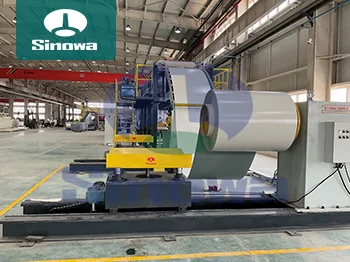
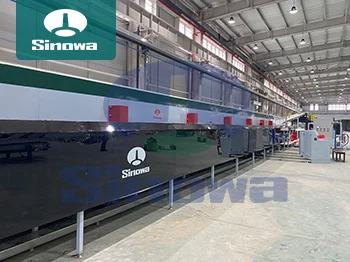
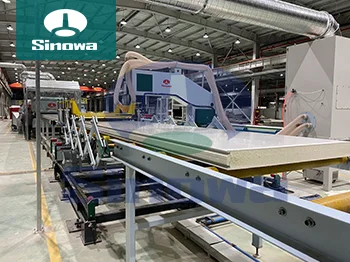
Sinowa is committed to the development and manufacturing of high-end and high-efficiency insulated panel machine. Our insulated panel machine are leading the way in efficiency, automatic control, human-computer interaction, environmental protection and energy consumption. Using system integration and bus control technology, it realizes the automatic integrated linkage control of the entire insulated panel machine, and can achieve remote interactive communication, which has the world-class level and a comprehensive leading high-performance insulated panel machine in the market.
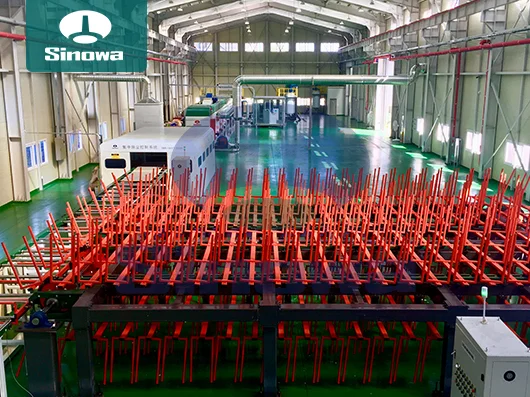
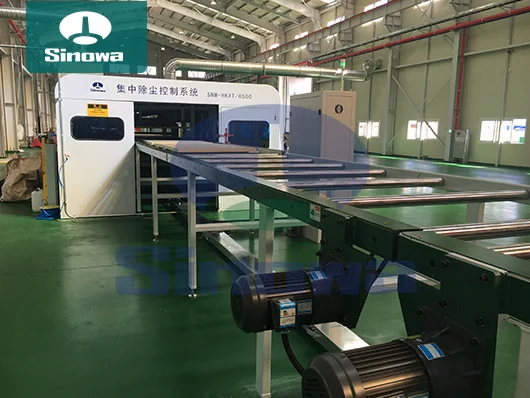
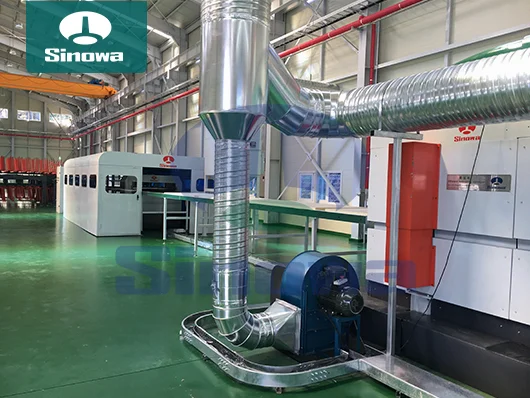
For more than ten years, relying on our innovative manufacturing concept and excellence in quality, reliable and trustworthy service to customers, we cooperate with customers all over the world, exported products to Canada, South Korea, Israel, Australia, the Middle East and other more than 20 countries and regions. contributed to building energy conservation and low-carbon production and have won widespread praise.
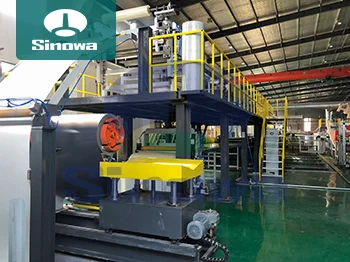
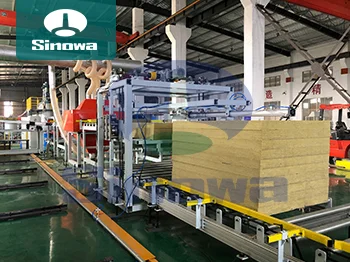
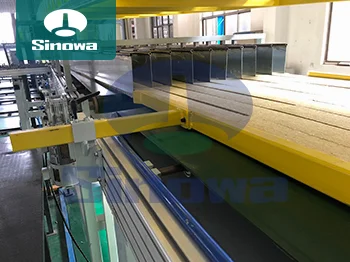
Sinowa has invested outstanding efforts in insulated panel machine, this is why our products are more efficiency, quality, automatic control technology, environmental protection, energy consumption indicators and the appearance and safety protection are comprehensively leading, some subversive design changes in many major technical points, these major innovations make our products excellent in price/performance and user experience.
The production of insulated panels, which are widely recognized for their thermal efficiency, structural durability, and versatility, relies heavily on specialized manufacturing equipment. The factors that shape the pricing of insulated panel machines are multifaceted, encompassing technical specifications, production capacity, material compatibility, and technological integration, among others. Understanding these variables is crucial for manufacturers, investors, and construction industry professionals seeking to navigate the market and make informed procurement decisions.
At the core of insulated panel machine pricing lies the technical sophistication of the equipment. These machines are engineered to perform a sequence of integrated operations, including metal coil uncoiling, sheet forming, insulation core injection or lamination, bonding, curing, and precision cutting. The complexity of each component and the level of precision in these processes directly affect manufacturing costs. For instance, machines equipped with high-precision servo-driven roller systems, which ensure consistent panel thickness and profile accuracy, require advanced engineering and high-quality materials, leading to higher price points. Similarly, the integration of closed-loop control systems for insulation foam density regulation—critical for maintaining thermal performance—adds to the technical complexity. Such systems use real-time sensors and feedback algorithms to adjust foam injection rates, reducing density fluctuations from traditional ranges to minimal deviations, a feature that enhances product quality but increases equipment costs.
Production capacity is another pivotal factor influencing the pricing of insulated panel machines. Machines designed for large-scale industrial production, capable of operating at high speeds, naturally command higher prices due to their robust construction and enhanced componentry. High-capacity machines typically feature reinforced frame structures to withstand continuous operation, upgraded motor systems for sustained high-speed performance, and automated material handling solutions to minimize downtime. These machines are tailored for manufacturers catering to large-scale construction projects, cold storage facilities, or industrial warehouse developments, where high-volume production is essential to meet project timelines and market demand. In contrast, smaller, more compact machines with lower production rates are designed for small to medium-sized enterprises or specialized applications, such as custom panel production for niche construction projects. These smaller units have simpler designs, fewer automated features, and lower structural requirements, resulting in more accessible price points.
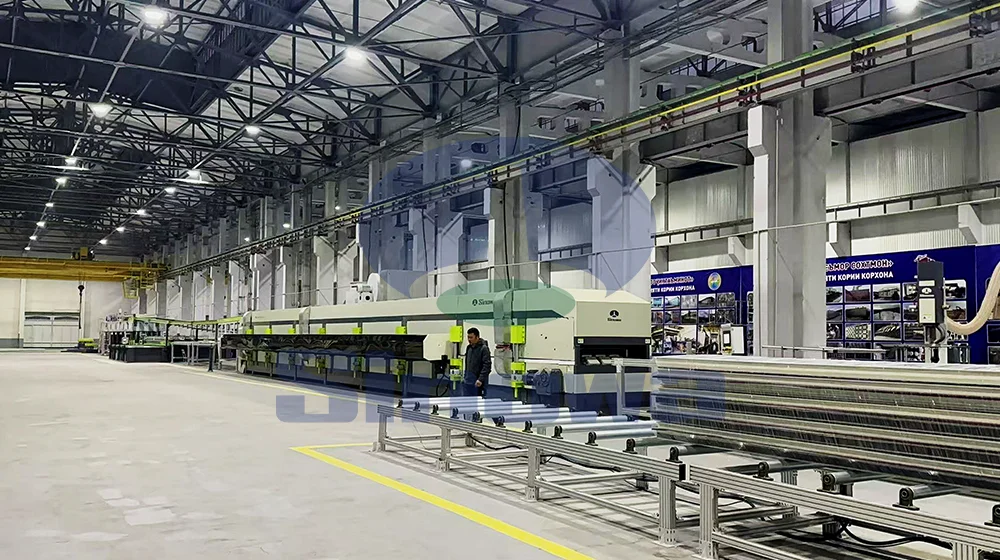
Material compatibility and versatility significantly impact the pricing of insulated panel machines. Insulated panels are manufactured using a variety of core materials, including polyurethane (PU), mineral wool, expanded polystyrene (EPS), and extruded polystyrene (XPS), each with unique physical properties that demand specific processing capabilities. Machines designed to handle multiple core materials—often referred to as multi-material or flexible production lines—require adaptable components, such as adjustable foam injection systems for PU and EPS, or specialized feeding mechanisms for rigid mineral wool boards. This versatility necessitates additional engineering and componentry, increasing the overall equipment cost. For example, machines processing mineral wool must incorporate high-tension control systems to prevent material breakage during lamination, while those handling XPS require floating roller mechanisms to avoid panel delamination. In contrast, single-material machines, optimized for a specific core type, have simpler designs and lower production costs, translating to more competitive pricing.
The level of automation and digital integration is a key contemporary factor shaping insulated panel machine pricing. The shift toward Industry 4.0 has driven demand for machines equipped with advanced automation features, such as robotic stacking systems, automatic size adjustment, and real-time production monitoring. These features enhance operational efficiency, reduce labor costs, and improve product consistency, but they also add significant technological value to the equipment. Digital integration, including the incorporation of Manufacturing Execution Systems (MES) and Internet of Things (IoT) sensors, allows manufacturers to track equipment performance, monitor energy consumption, and predict maintenance needs remotely. Such smart systems reduce unplanned downtime by enabling predictive maintenance, a feature highly valued in high-volume production environments. Machines with basic automation, such as semi-automatic cutting and manual stacking, are more affordable, while fully automated lines with comprehensive digital integration command a premium due to their enhanced productivity and operational efficiency.
Energy efficiency and environmental sustainability have emerged as important considerations in insulated panel machine pricing, driven by global efforts to reduce carbon emissions and comply with green building standards. Modern machines incorporate energy-saving technologies, such as variable frequency drives (VFDs) that adjust motor speed based on production demand, and waste heat recovery systems that reuse thermal energy from the curing process. These features reduce energy consumption, lowering operational costs for manufacturers over the equipment's lifespan, but they require additional investment in specialized components, contributing to higher upfront prices. Machines designed for low-emission operation, such as those using eco-friendly adhesive systems or foam formulations with reduced volatile organic compounds (VOCs), also reflect this sustainability premium. As governments and regulatory bodies implement stricter energy efficiency and environmental standards, the demand for such sustainable equipment is growing, further influencing pricing dynamics in favor of eco-friendly designs.
Market demand and regional economic factors play a significant role in determining insulated panel machine prices. Rapid urbanization and infrastructure development in emerging economies have driven strong demand for insulated panels, particularly in the construction of commercial buildings, industrial facilities, and cold storage units. This increased demand has led to higher competition among equipment manufacturers, but it has also stimulated investments in local production capacity, which can influence regional pricing variations. In mature markets, where infrastructure development is more stable, demand is focused on upgrading existing equipment to improve efficiency and sustainability, driving demand for high-tech, premium-priced machines. Currency fluctuations and raw material costs—such as steel, aluminum, and electronic components—also impact pricing. Volatility in the prices of these key materials can lead to fluctuations in equipment costs, as manufacturers adjust prices to maintain profit margins. Additionally, regional labor costs and manufacturing overheads contribute to pricing differences, with machines produced in regions with higher labor and operational costs typically commanding higher prices.
Operational costs and total cost of ownership (TCO) considerations, while not direct determinants of upfront equipment pricing, influence the perceived value and thus the pricing strategy for insulated panel machines. Manufacturers increasingly evaluate equipment based on TCO, which includes upfront purchase price, maintenance costs, energy consumption, and downtime losses. Machines designed for easy maintenance, with readily available spare parts and simplified component access, reduce long-term operational costs, justifying a higher upfront price. Similarly, equipment with a longer service life—resulting from high-quality construction materials and robust engineering—offers better value over time, supporting premium pricing. Manufacturers of insulated panel machines often highlight these TCO benefits in their pricing strategies, positioning their equipment as a long-term investment rather than a one-time expense.
The evolution of downstream applications also impacts insulated panel machine pricing by driving demand for specialized equipment. Insulated panels are no longer limited to traditional construction; they are increasingly used in high-value applications such as cleanrooms for the semiconductor and pharmaceutical industries, cold chain logistics facilities, and renewable energy installations like solar panel integrated roofing. Each of these applications requires specialized panel properties, such as ultra-flat surfaces for cleanrooms or enhanced fire resistance for renewable energy facilities, demanding custom equipment features. For example, machines producing panels for cleanroom applications must incorporate micron-level precision coating systems and dust-free production environments, while those for cold chain facilities require specialized insulation density control to maintain low thermal conductivity. These specialized features add complexity and cost to the equipment, resulting in higher prices for application-specific machines.
Global technological trends and innovation cycles further influence insulated panel machine pricing. The continuous advancement of materials science, such as the development of high-performance vacuum insulation panels (VIP) and aerogel composites, is driving the need for new equipment designs capable of processing these advanced materials. Manufacturers investing in research and development (R&D) to develop machines for these emerging materials incur higher costs, which are reflected in the pricing of cutting-edge equipment. Additionally, the adoption of additive manufacturing techniques for custom component production and the use of advanced materials like high-strength alloys in machine construction contribute to higher equipment costs. As these innovations become more widespread, their costs are gradually absorbed into the market, but early-adopter machines typically command a premium.
In conclusion, the pricing of insulated panel machines is shaped by a complex interplay of technical, operational, market, and environmental factors. Technical sophistication, production capacity, material versatility, automation levels, and energy efficiency are primary determinants of upfront costs, while regional market dynamics, raw material prices, and downstream application demands influence pricing variations across different market segments. As the industry continues to evolve toward greater automation, sustainability, and specialization, these factors will remain central to pricing strategies, with premium positioning for machines offering enhanced efficiency, versatility, and compliance with global sustainability standards. For buyers, understanding these factors is essential to balancing upfront investment with long-term operational value, ensuring that the selected equipment meets both immediate production needs and future market demands. For manufacturers, ongoing innovation in response to these factors will be key to maintaining competitiveness in a rapidly evolving global market, where efficiency, sustainability, and versatility are increasingly becoming the primary drivers of value.
« Insulated Panel Machine Price » Update Date: 2026/1/12
Tags: Insulated Panel Machine ,
- High-tech Insulation Board Production Line
- Phenolic Insulation Panel Production Line Factory
- Insulated Panel Machine For Sale
- Customized Phenolic Resin Panel Production Line
- Insulated Panel Machine Design
- Phenolic Air Duct Panel Line For Cold Storage
- High-end Insulation Board Production Line
- High-tech Exterior Wall Insulation Panel Production Line
- High-quality Phenolic Resin Panel Production Line
- Phenolic Insulation Board Production Line In China
- Low Price Sandwich Duct Panel Machine
- Low Price Phenolic Foam Production Line
- Insulated Panel Machine Factory
- Phenolic Foam Production Line For House
- Customized Insulation Board Production Line
- Exterior Wall Insulation Panel Production Line Factory
- Custom Phenolic Insulation Board Production Line
- Phenolic Insulated Panel Production Line
- High-quality Exterior Wall Insulation Panel Production Line
- Phenolic Air Duct Panel Line Factory
- Links:
- Sandwich Panel Continuous Production Line
- Automatic and Continuous Sandwich Panel Production Line
- Cheap and Low Price Sandwich Panel Production Line
- China Sandwich Panel Production Line Factory
- Color Steel Sandwich Panel Production Line For Cold Storage
- Continuous Composite Foam Sandwich Panel Production Line
- Continuous Production Line For Rockwool and Mineral Wool Sandwich Panels
- Continuous PU Phenolic Insulation Panel Production Line
- Continuous PU PIR Sandwich Panel Production Line
- Continuous PUF PUR Sandwich Panel Production Line
- Continuous Sandwich Panel Production Line For Roof and Wall
- Customized and Design Sandwich Panel Production Line
- Decorative Sandwich Panel Production Line For Glass Wool Boards
- High Quality Sandwich Panel Production Line For Sale
- Polyurethane(PU) Sandwich Panel Production Line
- Sandwich Panel Production Line Manufacturer and Supplier