
Cold Room Sandwich Panel Production Line
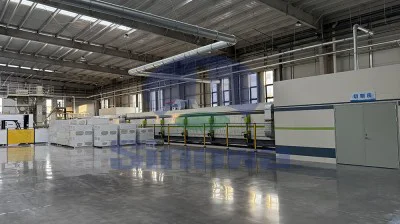
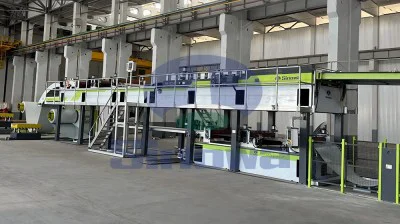
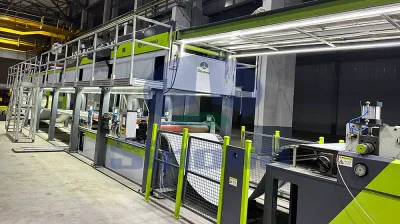
Sinowa is a cold room sandwich panel production line supplier from china, customized high-quality & high efficiency cold room sandwich panel production line at low price, the adoption of system integration technology and bus control technology accomplishes the full automatization of integrated and coordinated control of the cold room sandwich panel production line with accessible remote interactive communication. Ranking the first-class level in the world, it is currently the cold room sandwich panel production line in the market taking a comprehensive lead in high performance.
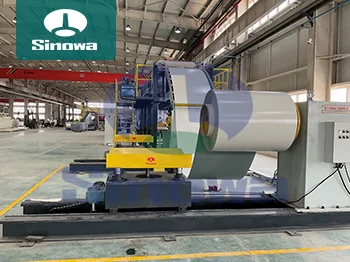
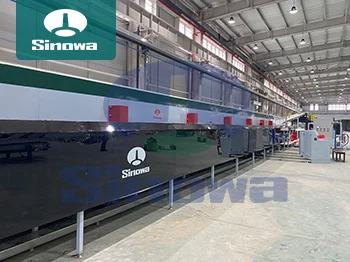
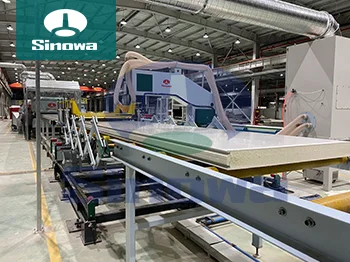
The high-tech cold room sandwich panel production line can meet a variety of production needs of customers, the whole cold room sandwich panel production line design concept of modularization enables all our components to be integrated and combined at will. Our high efficiency cold room sandwich panel production line can easily automate the production of roof sandwich panel, wall sandwich panel, cold storage sandwich panel and other products by different combination and configuration selection and siple switching. The inner core layer can be polyrethane or rock wool, glass wool, an so on.


The high precision cold room sandwich panel production line has high adaptability, which may produce various sandwich panel of the PU, PIR and rock wool systems. We may design various products according to the customer’s requirements, including various configurations, so as to meet their demands with flexible price system. Highly integrated and linked control system centralizes all control points at the main central center, achieving parameter linkage, fault self-diagnosis controlled by the whole line and shipping distance control. High-level automatic control system also saves the manpower and reduces the manpower loss for customers.


The precision servo hoisting mechanism employed by the main engine without hydraulic system makes the board thickness control flexible and the customer may conveniently change or adjust the board thickness. There will be not such troubles as hydraulic system adjustment, leakage, maintenance, etc.


High-level energy saving and protection design makes the whole cold room sandwich panel production line possible to produce around the clock throughout the year and the customer will save huge budget. In addition, the isolated heat preservation room is constructed for warming the environment. The energy saving and protection design of our manufacturing line may guarantee that the customer’s production line may be freely heated and produce in the main time to save more costs for customers.


The high-power low-consumption design quickens the reaction of the cheap cold room sandwich panel production line while energy consumption is kept low. With the brand-new, fully sealed inner insulation design, the energy consumption is controlled at the minimum level to achieve the design objective of less than an hour for the insulation system to be activated from the room temperature above 5℃ to the production process temperature. The energy consumption is only 40% that of those similar products.
The cold room sandwich panel production line is a highly integrated automated system designed to manufacture high-performance insulation panels essential for low-temperature storage and preservation scenarios. It realizes seamless connection from raw material pretreatment to finished product output, forming a continuous and efficient production process without manual segmentation. The entire line operates through close coordination of multiple functional modules, ensuring stable operation and consistent product quality. First, the surface materials are uncoiled and leveled to eliminate internal stress and ensure flatness, then undergo preheating to optimize the bonding effect with the core material. The core part of the production line is the composite forming link, where insulation core materials are evenly laid or injected between two surface layers, and then pressed and cured under precise temperature and pressure control to avoid problems such as hollowing and delamination. After curing, the panels are accurately cut into required sizes by automatic cutting equipment and then automatically stacked, reducing manual intervention and improving production efficiency. This production line has strong flexibility, capable of adapting to different types of surface and core materials, and can flexibly adjust panel thickness and size to meet diverse customization needs. It features energy-saving and durable performance, with wear-resistant components that can operate continuously for a long time while controlling energy consumption. The panels produced are widely used in cold chain logistics, food preservation, agricultural storage and medical cold storage, providing reliable insulation and structural support for various low-temperature environments, and promoting the efficient development of related industries.
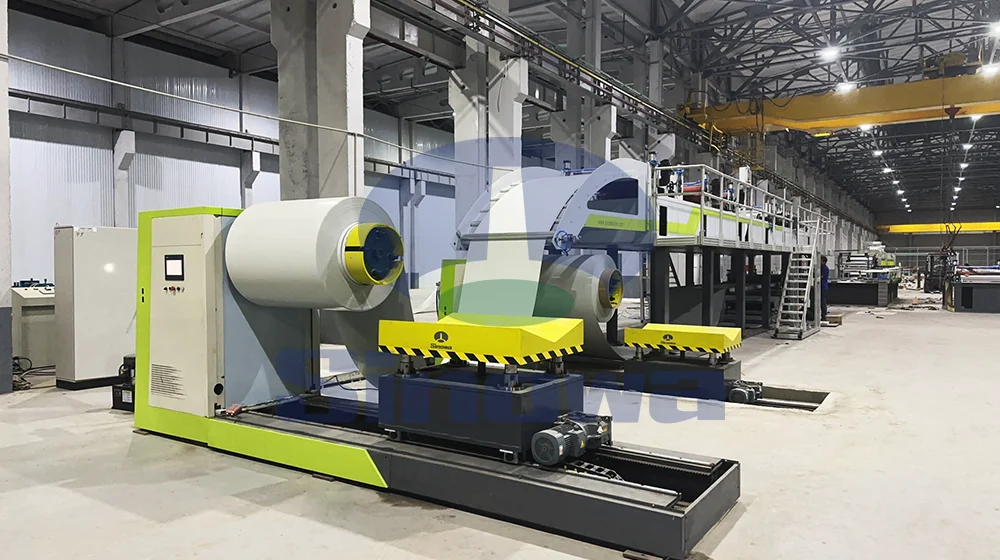
Cold room sandwich panels are essential components in the construction of cold storage facilities, refrigerated warehouses, and other environments that require strict temperature control, and the production line that manufactures these panels plays a crucial role in ensuring their quality, efficiency, and adaptability. A cold room sandwich panel production line is a integrated set of equipment designed to produce composite panels consisting of two outer skins and a core material with thermal insulation properties, which are specifically engineered to meet the rigorous requirements of cold storage applications. These production lines combine multiple technological processes into a cohesive system, from raw material handling to finished product output, and their structure, performance, types, and applications are closely intertwined with the needs of modern cold chain logistics, food preservation, pharmaceutical storage, and other related industries.
The structure of a cold room sandwich panel production line is typically designed in a modular fashion, allowing for flexibility, easy maintenance, and scalability to meet different production demands. This modular design integrates several key functional units that work together seamlessly to complete the entire production process, each with a specific role in ensuring the quality and consistency of the final product. The first critical unit is the uncoiling system, which is responsible for feeding the outer skin materials into the production line. These outer skins are usually made of thin metal sheets, such as galvanized steel, color-coated steel, or aluminum, which provide structural strength and protection to the panel. The uncoiling system is equipped with deviation correction and flattening devices to ensure that the metal coils are unrolled smoothly and evenly, without any wrinkles, slanting, or damage that could affect the subsequent composite process. The deviation correction mechanism adjusts the position of the metal sheet in real-time, while the flattening device removes any residual curvature from the coiled material, ensuring a flat and stable surface for further processing. This attention to detail in the uncoiling stage is vital, as any imperfections in the outer skin can lead to uneven bonding with the core material and reduce the overall structural integrity and insulation performance of the finished panel.
Following the uncoiling system is the forming system, which shapes the outer skins into the desired profile. Depending on the specific application requirements, the outer skins can be formed into flat sheets or various corrugated or ribbed patterns that enhance the panel’s structural strength and rigidity. The forming system uses precision rollers and dies to shape the metal sheets, with the roller pressure and forming speed carefully controlled to ensure consistent dimensions and profile accuracy. Some forming systems are equipped with adjustable rollers, allowing for quick changes in the profile design to accommodate different panel specifications without the need for extensive equipment modifications. This flexibility is particularly valuable for manufacturers who produce a wide range of panel types for various cold storage applications. After forming, the outer skins may pass through a preheating unit, which raises the temperature of the skin surface to optimize the bonding process with the core material. Preheating ensures that the adhesive or bonding agent used in the composite stage adheres firmly to the outer skin, creating a strong and durable bond that prevents delamination over time.
The core material filling and composite system is the heart of the cold room sandwich panel production line, as it determines the thermal insulation performance, fire resistance, and overall quality of the finished panel. The core material, which is the key component responsible for the panel’s insulation properties, is fed into the production line through a dedicated feeding system, which varies depending on the type of core material being used. Common core materials include polyurethane foam, rock wool, glass wool, and phenolic foam, each with unique properties that make them suitable for different cold storage environments. For liquid or foamable core materials such as polyurethane, the feeding system consists of high-pressure mixing and foaming equipment that mixes the two-component raw materials in precise proportions and injects the foam into the gap between the two outer skins. The mixing ratio and injection speed are strictly controlled to ensure uniform foam density and complete filling of the gap, without any voids or bubbles that could compromise the insulation performance. For fibrous core materials such as rock wool or glass wool, the feeding system uses a conveying and spreading mechanism that distributes the fibers evenly across the surface of one outer skin, ensuring a consistent thickness and density before the second outer skin is added.
Once the core material is placed between the two outer skins, the composite system uses heat and pressure to bond the three layers together into a single integrated panel. The composite process may take place in a continuous press or a belt conveyor system, where the panels are subjected to controlled temperature and pressure for a specific period of time to ensure complete curing of the adhesive or foam core. The temperature and pressure parameters are tailored to the type of core material and outer skin, as different materials require different conditions to achieve optimal bonding. For example, polyurethane foam requires a lower curing temperature but a longer curing time compared to phenolic foam, while metal outer skins may require higher pressure to ensure a tight bond with the core material. The composite system is also equipped with guiding devices to ensure that the panels remain flat and straight during the bonding process, preventing warping or bending that could affect their installation and performance.
After the composite process, the panels move to the cutting system, which trims the panels to the desired length and width. The cutting system uses high-precision cutting tools, such as circular saws or plasma cutters, which are controlled by a computer numerical control (CNC) system to ensure accurate dimensions and clean, smooth edges. The CNC system allows for quick adjustments to the cutting length and width, making it easy to produce panels of different sizes to meet specific customer requirements. Some cutting systems are also equipped with edge trimming devices that remove any excess material from the edges of the panels, ensuring a uniform appearance and precise fit during installation. The cutting process is synchronized with the production speed to ensure continuous operation and maximize efficiency, with the cut panels being automatically transferred to the next stage of the production line.
The final unit in the cold room sandwich panel production line is the stacking and packaging system, which handles the finished panels and prepares them for storage or transportation. The stacking system uses a robotic arm or a conveyor belt with lifting devices to stack the panels neatly and securely, according to their size and thickness. The stacking height is controlled to prevent damage to the panels from excessive weight, and the panels are separated by protective sheets or films to avoid scratches or dents on the outer surface. The packaging system then wraps the stacked panels in plastic film or waterproof paper to protect them from moisture, dust, and damage during transportation and storage. Some packaging systems also include labeling devices that print important information on the packaging, such as panel dimensions, core material type, and production date, for easy identification and tracking. The entire stacking and packaging process is automated to minimize manual intervention, reduce labor costs, and ensure consistent quality and efficiency.
In addition to these core functional units, the cold room sandwich panel production line also includes a control system that monitors and regulates the entire production process. The control system consists of a central control panel with a human-machine interface (HMI), which allows operators to set and adjust production parameters, monitor the operation status of each unit, and troubleshoot any issues that may arise. The control system collects real-time data from sensors installed throughout the production line, such as temperature, pressure, speed, and material flow, and uses this data to optimize the production process and ensure consistent product quality. Some advanced control systems also include remote monitoring and diagnostic capabilities, allowing operators to monitor the production line from a remote location and receive alerts when any abnormalities occur. This helps to minimize downtime and improve the overall reliability and efficiency of the production line.
The performance of a cold room sandwich panel production line is evaluated based on several key indicators, including stability, efficiency, adaptability, energy efficiency, and product quality consistency. Stability is one of the most critical performance indicators, as it ensures that the production line can operate continuously for extended periods of time without frequent breakdowns or interruptions. A stable production line minimizes downtime, reduces maintenance costs, and ensures a steady supply of finished panels. Stability is achieved through the use of high-quality components, precise engineering, and advanced control systems that monitor and adjust production parameters in real-time. The modular design of the production line also contributes to its stability, as individual units can be maintained or replaced without disrupting the entire production process.
Efficiency is another important performance indicator, which refers to the production line’s ability to produce a large number of high-quality panels in a short period of time. The efficiency of a production line is influenced by several factors, including production speed, automation level, and material handling capabilities. Continuous production lines, which operate 24 hours a day with minimal interruptions, are significantly more efficient than intermittent or batch production lines, which require frequent stops and starts for material changes or maintenance. The automation level of the production line also plays a key role in efficiency, with fully automated lines requiring less manual intervention and reducing the risk of human error. Automated material handling systems, such as robotic arms and conveyor belts, speed up the transfer of materials between units, further improving production efficiency. The efficiency of the production line directly impacts the manufacturing cost of the panels, with more efficient lines able to produce panels at a lower cost per unit.
Adaptability, or flexibility, is the production line’s ability to accommodate different raw materials, panel specifications, and production requirements. As cold storage applications vary widely in terms of temperature requirements, structural needs, and environmental conditions, manufacturers often need to produce a range of panel types with different core materials, outer skin materials, thicknesses, and dimensions. A highly adaptable production line can quickly switch between different core materials, such as polyurethane and rock wool, and adjust to different panel thicknesses and widths without extensive equipment modifications. This flexibility allows manufacturers to meet the specific needs of different customers and adapt to changes in market demand. Adaptability is achieved through the use of modular components, adjustable rollers and dies, and advanced control systems that can be easily reprogrammed for different production parameters. Some production lines are also designed to handle different outer skin materials, such as steel and aluminum, further enhancing their adaptability.
Energy efficiency is an increasingly important performance indicator, as manufacturers seek to reduce their energy consumption and environmental impact. Cold room sandwich panel production lines consume significant amounts of energy, particularly in the preheating, composite, and curing stages, where heat is required to bond the outer skins and core material. Energy-efficient production lines incorporate several design features to reduce energy consumption, such as insulation on heating units, heat recovery systems that reuse waste heat, and variable frequency drives (VFDs) that adjust the speed of motors based on production demand. These features not only reduce energy costs but also minimize the production line’s carbon footprint, making it more environmentally friendly. Energy efficiency is also influenced by the type of core material being used, with some materials requiring less energy to process than others.
Product quality consistency is the final key performance indicator, which ensures that every panel produced by the line meets the same high standards of quality, dimensions, and performance. Consistent product quality is essential for cold storage applications, as even small variations in panel thickness, density, or bonding strength can affect the insulation performance and structural integrity of the cold storage facility. Quality consistency is achieved through precise control of production parameters, such as mixing ratios, temperature, pressure, and speed, as well as regular quality inspections throughout the production process. Sensors installed throughout the production line monitor key quality indicators in real-time, and any deviations from the set standards trigger alerts, allowing operators to make adjustments immediately. Some production lines also include automated quality inspection systems, such as vision cameras and thickness gauges, which check the panels for defects, such as voids, bubbles, or uneven edges, and reject any panels that do not meet the quality requirements. This ensures that only high-quality panels reach the market, enhancing customer satisfaction and reducing the risk of costly repairs or replacements in the field.
Cold room sandwich panel production lines can be classified into several types based on different criteria, including production process, automation level, core material type, and product用途. The most common classification is based on the production process, which divides the lines into continuous production lines and intermittent (batch) production lines. Continuous production lines are designed to operate continuously, with raw materials fed into one end of the line and finished panels emerging from the other end without any interruptions. These lines are highly efficient and suitable for large-scale production, where a high volume of panels is required on a regular basis. Continuous lines are particularly well-suited for producing panels with foam core materials, such as polyurethane, which require a continuous curing process. The entire production process, from uncoiling to stacking, is synchronized, ensuring a steady flow of materials and consistent product quality. Continuous production lines are also more automated, requiring less manual intervention, and are ideal for manufacturers who produce standard-sized panels for mass-market applications.
Intermittent or batch production lines, on the other hand, operate in cycles, producing a single batch of panels at a time before stopping to reset the equipment for the next batch. These lines are less efficient than continuous lines but offer greater flexibility, making them suitable for small-scale production, custom orders, or manufacturers who produce a wide range of panel types with different specifications. Intermittent lines are often used for producing panels with fibrous core materials, such as rock wool or glass wool, which can be more easily handled in batches. The production process for intermittent lines involves feeding the raw materials, forming the panels, curing them, and cutting them to size, before stopping to unload the finished batch and load new raw materials. While these lines have lower production capacity, they are more cost-effective for small manufacturers or those with variable production demands, as they require less initial investment and can be easily adjusted for different panel types.
Another common classification is based on the automation level, which divides the production lines into fully automated, semi-automated, and manual production lines. Fully automated production lines require minimal manual intervention, with all processes, from raw material handling to stacking and packaging, controlled by the central control system and automated equipment. These lines are the most efficient and consistent, reducing the risk of human error and maximizing production capacity. Fully automated lines are ideal for large-scale manufacturers who require high-volume production and consistent product quality. Semi-automated production lines combine automated processes with manual operations, such as loading raw materials, inspecting panels, or packaging finished products. These lines offer a balance between efficiency and flexibility, requiring less initial investment than fully automated lines while still reducing labor costs and improving productivity. Manual production lines, which rely primarily on human labor for all processes, are the least efficient and consistent, but they are the most cost-effective for small manufacturers or those with very low production demands. Manual lines are often used in regions with low labor costs or for custom orders that require specialized handling.
Production lines can also be classified based on the type of core material they are designed to process. Each core material has unique properties and requires specific processing equipment, so production lines are often tailored to handle one or more core material types. Polyurethane foam production lines are designed to handle the mixing and foaming of polyurethane raw materials, with high-pressure mixing equipment and controlled curing zones to ensure uniform foam density and bonding. These lines are widely used for producing panels with excellent thermal insulation performance, suitable for low-temperature cold storage facilities. Rock wool production lines are equipped with specialized conveying and spreading equipment to handle the fibrous rock wool core material, ensuring even distribution and consistent thickness. These lines produce panels with excellent fire resistance, making them suitable for cold storage facilities that require high fire safety standards. Glass wool production lines are similar to rock wool lines but are designed to handle the finer glass wool fibers, producing panels that are lightweight and have good sound insulation properties in addition to thermal insulation. Phenolic foam production lines are equipped with equipment to handle the phenolic foam raw materials, which require higher curing temperatures and longer curing times than polyurethane. These lines produce panels with excellent thermal insulation and fire resistance, suitable for high-performance cold storage applications.
The applications of cold room sandwich panel production lines are closely linked to the uses of the cold room sandwich panels they produce, which are primarily used in the construction of cold storage facilities and other temperature-controlled environments. The most common application is in the food and beverage industry, where cold storage facilities are essential for preserving perishable goods, such as fruits, vegetables, meat, dairy products, and beverages. Cold room sandwich panels produced by these lines are used to construct the walls, ceilings, and floors of cold storage warehouses, walk-in freezers, and refrigerated display cases, ensuring that the internal temperature remains stable and consistent. The thermal insulation properties of the panels help to reduce energy consumption by minimizing heat transfer between the internal and external environments, lowering the operating costs of the cold storage facility. The structural strength of the panels also ensures that the cold storage facility can withstand the weight of stored goods and the pressure of the refrigeration system.
Another important application is in the pharmaceutical and healthcare industry, where temperature-controlled storage is required for drugs, vaccines, and medical supplies. Many pharmaceutical products are sensitive to temperature changes and require storage in cold environments to maintain their efficacy and safety. Cold room sandwich panels produced by specialized production lines are used to construct clean cold storage facilities that meet the strict hygiene and temperature control requirements of the pharmaceutical industry. These panels are often made with non-toxic, non-porous materials that are easy to clean and sanitize, preventing contamination of the stored products. The thermal insulation performance of the panels ensures that the internal temperature remains within the required range, even in extreme external conditions, protecting the integrity of the pharmaceutical products.
The logistics and transportation industry also relies heavily on cold room sandwich panel production lines, as they are used to construct refrigerated containers and transport vehicles. Refrigerated containers, which are used to transport perishable goods across long distances by sea, land, or air, are constructed using cold room sandwich panels that provide excellent thermal insulation and structural strength. The panels are designed to withstand the harsh conditions of transportation, including vibration, temperature fluctuations, and moisture, ensuring that the stored goods remain fresh and intact. Refrigerated transport vehicles, such as trucks and vans, also use cold room sandwich panels for their walls, ceilings, and floors, allowing them to maintain a stable internal temperature during transit. The lightweight nature of the panels helps to reduce the overall weight of the vehicle, improving fuel efficiency and reducing transportation costs.
Cold room sandwich panel production lines also have applications in the agricultural industry, where they are used to construct cold storage facilities for agricultural products, such as fruits, vegetables, and grains. These facilities help to extend the shelf life of agricultural products, reducing waste and allowing farmers to sell their products at better prices. The panels are also used to construct greenhouses and other temperature-controlled environments for growing crops, ensuring optimal growing conditions and increasing crop yields. In addition, the panels are used in the construction of livestock housing, providing insulation to maintain a comfortable temperature for the animals and improving their health and productivity.
Other applications of cold room sandwich panel production lines include the construction of cold storage facilities for the seafood industry, where low-temperature storage is essential for preserving fish, shrimp, and other seafood products. The panels are also used in the construction of industrial cold storage facilities, such as those used for storing chemicals, electronics, and other temperature-sensitive products. In the retail industry, cold room sandwich panels are used to construct refrigerated display cases and cold storage rooms in supermarkets and convenience stores, allowing retailers to display and store perishable goods effectively. The panels are also used in the construction of modular cold storage facilities, which can be quickly assembled and disassembled, making them suitable for temporary or mobile cold storage needs, such as at construction sites, events, or disaster relief efforts.
The importance of cold room sandwich panel production lines is expected to grow in the coming years, driven by the increasing demand for cold storage facilities worldwide. Factors such as the growth of the cold chain logistics industry, the expansion of the food and beverage industry, the increasing demand for pharmaceutical cold storage, and the growing awareness of food safety and quality are all contributing to the rising demand for cold room sandwich panels, and thus for the production lines that manufacture them. Advances in technology are also expected to improve the performance and efficiency of these production lines, with the development of more advanced control systems, automated equipment, and energy-efficient technologies. These advances will help to reduce production costs, improve product quality, and make cold room sandwich panels more accessible and affordable for a wider range of applications.
In conclusion, cold room sandwich panel production lines are complex and integrated systems that play a vital role in the manufacturing of cold room sandwich panels, which are essential for cold storage and temperature-controlled environments. The structure of these production lines is modular, consisting of key functional units that work together to complete the entire production process, from raw material handling to finished product output. The performance of the production lines is evaluated based on stability, efficiency, adaptability, energy efficiency, and product quality consistency, with each indicator contributing to the overall effectiveness of the line. Production lines can be classified into several types based on production process, automation level, and core material type, each suitable for different production demands and applications. The applications of these production lines are widespread, covering the food and beverage, pharmaceutical, logistics, agricultural, and retail industries, among others. As the demand for cold storage facilities continues to grow, cold room sandwich panel production lines will remain a critical component of the cold chain industry, enabling the efficient and reliable production of high-quality cold room sandwich panels that meet the diverse needs of modern businesses and consumers.
« Cold Room Sandwich Panel Production Line » Update Date: 2026/4/16
URL: https://www.sinowamachine.com/tags/cold-room-sandwich-panel-production-line.html
![Cold Room Sandwich Panel Production Line Manufacturer]()
Cold Room Sandwich Panel Production Line Manufacturer
2026-08-26Cold room sandwich panel production lines serve as the core industrial equipment for manufacturing high-performance insulation panels exclusively used in cold storage, refrigeration warehouses, and low-temperature logistics facilities. These automated production systems integrate multiple sophisticat…![Cold Room Sandwich Panel Production Line Supplier]()
Cold Room Sandwich Panel Production Line Supplier
2026-08-14Cold room sandwich panel production lines are specialized integrated manufacturing systems designed to produce high-performance insulation panels tailored for cold storage, refrigeration warehouses, and low-temperature industrial facilities. As the core equipment in the cold chain construction indust…![Cold Room Sandwich Panel Production Line Factory]()
Cold Room Sandwich Panel Production Line Factory
2026-05-08The continuous expansion of cold chain logistics, food preservation, and low-temperature storage industries has steadily boosted market demand for high-performance cold room sandwich panels. As core production carriers of such building and thermal insulation materials, cold room sandwich panel produc…
- Links:
- Sandwich Panel Continuous Production Line
- Automatic and Continuous Sandwich Panel Production Line
- Cheap and Low Price Sandwich Panel Production Line
- China Sandwich Panel Production Line Factory
- Color Steel Sandwich Panel Production Line For Cold Storage
- Continuous Composite Foam Sandwich Panel Production Line
- Continuous Production Line For Rockwool and Mineral Wool Sandwich Panels
- Continuous PU Phenolic Insulation Panel Production Line
- Continuous PU PIR Sandwich Panel Production Line
- Continuous PUF PUR Sandwich Panel Production Line
- Continuous Sandwich Panel Production Line For Roof and Wall
- Customized and Design Sandwich Panel Production Line
- Decorative Sandwich Panel Production Line For Glass Wool Boards
- High Quality Sandwich Panel Production Line For Sale
- Polyurethane(PU) Sandwich Panel Production Line
- Sandwich Panel Production Line Manufacturer and Supplier
- Sandwich Panel Production Machinery and Equipment