
Continuous Sandwich Panel Manufacturing Line Supplier
Sinowa is a well-known manufacturer and technical service provider of high-end continuous sandwich panel manufacturing line, learn more about continuous sandwich panel manufacturing line supplier, please contact Sinowa's technical engineer, tell us what you need, we will contact you as soon as possible!
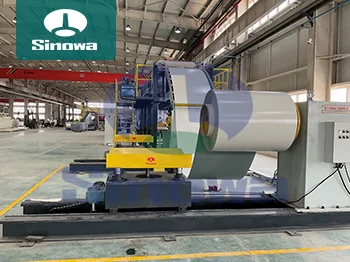
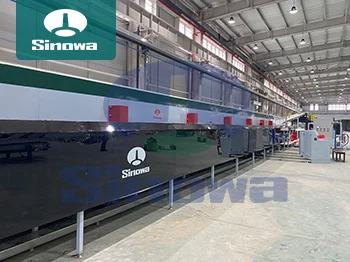
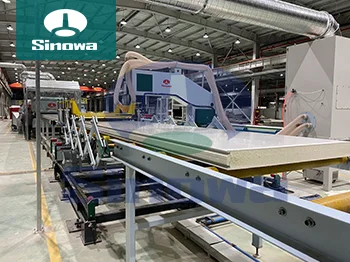
Sinowa is committed to the development and manufacturing of high-end and high-efficiency continuous sandwich panel manufacturing line. Our continuous sandwich panel manufacturing line are leading the way in efficiency, automatic control, human-computer interaction, environmental protection and energy consumption. Using system integration and bus control technology, it realizes the automatic integrated linkage control of the entire continuous sandwich panel manufacturing line, and can achieve remote interactive communication, which has the world-class level and a comprehensive leading high-performance continuous sandwich panel manufacturing line in the market.
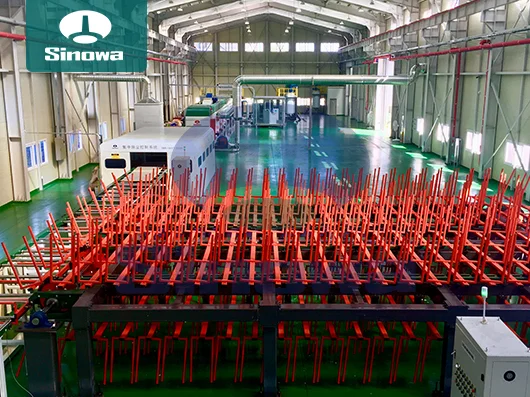
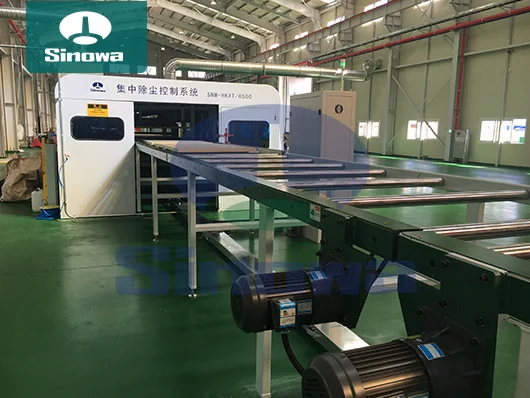
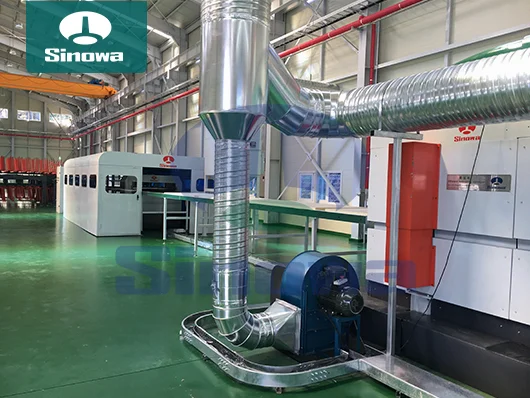
For more than ten years, relying on our innovative manufacturing concept and excellence in quality, reliable and trustworthy service to customers, we cooperate with customers all over the world, exported products to Canada, South Korea, Israel, Australia, the Middle East and other more than 20 countries and regions. contributed to building energy conservation and low-carbon production and have won widespread praise.
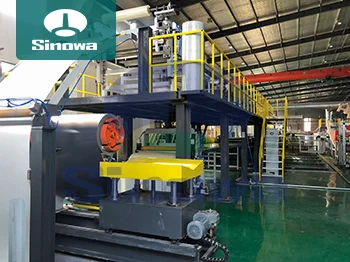
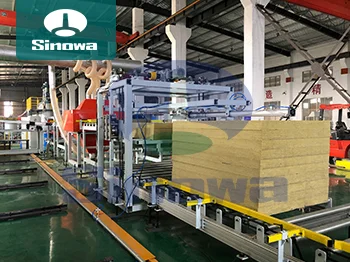
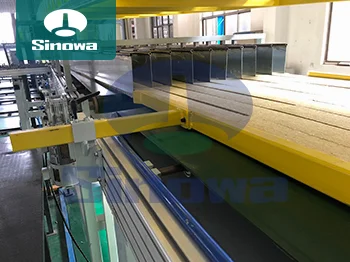
Sinowa has invested outstanding efforts in continuous sandwich panel manufacturing line, this is why our products are more efficiency, quality, automatic control technology, environmental protection, energy consumption indicators and the appearance and safety protection are comprehensively leading, some subversive design changes in many major technical points, these major innovations make our products excellent in price/performance and user experience.
In the evolving landscape of modern construction and industrial manufacturing, the demand for efficient, high-quality building materials has driven significant innovations in production technology. Among these advancements, continuous sandwich panel manufacturing lines have emerged as a cornerstone of efficient production, enabling the mass production of composite panels that balance structural integrity, thermal insulation, and lightweight properties. These manufacturing systems play a pivotal role in supplying the global construction industry with materials suitable for a diverse range of applications, from industrial warehouses and logistics centers to commercial buildings, public facilities, and even residential structures. The continuous production process, as opposed to discrete manufacturing methods, offers unparalleled efficiency, consistency, and scalability, making it the preferred choice for large-scale production operations seeking to meet the growing demands of modern construction projects.
At the core of a continuous sandwich panel manufacturing line lies a sophisticated integration of multiple processing stages, each designed to ensure seamless coordination and precise control over the final product. The fundamental principle of continuous production involves the uninterrupted processing of raw materials through a series of interconnected stations, from material feeding and preparation to core formation, lamination, curing, cutting, and final handling. This integrated approach eliminates the downtime associated with batch processing, where production must pause between each set of panels, thereby significantly increasing overall throughput and reducing production costs. The key to the success of such lines lies in their ability to maintain consistent parameters—including temperature, pressure, material flow rates, and speed—across all stages of production, ensuring that each panel meets the required specifications for strength, insulation, and dimensional accuracy.
The material preparation stage is the starting point of the continuous production process, where the outer facings and core materials are prepared for integration. The outer facings, typically made of galvanized steel, aluminum, or other metal sheets, are fed into the line via decoilers. These decoilers are equipped with tension control systems to ensure smooth, consistent unrolling of the coiled material, preventing wrinkles or distortions that could compromise the final product quality. In many cases, the metal sheets undergo pre-heating before entering the core formation stage; this pre-heating helps to optimize the adhesion between the facing materials and the core, particularly when using foam-based cores that require specific temperature conditions for proper curing. Additionally, some lines include leveling and trimming stations at this stage to ensure the facings are flat and have precise width dimensions, further enhancing the uniformity of the final panels.
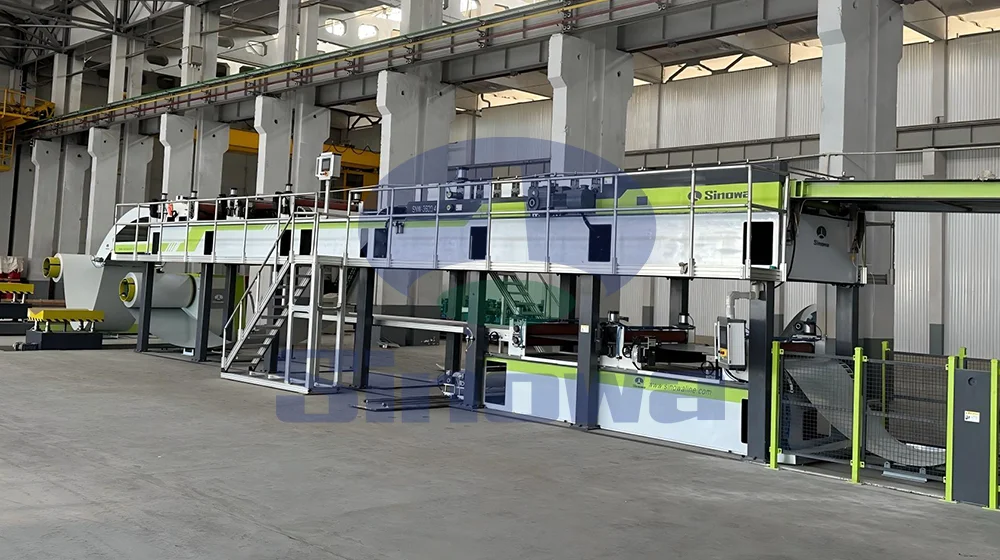
Following the preparation of the outer facings, the core material is introduced—a critical component that defines many of the sandwich panel’s key properties, such as thermal insulation, sound absorption, and fire resistance. Common core materials include polyurethane (PU) foam, polyisocyanurate (PIR) foam, rock wool, and glass wool, each selected based on the intended application of the panels. For foam-based cores, the production process involves the precise metering and mixing of reactive components, such as polyol and isocyanate, along with additives like catalysts, blowing agents, and flame retardants. This mixing is typically performed using high-pressure metering systems that ensure uniform distribution of the components, resulting in a foam core with consistent density and structural properties. The mixed foam is then continuously dispensed onto the lower facing material as it moves through the line, forming a uniform layer that will bond with both the lower and upper facings.
The lamination and curing stage is where the sandwich panel’s structure is fully formed. After the core material is applied to the lower facing, the upper facing is fed into the line and brought into contact with the core. Both facings, with the core material between them, then pass through a double belt lamination system—a key component of continuous production lines. This system consists of two parallel, continuously moving belts that apply uniform pressure to the panel assembly as it moves forward. The belts are also equipped with heating elements that maintain the optimal temperature for curing the core material; for example, foam cores typically require temperatures around 80°C to ensure proper polymerization and hardening. The length of the lamination system is carefully designed to provide sufficient time for the core to cure fully before the panel exits the system, ensuring structural stability and preventing deformation. Side guiding systems are also integrated at this stage to maintain the panel’s width and prevent lateral movement, ensuring consistent dimensional accuracy.
Once the core material is fully cured, the continuous panel assembly moves to the cutting stage, where it is trimmed to the desired length. This cutting is performed using automatic tracking saws that move in synchronization with the speed of the production line, allowing for precise, clean cuts without interrupting the continuous flow of production. Some advanced lines are equipped with multi-blade saws or CNC-controlled cutting systems that can produce panels of varying lengths in a single pass, enhancing the flexibility of the production process. Additionally, edge trimming stations may be included at this stage to remove any excess material from the sides of the panels, ensuring clean, uniform edges that facilitate easy installation on construction sites.
The final stage of the continuous production process involves handling, cooling, and stacking the finished panels. After cutting, the panels pass through a cooling system to bring them to ambient temperature, ensuring that the core material is fully stabilized and the panels are ready for handling and transportation. Automated stacking systems then arrange the panels into neat bundles, which may be wrapped in protective film to prevent damage during storage and shipping. These handling systems are designed to minimize manual intervention, reducing the risk of damage to the panels and improving overall production efficiency. Some lines also include quality inspection stations at this stage, where sensors or visual inspection systems check for defects such as uneven core distribution, poor adhesion between facings and core, or dimensional inaccuracies, ensuring only high-quality panels reach the market.
One of the most significant advantages of continuous sandwich panel manufacturing lines is their high production efficiency. Unlike batch production methods, which are limited by the time required to set up each batch, cure the panels, and reset for the next batch, continuous lines can operate 24 hours a day with minimal downtime, significantly increasing output volume. For example, advanced continuous lines can produce up to 4300 square meters of panels per hour, depending on the panel thickness and width—far exceeding the capacity of batch systems. This high efficiency translates to lower production costs per unit, making sandwich panels more cost-competitive compared to other building materials. Additionally, the continuous process reduces material waste, as precise control over material flow rates and dimensions minimizes excess material that would otherwise be discarded.
Another key benefit of continuous production lines is the consistency and quality of the resulting panels. The automated, integrated nature of the process eliminates many of the variables associated with manual or batch production, such as human error in mixing core materials or uneven pressure application during lamination. Every panel produced in a continuous line has the same core density, thickness, and adhesion properties, ensuring predictable performance in construction applications. This consistency is particularly important for applications requiring strict compliance with thermal insulation or structural safety standards, such as cold storage facilities, industrial warehouses, and public buildings. Additionally, the precise control over production parameters allows manufacturers to tailor panels to specific customer requirements, such as varying thicknesses (typically ranging from 20mm to 120mm) or custom lengths (up to 4 meters or more, depending on the line’s design).
Flexibility is another important characteristic of modern continuous sandwich panel manufacturing lines. Many lines are designed with a modular structure, allowing manufacturers to reconfigure or upgrade components to produce different types of panels without major overhauls. For example, a single line can be adapted to produce panels with different core materials (e.g., switching from PU foam to rock wool) or different facing materials, simply by adjusting the material feeding and processing parameters. This modularity enables manufacturers to respond quickly to changing market demands, expanding their product offerings to serve a wider range of applications. Additionally, some lines are equipped with advanced control systems that allow for remote monitoring and adjustment of production parameters, further enhancing flexibility and reducing the need for on-site personnel.
Energy efficiency is a growing concern in the manufacturing industry, and continuous sandwich panel lines are designed with this in mind. Modern lines incorporate a range of energy-saving features, such as closed-loop heating systems that recover and reuse heat from the curing process, reducing overall energy consumption. High-efficiency motors and drives are also used throughout the line to minimize power usage, while insulation around the lamination and curing zones helps to maintain optimal temperatures without excessive energy input. Some advanced lines are capable of operating at ambient temperatures as low as 5°C with minimal additional heating, eliminating the need for expensive climate-controlled production facilities and further reducing energy costs. These energy-saving features not only lower production costs but also align with global efforts to reduce carbon emissions and promote sustainable manufacturing practices.
The impact of continuous sandwich panel manufacturing lines extends beyond the manufacturing sector, playing a crucial role in supporting the growth of sustainable construction practices. Sandwich panels produced by these lines are inherently sustainable, offering excellent thermal insulation properties that reduce energy consumption in buildings. For example, PU and PIR foam cores have some of the lowest thermal conductivity values among common insulation materials, making them ideal for energy-efficient building designs. Additionally, the lightweight nature of sandwich panels reduces the overall weight of buildings, minimizing the need for heavy structural supports and reducing the carbon footprint associated with construction materials and transportation. The quick and easy installation of sandwich panels also reduces construction time and labor costs, further contributing to the sustainability of building projects.
The applications of sandwich panels produced by continuous lines are diverse and far-reaching, spanning industrial, commercial, public, and residential construction. In the industrial sector, they are widely used for the walls and roofs of factories, warehouses, and logistics centers, where their combination of structural strength and thermal insulation makes them ideal for protecting goods and equipment. In the commercial sector, sandwich panels are used in shopping malls, supermarkets, and exhibition halls, providing quick construction and customizable aesthetics. Public buildings such as schools, hospitals, and sports facilities also benefit from sandwich panels, as their sound absorption and fire resistance properties enhance safety and comfort. In residential construction, they are commonly used in modular homes, prefabricated houses, and low-rise dwellings, offering a fast, cost-effective alternative to traditional building materials. Additionally, sandwich panels are used in specialized applications such as cold storage facilities, clean rooms, and agricultural buildings, where their unique properties meet specific operational requirements.
Despite their many advantages, continuous sandwich panel manufacturing lines require careful maintenance and operation to ensure optimal performance. Regular maintenance of key components, such as the decoilers, lamination belts, and metering systems, is essential to prevent breakdowns and maintain production efficiency. This includes checking for wear and tear on moving parts, calibrating metering systems to ensure precise material mixing, and cleaning components to prevent the buildup of debris or material residues. Additionally, operators must be properly trained to monitor and adjust production parameters, such as line speed, temperature, and pressure, in response to changes in raw materials or product specifications. Proper maintenance and operation not only extend the lifespan of the equipment but also ensure consistent product quality and minimize production downtime.
Looking to the future, continuous sandwich panel manufacturing lines are poised to undergo further innovations to meet the evolving needs of the construction industry. Advances in automation and digitalization are expected to enhance the precision and efficiency of these lines, with the integration of artificial intelligence (AI) and Internet of Things (IoT) technologies enabling real-time monitoring and predictive maintenance. This will allow manufacturers to identify potential issues before they lead to downtime, further improving productivity. Additionally, there is growing focus on developing lines that can process more sustainable raw materials, such as bio-based foams or recycled metal facings, aligning with global sustainability goals. Innovations in core material technology, such as the development of high-performance, fire-resistant foams, will also expand the range of applications for sandwich panels, driving further demand for advanced continuous production systems.
In conclusion, continuous sandwich panel manufacturing lines represent a critical advancement in the production of building materials, offering unmatched efficiency, consistency, and flexibility. These lines play a vital role in supplying the construction industry with high-quality sandwich panels that meet the diverse needs of modern building projects, from industrial facilities to residential homes. Through their integrated design, advanced control systems, and energy-saving features, continuous production lines not only reduce manufacturing costs but also support sustainable construction practices. As technology continues to evolve, these lines will likely become even more efficient and versatile, further solidifying their position as a cornerstone of the global construction supply chain. Whether for large-scale industrial production or specialized custom applications, continuous sandwich panel manufacturing lines are essential for meeting the growing demand for high-performance, sustainable building materials in the 21st century.
« Continuous Sandwich Panel Manufacturing Line Supplier » Update Date: 2026/1/12
- PU Sandwich Panel Making Machine For Sale
- Custom Sandwich Panel Foam Making Machine
- High-quality Sandwich Panel Foam Making Machine
- High-end PU Insulation Board Production Line
- High-end Sandwich Panel Foam Production Line
- Cheap Cold Room Sandwich Panel Production Line
- Fully Automatic PU Sandwich Panel Production Line Price
- PUF Panel Manufacturing Machine Factory
- Sandwich Roof Panel Production Line Factory
- Continuous Sandwich Panel Line For Building
- Fully Automatic Sandwich Panel Making Machine In China
- High-end Cold Storage Sandwich Panel Production Line
- PIR Insulated Panel Production Line Design
- High Efficiency PU Insulation Board Production Line
- Sandwich Panel Making Equipment Supplier
- PU Board Production Line Supplier
- High-end PIR Sandwich Panel Production Line
- Low Price Foam Sandwich Panel Production Line
- PU Insulated Panel Production Line On Sales
- PU Sandwich Panel Production Line For Sale
- Links:
- Sandwich Panel Continuous Production Line
- Automatic and Continuous Sandwich Panel Production Line
- Cheap and Low Price Sandwich Panel Production Line
- China Sandwich Panel Production Line Factory
- Color Steel Sandwich Panel Production Line For Cold Storage
- Continuous Composite Foam Sandwich Panel Production Line
- Continuous Production Line For Rockwool and Mineral Wool Sandwich Panels
- Continuous PU Phenolic Insulation Panel Production Line
- Continuous PU PIR Sandwich Panel Production Line
- Continuous PUF PUR Sandwich Panel Production Line
- Continuous Sandwich Panel Production Line For Roof and Wall
- Customized and Design Sandwich Panel Production Line
- Decorative Sandwich Panel Production Line For Glass Wool Boards
- High Quality Sandwich Panel Production Line For Sale
- Polyurethane(PU) Sandwich Panel Production Line
- Sandwich Panel Production Line Manufacturer and Supplier