
PU Sandwich Panel Machine For Roof
Sinowa is a well-known manufacturer and technical service provider of high-end pu sandwich panel machine, learn more about pu sandwich panel machine for roof, please contact Sinowa's technical engineer, tell us what you need, we will contact you as soon as possible!
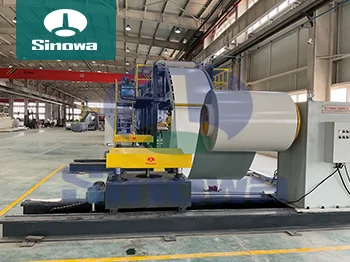
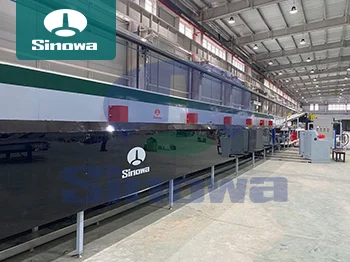
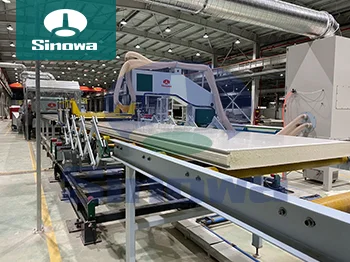
Sinowa is committed to the development and manufacturing of high-end and high-efficiency pu sandwich panel machine. Our pu sandwich panel machine are leading the way in efficiency, automatic control, human-computer interaction, environmental protection and energy consumption. Using system integration and bus control technology, it realizes the automatic integrated linkage control of the entire pu sandwich panel machine, and can achieve remote interactive communication, which has the world-class level and a comprehensive leading high-performance pu sandwich panel machine in the market.
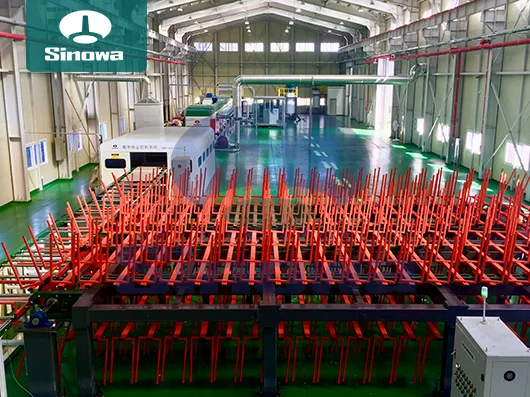
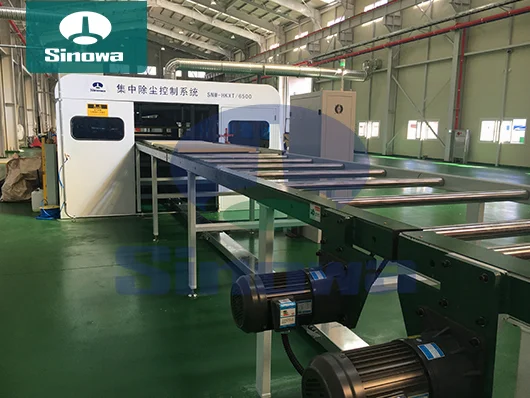
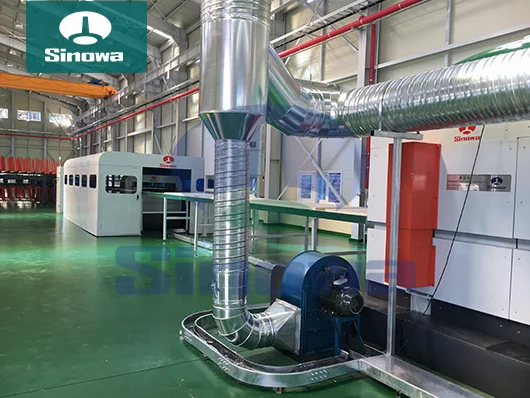
For more than ten years, relying on our innovative manufacturing concept and excellence in quality, reliable and trustworthy service to customers, we cooperate with customers all over the world, exported products to Canada, South Korea, Israel, Australia, the Middle East and other more than 20 countries and regions. contributed to building energy conservation and low-carbon production and have won widespread praise.
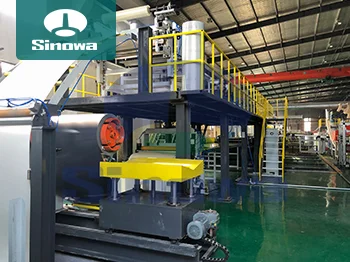
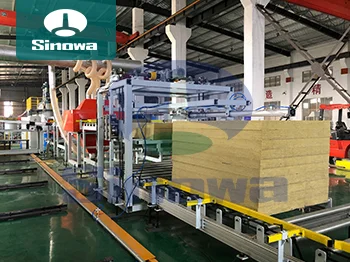
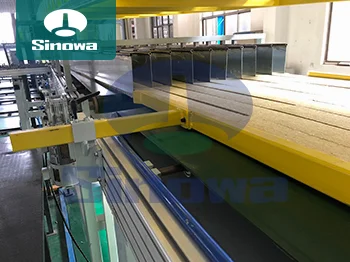
Sinowa has invested outstanding efforts in pu sandwich panel machine, this is why our products are more efficiency, quality, automatic control technology, environmental protection, energy consumption indicators and the appearance and safety protection are comprehensively leading, some subversive design changes in many major technical points, these major innovations make our products excellent in price/performance and user experience.
The demand for efficient, durable, and cost-effective roofing solutions has grown steadily across many construction sectors, pushing manufacturers and contractors to seek reliable equipment that can produce high-quality insulated panels for roof applications. A PU sandwich panel machine for roof is specially engineered to form composite panels with a rigid polyurethane foam core sandwiched between two layers of metal sheets, and these finished panels are widely preferred for their excellent thermal performance and structural stability. Unlike general-purpose panel production lines, this type of machine is adjusted to meet the unique requirements of roof panels, including tailored profile shapes, proper interlocking joint designs, and consistent foam density that can withstand long-term exposure to changing weather conditions. Every part of the production process, from feeding the metal coil to injecting the PU raw material and carrying out continuous pressing and curing, is coordinated within one integrated system to reduce manual intervention and keep output steady. Operators can adjust key parameters according to the intended use of the roof panels, controlling the thickness of the foam core and metal facings to strike a balance between insulation capacity and load-bearing ability. Many modern versions of this machine also feature streamlined material delivery systems that minimize waste of PU chemicals, which helps cut down unnecessary material consumption while ensuring each panel maintains uniform quality along its full length. As building projects move toward faster construction schedules, the ability of this equipment to turn raw materials into finished roof panels in a continuous workflow makes it a practical choice for businesses focused on prefabricated building components.
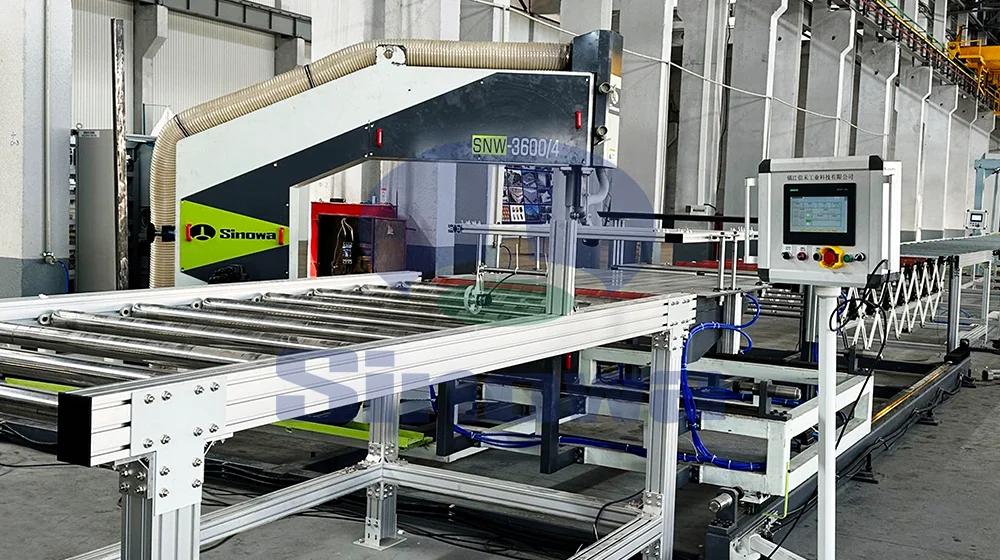
The core working principle of the PU sandwich panel machine for roof centers on the precise mixing and foaming of two-component polyurethane materials, which react quickly after injection to form a closed-cell foam layer that bonds firmly with the upper and lower metal surfaces. Before the foaming stage begins, metal coils pass through a roll forming section where they are shaped into the specific ribbed or trapezoidal profiles suited for roof installation, and this forming step directly decides how well the final panels fit together and resist water penetration at seams. Once the metal sheets are properly shaped and guided into the double-belt pressing zone, the mixed PU liquid is evenly distributed across the lower metal surface, and the upper sheet closes over the liquid as the conveyor moves forward at a controlled speed. The closed pressing environment creates stable temperature and pressure conditions for the foam to expand and cure evenly, preventing voids, bubbles, or uneven bonding that would weaken the roof panel over time. Timing control is extremely important in this phase, because insufficient curing can lead to delamination between foam and metal, while overly fast movement may leave areas without full foam coverage. After the curing process finishes, the continuous panel strip moves to a cutting unit that trims the product to preset lengths, and the cut pieces are then conveyed out for stacking and packaging. Every sequential step is linked together, so disruptions in one part of the line can affect the quality of the entire batch of roof panels, which is why routine inspection of feeding, mixing, pressing, and cutting modules remains essential for stable production.
Roof panels made by this PU sandwich panel machine carry distinct functional advantages that set them apart from traditional roofing materials, starting with outstanding thermal insulation that helps regulate indoor temperatures and reduce the energy load of heating and cooling systems inside buildings. The closed-cell PU foam core naturally limits heat transfer, and when paired with properly formed metal outer layers, the finished roof surface also offers good resistance against moisture, rain, and ultraviolet exposure when matched with suitable metal coatings. The interlocking structure formed during roll forming allows panels to connect tightly on site, lowering the risk of leakage when installed correctly and reducing the need for extra waterproof layers in many typical roofing projects. These panels also have a relatively light weight compared to concrete or tiled roofing systems, which means they place less pressure on the main support framework of a building and can simplify structural design for new constructions or renovation work. Installation teams can place large prefabricated panels quickly, shortening the time required for roofing work and cutting the overall labor input on the construction site. Beyond thermal and waterproof performance, the composite structure provides decent sound insulation, softening noise from rainfall and external surroundings to create a more comfortable indoor environment. All these benefits are only fully realized when the production machine maintains consistent output quality, as minor inconsistencies in foam bonding or profile shaping can undermine the performance advantages that roof PU sandwich panels are known for.
When selecting and running a PU sandwich panel machine for roof production, users need to take practical production goals and maintenance requirements into careful consideration to keep the line operating reliably over a long service life. The production speed of the machine should match the order volume of the workshop, without pursuing excessively high speed that sacrifices product uniformity and bonding quality. Operators must receive proper training to understand how to adjust raw material ratios, conveyor speed, and temperature settings, since small changes in these variables can alter foam reaction behavior and the final physical properties of roof panels. Regular maintenance tasks include cleaning the PU mixing head to prevent material blockage, checking the tension and alignment of metal coil feeding rollers, inspecting the belts of the double-belt press for wear, and testing the accuracy of the cutting mechanism on a routine basis. Leftover PU materials can solidify rapidly once they finish reacting, so timely cleaning after each production run helps avoid permanent buildup that damages key components. It is also wise to keep spare critical parts available on hand, so that unexpected component failures do not halt production for extended periods. A well-maintained machine not only produces panels with stable quality but also extends service life and lowers the frequency of costly major repairs, creating better long-term operational value for the production workshop.
Different application scenarios put forward different requirements for roof PU sandwich panels, and the versatility of this machine allows producers to adjust settings to create panels suitable for a wide range of building types. Many agricultural buildings, such as livestock shelters and crop storage warehouses, use these roof panels because the insulation helps maintain stable internal humidity and temperature to protect stored goods and animals. Large industrial workshops and logistics warehouses also rely heavily on such roofing materials, as the fast installation speed fits tight construction timelines for large-span structures, and the light weight works well with steel frame structures. Temporary prefabricated buildings, including field offices and emergency housing facilities, often choose PU roof sandwich panels for their combination of simple transport, quick assembly, and reliable weather protection. Some commercial buildings also use these panels for partial roof sections, pairing them with other architectural materials to balance energy efficiency and visual appearance. By adjusting the profile pattern of the roll forming section and changing the thickness of the PU core, the same machine can produce roof panels suited for low-slope and steep-slope roof designs, adapting to different drainage and structural needs. This flexibility means a single production line can serve multiple market segments without needing a complete equipment replacement when customer requirements shift slightly.
Safety management during the operation of a PU sandwich panel machine for roof cannot be overlooked, as the production process involves chemical raw materials, high-pressure mixing systems, and continuously moving mechanical parts. The polyurethane raw materials used in foaming can generate vapors during the reaction stage, so the production workshop needs proper ventilation systems to keep air conditions safe for on-site staff. Operators should wear suitable protective gear while handling raw materials and cleaning the mixing unit, to avoid direct skin contact or inhalation of unreacted chemical components. Safety guards and emergency stop devices on moving mechanical sections must remain functional at all times, and workers should not remove protective covers to access running parts to speed up adjustments. Fire prevention measures are also necessary within the workshop area, because PU foam and its raw materials carry certain flammability risks, and open flames should be strictly kept away from the production zone. Daily safety checks should cover ventilation systems, emergency stop circuits, and protective enclosures, and all staff working around the machine need clear guidance on how to respond to accidental spills or equipment malfunctions. Building stable safety habits into daily production routines protects workers and also prevents unexpected incidents that could interrupt panel manufacturing and create extra losses.
As the construction industry continues to evolve toward energy-saving and prefabricated development, the market space for PU roof sandwich panels and the supporting production machines keeps expanding, while technical improvements continuously optimize the performance of this equipment. Newer generations of the machine adopt more precise material metering systems that control the flow of the two PU components with higher accuracy, making foam density far more consistent across each panel and reducing fluctuations between different production batches. Upgraded control interfaces make parameter adjustment more intuitive, storing preset formulas for commonly used roof panel specifications so operators can switch between product types quickly and reduce the time spent on trial runs. Some improved designs also optimize the recycling and collection of excess PU material and metal scraps, supporting cleaner production workflows and reducing waste accumulation in the workshop. These technical upgrades do not change the basic function of making roof sandwich panels, but they lift overall production efficiency, lower material waste, and reduce the difficulty of stable quality control. Manufacturers of the equipment keep learning from real feedback from panel producers, refining mechanical structures and control logic to fit the evolving expectations of building contractors and end users who care about roof durability and energy performance.
Looking ahead, the role of the PU sandwich panel machine for roof will remain central within the supply chain of prefabricated roofing components, and users who operate this equipment will continue to benefit from steady demand for insulated roof panels in building projects of all sizes. Even as new composite materials emerge, the combination of mature processing technology, balanced performance, and flexible production capacity keeps PU roof sandwich panels competitive for countless roofing applications. For production workshops, success depends not only on owning a well-built machine but also on establishing standardized operating procedures, consistent maintenance plans, and strict quality inspection workflows for finished roof panels. Careful control over every link from raw material preparation to finished panel stacking ensures that the panels delivered to construction sites can deliver the insulation, waterproofing, and structural performance promised to customers. As construction methods keep shifting toward off-site prefabrication, the value of reliable continuous panel production equipment will become even more obvious, supporting faster, greener, and more efficient building development across diverse construction fields. Operators who keep pace with equipment maintenance best practices and learn to use adjustable machine functions skillfully will be better positioned to meet changing market demands and maintain stable, high-quality output of roof PU sandwich panels over the long run.
« PU Sandwich Panel Machine For Roof » Update Date: 2026/10/27
Tags: Fully Automatic PU Sandwich Panel Machine , PU Sandwich Panel Machine , pu sandwich panel machine, pu sandwich panel machine manufacturer, pu sandwich panel machine supplier, pu sandwich panel machine for sale, customized pu sandwich panel machine, china pu sandwich panel machine
- Low Price Insulated Sandwich Panel Line
- Glass Wool Panel Production Line Price
- PUF Panel Machine Design
- Continuous Sandwich Panel Production Line For Cold Room
- Corrugated Sandwich Panel Production Line
- External Wall Insulation Panel Production Line Manufacturer
- Custom Glass Wool Equipment
- Cheap PUR Sandwich Panel Machine
- PU Sandwich Panel Machine For Construction
- Glass Wool Production Line
- High-quality PIR Sandwich Panel Line
- Foam Sandwich Panel Production Line For Sale
- Glass Wool Line
- Decorative Sandwich Panel Line
- High-quality Fully Automatic PU Sandwich Panel Machine
- Cheap Polyurethane Foam Production Line
- Composite Sandwich Panel Production Line Manufacturer
- Continuous PU Sandwich Panel Line Factory
- Glass Wool Equipment Factory
- Automatic Sandwich Panel Production Line On Sales
- Links:
- Sandwich Panel Continuous Production Line
- Automatic and Continuous Sandwich Panel Production Line
- Cheap and Low Price Sandwich Panel Production Line
- China Sandwich Panel Production Line Factory
- Color Steel Sandwich Panel Production Line For Cold Storage
- Continuous Composite Foam Sandwich Panel Production Line
- Continuous Production Line For Rockwool and Mineral Wool Sandwich Panels
- Continuous PU Phenolic Insulation Panel Production Line
- Continuous PU PIR Sandwich Panel Production Line
- Continuous PUF PUR Sandwich Panel Production Line
- Continuous Sandwich Panel Production Line For Roof and Wall
- Customized and Design Sandwich Panel Production Line
- Decorative Sandwich Panel Production Line For Glass Wool Boards
- High Quality Sandwich Panel Production Line For Sale
- Polyurethane(PU) Sandwich Panel Production Line
- Sandwich Panel Production Line Manufacturer and Supplier
- Sandwich Panel Production Machinery and Equipment