
Continuous Sandwich Panel Production Line For Cold Room
Sinowa is a well-known manufacturer and technical service provider of high-end continuous sandwich panel production line, learn more about continuous sandwich panel production line for cold room, please contact Sinowa's technical engineer, tell us what you need, we will contact you as soon as possible!
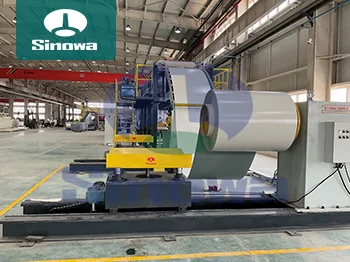
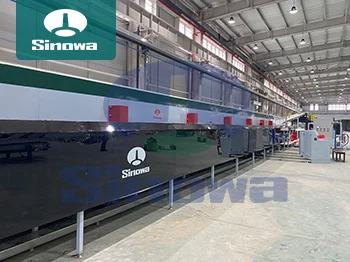
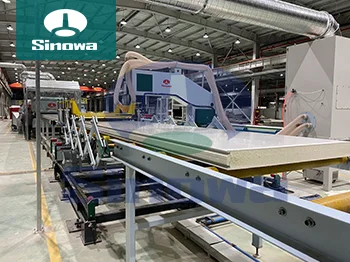
Sinowa is committed to the development and manufacturing of high-end and high-efficiency continuous sandwich panel production line. Our continuous sandwich panel production line are leading the way in efficiency, automatic control, human-computer interaction, environmental protection and energy consumption. Using system integration and bus control technology, it realizes the automatic integrated linkage control of the entire continuous sandwich panel production line, and can achieve remote interactive communication, which has the world-class level and a comprehensive leading high-performance continuous sandwich panel production line in the market.
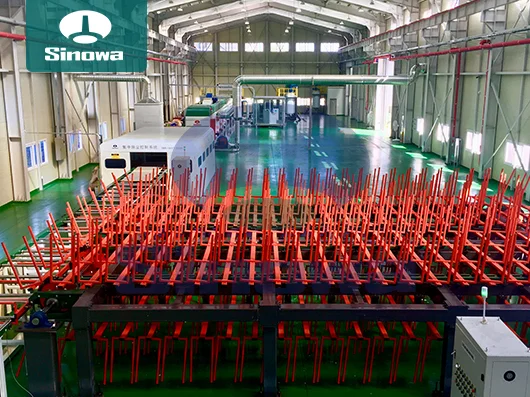
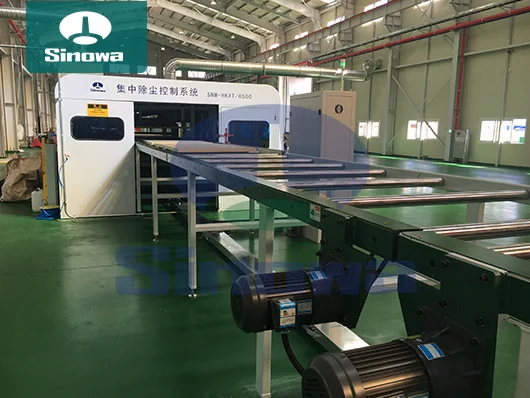
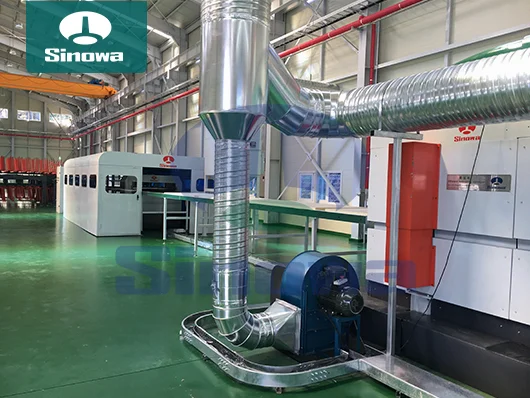
For more than ten years, relying on our innovative manufacturing concept and excellence in quality, reliable and trustworthy service to customers, we cooperate with customers all over the world, exported products to Canada, South Korea, Israel, Australia, the Middle East and other more than 20 countries and regions. contributed to building energy conservation and low-carbon production and have won widespread praise.
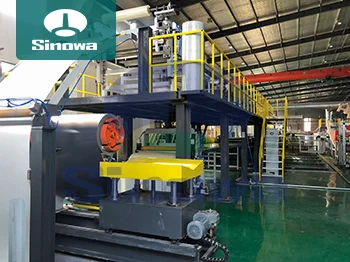
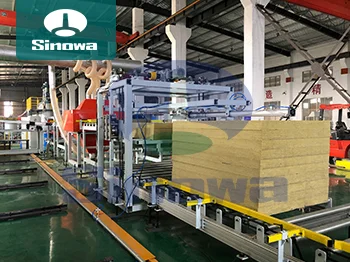
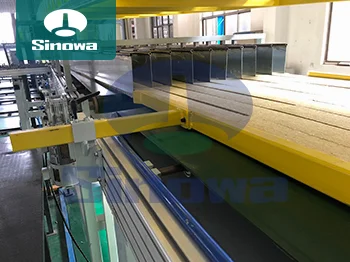
Sinowa has invested outstanding efforts in continuous sandwich panel production line, this is why our products are more efficiency, quality, automatic control technology, environmental protection, energy consumption indicators and the appearance and safety protection are comprehensively leading, some subversive design changes in many major technical points, these major innovations make our products excellent in price/performance and user experience.
The rapid expansion of cold chain logistics, food preservation industries, and low-temperature storage infrastructure has steadily increased the global demand for high-performance thermal insulation building materials. Among various insulation products, sandwich panels dedicated to cold room construction stand out due to their excellent thermal resistance, structural stability, and convenient installation characteristics. A continuous sandwich panel production line serves as the core manufacturing equipment for mass-producing such cold room panels, enabling uninterrupted integrated processing from raw material feeding to finished product stacking. This production mode effectively eliminates the inefficiencies of intermittent manufacturing processes and maintains consistent product quality for large-scale cold room engineering projects. The inherent attributes of cold room environments, including persistent low temperatures, high humidity, and strict airtightness requirements, impose rigorous technical standards on raw material selection, structural design, and production craftsmanship of sandwich panels, which further drives the continuous optimization and upgrading of continuous production lines.
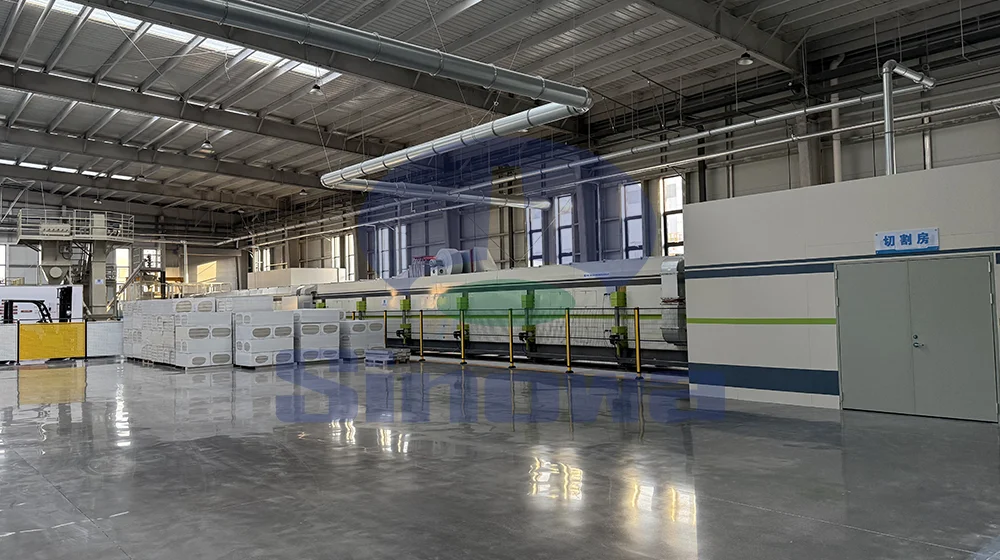
The overall structural composition of a continuous sandwich panel production line for cold rooms follows a logically sequential mechanical layout, covering raw material feeding systems, surface layer forming units, core material laying mechanisms, continuous glue spraying systems, composite pressing modules, curing and cooling sections, fixed-length cutting devices, conveying systems, and automatic stacking components. Each functional section operates in synchronized coordination under unified mechanical and electrical control, forming an uninterrupted production flow. Unlike discontinuous production equipment that requires manual transfer of semi-finished products between independent stations, the continuous production line integrates all processing links on one streamlined production platform. This integrated structure minimizes manual intervention, reduces intermediate material handling losses, and ensures that each panel undergoes standardized processing under stable mechanical conditions. The rational spatial arrangement of each unit also optimizes factory space utilization, making the production line adaptable to different industrial plant layouts and production scale planning.
Raw material feeding constitutes the initial and fundamental stage of the entire production process, directly determining the basic performance of finished cold room sandwich panels. The feeding system is divided into two independent modules for metal surface materials and thermal insulation core materials. For metal surface layers, roll-shaped metal sheets are fixed on unwinding racks with tension control structures. These structures maintain constant sheet tension during high-speed transportation to prevent wrinkles, deformation, and uneven stress distribution on metal surfaces. The metal sheets will pass through multiple sets of leveling rollers to eliminate internal stress generated during metal rolling, ensuring flat and smooth surface texture. In terms of core material feeding, the production line is compatible with multiple low-temperature insulation materials commonly used for cold rooms, including polyurethane foam, rock wool, glass wool, and extruded polystyrene. Bulk core materials are transported through automated conveying equipment, with auxiliary flattening and dense arrangement structures to ensure uniform thickness and consistent density of core material layers. This standardized feeding method avoids the uneven thermal insulation performance caused by manual material laying, laying a solid foundation for the low-temperature resistance of cold room panels.
Surface forming and glue application processes are critical links to enhance the structural durability and bonding performance of sandwich panels. After leveling, metal sheets enter the rolling forming unit, where customized roller sets carry out continuous cold bending molding. According to the structural requirements of cold room panels, the rollers stamp specific grooves, reinforcing ribs, and edge sealing structures on metal surfaces. These structural designs improve the overall mechanical strength of panels and enhance the airtightness and stability of panel assembly during cold room installation. The glue spraying system adopts a continuous quantitative coating mode, with evenly distributed spray nozzles to apply high-viscosity adhesive materials on the inner surfaces of upper and lower metal sheets. The spraying flow and coverage area are precisely controlled to ensure uniform glue distribution without excess accumulation or missing coating. The selected adhesives feature excellent low-temperature resistance and anti-aging properties, which can maintain stable bonding strength in long-term low-temperature and high-humidity cold room environments, preventing delamination between metal layers and core insulation layers. The synchronous operation of forming and glue application ensures seamless connection between processes and improves the compactness of subsequent composite bonding.
Composite pressing and constant-temperature curing sections represent the core functional areas that determine the comprehensive performance of cold room sandwich panels. After completing glue spraying and core material laying, semi-finished panels are sent to a continuous pressing machine composed of upper and lower parallel pressing roller groups. The pressing system maintains stable and uniform mechanical pressure throughout the operation process to closely bond metal sheets with insulation core materials and squeeze out residual air inside the panels. This compression treatment effectively reduces internal voids, enhances overall structural compactness, and optimizes thermal insulation performance. The inside of the pressing equipment is equipped with a constant-temperature circulation system to maintain a stable processing temperature, which accelerates the curing reaction of adhesives and ensures rapid formation of high bonding strength between layers. Following the pressing process, panels enter an extended curing and cooling channel. In this channel, graded temperature reduction is adopted to slowly lower the panel temperature, eliminating internal stress generated during high-temperature pressing and curing. The graded cooling method prevents panel deformation, warping, and surface cracks caused by rapid temperature changes, ensuring the flatness and dimensional stability of finished panels.
Fixed-length cutting and edge finishing processes endow cold room sandwich panels with standardized specifications and neat appearance. Equipped with an intelligent metering and cutting system, the production line can automatically set cutting lengths according to engineering usage requirements. High-speed cutting tools conduct smooth and burr-free cutting operations on continuously moving panels, with high cutting accuracy to guarantee consistent dimensional parameters of each finished panel. After cutting, edge trimming devices polish and process the panel edges to remove sharp burrs and irregular margins. For cold room panels requiring enhanced airtightness, the edge finishing unit can also process special sealing grooves at panel joints. These optimized edge structures enable seamless splicing between panels during cold room construction, reducing cold air leakage and improving the overall thermal insulation effect of the cold room. The automated cutting and finishing processes eliminate errors caused by manual measurement and cutting, realizing unified specifications of finished products and facilitating subsequent transportation and assembly.
The final stage of the production flow consists of intelligent conveying and automatic stacking systems. Finished panels are steadily transported to the stacking area through multi-group synchronous conveying rollers. The stacking device adopts a reasonable structural design to complete orderly stacking of panels through synchronous descending actions. Different from traditional manual stacking methods that are prone to offset and confusion, the automated stacking equipment ensures neat alignment of each panel layer, effectively avoiding surface scratches and edge collisions during stacking. Some production lines are equipped with dual-station stacking structures, enabling alternating material receiving and stacking between two stations. This design realizes uninterrupted panel collection, eliminates production stagnation caused by stacking waiting, and improves the overall continuous operation efficiency of the production line. Neatly stacked finished panels are convenient for subsequent packaging, handling, and storage, reducing damage probability during product turnover.
Compared with intermittent production equipment, continuous sandwich panel production lines have prominent advantages in adapting to cold room manufacturing needs in terms of production efficiency, product performance, and operational cost. In terms of production efficiency, the streamlined uninterrupted processing mode greatly shortens the single-panel production cycle, and the stable operating rhythm can maintain long-term high-load production, effectively meeting the large-scale material demand of cold chain infrastructure construction. In terms of product performance stability, all production parameters including feeding speed, pressing pressure, curing temperature, and cutting size are intelligently regulated. The standardized mechanical processing mode avoids performance fluctuations caused by human operational differences, ensuring that each batch of panels has consistent thermal conductivity, compressive strength, and bonding stability. In terms of operational cost control, the highly automated production structure reduces labor input in intermediate links. The precise quantitative control of raw materials lowers material waste rates, and the compact equipment layout reduces daily energy consumption, bringing better economic benefits to manufacturing enterprises.
Material compatibility is another key advantage of continuous sandwich panel production lines for cold room applications. The production line can switch between multiple insulation core materials according to different cold room temperature requirements. For medium and low-temperature cold rooms with conventional insulation needs, lightweight polyurethane foam materials are applicable, featuring low thermal conductivity and excellent heat preservation effects. For cold storage environments with high fire resistance standards, rock wool and glass wool core materials can be selected. The mechanical structure of the production line can be slightly adjusted to adapt to core materials with different densities and hardness, realizing flexible switching of production formulas. Meanwhile, the metal surface layers can choose different thicknesses and surface treatment processes to adapt to corrosive environments such as frozen food processing and chemical low-temperature storage. This wide material compatibility enables a single production line to meet the diversified manufacturing needs of various cold room panels, improving equipment utilization and expanding the application scope of products.
In actual industrial production, the stable operation of continuous sandwich panel production lines relies on scientific daily maintenance and parameter optimization management. The transmission components such as conveying rollers and pressing chains need regular lubrication and wear inspection to maintain smooth mechanical operation and avoid jitter or deviation during panel transportation. The glue spraying system requires daily cleaning of nozzles and circulation pipelines to prevent adhesive solidification from blocking pipelines and affecting spraying uniformity. The temperature control modules in curing and cooling areas need regular calibration of temperature sensors to ensure accurate internal temperature control and stable adhesive curing effects. In addition, production technicians need to adjust operating parameters such as feeding speed and pressing pressure according to raw material batches and ambient temperature changes, so as to adapt to subtle performance differences of raw materials and always maintain excellent finished product quality. Standardized maintenance management effectively extends the service life of production equipment and reduces unexpected downtime losses.
With the continuous upgrading of cold chain industry standards and the increasing emphasis on energy conservation and emission reduction in the construction field, continuous sandwich panel production lines for cold rooms are evolving toward higher intelligence, lower energy consumption, and stronger environmental adaptability. Modern production lines are gradually equipped with real-time monitoring systems, which collect operating data of each unit through sensing devices. The system automatically identifies abnormal parameters such as excessive equipment vibration and uneven glue spraying, and triggers early warning prompts to assist technicians in troubleshooting in a timely manner. In terms of energy saving optimization, the circulating water cooling system and waste heat recovery structure are applied to reduce energy consumption in the curing and cooling processes. Meanwhile, the production process continuously optimizes the bonding formula and mechanical structure to reduce the use of chemical additives, making finished panels more environmentally friendly and harmless, and complying with the green construction requirements of modern cold storage buildings.
In conclusion, the continuous sandwich panel production line is an indispensable core facility in the cold room building material manufacturing industry. It integrates multiple complex processing procedures into one streamlined production system, realizing efficient, standardized, and low-cost manufacturing of cold room-specific sandwich panels. Through precise mechanical control, reasonable structural layout, and diversified material compatibility, the production line stably outputs insulation panels with excellent low-temperature resistance, structural stability, and assembly convenience. These high-quality panels provide reliable material support for the construction of various cold storage facilities, ensuring the stable operation of low-temperature storage environments. Driven by the continuous development of cold chain logistics and low-temperature storage industries, continuous sandwich panel production lines will keep optimizing technological performance, continuously adapt to higher industry manufacturing standards, and make greater contributions to the upgrading and sustainable development of the global cold room construction field.
« Continuous Sandwich Panel Production Line For Cold Room » Update Date: 2026/5/8
- High-end Sandwich Panel Production Line
- PU Sandwich Panel Line For Construction
- High-quality Decorative Sandwich Panel Line
- Sandwich Panel Production Machinery For Sale
- Cold Room Sandwich Panel Production Line
- Cold Storage Sandwich Panel Production Line In China
- Sandwich Foam Panel Making Machine Price
- PU Sandwich Panel Making Machine Price
- Polyurethane Sandwich Panel Machinery For House
- Glass Wool Production Line Price
- Isolation PU Sandwich Panel Line Price
- High-tech PU Insulated Panel Production Line
- Polyurethane Sandwich Panel Production Line For Roof
- PU Insulation Board Production Line Supplier
- Cheap Glass Wool Sandwich Panel Machine
- Decorative PU Sandwich Panel Production Line For Sale
- PUF Panel Making Machine For Sale
- High Efficiency Glass Wool Sandwich Panel Line
- Cheap PUF Panel Manufacturing Machine
- Fully Automatic PU Sandwich Panel Production Line On Sales