
Sandwich Panel Production Machinery For Sale
Sinowa is a well-known manufacturer and technical service provider of high-end sandwich panel production machinery, learn more about sandwich panel production machinery for sale, please contact Sinowa's technical engineer, tell us what you need, we will contact you as soon as possible!
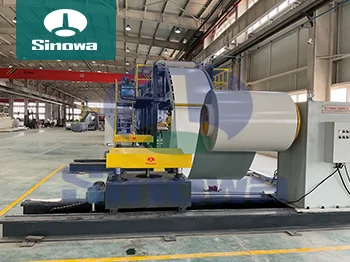
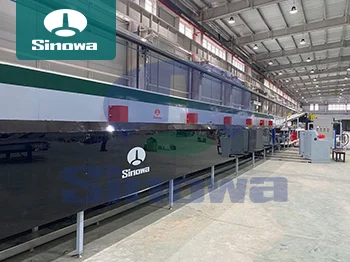
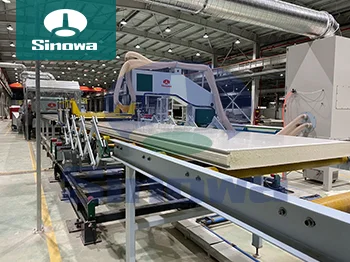
Sinowa is committed to the development and manufacturing of high-end and high-efficiency sandwich panel production machinery. Our sandwich panel production machinery are leading the way in efficiency, automatic control, human-computer interaction, environmental protection and energy consumption. Using system integration and bus control technology, it realizes the automatic integrated linkage control of the entire sandwich panel production machinery, and can achieve remote interactive communication, which has the world-class level and a comprehensive leading high-performance sandwich panel production machinery in the market.
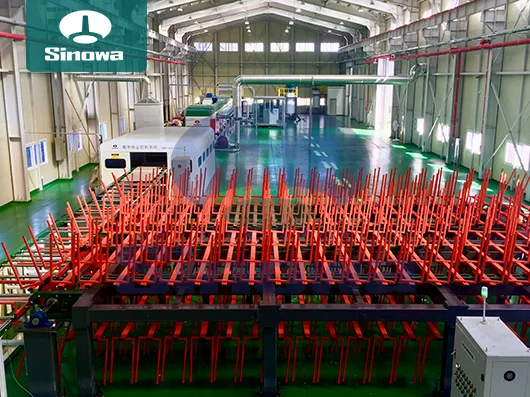
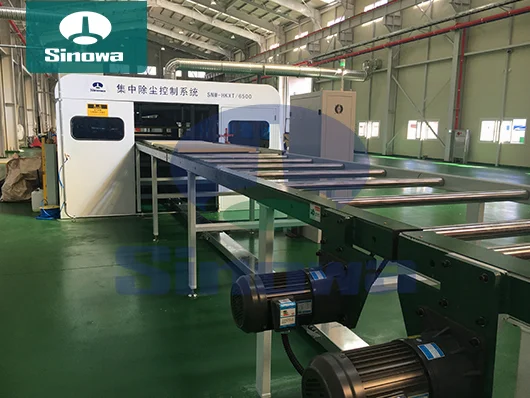
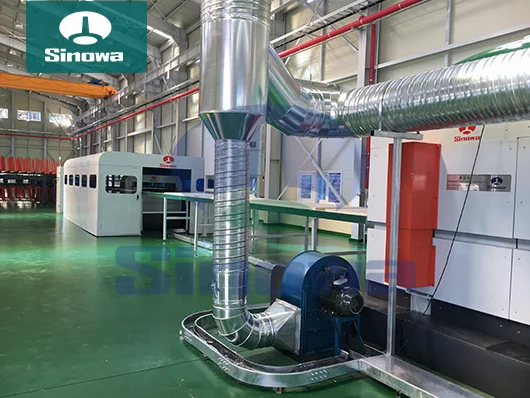
For more than ten years, relying on our innovative manufacturing concept and excellence in quality, reliable and trustworthy service to customers, we cooperate with customers all over the world, exported products to Canada, South Korea, Israel, Australia, the Middle East and other more than 20 countries and regions. contributed to building energy conservation and low-carbon production and have won widespread praise.
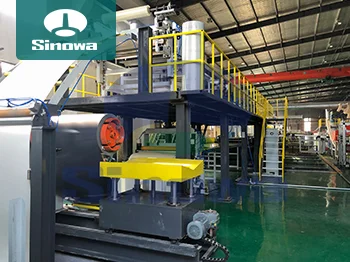
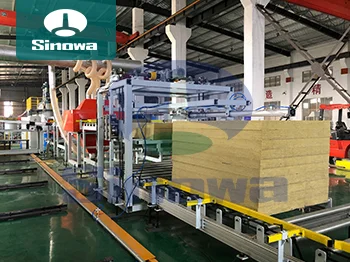
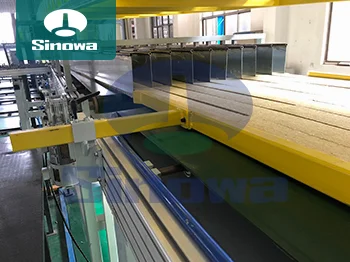
Sinowa has invested outstanding efforts in sandwich panel production machinery, this is why our products are more efficiency, quality, automatic control technology, environmental protection, energy consumption indicators and the appearance and safety protection are comprehensively leading, some subversive design changes in many major technical points, these major innovations make our products excellent in price/performance and user experience.
When exploring the market for sandwich panel production machinery for sale, buyers first need to understand the core purpose of this equipment and how it fits into broader manufacturing workflows. These machines are engineered to assemble layered composite panels by bonding different surface sheets to a central insulating core, creating finished building components that balance structural strength and thermal performance. Many prospective operators come from backgrounds in construction material fabrication, prefabricated building assembly, or specialized insulation product manufacturing, and they often begin their search by evaluating the basic production capacity that different machine configurations can deliver. A complete production line integrates multiple connected units, each handling a distinct stage of the forming process, from material feeding and continuous gluing to pressing, trimming, and final cutting. It is important for buyers to recognize that the overall output consistency relies heavily on the synchronization between these separate modules, as uneven feeding or inconsistent adhesive application can lead to flawed panels that fail to meet practical on-site usage demands. Operators also need to consider the types of raw materials they intend to process, since machinery built for lighter foam cores may not operate efficiently when paired with denser mineral-based core materials. Taking time to clarify long-term production goals before committing to a purchase helps avoid selecting equipment that either falls short of future demand or carries unnecessary complexity for smaller-scale operations. Careful observation of how machines handle material waste during production is another useful point of assessment, as reduced scrap rates can steadily lower raw material costs over the full operational lifespan of the line.
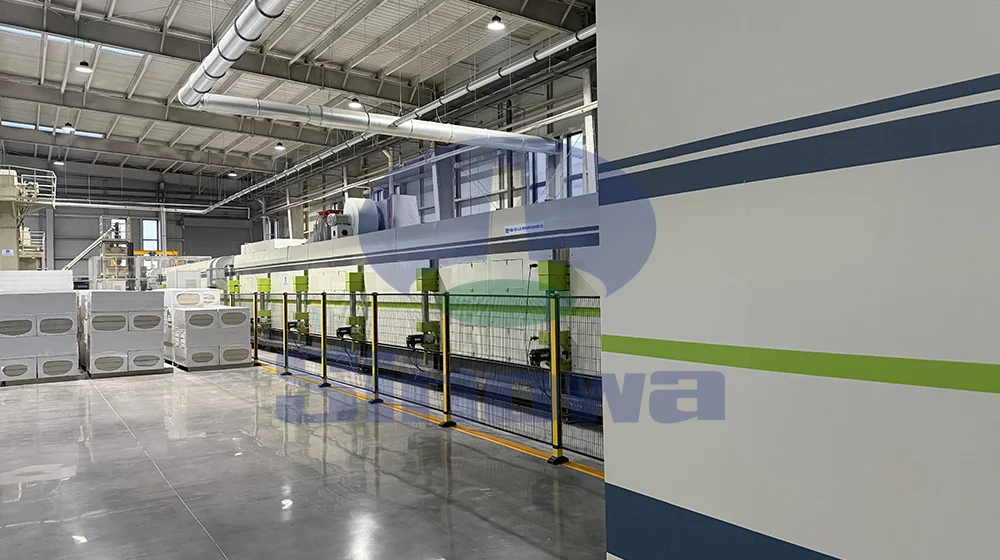
The physical design and mechanical build quality of sandwich panel production machinery shape its reliability during extended daily operation. Well-constructed frames and drive systems are built to withstand continuous cycling, vibration, and the steady pressure required to form uniform panels without warping or shifting layers. Moving components such as conveyor rollers, guiding rails, and cutting blades require stable alignment, and regular maintenance routines will keep these parts functioning accurately for years. Many available machine designs feature adjustable settings that allow operators to alter panel thickness, width, and surface profile without extensive reconfiguration, a feature that adds flexibility when responding to varied customer orders. When reviewing machinery for sale, it is wise to examine how easily worn parts can be accessed and replaced, because downtime for repairs directly impacts overall production schedules. Systems with sealed transmission parts can cut down on dust accumulation, which is a common challenge in environments where fine insulation particles circulate through the workshop space. Noise levels also deserve consideration, as prolonged high noise output affects working conditions for staff operating around the line. Buyers should compare the mechanical layout of different offerings to see which setup fits best within their available workshop footprint, accounting for space needed for raw material storage, finished panel stacking, and safe movement of personnel around the production zone.
Automation levels represent one of the most significant variables among sandwich panel production machinery listed for sale, and this factor directly influences labor requirements and product uniformity. Basic semi-automatic lines rely on workers to manage several material transfer and quality check steps, making them suitable for businesses with moderate order volumes and limited upfront investment budgets. More advanced automated systems incorporate digital control interfaces that let operators set production parameters and monitor real-time running data from a central station. These controls can regulate adhesive flow, line speed, and cutting dimensions automatically, minimizing human error and helping every finished panel match the predefined specifications. Automated lines often include integrated safety sensors that pause operation if irregularities are detected, protecting both the machine itself and the people working nearby. While higher automation reduces the number of on-site operators needed, it also means the team will require targeted training to understand control logic, troubleshoot minor alerts, and carry out routine calibration. Prospective buyers need to weigh the trade-off between initial investment and long-term savings on labor, as well as the availability of technical support to keep electronic control systems functioning properly. Choosing an automation level that matches the skill base of the existing workforce prevents situations where capable equipment sits underutilized because staff cannot operate its full range of functions.
Material compatibility is a critical consideration for anyone reviewing sandwich panel production machinery for sale, because not all lines are engineered to work with every combination of facing sheet and inner core. Common facing materials include thin metal sheets and other rigid covering materials, while core options span lightweight foam substrates and fibrous insulating materials. Each pairing has unique handling requirements; some cores are soft and prone to compression under excess pressure, while others are rigid and demand robust cutting mechanisms to achieve clean, straight edges. The gluing station of the machine must dispense bonding agent evenly and at a rate suited to the porosity of the core material, ensuring strong adhesion between layers without excess glue seepage that creates messy, defective panels. Some machinery can switch between different core types after simple adjustments, while other units are optimized for just one core variety and perform poorly when forced to process alternative materials. Buyers should map out the full range of products they plan to manufacture over time and confirm that the equipment they select can accommodate those materials without major retrofitting work. Testing sample materials on comparable equipment whenever possible provides practical insight into surface finish quality, bonding integrity, and processing speed before finalizing a purchase decision. Understanding material limits also helps set realistic expectations around finished panel quality and reduces the risk of costly trial runs after the machine is installed.
Installation, commissioning, and operator training services often accompany sandwich panel production machinery for sale, and these supporting elements are just as valuable as the hardware itself. Delivering the machine to a workshop is only the first step; proper installation requires leveling the frame, aligning all connected modules, connecting power supplies, and testing every individual station before full production begins. Commissioning checks verify that speed settings, pressure controls, and cutting systems work in harmony, and technicians will typically run test panels to identify fine tuning needs before handover. Training covers daily startup and shutdown procedures, standard inspection checks, proper cleaning methods, and protocols for responding to common operational issues. Teams that receive thorough training are far more capable of maintaining consistent output and identifying small mechanical issues before they escalate into major breakdowns. It is helpful for buyers to confirm the scope of support available after delivery, including whether guidance is offered remotely for troubleshooting once the installation team leaves. Clear communication with the equipment supplier about workshop preparation requirements ahead of delivery can streamline the whole setup process, ensuring power layouts, floor strength, and ventilation are ready to support the line upon arrival. Skipping careful commissioning can lead to inconsistent panel quality and shorter service life for key machine components, undermining the value of the investment.
Ongoing maintenance and spare part availability heavily influence the long-term value of sandwich panel production machinery available for sale. Even sturdily built equipment requires scheduled maintenance to preserve accuracy and extend service life, including lubrication of moving parts, cleaning of glue application nozzles, sharpening or replacement of cutting tools, and inspection of belts and seals. Over time, certain components will wear out from constant friction and contact with raw materials, making reliable access to replacement parts essential for minimizing production stoppages. Some suppliers maintain stock of commonly replaced parts and can arrange dispatch quickly, while others require longer lead times to source components. Buyers should ask about the expected service interval for high-wear items and establish a spare part stocking plan that fits their production schedule. Keeping basic replacement parts on hand at the workshop can drastically reduce downtime when a part fails unexpectedly. Maintenance records also help track equipment performance trends, revealing patterns such as accelerated wear when running specific raw materials or operating continuously at maximum line speed. Establishing a structured maintenance schedule from the day the machine starts operating protects the investment and keeps output stable for years of continuous use.
Evaluating output flexibility and market adaptability helps buyers select sandwich panel production machinery for sale that can grow alongside changing market demands. Customer orders for sandwich panels frequently vary in size, surface finish, and intended application, so machinery that supports adjustable parameters makes it easier to serve diverse client groups. A line that can produce panels for different enclosure and building applications gives operators the ability to shift focus between market segments when demand for one product slows. Flexibility also extends to finished panel modifications, such as notching or edge profiling, which some integrated systems can complete within the production flow rather than requiring secondary off-line processing. Operators with flexible equipment can respond faster to custom orders, which is a strong advantage in competitive material supply markets. At the same time, buyers should avoid overinvesting in features they will never use, as overly complex systems add maintenance burden and raise the difficulty of day-to-day operation. Balancing flexibility with practical operational needs creates a setup that can capture new business opportunities without introducing unnecessary complications. Reviewing the adjustability range of each machine option and speaking with experienced operators about real-world use cases provides grounded perspective on which functional features deliver meaningful commercial benefits.
When the decision-making process nears completion for purchasing sandwich panel production machinery for sale, buyers should focus on total operational performance rather than judging the equipment based on a single feature alone. The best choice aligns production capacity, automation features, material compatibility, maintenance demands, and available technical support with the business’s current capacity and future growth roadmap. Taking time to observe similar lines in active operation, whenever feasible, reveals details about noise, dust management, panel finish quality, and operator workflow that product descriptions cannot fully convey. Planning the workshop layout, staffing plan, raw material supply chain, and finished product storage before machine arrival creates a smooth transition into production. Once installed, consistent operation, careful maintenance, and ongoing attention to product quality allow the machinery to become a reliable foundation for manufacturing composite panels. Every investment in this type of production equipment carries long-term implications for a material business, so thoughtful, thorough assessment leads to decisions that support stable output and sustainable commercial progress over many years of manufacturing activity. This approach ensures that the machinery selected does not merely meet immediate production needs but remains a productive asset as market conditions and order requirements evolve in the years ahead.
« Sandwich Panel Production Machinery For Sale » Update Date: 2026/10/26
Tags: Sandwich Panel Production Machinery , sandwich panel production machinery, sandwich panel production machinery manufacturer, sandwich panel production machinery supplier, sandwich panel production machinery for sale, customized sandwich panel production machinery, china sandwich panel production machinery
- Glass Wool Production Line Design
- Foam Sandwich Panel Machine On Sales
- Custom PUR Sandwich Panel Production Line
- High-tech Sandwich Wall Panel Production Line
- Low Price PIR Sandwich Panel Machine
- Customized Composite Panel Production Line
- Highly Intelligent PIR Sandwich Panel Production Line
- PIR Sandwich Panel Machine Price
- Cheap Foam Sandwich Panel Machine
- High Efficiency Polyurethane Insulation Panel Production Line
- Low Price Fully Automatic PU Sandwich Panel Machine
- High-tech Decorative PU Sandwich Panel Production Line
- Polyurethane Sandwich Panel Machinery Factory
- Low Price Composite Panel Production Line
- Fully Automatic Sandwich Panel Making Machine Manufacturer
- Isolation PU Sandwich Panel Line Factory
- Polyurethane Sandwich Panel Machine For Cold Storage
- Continuous Sandwich Panel Manufacturing Line Supplier
- Decorative PU Sandwich Panel Production Line Manufacturer
- Sandwich Wall Panel Production Line Supplier
- Links:
- Sandwich Panel Continuous Production Line
- Automatic and Continuous Sandwich Panel Production Line
- Cheap and Low Price Sandwich Panel Production Line
- China Sandwich Panel Production Line Factory
- Color Steel Sandwich Panel Production Line For Cold Storage
- Continuous Composite Foam Sandwich Panel Production Line
- Continuous Production Line For Rockwool and Mineral Wool Sandwich Panels
- Continuous PU Phenolic Insulation Panel Production Line
- Continuous PU PIR Sandwich Panel Production Line
- Continuous PUF PUR Sandwich Panel Production Line
- Continuous Sandwich Panel Production Line For Roof and Wall
- Customized and Design Sandwich Panel Production Line
- Decorative Sandwich Panel Production Line For Glass Wool Boards
- High Quality Sandwich Panel Production Line For Sale
- Polyurethane(PU) Sandwich Panel Production Line
- Sandwich Panel Production Line Manufacturer and Supplier
- Sandwich Panel Production Machinery and Equipment