
PU Insulation Board Production Line
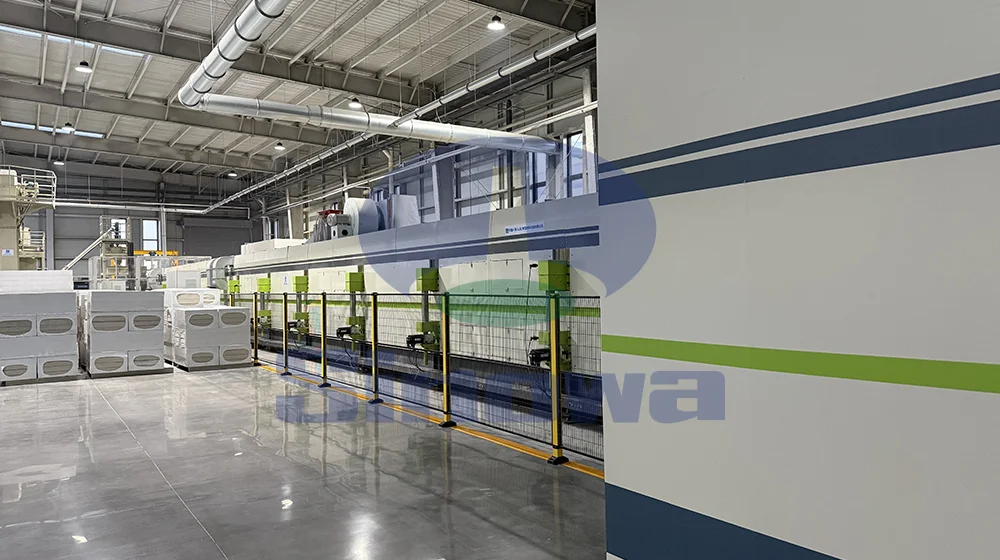
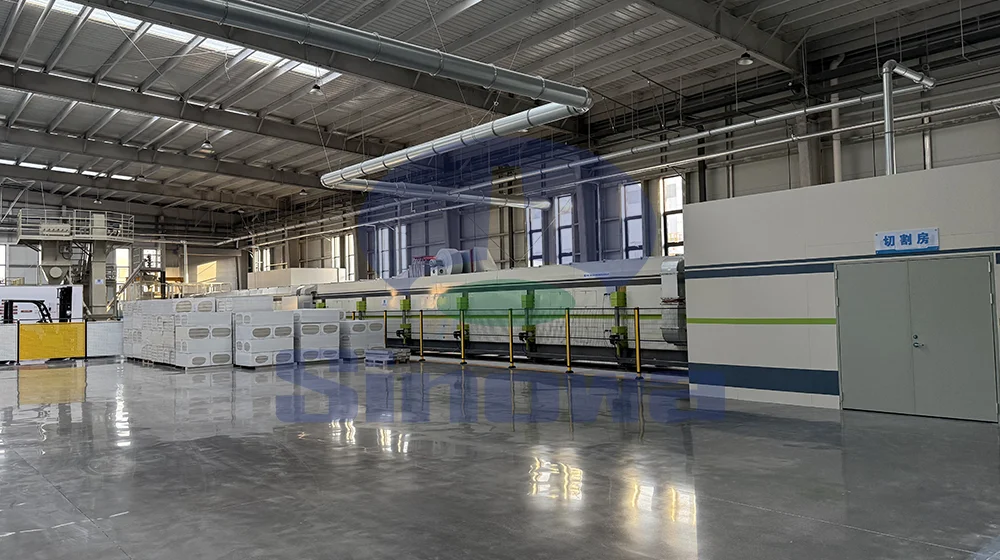
Sinowa is a pu insulation board production line supplier from china, customized high-quality & high efficiency pu insulation board production line at low price, the adoption of system integration technology and bus control technology accomplishes the full automatization of integrated and coordinated control of the pu insulation board production line with accessible remote interactive communication. Ranking the first-class level in the world, it is currently the pu insulation board production line in the market taking a comprehensive lead in high performance.
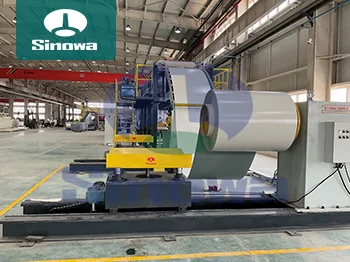
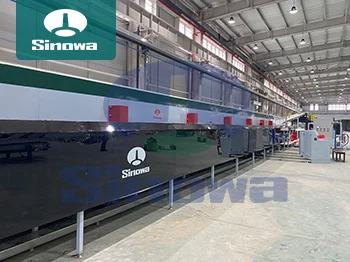
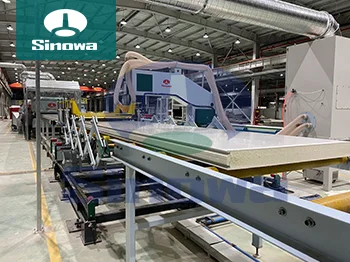
The high-tech pu insulation board production line can meet a variety of production needs of customers, the whole pu insulation board production line design concept of modularization enables all our components to be integrated and combined at will. Our high efficiency pu insulation board production line can easily automate the production of roof sandwich panel, wall sandwich panel, cold storage sandwich panel and other products by different combination and configuration selection and siple switching. The inner core layer can be polyrethane or rock wool, glass wool, an so on.


The high precision pu insulation board production line has high adaptability, which may produce various sandwich panel of the PU, PIR and rock wool systems. We may design various products according to the customer’s requirements, including various configurations, so as to meet their demands with flexible price system. Highly integrated and linked control system centralizes all control points at the main central center, achieving parameter linkage, fault self-diagnosis controlled by the whole line and shipping distance control. High-level automatic control system also saves the manpower and reduces the manpower loss for customers.


The precision servo hoisting mechanism employed by the main engine without hydraulic system makes the board thickness control flexible and the customer may conveniently change or adjust the board thickness. There will be not such troubles as hydraulic system adjustment, leakage, maintenance, etc.


High-level energy saving and protection design makes the whole pu insulation board production line possible to produce around the clock throughout the year and the customer will save huge budget. In addition, the isolated heat preservation room is constructed for warming the environment. The energy saving and protection design of our manufacturing line may guarantee that the customer’s production line may be freely heated and produce in the main time to save more costs for customers.


The high-power low-consumption design quickens the reaction of the cheap pu insulation board production line while energy consumption is kept low. With the brand-new, fully sealed inner insulation design, the energy consumption is controlled at the minimum level to achieve the design objective of less than an hour for the insulation system to be activated from the room temperature above 5℃ to the production process temperature. The energy consumption is only 40% that of those similar products.
In the global pursuit of energy efficiency and sustainable construction, polyurethane (PU) insulation boards have emerged as a pivotal material, celebrated for their exceptional thermal resistance, lightweight properties, and structural integrity. Behind these high-performance boards lies a sophisticated and integrated manufacturing system: the PU insulation board production line. This complex assembly of machinery, processes, and control systems is engineered to transform raw materials into consistent, high-quality insulation products that meet the diverse needs of construction, cold chain logistics, and industrial applications.
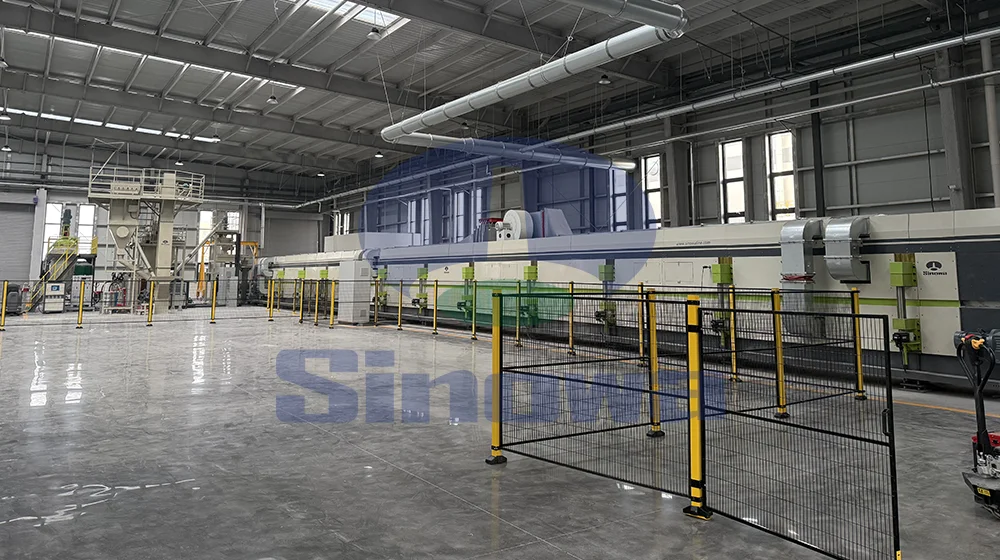
Core Components of a PU Insulation Board Production Line
A typical PU insulation board production line is a modular system composed of several interconnected units, each designed to perform specific functions in the manufacturing workflow. These components work in synergy to ensure efficiency, precision, and product uniformity. The key elements of the production line can be categorized into feeding systems, forming and foaming units, curing mechanisms, cutting systems, and finishing equipment.
Feeding and Uncoiling Systems
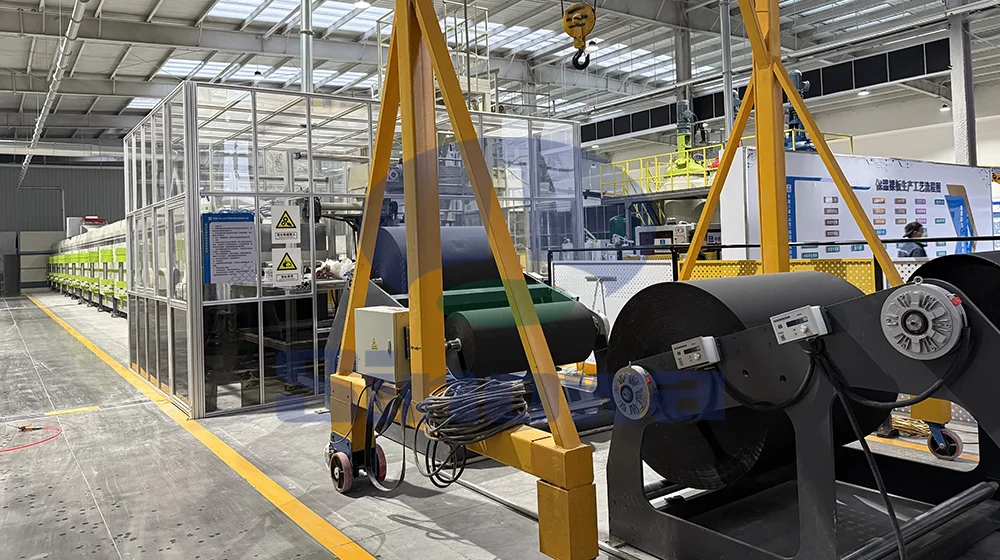
The foundation of the production process begins with the feeding system, which supplies the facing materials and core raw materials to the line. For sandwich-type PU insulation boards—one of the most common configurations—the facing materials typically include metal coils (such as galvanized steel or aluminum), aluminum foil, or non-woven fabrics. The uncoiling system, equipped with decoilers, is responsible for unwinding these coils smoothly and feeding them into subsequent processes. Modern uncoiling units are equipped with tension control devices to prevent material deformation, ensuring that the facing materials maintain consistent flatness and alignment throughout the production process.
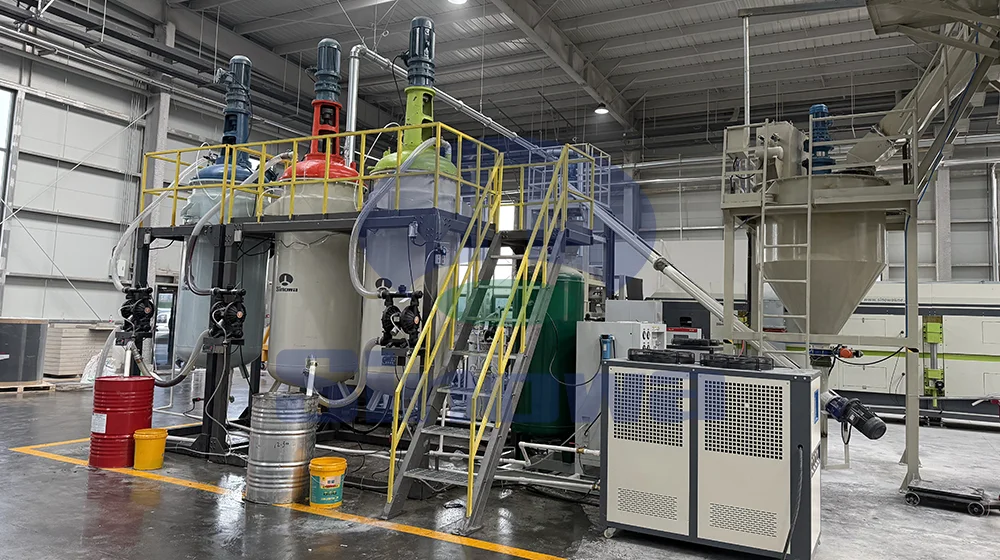
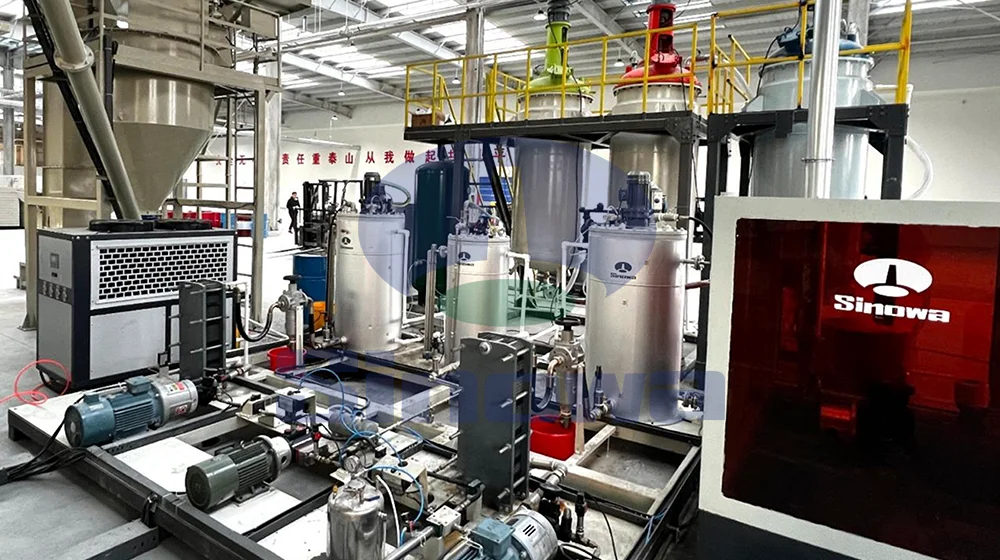
In addition to facing materials, the feeding system also includes reservoirs and delivery mechanisms for the PU foam raw materials: polyol and isocyanate, along with additives such as blowing agents, flame retardants, and catalysts. These raw materials are stored in temperature-controlled tanks to maintain their chemical stability, and precision metering pumps ensure that they are delivered in exact proportions— a critical factor in determining the properties of the final foam core.
Forming and Foaming Units
The forming and foaming units are the heart of the production line, where the core insulation material is created and bonded to the facing layers. This section consists of several key components: the roll forming machine (for metal facings), the foaming machine, and the lamination conveyor.
For metal-faced boards, the roll forming machine shapes the uncoiled metal sheets into the desired profile (such as corrugated or flat) through a series of precision rollers. This process not only enhances the structural rigidity of the facing material but also ensures a tight fit with the foam core. After forming, the facing materials are preheated to an optimal temperature—usually between 40°C and 60°C—to promote adhesion with the PU foam and accelerate the curing process.
The foaming machine is responsible for mixing the polyol, isocyanate, and additives, then dispensing the mixture onto the lower facing material. High-pressure mixing heads are typically used to ensure thorough homogenization of the raw materials, which is essential for creating a foam core with uniform density and thermal performance. The blowing agent within the mixture causes the liquid to expand, filling the space between the upper and lower facing materials. The lamination conveyor—often a double-belt system—then transports the assembly through a controlled environment, applying consistent pressure to ensure that the foam core bonds firmly with the facings and maintains the desired thickness.
Curing and Heating Systems
Curing is a critical stage in which the expanded foam solidifies and develops its final mechanical and thermal properties. The curing system typically consists of a heated chamber or a hot air circulation system integrated into the lamination conveyor. The temperature and residence time in the curing zone are carefully controlled: temperatures range from 60°C to 80°C, and the curing time varies depending on the board thickness and foam formulation, usually between 5 and 15 minutes.
For continuous production lines, the curing process is synchronized with the line speed to ensure consistent curing across all boards. In some advanced systems, infrared heating or microwave curing technologies are used to accelerate the process, reducing energy consumption and increasing production efficiency. Proper curing is essential to prevent foam shrinkage, improve bond strength between the core and facings, and ensure that the final board meets thermal resistance and structural requirements.
Cutting and Trimming Systems
Once the cured insulation board exits the lamination conveyor, it proceeds to the cutting and trimming systems, which shape the board into the desired dimensions. This section includes two main components: the side trimming machine and the length cutting machine.
The side trimming machine removes excess material from the edges of the board, ensuring uniform width and clean edges. This process is particularly important for ensuring that the boards can be easily joined during installation. The length cutting machine—equipped with high-precision saws (such as circular saws or band saws) or diamond wire cutters—cuts the continuous board into individual panels of specified lengths. Modern cutting systems use automatic tracking technology to ensure that cuts are straight and precise, even at high production speeds. Diamond wire cutters, in particular, offer advantages such as smooth cutting surfaces, minimal dust generation, and reduced material waste compared to traditional saws.
Finishing and Stacking Systems
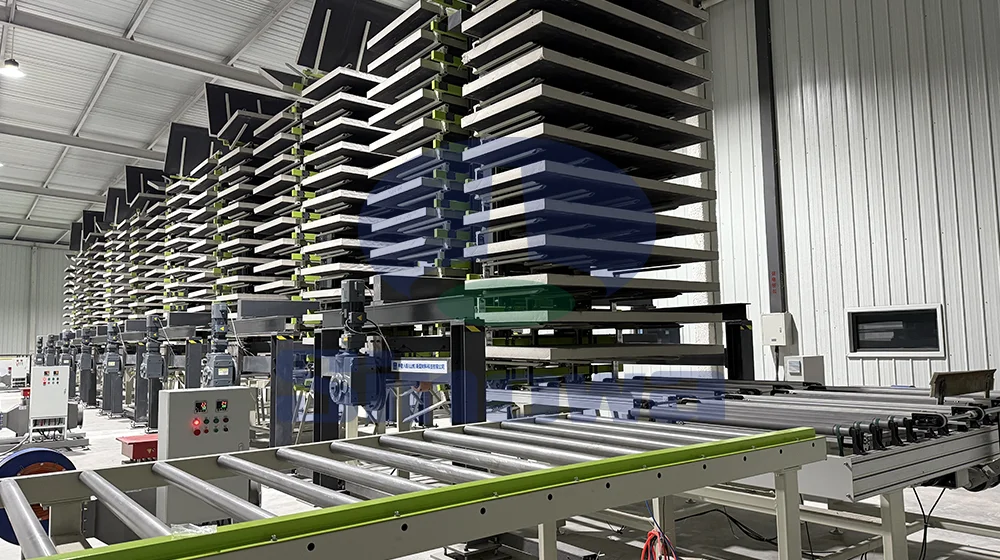
The final stage of the production line involves finishing processes and stacking. After cutting, the boards may undergo additional treatments such as surface laminating (to improve moisture resistance) or corona discharge treatment (to enhance surface adhesion for subsequent coatings). The stacking system—equipped with automated conveyors and robotic arms—then arranges the finished boards into neat piles, ready for packaging and shipment. Automated stacking not only reduces manual labor but also minimizes the risk of board damage during handling.
Operational Processes: From Raw Materials to Finished Products
The operation of a PU insulation board production line follows a sequential workflow, with each stage building on the previous one to ensure product quality and consistency. While the exact process may vary slightly depending on the type of board being produced (e.g., continuous vs. discontinuous, rigid vs. flexible facings), the core steps remain consistent.
Pre-Production Preparation
Before production begins, thorough preparation is essential to ensure smooth operation. This includes checking the quality of raw materials (polyol, isocyanate, facing materials, and additives), calibrating metering pumps to ensure accurate material ratios, and adjusting the roll forming machine to the desired profile. The curing chamber temperature is also preheated to the optimal level, and the conveyor speed is set according to the desired production rate and curing time.Facing Material Processing
The facing materials are first unwound from their coils using the decoiler, with tension controls ensuring smooth feeding. For metal facings, the uncoiled sheets pass through the roll forming machine, where they are shaped into the desired profile. The formed facings are then preheated to the optimal temperature to promote foam adhesion. For non-metal facings such as aluminum foil or non-woven fabrics, preheating may be skipped or adjusted to a lower temperature to prevent material damage.Foam Mixing and Application
Simultaneously, the PU foam raw materials are pumped from their storage tanks to the foaming machine. The metering pumps deliver the polyol, isocyanate, and additives in precise proportions, which are then mixed in the high-pressure mixing head. The homogeneous mixture is immediately dispensed onto the lower facing material, which is moving along the lamination conveyor. The upper facing material is then fed onto the foam mixture, creating a sandwich structure.Lamination and Curing
The sandwich structure enters the lamination conveyor, where the double belts apply consistent pressure to ensure that the foam fills the entire space between the facings and bonds firmly. As the assembly moves through the curing chamber, the foam expands and solidifies, driven by the heat and chemical reactions. The controlled temperature and pressure in the curing zone ensure that the foam core develops uniform density and thermal properties, with no voids or inconsistencies.Cutting, Trimming, and Finishing
After curing, the continuous board exits the lamination conveyor and proceeds to the side trimming machine, which removes excess material from the edges. The length cutting machine then cuts the board into individual panels of specified lengths. The finished panels may undergo additional finishing processes such as laminating or corona treatment, depending on the application requirements.Stacking and Packaging
The final panels are transported to the stacking system, where they are automatically arranged into piles. The stacked boards are then wrapped in plastic film or placed in cardboard boxes to protect them from moisture and damage during shipment. Quality control checks are performed at this stage to ensure that the finished products meet all specifications.
Technical Variations: Continuous vs. Discontinuous Production Lines
PU insulation board production lines are available in two main configurations: continuous and discontinuous (batch) lines. Each configuration has its own advantages and is suited to different production requirements and product types.
Continuous Production Lines
Continuous production lines are designed for high-volume manufacturing, with the entire process operating without interruption. These lines are ideal for producing standard-sized insulation boards with consistent properties, such as those used in large-scale construction projects or cold chain logistics.
Key features of continuous lines include high automation levels, fast production speeds (up to several meters per minute), and low labor requirements. The integration of automated control systems allows for real-time adjustment of process parameters (e.g., material ratios, temperature, conveyor speed), ensuring consistent product quality. Continuous lines typically produce boards with thicknesses ranging from 20mm to 150mm and widths up to 1200mm, with lengths customizable through the cutting system.
One of the main advantages of continuous production is its efficiency: the continuous workflow minimizes material waste and maximizes output. Additionally, the consistent curing environment ensures that the foam core has uniform density and thermal performance, leading to high-quality products. However, continuous lines require significant initial investment and are less flexible for producing custom-sized or specialty boards.
Discontinuous (Batch) Production Lines
Discontinuous production lines, also known as batch lines, are designed for low-volume or custom production. These lines operate in cycles, with each batch of boards being processed individually before the next batch begins. Discontinuous lines are ideal for producing specialty boards such as those with custom thicknesses, unique facing materials, or complex profiles, as well as for small-scale manufacturing or prototype production.
Key features of discontinuous lines include flexibility in product design, lower initial investment, and ease of adjustment for different product specifications. The batch process allows for precise control over each stage of production, making it suitable for producing high-performance boards with specific requirements (e.g., high flame resistance, low thermal conductivity). Discontinuous lines typically have a maximum board length of 12 meters and can produce boards with thicknesses ranging from 50mm to 250mm.
While discontinuous lines offer greater flexibility, they have lower production efficiency compared to continuous lines, with typical outputs of around 300 square meters per 8-hour shift. They also require more manual labor, as some processes (e.g., loading and unloading) may not be fully automated.
Quality Control Measures in PU Insulation Board Production
Ensuring consistent product quality is critical in PU insulation board production, as the performance of the boards directly impacts the energy efficiency and safety of the end application. Quality control measures are implemented throughout the production process, from raw material inspection to final product testing.
Raw Material Inspection
The first line of quality control is inspecting the raw materials. This includes testing the chemical composition of polyol and isocyanate to ensure they meet specifications, checking the thickness and flatness of facing materials, and verifying the effectiveness of additives (e.g., flame retardants, blowing agents). Raw materials that fail to meet quality standards are rejected to prevent defects in the final product.In-Process Quality Monitoring
During production, real-time monitoring of key process parameters is essential. This includes measuring the temperature and pressure in the curing chamber, checking the material ratios using flow meters, and monitoring the conveyor speed to ensure consistent curing time. Visual inspections are also performed to check for foam voids, uneven bonding between facings and core, and profile defects in the facing materials. Modern production lines are equipped with automated sensors and cameras that detect defects in real time, allowing for immediate adjustments to the process.Final Product Testing
After production, random samples of the finished boards are tested to verify their performance properties. Key tests include thermal conductivity (to ensure insulation efficiency), density (to check foam uniformity), bond strength (to verify core-facing adhesion), and flame resistance (to ensure safety). Dimensional accuracy is also checked, including board thickness, width, and length. Boards that fail any of these tests are rejected, and the production process is reviewed to identify and correct the root cause of the defect.
Applications and Market Drivers for PU Insulation Boards
PU insulation boards produced by these lines are used in a wide range of applications, driven by the growing demand for energy-efficient and sustainable building materials. The main application areas include construction, cold chain logistics, and industrial insulation.
Construction Industry
In the construction industry, PU insulation boards are used for exterior wall insulation, roof insulation, and floor insulation. Their exceptional thermal resistance helps reduce building energy consumption by minimizing heat transfer, making them a key component in meeting modern building energy efficiency standards. For example, many countries now require new buildings to achieve energy efficiency rates of 75% or higher, a goal that is difficult to achieve without high-performance insulation materials like PU. Additionally, PU insulation boards are lightweight, reducing the overall structural load of buildings, and have good moisture resistance, making them suitable for use in a variety of climates.Cold Chain Logistics
The cold chain logistics industry is another major consumer of PU insulation boards, using them in the construction of cold storage warehouses, refrigerated trucks, and shipping containers. The low thermal conductivity of PU foam ensures that these facilities maintain stable low temperatures, reducing energy consumption and preserving the quality of perishable goods such as food and pharmaceuticals. With the growth of the global food and pharmaceutical industries, the demand for cold chain infrastructure is increasing, driving the need for high-quality PU insulation boards.Industrial Insulation
In industrial settings, PU insulation boards are used to insulate pipes, tanks, and industrial equipment, helping to reduce heat loss and improve energy efficiency. They are also used in the construction of industrial buildings such as factories and warehouses, where thermal insulation is essential for maintaining comfortable working conditions and protecting equipment from temperature fluctuations.
Future Trends in PU Insulation Board Production Lines
The PU insulation board production line industry is evolving to meet the growing demand for sustainable, high-performance products. Several key trends are shaping the future of these production lines, including technological advancements, environmental sustainability, and automation.
Technological Advancements in Foam Formulation
One of the main trends is the development of more sustainable foam formulations. Traditional PU foam uses blowing agents that have a high global warming potential (GWP), such as hydrofluorocarbons (HFCs). However, recent advancements have led to the development of low-GWP blowing agents, such as hydrofluoroolefins (HFOs) and natural refrigerants like pentane. Production lines are being adapted to handle these new formulations, which require precise control of mixing ratios and curing conditions. Additionally, bio-based PU foam—made from renewable raw materials such as vegetable oils—is gaining traction, with production lines being modified to process these bio-based materials.Enhanced Automation and Digitalization
Automation and digitalization are also transforming PU insulation board production lines. Modern lines are increasingly equipped with advanced control systems that use artificial intelligence (AI) and machine learning to optimize process parameters in real time, improving product quality and reducing energy consumption. Digital twin technology—creating a virtual replica of the production line—allows manufacturers to simulate production processes, identify potential issues, and optimize performance without disrupting actual production. Additionally, the integration of Internet of Things (IoT) sensors enables remote monitoring and maintenance, reducing downtime and improving operational efficiency.Energy Efficiency and Environmental Sustainability
Energy efficiency is another key trend, with manufacturers focusing on reducing the energy consumption of production lines. This includes the use of energy-efficient motors, heat recovery systems (to reuse waste heat from the curing process), and LED lighting. Additionally, efforts are being made to reduce material waste, such as through the use of precision cutting technologies and recycling systems for excess foam and facing materials.Customization and Flexibility
As the demand for custom-sized and specialty PU insulation boards grows, production lines are becoming more flexible. Discontinuous lines are being upgraded to handle a wider range of product specifications, while continuous lines are being modified to allow for quick changeovers between different board sizes and profiles. This flexibility enables manufacturers to meet the diverse needs of their customers, from large-scale construction projects to small-scale custom applications.
Conclusion
The PU insulation board production line is a sophisticated and essential manufacturing system that plays a critical role in meeting the global demand for energy-efficient and sustainable insulation materials. From the feeding of raw materials to the stacking of finished products, each component and process is designed to ensure product quality, consistency, and efficiency. With the growing focus on environmental sustainability and energy efficiency, the industry is evolving, with advancements in foam formulation, automation, and digitalization driving the development of more efficient and sustainable production lines.
As building energy efficiency standards become more stringent and the demand for cold chain infrastructure grows, the importance of PU insulation board production lines will only continue to increase. By embracing new technologies and sustainable practices, manufacturers can ensure that these production lines remain at the forefront of the global effort to reduce energy consumption and mitigate climate change.
« PU Insulation Board Production Line » Update Date: 2026/1/12
URL: https://www.sinowamachine.com/tags/pu-insulation-board-production-line.html
![High-tech PU Insulation Board Production Line]()
High-tech PU Insulation Board Production Line
2026-01-12In the context of global emphasis on energy conservation and environmental protection, the demand for high-performance insulation materials in the construction, refrigeration, and transportation industries has surged dramatically. Among these materials, polyurethane (PU) insulation boards stand out d…
- Links:
- Sandwich Panel Continuous Production Line
- Automatic and Continuous Sandwich Panel Production Line
- Cheap and Low Price Sandwich Panel Production Line
- China Sandwich Panel Production Line Factory
- Color Steel Sandwich Panel Production Line For Cold Storage
- Continuous Composite Foam Sandwich Panel Production Line
- Continuous Production Line For Rockwool and Mineral Wool Sandwich Panels
- Continuous PU Phenolic Insulation Panel Production Line
- Continuous PU PIR Sandwich Panel Production Line
- Continuous PUF PUR Sandwich Panel Production Line
- Continuous Sandwich Panel Production Line For Roof and Wall
- Customized and Design Sandwich Panel Production Line
- Decorative Sandwich Panel Production Line For Glass Wool Boards
- High Quality Sandwich Panel Production Line For Sale
- Polyurethane(PU) Sandwich Panel Production Line
- Sandwich Panel Production Line Manufacturer and Supplier
- Sandwich Panel Production Machinery and Equipment