
Sandwich Panel Manufacturing Line
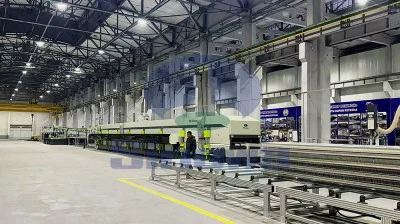
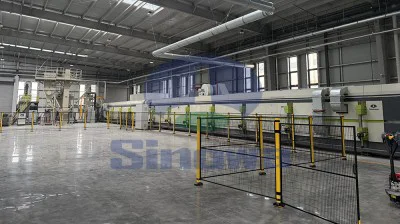
Sinowa is a sandwich panel manufacturing line supplier from china, customized high-quality & high efficiency sandwich panel manufacturing line at low price, the adoption of system integration technology and bus control technology accomplishes the full automatization of integrated and coordinated control of the sandwich panel manufacturing line with accessible remote interactive communication. Ranking the first-class level in the world, it is currently the sandwich panel manufacturing line in the market taking a comprehensive lead in high performance.
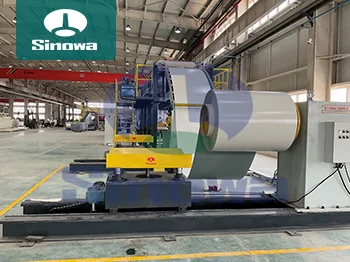
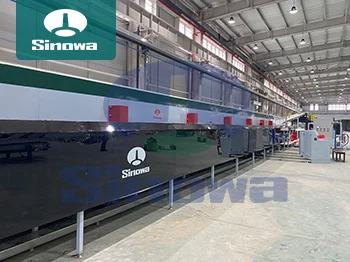
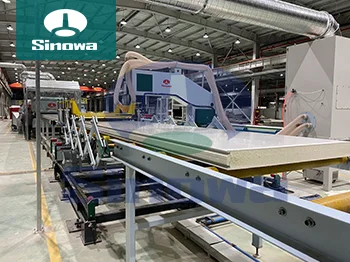
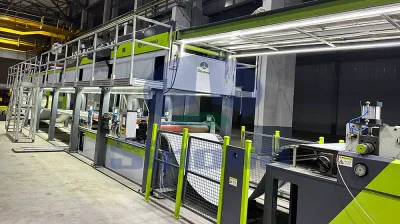
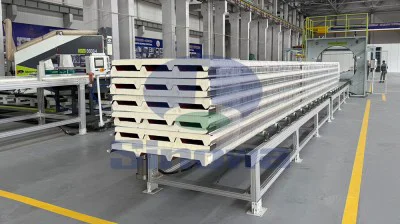
The high-tech sandwich panel manufacturing line can meet a variety of production needs of customers, the whole sandwich panel manufacturing line design concept of modularization enables all our components to be integrated and combined at will. Our high efficiency sandwich panel manufacturing line can easily automate the production of roof sandwich panel, wall sandwich panel, cold storage sandwich panel and other products by different combination and configuration selection and siple switching. The inner core layer can be polyrethane or rock wool, glass wool, an so on.


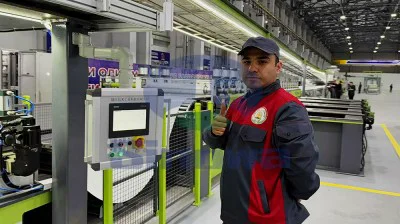
The high precision sandwich panel manufacturing line has high adaptability, which may produce various sandwich panel of the PU, PIR and rock wool systems. We may design various products according to the customer’s requirements, including various configurations, so as to meet their demands with flexible price system. Highly integrated and linked control system centralizes all control points at the main central center, achieving parameter linkage, fault self-diagnosis controlled by the whole line and shipping distance control. High-level automatic control system also saves the manpower and reduces the manpower loss for customers.


The precision servo hoisting mechanism employed by the main engine without hydraulic system makes the board thickness control flexible and the customer may conveniently change or adjust the board thickness. There will be not such troubles as hydraulic system adjustment, leakage, maintenance, etc.


High-level energy saving and protection design makes the whole sandwich panel manufacturing line possible to produce around the clock throughout the year and the customer will save huge budget. In addition, the isolated heat preservation room is constructed for warming the environment. The energy saving and protection design of our manufacturing line may guarantee that the customer’s production line may be freely heated and produce in the main time to save more costs for customers.


The high-power low-consumption design quickens the reaction of the cheap sandwich panel manufacturing line while energy consumption is kept low. With the brand-new, fully sealed inner insulation design, the energy consumption is controlled at the minimum level to achieve the design objective of less than an hour for the insulation system to be activated from the room temperature above 5℃ to the production process temperature. The energy consumption is only 40% that of those similar products.
Sandwich panel manufacturing lines represent the backbone of modern composite material production, enabling the mass fabrication of panels that balance structural efficiency with functional versatility. These automated systems are engineered to transform raw materials into layered composite panels, which consist of two outer facings bonded to a core material. The integration of mechanical precision, material science, and process control within these lines ensures consistent quality, high productivity, and adaptability to diverse industry requirements. As demand grows for lightweight, energy-efficient, and durable building and industrial materials, the design and performance of sandwich panel manufacturing lines have evolved significantly, with specialized configurations tailored to different core materials, facing types, and end-use applications.
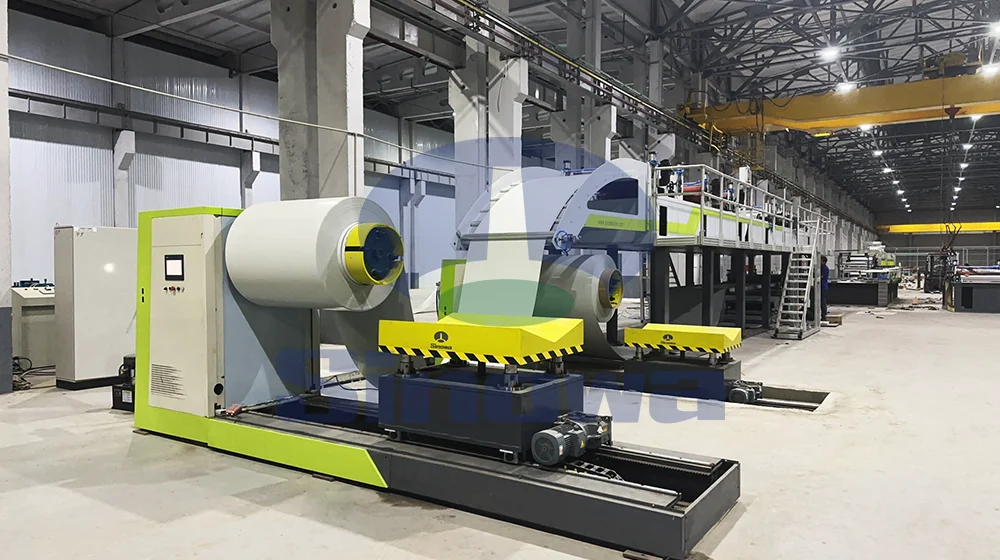
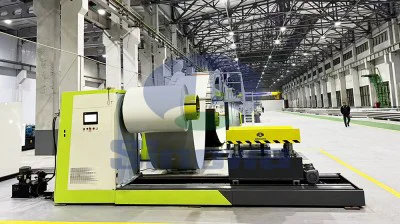
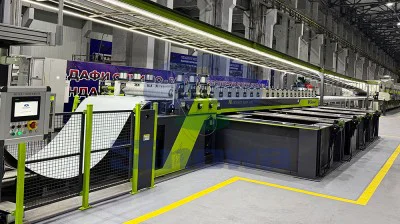
At the core of every sandwich panel manufacturing line is a modular, sequential structure designed to streamline the conversion of raw inputs into finished panels. The layout typically follows a linear workflow, starting with coil handling and preparation, moving through core processing and composite bonding, and concluding with curing, cutting, and finishing. While variations exist based on the type of panel being produced, the fundamental architecture remains consistent across most systems, ensuring scalability and ease of integration for different production volumes. The first section of the line is dedicated to facing material preparation, a critical stage that directly impacts the structural integrity and surface quality of the final product. This area includes uncoilers, which hold and feed metal coils—such as color-coated steel, aluminum, or stainless steel—into the line. Automatic joining machines connect consecutive coils to enable uninterrupted production, while levelers and de-coilers ensure the metal sheets are flat and free from tension before further processing. For applications requiring enhanced adhesion, corona treatment units or primer application systems may be integrated here, modifying the surface chemistry of the facings to create a stronger bond with the core material. Following preparation, the facings enter the roll-forming section, where precision roll formers shape the metal into specific profiles, such as trapezoidal, corrugated, or hidden-joint designs. These profiles are engineered to enhance the panel’s mechanical strength, allowing for larger span widths and improved load-bearing capacity. Edge formers and micro-ribbing stations further refine the panel’s edges and surface, ensuring compatibility with installation systems and resistance to environmental stressors.
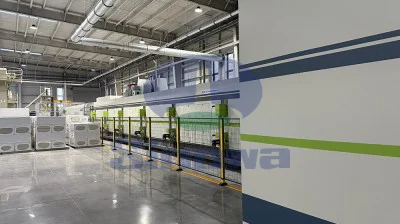
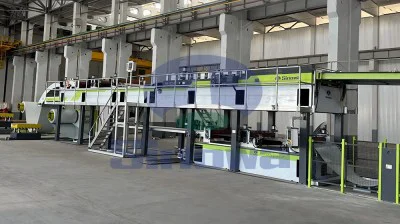
The central processing section is the heart of the manufacturing line, where the core material is integrated with the prepared facings to form the composite structure. This area varies most significantly between different types of production lines, as it is tailored to the unique properties of the core material—whether it is a rigid foam, mineral fiber, or cellular structure. For foam-based cores such as polyurethane (PU) or polyisocyanurate (PIR), this section features a high-pressure foaming system, which is responsible for mixing isocyanate and polyol resins at precise ratios, temperatures, and pressures. The foaming system includes metering units, temperature control modules, and high-pressure mixing heads that ensure the chemical reaction is consistent, producing a foam with uniform density and closed-cell structure. The foam is then injected into the gap between the two moving facings as they pass through a foaming portal, where it expands and adheres to both surfaces. For mineral wool or glass wool cores, the central section is equipped with a mineral wool processing module, which includes cutting systems to trim the wool into lamellae or trapezoidal shapes, automated glue application stations, and positioning mechanisms that place the wool core accurately onto the lower facing. Dustless cutting systems are often incorporated here to minimize waste and maintain a clean production environment, critical for ensuring the structural integrity of the panel and the health of operators. In both foam and fiber core lines, a double belt press (DBP) serves as the key component for consolidating the composite structure. The DBP consists of two parallel, independently heated conveyor belts that apply consistent pressure and temperature to the panel as it moves through the press. This controlled environment allows the foam to cure fully or the adhesive to bond securely, ensuring the panel’s flatness, dimensional stability, and resistance to delamination. The length of the DBP is directly linked to production speed, as it determines the time available for curing or bonding at line speeds that can range from 6 to 16 meters per minute.
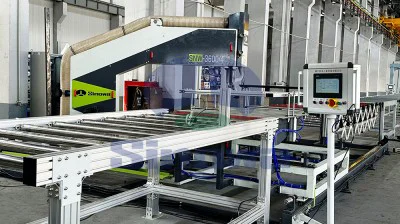
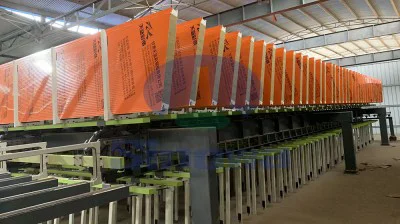
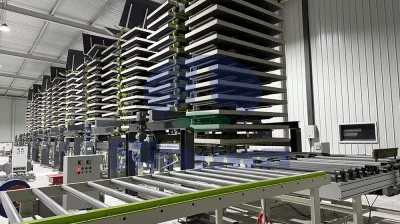
Following the composite bonding stage, the finished panel moves into the outfeed section, where it undergoes final processing to meet specific dimensional and quality requirements. The first step in this section is on-the-fly cutting, where flying saws or band saws equipped with 180-degree rotating mechanisms cut the continuous panel into precise lengths without stopping the production line. This feature is particularly important for producing short panels efficiently at high line speeds. For foam-core panels, a cooling station is integrated here to allow the foam to cool gradually, reducing internal stress and preventing warping. The cooled panels then proceed to finishing stations, which may include milling units to refine edges, grooving systems for tongue-and-groove joints (common in cold storage panels), or surface inspection systems to detect defects such as bulging, delamination, or surface scratches. Handling systems, including vacuum suction cup spreaders and turning stations, transport the panels safely to the stacking and packaging area, minimizing damage to the surfaces and edges. Automated stacking machines arrange the panels into bundles, which are then wrapped in protective film or packaging materials to prevent damage during transportation and storage. The entire production process is monitored and controlled by a centralized intelligent control system, which features a human-machine interface (HMI) for real-time adjustments, process data acquisition, and performance analysis. This system ensures that all parameters—such as line speed, glue application rate, foam density, and press temperature—are maintained within optimal ranges, enabling quick product changes and consistent quality across production runs.
The performance of a sandwich panel manufacturing line is defined by a set of key characteristics that determine its efficiency, flexibility, and ability to produce high-quality panels. These performance metrics are closely linked to the line’s design, component quality, and automation level, and they vary significantly between specialized configurations. One of the most critical performance indicators is production efficiency, which encompasses both line speed and annual output. Modern continuous production lines can achieve speeds of up to 15 meters per minute, with annual output capacities ranging from 1.3 to 2 million square meters of panels. This high productivity is enabled by uninterrupted material flow, automated processes, and quick changeover systems that allow for switching between panel types or dimensions in minutes. Another key performance characteristic is dimensional accuracy, which is essential for ensuring the panels fit together seamlessly during installation. Precision components such as high-flatness positioning platforms, automated core placement systems, and computer-controlled cutting machines ensure that panel thickness, length, and width meet tight tolerances. For example, embedded parts in specialized panels can be positioned with an accuracy of 0.2 millimeters, while panel thickness can be controlled within a range of 30 to 200 millimeters as standard. This level of accuracy is particularly important for applications such as modular buildings, refrigerated trucks, and clean rooms, where precise fits are critical for performance.
Material compatibility and flexibility are also defining performance features of modern manufacturing lines. Advanced lines are designed to handle a wide range of facing materials, including color-coated steel, aluminum, stainless steel, fiberglass-reinforced plastic (FRP), and even flexible facings like aluminum foil or kraft paper. This flexibility extends to core materials, with specialized lines capable of processing PU/PIR, mineral wool, glass wool, expanded polystyrene (EPS), extruded polystyrene (XPS), and even aerogel or cellular cores. The ability to switch between core materials or combine different facing and core combinations allows manufacturers to serve diverse market needs without investing in multiple production lines. For example, a single line with modular core processing units can produce both PU-insulated panels for cold storage and mineral wool panels for fire-resistant building envelopes. Adhesive application systems further enhance material flexibility, with programmable glue dispensers that can adjust the type of adhesive, application thickness, and pattern based on the materials being bonded. This ensures optimal adhesion between dissimilar materials, such as FRP facings and mineral wool cores, which are commonly used in corrosive environments.
Quality control and process stability are integral to the performance of sandwich panel manufacturing lines, as they directly impact the durability and functionality of the final product. Modern lines incorporate a range of in-line inspection systems, including vision cameras for surface defect detection, thickness gauges for real-time monitoring of panel dimensions, and density sensors for ensuring consistent core material properties. These systems feed data back to the central control system, which can make automatic adjustments to processes such as glue application or foam injection to correct deviations before they affect product quality. Process stability is further enhanced by modular component design, which allows for easy maintenance and replacement of parts, minimizing downtime. For example, high-pressure mixing heads in foam lines are designed for quick disassembly, enabling operators to clean or replace components without stopping the entire line. The use of durable, wear-resistant materials in critical components such as DBP belts and cutting blades also contributes to long-term process stability, reducing the frequency of maintenance and extending the line’s service life. Environmental performance is an increasingly important aspect of modern manufacturing lines, with designs that minimize energy consumption, waste generation, and emissions. Energy-efficient heating systems in the DBP, for example, reduce power usage while maintaining optimal curing temperatures, while dust collection systems in mineral wool lines prevent the release of fibers into the atmosphere. Additionally, the use of low-VOC adhesives and foam blowing agents aligns with global sustainability trends, ensuring that the panels produced meet environmental standards for indoor air quality and carbon footprint.
Sandwich panel manufacturing lines are classified primarily based on the type of core material they process, as this dictates the line’s core processing section, equipment configuration, and performance characteristics. The three most common classifications are PU/PIR sandwich panel lines, mineral wool (including rock wool and glass wool) sandwich panel lines, and EPS/XPS sandwich panel lines. Each type is engineered to optimize the production process for its specific core material, resulting in panels with distinct performance properties tailored to different applications. PU/PIR sandwich panel lines are designed for the production of panels with rigid foam cores, which are valued for their exceptional thermal insulation, lightweight, and structural strength. These lines feature a high-pressure foaming system as their central component, which mixes isocyanate and polyol resins to produce either PU or PIR foam. PU foam is known for its low thermal conductivity (0.022 to 0.035 W/m·K), closed-cell structure (up to 95% closed cells), and good adhesion to metal facings, making it ideal for applications requiring high thermal efficiency. PIR foam, a thermoset polymer, offers enhanced fire resistance and higher thermal stability compared to PU, making it suitable for high-temperature environments or applications with strict fire safety requirements. PU/PIR lines typically include a cooling station after the DBP to ensure the foam cures fully, and they can produce panels with thicknesses ranging from 20 to 300 millimeters, with foam densities between 35 and 42 kg/m³. These lines are highly versatile and can produce panels for a wide range of applications, from cold storage warehouses to residential building envelopes.
Mineral wool sandwich panel lines are specialized for the production of panels with fire-resistant, sound-absorbing fiber cores. The core processing section of these lines is designed to handle mineral wool boards, which are cut into the required shape and size before being bonded to metal facings. Rock wool, a common type of mineral wool, offers non-combustible properties, high-temperature resistance, and excellent sound insulation, with a single 100mm-thick panel capable of reducing noise by 30 to 40 decibels. Glass wool, another variant, is lighter and offers superior sound absorption, making it suitable for acoustic applications such as stadiums or office buildings. Mineral wool lines incorporate automated glue application systems that apply adhesive evenly to the fiber core, ensuring a strong bond with the metal facings without compromising the core’s porosity and sound-absorbing properties. Dustless cutting systems are a key feature of these lines, as they minimize the release of mineral wool fibers, which can be harmful if inhaled, and reduce waste material. The DBP in mineral wool lines operates at lower temperatures compared to foam lines, as the adhesive bonding process does not require the high heat needed for foam curing. These lines produce panels that are widely used in fire-resistant building partitions, industrial facilities, and public buildings where fire safety is a top priority.
EPS/XPS sandwich panel lines are designed for the production of panels with lightweight, cost-effective polystyrene cores. EPS, or expanded polystyrene, is a lightweight foam with good thermal insulation properties and low cost, making it ideal for temporary structures, modular buildings, and low-rise industrial warehouses. XPS, or extruded polystyrene, offers higher compressive strength and moisture resistance compared to EPS, making it suitable for applications such as foundation insulation or cold storage floors. The core processing section of these lines includes cutting machines that shape the EPS/XPS boards into the required dimensions, as well as adhesive application systems that bond the core to the metal facings. Unlike PU/PIR lines, EPS/XPS lines do not require a foaming system, as the core material is pre-manufactured and simply cut to size before integration with the facings. This simplifies the line’s design and reduces production costs, making EPS/XPS lines a cost-effective option for manufacturers targeting price-sensitive markets. Additionally, some EPS lines are capable of producing corrugated sandwich panels directly, eliminating the need for manual lamination after roll forming, which improves production efficiency. These lines produce panels that balance affordability with basic thermal insulation and structural performance, making them a popular choice for a wide range of general construction applications.
In addition to these three primary classifications, there are specialized sandwich panel manufacturing lines designed for niche applications, further expanding the versatility of sandwich panel production. These include clean room panel lines, which produce panels with smooth, non-porous surfaces and anti-static properties for use in pharmaceutical facilities, data centers, and electronic manufacturing plants. These lines incorporate additional finishing steps, such as antimicrobial coating application and strict surface inspection, to meet the stringent cleanliness requirements of these environments. Another specialized type is the refrigerated vehicle panel line, which produces lightweight, high-insulation panels for use in refrigerated trucks, trailers, and shipping containers. These lines feature high-flatness positioning platforms for embedding reinforcement materials, ensuring the panels can withstand the vibrations and structural stresses of transportation while maintaining their thermal integrity. Solar roof panel lines are also emerging as a specialized category, designed to produce panels with integrated mounting systems for solar photovoltaic (PV) modules, enabling the integration of renewable energy systems into building envelopes. These lines incorporate roll-forming stations that create ribbed profiles to support the weight of PV modules, as well as specialized bonding systems to ensure the panels can withstand outdoor environmental conditions such as wind, rain, and UV radiation.
The applications of sandwich panels produced by these manufacturing lines span nearly every sector of the global economy, driven by the panels’ unique combination of lightweight construction, thermal efficiency, structural strength, and design flexibility. The construction industry remains the largest consumer of sandwich panels, with applications ranging from industrial buildings to residential construction. In industrial and commercial construction, sandwich panels are widely used for building envelopes, including walls, roofs, and partitions, in factories, warehouses, exhibition centers, and airport terminals. Their lightweight nature reduces the need for heavy structural supports, enabling larger span widths and faster construction times compared to traditional building materials such as brick or concrete. For example, a large industrial warehouse can be enclosed using sandwich panels in a fraction of the time required for traditional construction, significantly reducing labor costs and project timelines. In these applications, mineral wool panels are often preferred for their fire resistance, while PU/PIR panels are chosen for their thermal insulation properties, helping to reduce energy consumption for heating and cooling industrial spaces.
Residential construction is another key application area, with sandwich panels increasingly being used for modular homes, prefabricated buildings, and affordable housing projects. The off-site manufacturing of sandwich panel components allows for precise quality control and faster on-site assembly, addressing the growing demand for sustainable and cost-effective housing solutions. In residential buildings, PU/PIR panels are commonly used for exterior walls and roofs, providing excellent thermal insulation that helps reduce energy bills for homeowners. Hidden-joint wall panels, produced by specialized roll-forming systems, offer a sleek, modern aesthetic that is popular in contemporary residential design. Additionally, sandwich panels are used in residential renovations, where their lightweight and easy installation make them an ideal choice for upgrading insulation in existing homes.
The cold chain logistics industry relies heavily on sandwich panels produced by specialized PU/PIR and XPS lines, as these panels provide the high thermal insulation required to maintain low temperatures in storage and transportation facilities. Cold storage warehouses, deep-freeze facilities, and pharmaceutical cold chain centers use tongue-and-groove PU/PIR panels, which create airtight seals that prevent temperature loss. These panels are designed with thicker cores (up to 200mm) and high-density foam to ensure minimal heat transfer, with thermal conductivity values as low as 0.022 W/m·K. Refrigerated trucks, trailers, and shipping containers use lightweight sandwich panels that balance thermal insulation with structural strength, enabling them to maintain consistent temperatures during long-distance transportation of perishable goods, pharmaceuticals, and other temperature-sensitive products. The use of stainless steel facings in these panels provides additional corrosion resistance, making them suitable for use in harsh outdoor environments and marine applications.
Transportation is another major sector where sandwich panels play a critical role, with applications in automotive, aerospace, marine, and rail industries. In the automotive industry, sandwich panels are used for the construction of refrigerated truck bodies, as well as for lightweight components in electric vehicles, helping to reduce vehicle weight and improve battery range. In aerospace, lightweight sandwich panels with honeycomb cores (produced by specialized lines) are used for aircraft interiors, including cabin walls, floors, and overhead bins, due to their high strength-to-weight ratio and fire resistance. In the marine industry, FRP-faced sandwich panels with mineral wool or PET foam cores are used for ship hulls, superstructures, and interior partitions, offering resistance to saltwater corrosion, moisture, and fire. In the rail industry, sandwich panels are used for the construction of train car bodies, providing thermal insulation, sound absorption, and structural strength, while their lightweight nature helps reduce energy consumption for propulsion.
Specialized applications of sandwich panels continue to expand as manufacturing lines evolve to meet new industry demands. In the energy sector, sandwich panels are used for the construction of wind turbine nacelles, solar PV mounting systems, and energy storage facilities. Wind turbine nacelles use panels with high structural strength and weather resistance to protect sensitive electrical components, while solar roof panels integrate PV modules with building envelopes, enabling renewable energy generation. In the data center industry, clean room panels with anti-static properties and high thermal insulation are used to maintain stable temperatures and humidity levels, ensuring the reliable operation of servers and other IT equipment. In the pharmaceutical and healthcare industries, sandwich panels with antimicrobial surfaces and airtight seals are used for the construction of clean rooms, operating theaters, and laboratory facilities, where sterility and contamination control are critical. Additionally, sandwich panels are used in disaster relief and temporary housing, as they can be quickly manufactured and assembled to provide shelter in emergency situations.
The future of sandwich panel manufacturing lines is shaped by ongoing advancements in automation, material science, and sustainability, which are driving increased efficiency, flexibility, and environmental performance. The integration of artificial intelligence (AI) and machine learning into control systems is enabling predictive maintenance, where sensors monitor equipment performance in real-time to detect potential issues before they cause downtime. This technology also allows for adaptive process control, where the system automatically adjusts parameters based on material variations or production demands, further improving product quality and consistency. Robotics and automated guided vehicles (AGVs) are being incorporated into handling and packaging sections, reducing the need for manual labor and improving workplace safety. For example, vacuum suction cup spreaders with lifting capacities of up to 2 tons are used to transport panels safely, minimizing the risk of damage and injury.
Advancements in material science are expanding the range of core and facing materials that can be processed by manufacturing lines, leading to the development of panels with enhanced performance properties. Aerogel cores, for example, offer ultra-low thermal conductivity, making them ideal for high-performance insulation applications, while bio-based foams are emerging as a sustainable alternative to traditional petroleum-based PU/PIR foams. Facing materials are also evolving, with the development of self-cleaning, UV-resistant, and recycled metal facings that improve the durability and environmental profile of sandwich panels. These material innovations are driving the need for manufacturing lines with greater material compatibility, such as modular adhesive systems that can bond a wide range of core and facing materials.
Sustainability is becoming a central focus in the design of modern sandwich panel manufacturing lines, with manufacturers seeking to reduce energy consumption, waste generation, and carbon emissions. Energy-efficient components, such as variable frequency drives (VFDs) for motors and high-efficiency heating systems in DBPs, are being integrated into lines to reduce power usage. Waste reduction strategies, such as dustless cutting systems and automated material recycling, are minimizing the amount of scrap material generated during production. Additionally, manufacturing lines are being designed to produce panels with high recycled content and recyclable components, aligning with global circular economy initiatives. For example, EPS/XPS panels can be recycled into new foam products, while metal facings can be recycled indefinitely, reducing the environmental impact of end-of-life panels.
In conclusion, sandwich panel manufacturing lines are sophisticated, modular systems that play a vital role in the production of composite materials for a diverse range of applications. Their structural design, which encompasses coil preparation, core processing, composite bonding, and finishing, is tailored to the unique properties of different core materials, resulting in specialized lines for PU/PIR, mineral wool, and EPS/XPS panels. The performance of these lines, defined by efficiency, dimensional accuracy, material flexibility, and quality control, ensures that the panels produced meet the stringent requirements of modern industries. From construction and cold chain logistics to transportation and specialized sectors such as energy and healthcare, sandwich panels have become an essential material, driving innovation and sustainability across the global economy. As technology continues to advance, sandwich panel manufacturing lines will evolve further, incorporating AI, robotics, and sustainable materials to meet the growing demand for high-performance, environmentally friendly composite panels. This evolution will not only enhance the productivity and flexibility of manufacturers but also contribute to the development of more sustainable, energy-efficient, and resilient built environments worldwide.
« Sandwich Panel Manufacturing Line » Update Date: 2026/2/24
URL: https://www.sinowamachine.com/tags/sandwich-panel-manufacturing-line.html
![Polyurethane Sandwich Panel Manufacturing Line For Construction]()
Polyurethane Sandwich Panel Manufacturing Line For Construction
2026-09-03Polyurethane sandwich panel manufacturing lines serve as the core automated production system for producing high-performance composite building panels widely applied in modern construction projects. Integrating fully automated material feeding, chemical proportioning, continuous foaming, composite la…![Polyurethane Sandwich Panel Manufacturing Line Price]()
Polyurethane Sandwich Panel Manufacturing Line Price
2026-09-01Polyurethane sandwich panel manufacturing lines represent advanced integrated industrial systems dedicated to the continuous production of high-performance composite building panels, serving as core equipment in the modern energy-saving construction material industry. These automated production syste…![Sandwich Panel Manufacturing Line For Sale]()
Sandwich Panel Manufacturing Line For Sale
2026-08-31A sandwich panel manufacturing line stands as a core integrated production solution for producing high-performance composite building panels, widely favored in the modern construction, cold chain, and industrial enclosure industries. This automated production system integrates multiple independent pr…![Cheap Continuous Sandwich Panel Manufacturing Line]()
Cheap Continuous Sandwich Panel Manufacturing Line
2026-08-31The cheap continuous sandwich panel manufacturing line stands as a cost-effective and high-efficiency production solution tailored for modern lightweight building material manufacturing, balancing affordable equipment investment with stable continuous production performance. Unlike traditional interm…![Polyurethane Sandwich Panel Manufacturing Line Manufacturer]()
Polyurethane Sandwich Panel Manufacturing Line Manufacturer
2026-08-28Polyurethane sandwich panel manufacturing lines represent advanced integrated industrial systems designed for the continuous, automated production of high-performance composite building panels. As core industrial equipment for modern energy-saving construction material production, these lines integra…![Sandwich Panel Manufacturing Line Price]()
Sandwich Panel Manufacturing Line Price
2026-08-28Sandwich panel manufacturing lines represent core industrial equipment for producing composite insulated panels widely applied in construction, cold chain logistics, and industrial enclosure projects. The overall investment of such production systems varies significantly based on automation level, fu…![Cheap Polyurethane Sandwich Panel Manufacturing Line]()
Cheap Polyurethane Sandwich Panel Manufacturing Line
2026-08-26Cheap polyurethane sandwich panel manufacturing lines have emerged as practical and cost-effective production solutions for the lightweight building material industry, catering to the growing market demand for affordable, high-performance thermal insulation and structural panels. Optimized for cost e…![Sandwich Panel Manufacturing Line Design]()
Sandwich Panel Manufacturing Line Design
2026-08-26Sandwich panel manufacturing line design is a systematic and streamlined engineering solution tailored for the automated mass production of composite sandwich panels, which integrates mechanical transmission, material processing, chemical foaming, constant-temperature curing, and intelligent control …![Continuous Sandwich Panel Manufacturing Line Manufacturer]()
Continuous Sandwich Panel Manufacturing Line Manufacturer
2026-08-24The continuous sandwich panel manufacturing line is a highly integrated, automated industrial production system tailored for the mass fabrication of composite sandwich panels, which are widely adopted in modern construction, industrial enclosure, and cold chain facility sectors. Distinguished from tr…![Polyurethane Sandwich Panel Manufacturing Line Supplier]()
Polyurethane Sandwich Panel Manufacturing Line Supplier
2026-08-21Polyurethane sandwich panel manufacturing lines represent advanced integrated industrial systems designed for the continuous and automated production of high-performance composite building panels. As core equipment in the modern energy-saving building material industry, these production lines integra…![High-quality Sandwich Panel Manufacturing Line]()
High-quality Sandwich Panel Manufacturing Line
2026-08-18High-quality sandwich panel manufacturing lines represent advanced integrated production systems designed to deliver consistent, high-performance composite building panels with superior structural integrity and surface finish. These streamlined automated production setups integrate multiple functiona…![Polyurethane Sandwich Panel Manufacturing Line Design]()
Polyurethane Sandwich Panel Manufacturing Line Design
2026-08-17Polyurethane sandwich panel manufacturing line design focuses on modular integration, precise process control and continuous production optimization to deliver high-performance composite panels widely used in construction, industrial enclosure and cold chain facilities. This systematic design integra…![Continuous Sandwich Panel Manufacturing Line In China]()
Continuous Sandwich Panel Manufacturing Line In China
2026-08-12The continuous sandwich panel manufacturing line has emerged as a core automated production system for the building material industry, delivering efficient, stable, and large-scale production of composite insulation panels widely applied in modern construction, cold chain logistics, and industrial fa…![High-quality Polyurethane Sandwich Panel Manufacturing Line]()
High-quality Polyurethane Sandwich Panel Manufacturing Line
2026-07-10High-quality polyurethane sandwich panel manufacturing lines represent a sophisticated and integrated industrial production system designed for the continuous and standardized fabrication of high-performance composite building panels. This automated production setup integrates mechanical transmission…![Sandwich Panel Manufacturing Line Manufacturer]()
Sandwich Panel Manufacturing Line Manufacturer
2026-04-13In the modern construction and industrial manufacturing industry, sandwich panels have become an indispensable core material due to their excellent comprehensive performance, and the equipment that supports their efficient and high-quality production—the sandwich panel manufacturing line—has gradua…![Sandwich Panel Manufacturing Line Supplier]()
Sandwich Panel Manufacturing Line Supplier
2026-04-13A sandwich panel manufacturing line is a highly integrated and automated industrial system designed to produce high-quality sandwich panels in a continuous, efficient manner. These production lines play a crucial role in modern manufacturing, as sandwich panels have become indispensable materials in …![Sandwich Panel Manufacturing Line Factory]()
Sandwich Panel Manufacturing Line Factory
2026-04-13A sandwich panel manufacturing line factory is a specialized industrial facility dedicated to the mass production of high-quality sandwich panels, which are widely used in various construction, industrial, and commercial applications. These factories integrate advanced automation technologies, precis…![Continuous Sandwich Panel Manufacturing Line]()
Continuous Sandwich Panel Manufacturing Line
2026-02-24A continuous sandwich panel manufacturing line is a highly integrated and automated production system designed to produce sandwich panels in a non-interrupted flow, ensuring high efficiency, consistent quality, and adaptability to diverse production requirements. Unlike traditional intermittent produ…![Polyurethane Sandwich Panel Manufacturing Line]()
Polyurethane Sandwich Panel Manufacturing Line
2026-01-24Polyurethane sandwich panels have emerged as a versatile and high-performance composite material widely adopted in construction, industrial, and cold chain sectors, owing to their integrated advantages of thermal insulation, structural stability, and easy installation. The manufacturing line that pro…![Continuous Sandwich Panel Manufacturing Line Supplier]()
Continuous Sandwich Panel Manufacturing Line Supplier
2026-01-12In the evolving landscape of modern construction and industrial manufacturing, the demand for efficient, high-quality building materials has driven significant innovations in production technology. Among these advancements, continuous sandwich panel manufacturing lines have emerged as a cornerstone o…
- Links:
- Sandwich Panel Continuous Production Line
- Automatic and Continuous Sandwich Panel Production Line
- Cheap and Low Price Sandwich Panel Production Line
- China Sandwich Panel Production Line Factory
- Color Steel Sandwich Panel Production Line For Cold Storage
- Continuous Composite Foam Sandwich Panel Production Line
- Continuous Production Line For Rockwool and Mineral Wool Sandwich Panels
- Continuous PU Phenolic Insulation Panel Production Line
- Continuous PU PIR Sandwich Panel Production Line
- Continuous PUF PUR Sandwich Panel Production Line
- Continuous Sandwich Panel Production Line For Roof and Wall
- Customized and Design Sandwich Panel Production Line
- Decorative Sandwich Panel Production Line For Glass Wool Boards
- High Quality Sandwich Panel Production Line For Sale
- Polyurethane(PU) Sandwich Panel Production Line
- Sandwich Panel Production Line Manufacturer and Supplier
- Sandwich Panel Production Machinery and Equipment