
Sandwich Panel Manufacturing Line Factory
Sinowa is a well-known manufacturer and technical service provider of high-end sandwich panel manufacturing line, learn more about sandwich panel manufacturing line factory, please contact Sinowa's technical engineer, tell us what you need, we will contact you as soon as possible!
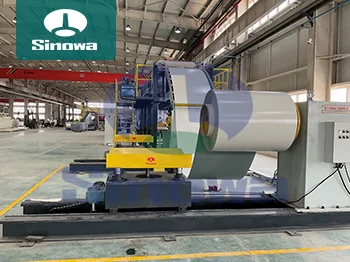
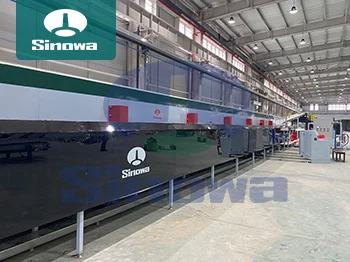
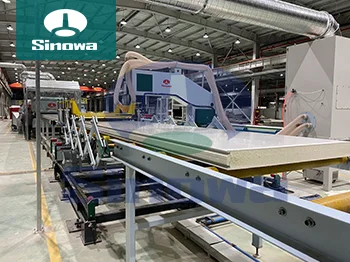
Sinowa is committed to the development and manufacturing of high-end and high-efficiency sandwich panel manufacturing line. Our sandwich panel manufacturing line are leading the way in efficiency, automatic control, human-computer interaction, environmental protection and energy consumption. Using system integration and bus control technology, it realizes the automatic integrated linkage control of the entire sandwich panel manufacturing line, and can achieve remote interactive communication, which has the world-class level and a comprehensive leading high-performance sandwich panel manufacturing line in the market.
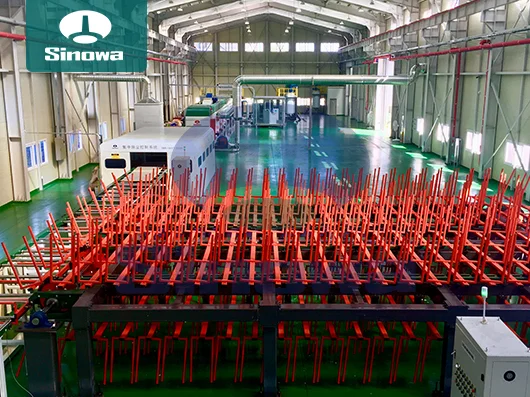
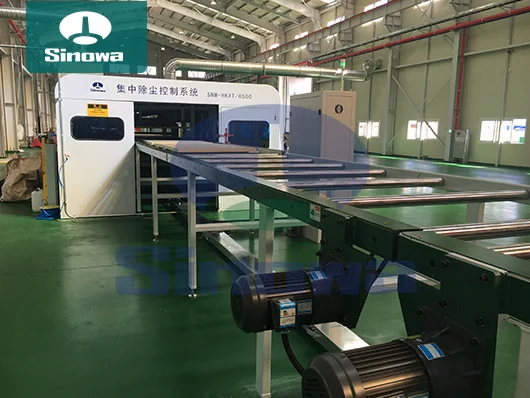
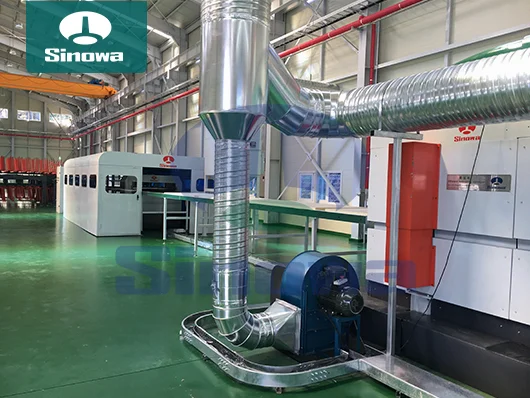
For more than ten years, relying on our innovative manufacturing concept and excellence in quality, reliable and trustworthy service to customers, we cooperate with customers all over the world, exported products to Canada, South Korea, Israel, Australia, the Middle East and other more than 20 countries and regions. contributed to building energy conservation and low-carbon production and have won widespread praise.
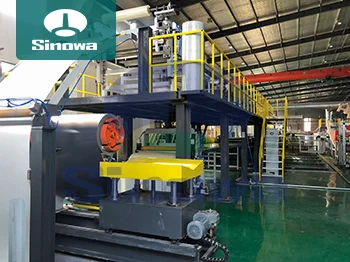
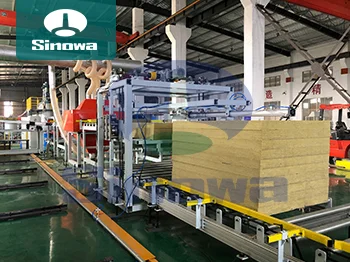
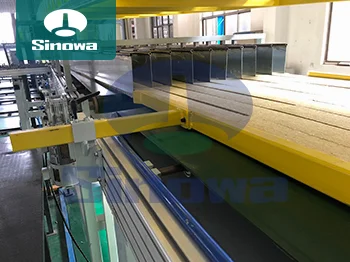
Sinowa has invested outstanding efforts in sandwich panel manufacturing line, this is why our products are more efficiency, quality, automatic control technology, environmental protection, energy consumption indicators and the appearance and safety protection are comprehensively leading, some subversive design changes in many major technical points, these major innovations make our products excellent in price/performance and user experience.
A sandwich panel manufacturing line factory is a specialized industrial facility dedicated to the mass production of high-quality sandwich panels, which are widely used in various construction, industrial, and commercial applications. These factories integrate advanced automation technologies, precise mechanical systems, and strict quality control processes to ensure the consistent production of panels that meet the diverse needs of different industries. Unlike traditional manual production methods, modern sandwich panel manufacturing factories rely on continuous production lines that streamline every stage of the manufacturing process, from raw material preparation to finished product packaging, ensuring efficiency, stability, and cost-effectiveness.
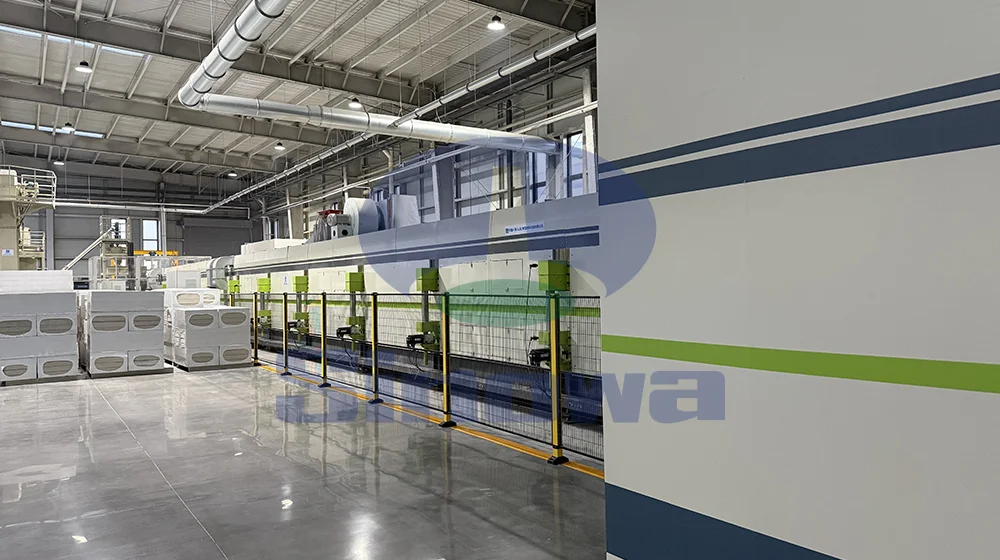
The core of any sandwich panel manufacturing line factory is its automated production system, which consists of multiple interconnected modules working in harmony to transform raw materials into finished sandwich panels. Each module is designed to perform a specific function, and the seamless integration of these modules allows for non-stop, continuous production, significantly increasing output compared to manual or semi-automated methods. The production process typically begins with raw material preparation, where the two outer layers (known as facings) and the inner core material are carefully selected and processed to meet the required specifications. The facings are usually made of metal sheets, such as color steel plates, stainless steel, or aluminum, which are chosen for their durability, corrosion resistance, and structural strength. The core material, on the other hand, varies depending on the intended use of the panel, with common options including polyurethane (PU), polyisocyanurate (PIR), rock wool, glass wool, expanded polystyrene (EPS), and phenolic foam. Each core material offers unique properties, such as thermal insulation, fire resistance, sound absorption, or lightweight construction, making the panels suitable for different applications.
In the raw material preparation stage, the metal coils used for the facings are first unwound using a dual-station unwinding machine, which allows for non-stop roll changing to maintain continuous production. An automatic correction device ensures that the metal coil is centered accurately within a tolerance of ±1 mm, preventing misalignment during subsequent processing. The metal sheets then pass through a preprocessing unit, where they undergo cleaning and passivation treatments to remove surface oil stains, dust, and impurities. This preprocessing step is crucial for enhancing the bonding strength between the facings and the core material, ensuring that the final sandwich panel has a strong and durable structure. After preprocessing, the metal sheets are fed into a forming system, which uses multiple sets of high-precision rolling rollers (usually 16 to 24 sets) to shape the flat sheets into the desired profile. The forming process is controlled by a hydraulic servo system that precisely adjusts the forming pressure and speed, ensuring consistent shaping across all panels. A quick mold changing device allows the production line to switch between different panel types within 30 minutes, increasing the flexibility of the factory to meet varying customer requirements.
While the facings are being formed, the core material is prepared in a separate but synchronized process. For foam-based core materials like PU or PIR, a high-pressure foaming machine is used to mix and inject the raw materials. The foaming machine operates at a working pressure typically ranging from 120 to 250 bar, and a temperature control unit ensures that the raw materials are maintained at an optimal temperature within ±0.5 ℃, which is critical for achieving uniform foaming. The mixing head of the foaming machine features a self-cleaning design, ensuring that the raw materials are mixed efficiently with a mixing efficiency of over 98%, and a precise measurement system controls the flow accuracy within ±1.5% to avoid material waste and ensure consistent core density. For mineral-based core materials like rock wool, the preparation process involves melting basalt or other ores at high temperatures (up to 1500 ℃) using an electric furnace or cupola, then converting the molten material into fine fibers using a centrifugal fiber forming device operating at speeds of 3000 to 5000 rpm. The fibers are then collected and formed into a cotton felt, which is cured in an oven at 200 to 250 ℃ to achieve the required structural strength.
Once both the facings and the core material are prepared, they are fed into the composite system, which is the heart of the production line. The composite system brings together the two formed metal facings and the core material, bonding them into a single integrated panel. A double-track press applies even pressure (ranging from 0.1 to 0.3 MPa) to ensure that the facings and core are firmly bonded, while a temperature control platform maintains the optimal environment for the bonding process. An online thickness gauge monitors the panel thickness in real time with an accuracy of ±0.2 mm, allowing for immediate adjustments to ensure that the panels meet the specified thickness requirements. For panels with foam cores, the composite system also includes a curing unit, which accelerates the foaming and curing process, ensuring that the core material sets properly and achieves its full structural and thermal properties. Some advanced production lines also feature a polyurethane edge sealing device, which seals the edges of the panels to improve their waterproof performance and prevent the core material from absorbing moisture, thereby extending the service life of the panels.
After the composite process is complete, the continuous panel is fed into the cutting system, where it is cut into the desired lengths using a high-precision flying saw or laser cutting device. The cutting accuracy is typically ±1 mm, ensuring that the panels have uniform dimensions and can be easily installed on-site. An automatic stacker crane then collects the cut panels and stacks them to a maximum height of 2 meters, reducing the need for manual handling and minimizing the risk of damage. The finished panels are then inspected for quality, with checks conducted on factors such as thickness, flatness, bonding strength, surface quality, and core density. Any panels that do not meet the quality standards are removed from the production line and recycled or reprocessed, ensuring that only high-quality products leave the factory.
Modern sandwich panel manufacturing line factories are equipped with intelligent control systems that oversee the entire production process, from raw material input to finished product output. These control systems use PLC (Programmable Logic Controller) and human-machine interface (HMI) technology to allow operators to monitor and adjust production parameters in real time. The systems also feature fault self-diagnosis functions with a diagnosis rate of over 90%, enabling quick identification and resolution of any issues that may arise during production. This intelligent control not only improves the efficiency of the production line but also ensures consistent product quality, as parameters such as temperature, pressure, and speed are maintained within strict tolerances.
One of the key advantages of a sandwich panel manufacturing line factory is its ability to produce panels with a wide range of specifications and properties to meet the diverse needs of different industries. The production line can be adjusted to produce panels of varying thicknesses (30 to 200 mm), widths (600 to 1200 mm, with customization options), and lengths (up to 16 meters), making them suitable for applications such as building exterior walls, roofs, partitions, cold storage facilities, purification workshops, industrial plants, and mobile homes. For example, polyurethane sandwich panels are ideal for cold storage and refrigerated trucks due to their low thermal conductivity and excellent insulation properties, while rock wool sandwich panels are preferred for high-rise buildings and industrial facilities due to their superior fire resistance. The flexibility of the production line allows factories to switch between different core materials and panel types quickly, enabling them to adapt to changing market demands.
In addition to flexibility and efficiency, sandwich panel manufacturing line factories also prioritize energy efficiency and environmental protection. Many modern production lines incorporate energy-saving technologies such as heat recovery systems, which reduce energy consumption by recycling waste heat generated during the production process. For foam-based core materials, pentane foaming technology is used instead of traditional fluorine-based foaming agents, resulting in a zero ODP (Ozone Depletion Potential) value, which is more environmentally friendly. The factories also implement waste recycling systems, where any excess raw materials or defective panels are recycled and reprocessed, minimizing waste and reducing the environmental impact of production. Some production lines also use industrial waste such as fly ash in the production of cement-based sandwich panels, further promoting sustainable manufacturing practices.
The operation of a sandwich panel manufacturing line factory requires a team of skilled operators and technicians who are trained to operate and maintain the complex equipment. Regular maintenance is essential to ensure the smooth operation of the production line and extend the service life of the equipment. Maintenance tasks include daily cleaning of the production line to remove dust and debris, regular lubrication of moving parts to reduce wear, tightening of screws and fasteners to prevent equipment failure, and calibration of equipment to ensure accuracy. Operators are also trained to identify and resolve minor issues before they escalate into major faults, minimizing downtime and ensuring continuous production. Many factories also establish detailed maintenance plans with specific cycles and standards, ensuring that maintenance is carried out in a systematic and efficient manner.
The global demand for sandwich panels is growing steadily, driven by the increasing focus on sustainable construction, rapid industrialization, and the need for energy-efficient building solutions. According to market research, the global sandwich panels market size is estimated to grow at a CAGR of 8.12% from 2026 to 2035, with a significant increase in production volume each year. This growth is fueling the expansion of sandwich panel manufacturing line factories around the world, as manufacturers seek to meet the rising demand for high-quality, cost-effective sandwich panels. The factories play a crucial role in supporting various industries, providing them with durable, efficient, and versatile building materials that meet the highest standards of performance and safety.
In conclusion, a sandwich panel manufacturing line factory is a sophisticated industrial facility that combines advanced automation, precise engineering, and strict quality control to produce high-quality sandwich panels for a wide range of applications. From raw material preparation to finished product packaging, every stage of the production process is designed to ensure efficiency, consistency, and sustainability. The integration of intelligent control systems, flexible production capabilities, and energy-saving technologies makes these factories essential players in the global construction and industrial sectors. As the demand for sandwich panels continues to grow, these factories will continue to innovate and improve their production processes, ensuring that they can meet the evolving needs of customers and contribute to the development of sustainable and efficient building solutions.
« Sandwich Panel Manufacturing Line Factory » Update Date: 2026/4/13
Tags: Continuous Sandwich Panel Manufacturing Line , Sandwich Panel Manufacturing Line , Polyurethane Sandwich Panel Manufacturing Line ,
- Polyurethane Sandwich Panel Machine On Sales
- High-tech PU Foam Production Line
- Foam Sandwich Panel Machine Factory
- PIR Wall Panel Production Line
- PU Isolation Panel Production Line From China
- Polyurethane Sandwich Panel Production Line For Sale
- Customized Continuous Sandwich Panel Line
- PUF Panel Machine For Sale
- Composite Panel Production Line Price
- PIR Insulation Panel Production Line
- High Efficiency Glass Wool Line
- PU Insulation Panel Production Line Price
- Continuous PU Sandwich Panel Production Line Price
- PUR Sandwich Panel Machine Price
- High Efficiency Decorative PU Sandwich Panel Production Line
- PIR Insulated Panel Production Line
- Cheap Glass Wool Sandwich Panel Production Line
- PUR Sandwich Panel Line Price
- High Efficiency PIR Sandwich Panel Line
- Low Price Isolation PU Sandwich Panel Line