
Continuous PU Sandwich Panel Production Line Price
Sinowa is a well-known manufacturer and technical service provider of high-end continuous pu sandwich panel production line, learn more about continuous pu sandwich panel production line price, please contact Sinowa's technical engineer, tell us what you need, we will contact you as soon as possible!
Sinowa is committed to the development and manufacturing of high-end and high-efficiency continuous pu sandwich panel production line. Our continuous pu sandwich panel production line are leading the way in efficiency, automatic control, human-computer interaction, environmental protection and energy consumption. Using system integration and bus control technology, it realizes the automatic integrated linkage control of the entire continuous pu sandwich panel production line, and can achieve remote interactive communication, which has the world-class level and a comprehensive leading high-performance continuous pu sandwich panel production line in the market.
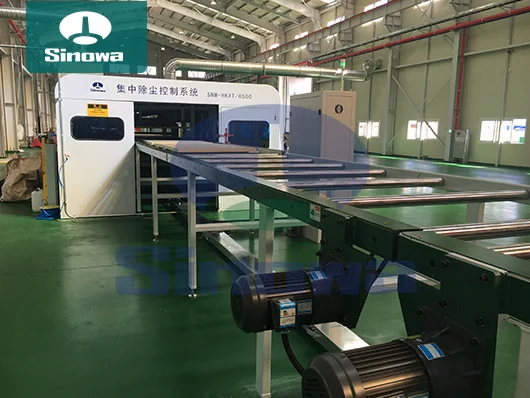
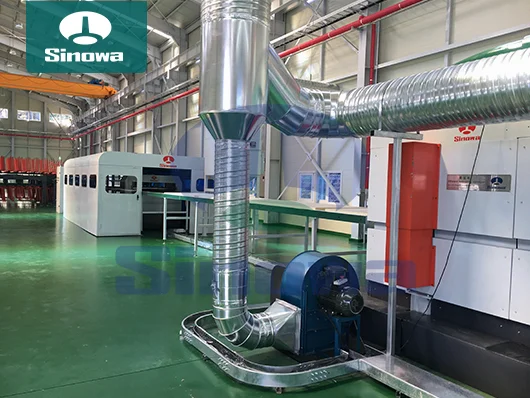
For more than ten years, relying on our innovative manufacturing concept and excellence in quality, reliable and trustworthy service to customers, we cooperate with customers all over the world, exported products to Canada, South Korea, Israel, Australia, the Middle East and other more than 20 countries and regions. contributed to building energy conservation and low-carbon production and have won widespread praise.
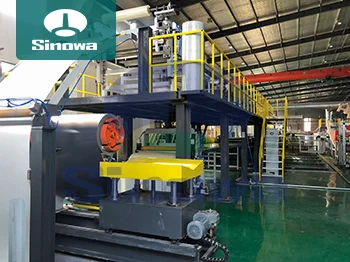
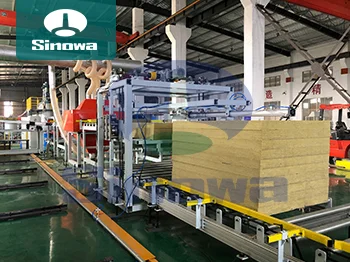
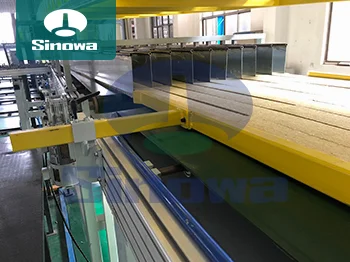
Sinowa has invested outstanding efforts in continuous pu sandwich panel production line, this is why our products are more efficiency, quality, automatic control technology, environmental protection, energy consumption indicators and the appearance and safety protection are comprehensively leading, some subversive design changes in many major technical points, these major innovations make our products excellent in price/performance and user experience.
In the modern construction and industrial insulation industry, the demand for efficient, high-performance, and energy-saving building materials has been steadily rising, driving the continuous development and upgrading of manufacturing equipment. Among various building materials, PU sandwich panels have become a preferred choice for walls, roofs, cold storage facilities, and prefabricated buildings due to their excellent thermal insulation, structural stability, lightweight properties, weather resistance, and soundproofing effects. The production of these high-quality panels relies heavily on advanced manufacturing systems, and the continuous PU sandwich panel production line has emerged as a core equipment that revolutionizes the production process, enabling large-scale, high-efficiency, and consistent production. While the focus on the investment related to such production lines is significant for manufacturers and investors, it is essential to understand that the final investment is influenced by a combination of multiple factors, each playing a crucial role in determining the overall value and cost-effectiveness of the equipment.
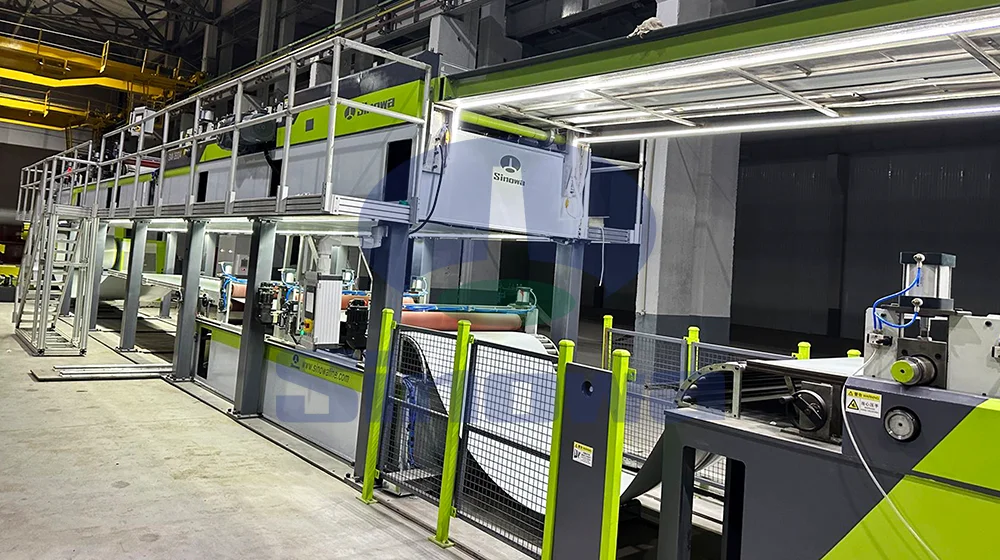
The continuous PU sandwich panel production line is an integrated and automated manufacturing system designed to realize a seamless production process from raw material feeding to finished product stacking, minimizing manual intervention and maximizing production continuity. Unlike traditional discontinuous production methods that involve intermittent processing and manual handling, this continuous production line operates in a streamlined manner, enabling the uninterrupted fabrication of PU sandwich panels with consistent specifications. This uninterrupted operation not only significantly improves production efficiency but also ensures the uniformity of product quality, reducing the waste of raw materials and the occurrence of defective products, which in turn enhances the long-term economic benefits of manufacturers. The core working principle of the continuous production line revolves around the precise coordination of multiple functional modules, each performing a specific task in the production process, and operating in a synchronized manner under the control of an advanced automated system to ensure high precision and efficiency at every stage.
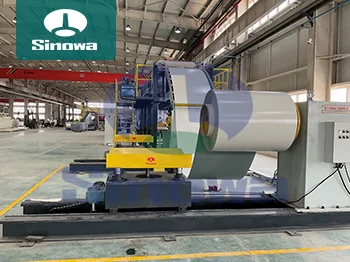
Raw material handling is the initial and crucial stage of the production process, and the configuration of the raw material handling module has a direct impact on the stability and efficiency of the entire production line. The surface materials commonly used for PU sandwich panels include galvanized steel, galvalume, aluminum, non-woven fabrics, aluminum foil, and kraft paper, among others. The continuous production line is equipped with multiple uncoiling machines that can handle different types of surface material coils, ensuring a stable and continuous supply. These uncoiling machines are often equipped with tension control systems to prevent surface material deformation during the uncoiling process, which could affect the flatness and quality of the final panels. In addition to surface materials, the core raw materials for PU sandwich panels include polyether and isocyanate, which are the key components for forming the PU foam core. The production line is equipped with specialized storage and feeding systems for these chemical raw materials, ensuring accurate measurement and stable delivery, which is essential for the quality of the PU foam core.
After the raw materials are prepared, the surface materials enter the forming stage. The forming module of the continuous production line includes roll forming machines, which shape the surface materials into the desired profiles according to the specific requirements of the panels. The roll forming machines adopt high-precision roller designs, which can be adjusted according to different panel widths and thicknesses, ensuring the consistency of the surface material profiles. Some advanced production lines are also equipped with preheating devices, which heat the surface materials to an appropriate temperature before forming, improving the forming effect and reducing the occurrence of cracks or deformations. The preheating temperature is precisely controlled by the automated system to adapt to different types of surface materials, ensuring that the forming process is stable and efficient.
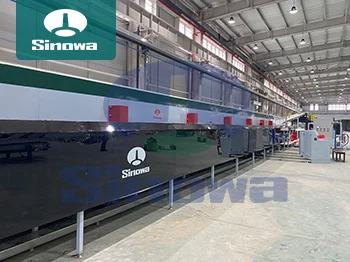
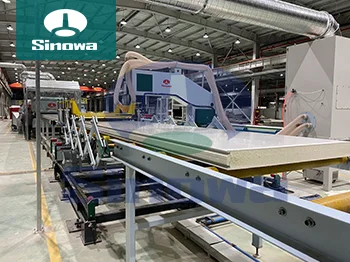
The foaming and lamination curing stage is the core of the continuous PU sandwich panel production line, as it directly determines the thermal insulation performance and structural strength of the final panels. In this stage, the PU foam is formed by the chemical reaction of polyether and isocyanate under controlled conditions, and then continuously sprayed between the upper and lower surface materials that are moving uniformly. The production line is equipped with high-pressure foaming machines, which can accurately control the mixing ratio of the raw materials, ensuring the uniform density and excellent thermal insulation performance of the PU foam core. The mixing ratio accuracy is maintained within a strict tolerance range, which is crucial for avoiding voids or inconsistencies in the foam core that could reduce the panel's performance. After the foam is sprayed, the surface materials and the foam core enter the lamination curing module, where they are pressed together under a certain temperature and pressure to ensure a firm bond between the layers. The lamination curing module usually adopts a double-belt laminator with a heating system, which can maintain a stable temperature and pressure throughout the process, ensuring that the bond between the surface materials and the foam core is homogeneous and durable.
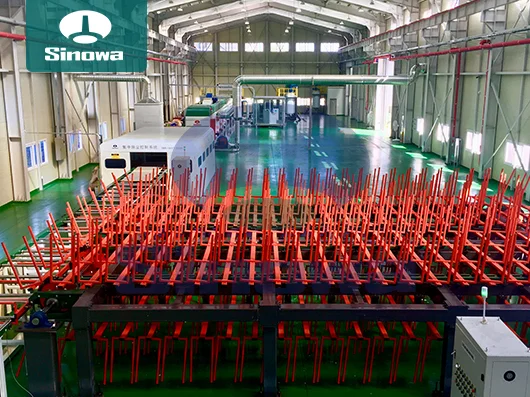
Once the lamination curing process is completed, the continuous panel enters the cutting and stacking stage. The cutting module of the production line is equipped with high-precision cutting machines, which can cut the continuous panel into the desired length according to customer requirements without stopping the production line, ensuring the continuity of the production process. The cutting precision is controlled by the automated system, which can achieve high accuracy, reducing the waste of materials and improving the utilization rate of the panels. After cutting, the finished panels are automatically transported to the stacking module, where they are neatly stacked by automated stacking machines, reducing manual labor and improving the efficiency of the production line. Some advanced production lines are also equipped with cooling systems before stacking, which cool the finished panels to room temperature to prevent deformation during storage and transportation.
The continuous PU sandwich panel production line is characterized by high automation, which is one of the key factors that distinguish it from traditional production methods. The entire production process is controlled by an advanced PLC control system, which can realize automatic adjustment of parameters, real-time monitoring of the production process, and automatic fault diagnosis. The operator only needs to set the relevant parameters on the control panel, and the system can complete the entire production process automatically, reducing the need for manual intervention and the impact of human factors on product quality. The automated control system also has a data recording function, which can record the production parameters, production volume, and other information, providing a basis for production management and quality control. In addition, some advanced production lines are equipped with AI-powered quality control systems that perform real-time surface inspections, ensuring that any defective products are detected and handled in a timely manner.
Another important characteristic of the continuous PU sandwich panel production line is its strong flexibility and adaptability. The production line can be customized according to customer needs to produce PU sandwich panels of different specifications, thicknesses, and surface materials. For example, the panel thickness can be adjusted within a certain range without stopping the production line, and the surface material can be switched quickly to meet the different requirements of various construction projects. Some production lines can also switch between different core materials, such as PU, PIR, and mineral wool, through simple configuration adjustments, expanding the scope of application of the production line. This flexibility makes the continuous production line suitable for both large-scale mass production and small-batch customized production, meeting the diverse needs of the market.
Energy conservation and environmental protection are also important considerations in the design and operation of continuous PU sandwich panel production lines. Modern production lines adopt environmentally friendly materials and processes, reducing energy consumption and waste emissions. For example, the foaming process uses environmentally friendly foaming agents that have low VOC emissions, meeting the requirements of environmental protection standards. The production line is also equipped with energy recovery systems that capture the heat generated during the production process and reuse it for preheating or other purposes, reducing energy waste. In addition, the closed-loop chemical feeding system ensures that the raw materials are fully utilized, reducing the waste of chemical materials and minimizing the impact on the environment. These energy-saving and environmental protection features not only help manufacturers reduce operating costs but also comply with the global trend of sustainable development.
The investment related to a continuous PU sandwich panel production line is influenced by a variety of factors, and understanding these factors is crucial for manufacturers and investors to make reasonable decisions. One of the key factors is the production capacity of the line. Production lines with higher production capacity usually require more advanced equipment, larger production space, and more complex systems, which will affect the overall investment. The production capacity is usually measured by the production speed, which can range from a few meters per minute to more than ten meters per minute, depending on the configuration of the line. Manufacturers need to choose the appropriate production capacity according to their market demand and production scale to avoid over-investment or insufficient production capacity.
The level of automation is another important factor affecting the investment. Production lines with higher automation levels are equipped with more advanced control systems, automated handling equipment, and quality inspection systems, which can improve production efficiency and product quality but also increase the initial investment. However, the high level of automation can reduce manual labor costs in the long run, improve production stability, and reduce the occurrence of human errors, bringing long-term economic benefits to manufacturers. On the other hand, production lines with lower automation levels require more manual intervention, which has lower initial investment but higher long-term labor costs and may affect product quality consistency.
The configuration of the production line also has a significant impact on the investment. Different configurations are designed to meet different production needs and product requirements. For example, production lines that need to produce panels with special surface treatments or core materials require additional equipment and modules, which will increase the investment. The quality and performance of the core components, such as the foaming machine, roll forming machine, and control system, also affect the investment. High-quality components have better performance, longer service life, and lower maintenance costs, but their initial cost is also higher. Manufacturers need to balance the initial investment and long-term operating costs when choosing the configuration of the production line.
The raw material cost is an indirect factor affecting the investment in the production line. Although the raw materials are not part of the production line itself, the type and quality of raw materials used will affect the configuration requirements of the production line. For example, if the production line needs to process high-density PU foam or special surface materials, it may require more advanced equipment to ensure production quality, which will increase the investment. In addition, the fluctuation of raw material prices in the market will also affect the long-term operating costs of the production line, which should be considered when evaluating the overall investment value.
The application fields of the PU sandwich panels produced by the continuous production line also affect the investment in the production line. Different application fields have different requirements for the performance and specifications of the panels, which in turn affect the configuration of the production line. For example, panels used in cold storage facilities require higher thermal insulation performance, which requires the production line to be equipped with more advanced foaming and curing systems. Panels used in high-rise buildings require higher structural strength, which requires the production line to have more precise forming and lamination processes. Therefore, manufacturers need to determine the configuration of the production line according to the target application fields, which will affect the overall investment.
With the continuous development of the construction and industrial insulation industry, the continuous PU sandwich panel production line is facing new development opportunities and challenges. The increasing demand for green and energy-saving building materials has promoted the upgrading of production line technology, requiring production lines to be more efficient, environmentally friendly, and intelligent. In the future, the integration of AI and IoT technologies into the production line will become a trend, enabling real-time monitoring, remote control, and intelligent optimization of the production process, further improving production efficiency and product quality. At the same time, the development of modular design will make the production line more flexible and scalable, allowing manufacturers to adjust the configuration according to market changes and production needs, reducing the cost of equipment upgrading and transformation.
In conclusion, the continuous PU sandwich panel production line is an essential equipment in the modern building materials manufacturing industry, which plays a crucial role in improving production efficiency, ensuring product quality, and meeting the diverse needs of the market. The investment related to such production lines is affected by multiple factors, including production capacity, automation level, configuration, raw material costs, and application fields. Manufacturers and investors need to comprehensively consider these factors, combine their own actual needs and long-term development goals, and choose the most suitable production line configuration to achieve the best balance between investment and return. As the industry continues to develop and technology continues to innovate, the continuous PU sandwich panel production line will continue to evolve, bringing more value to the building materials industry and contributing to the development of green and sustainable construction.
« Continuous PU Sandwich Panel Production Line Price » Update Date: 2026/4/20
Tags: Discontinuous PU Sandwich Panel Production Line , Continuous PU Sandwich Panel Production Line ,
- Cheap PIR Sandwich Panel Production Line
- Decorative Sandwich Panel Line Factory
- Fully Automatic PU Sandwich Panel Line Price
- PIR Sandwich Panel Machine For Sale
- PU Sandwich Panel Line On Sales
- Low Price Polyurethane Sandwich Panel Machine
- Roof Sandwich Panel Production Line On Sales
- High-quality Polyurethane Sandwich Panel Machinery
- PU Sandwich Panel Machine In China
- High-end Polyurethane Sandwich Panel Production Line
- Polyurethane Sandwich Panel Manufacturing Line Price
- Polyurethane Sandwich Panel Machinery For Sale
- High-quality Sandwich Foam Panel Making Machine
- Custom Continuous Sandwich Panel Manufacturing Line
- PU Insulated Panel Production Line
- Highly Intelligent PIR Sandwich Panel Line
- Continuous Sandwich Panel Line In China
- Cheap Continuous Sandwich Panel Production Line
- Custom Isolation Sandwich Panel Production Line
- Sandwich Panel Production Machinery Supplier