
Continuous PU Sandwich Panel Production Line
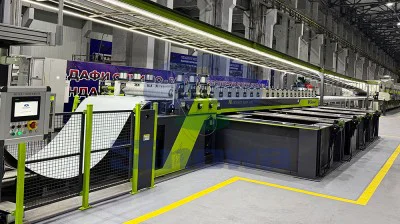
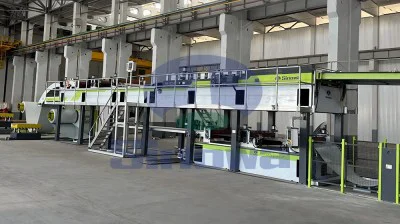
Sinowa is a continuous pu sandwich panel production line supplier from china, customized high-quality & high efficiency continuous pu sandwich panel production line at low price, the adoption of system integration technology and bus control technology accomplishes the full automatization of integrated and coordinated control of the continuous pu sandwich panel production line with accessible remote interactive communication. Ranking the first-class level in the world, it is currently the continuous pu sandwich panel production line in the market taking a comprehensive lead in high performance.
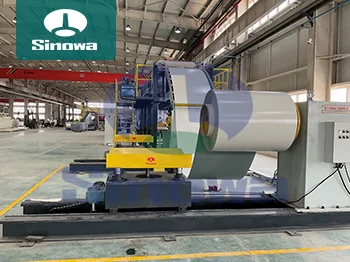
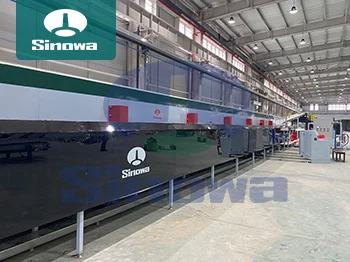
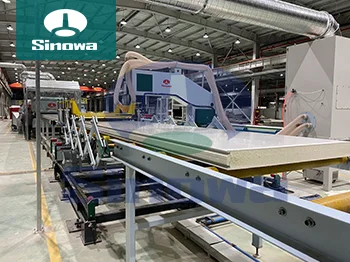
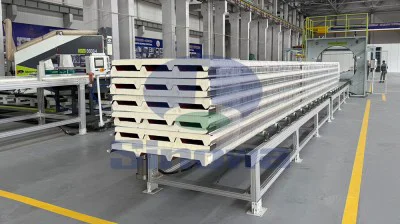
The high-tech continuous pu sandwich panel production line can meet a variety of production needs of customers, the whole continuous pu sandwich panel production line design concept of modularization enables all our components to be integrated and combined at will. Our high efficiency continuous pu sandwich panel production line can easily automate the production of roof sandwich panel, wall sandwich panel, cold storage sandwich panel and other products by different combination and configuration selection and siple switching. The inner core layer can be polyrethane or rock wool, glass wool, an so on.


The high precision continuous pu sandwich panel production line has high adaptability, which may produce various sandwich panel of the PU, PIR and rock wool systems. We may design various products according to the customer’s requirements, including various configurations, so as to meet their demands with flexible price system. Highly integrated and linked control system centralizes all control points at the main central center, achieving parameter linkage, fault self-diagnosis controlled by the whole line and shipping distance control. High-level automatic control system also saves the manpower and reduces the manpower loss for customers.


The precision servo hoisting mechanism employed by the main engine without hydraulic system makes the board thickness control flexible and the customer may conveniently change or adjust the board thickness. There will be not such troubles as hydraulic system adjustment, leakage, maintenance, etc.


High-level energy saving and protection design makes the whole continuous pu sandwich panel production line possible to produce around the clock throughout the year and the customer will save huge budget. In addition, the isolated heat preservation room is constructed for warming the environment. The energy saving and protection design of our manufacturing line may guarantee that the customer’s production line may be freely heated and produce in the main time to save more costs for customers.


The high-power low-consumption design quickens the reaction of the cheap continuous pu sandwich panel production line while energy consumption is kept low. With the brand-new, fully sealed inner insulation design, the energy consumption is controlled at the minimum level to achieve the design objective of less than an hour for the insulation system to be activated from the room temperature above 5℃ to the production process temperature. The energy consumption is only 40% that of those similar products.
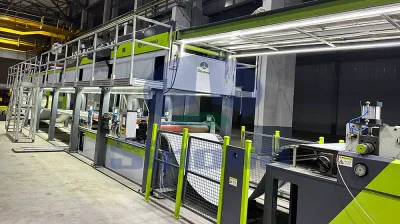
A continuous PU sandwich panel production line is an integrated manufacturing system that combines machinery, chemical engineering, and automation control to realize efficient and seamless production of composite insulation panels. Unlike traditional intermittent production methods, it operates continuously from raw material input to finished product stacking, minimizing manual intervention and ensuring consistent product quality. The production process starts with the uncoiling of surface materials, which are then shaped through precision roll forming technology to meet specific design requirements. These surface materials, often metal sheets or other protective layers, are fed into the line at a steady pace, with tension control systems preventing deformation during processing. Next, a high-pressure foaming system mixes polyurethane raw materials in precise proportions, injecting the reactive mixture between the two pre-formed surface layers. The polyurethane undergoes rapid polymerization and expansion, adhering tightly to the surface materials to form a solid, integrated core with excellent thermal insulation and structural stability. As the panels move along the line, they go through a curing process under controlled temperature and pressure, ensuring the foam achieves uniform density and optimal performance. The final step involves automatic cutting to the desired length and stacking, completing the entire production cycle without interruptions. The panels produced by this line are widely used in construction, cold chain logistics, and industrial manufacturing, thanks to their lightweight, soundproof, and fire-resistant properties, making the continuous production line a vital equipment for modern composite material manufacturing.
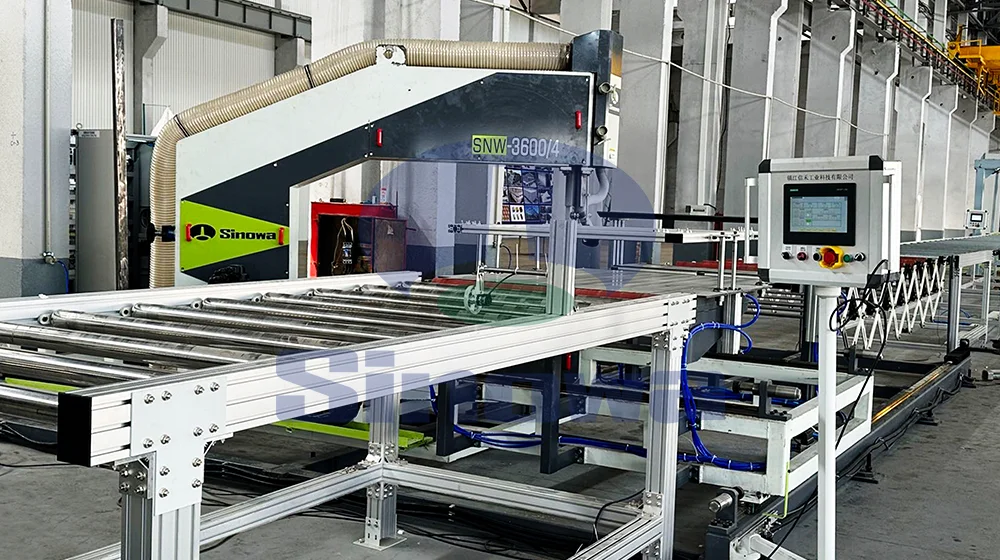
In the modern manufacturing landscape, the continuous PU sandwich panel production line stands as a testament to the integration of multiple technologies, enabling the efficient and consistent production of high-performance composite panels. These panels, composed of a polyurethane (PU) foam core sandwiched between two layers of protective facings—typically galvanized or color-coated steel sheets—have become indispensable in various industries due to their exceptional combination of thermal insulation, structural strength, soundproofing, and durability. The continuous production line, as opposed to discrete manufacturing methods, revolutionizes the fabrication process by ensuring seamless operation from raw material feeding to the final stacking of finished products, thereby enhancing production efficiency, reducing material waste, and maintaining uniform product quality.
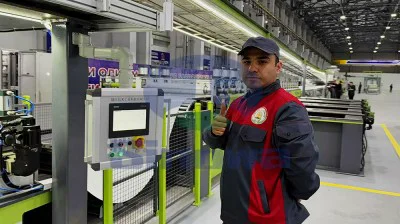
The core essence of a continuous PU sandwich panel production line lies in its systematic integration of mechanics, chemistry, electrical control, hydraulic and pneumatic systems, and precise temperature regulation. Every component of the line is designed to work in harmony, creating a streamlined process that minimizes human intervention and maximizes operational stability. At the heart of this system is the automated control mechanism, usually based on programmable logic controller (PLC) technology, which oversees and coordinates all production stages. This centralized control system not only simplifies operation through a user-friendly interface but also enables real-time monitoring and adjustment of key parameters, ensuring that each panel meets the required specifications without deviations. From the unwinding of raw material coils to the final cutting and stacking, every step is executed with precision under the guidance of this intelligent control system.
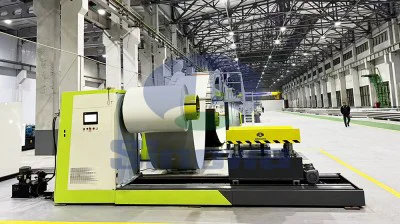
The production process of continuous PU sandwich panels begins with the unwinding and feeding of facing materials. Typically, two coils of metal sheets—either galvanized steel or color-coated steel—are loaded onto unwinding machines. These unwinding systems are equipped with positioning devices and tension control mechanisms to ensure the smooth and stable uncoiling of the sheets. The horizontal positioning of the unwinding machine, combined with the lifting and adjustment functions of the elevator, allows for precise alignment of the coils, preventing misalignment that could affect the subsequent forming process. Once uncoiled, the metal sheets pass through guiding devices to ensure they enter the next stage in a straight and stable manner. In some configurations, a protective film coating process is added at this stage to safeguard the surface of the metal sheets from scratches or contamination during production, which is particularly important for color-coated sheets that require maintaining their aesthetic appearance.
Following the unwinding stage, the metal sheets undergo roll forming, a critical process that shapes the sheets into the desired profile. The roll forming system consists of a series of rolling stands arranged in tandem, each equipped with specific rollers that gradually bend the metal sheets into the required shape. This progressive forming method ensures that the sheets maintain their structural integrity and dimensional accuracy, avoiding the stress concentrations that can occur with sudden bending. The roll forming system can be adjusted to produce different profiles, such as lap-jointed profiles for roof panels or socket-type profiles for wall panels, making the production line highly flexible to meet diverse application needs. Some advanced roll forming systems feature double-headed designs, allowing for the simultaneous forming of upper and lower facings with consistent precision.
For production lines that incorporate mineral wool as part of the core material—either alone or in combination with PU foam—a dedicated rock wool processing system is integrated into the production process. This system includes a rock wool lifting device, longitudinal shearing equipment, and a flipping mechanism. The rock wool is lifted and fed into the shearing device, which cuts it to the required width according to the panel specifications. The flipping mechanism then positions the rock wool correctly between the two metal facings, ensuring uniform distribution and proper bonding with the PU foam. Additionally, a dust collection device is often installed in this section to remove any dust generated during the rock wool processing, creating a cleaner and safer working environment for operators.
Pre-heating of the metal sheets is a crucial step before the foaming process, as it ensures optimal bonding between the metal facings and the PU foam core. The sheets pass through an oven equipped with a hot air circulation system, which heats them to a precise temperature range. This controlled heating not only improves the adhesion of the foam to the metal surfaces but also promotes the uniform foaming and curing of the PU material. The hot air circulation system ensures that the temperature is evenly distributed across the entire width and length of the sheets, preventing localized overheating or underheating that could compromise the quality of the final product. The temperature settings can be adjusted according to the type of metal sheet and the specific PU formulation used, providing flexibility for different production requirements.
The foaming stage is the most chemically intensive part of the production process, where liquid PU components are mixed, reacted, and injected between the two pre-formed metal facings. A high-pressure foaming system is typically used for this purpose, offering precise metering of the PU components—polyol and isocyanate—as well as any additives such as foaming agents, flame retardants, and catalysts. The precise metering ensures that the ratio of the components is accurate, which is critical for achieving the desired foam density and performance properties. Modern production lines use environmentally friendly foaming agents such as pentane or 141b, replacing traditional chloroform carbon-based agents that are harmful to the ozone layer. This shift towards eco-friendly foaming agents aligns with global sustainability trends and reduces the environmental impact of the production process.
Once the PU mixture is injected between the metal facings, the composite structure enters a double-belt pressing and curing section. This section consists of two parallel conveyor belts that apply uniform pressure to the panel as it moves forward. The pressure ensures that the foam is evenly distributed throughout the panel, eliminating any gaps or voids, and promotes proper bonding with the metal facings. Simultaneously, the curing process takes place, with the foam expanding and solidifying into a rigid core. The curing temperature is strictly controlled by the hot air circulation system, with the double-belt conveyor maintaining the required pressure and temperature throughout the curing period. The length of the curing section and the speed of the conveyor are carefully calibrated to ensure that the foam is fully cured before the panel enters the next stage of production.
After the foam has been fully cured, the continuous panel is cut to the required length using an automatic flying cutting machine. This machine is synchronized with the speed of the conveyor belt, allowing for precise cutting without stopping the production line, which is essential for maintaining the continuous nature of the process. The cutting blade is designed to make clean, straight cuts, ensuring that the edges of the panels are smooth and free from burrs. Some advanced cutting systems are equipped with multiple blades or adjustable cutting parameters, enabling the production of panels of different lengths in quick succession. Following the cutting process, the finished panels are conveyed to a cooling section, where they are cooled to room temperature to stabilize their dimensions and properties.
The final stages of the production process include stacking and packaging. An automatic stacking system—often equipped with vacuum suction cups—lifts the cut panels and stacks them neatly according to predefined quantities. This automated stacking not only reduces manual labor but also prevents damage to the panels during handling. The stacked panels are then moved to the packaging section, where they are wrapped in protective film or other packaging materials to safeguard them during transportation and storage. Some production lines also include additional quality inspection stations in these final stages, where panels are checked for dimensional accuracy, surface defects, and foam core integrity, ensuring that only high-quality products leave the production line.
One of the key advantages of a continuous PU sandwich panel production line is its high production efficiency. Compared to traditional discrete manufacturing methods, continuous production eliminates the downtime between batches, allowing for a steady output of panels. The production speed can be adjusted according to the panel thickness and specifications, with typical line speeds ranging from 1.5 meters per minute to 16 meters per minute. This high efficiency translates into higher annual production capacity, making the continuous line ideal for large-scale manufacturing operations. For example, a standard production line operating at 6-7 meters per minute can produce up to 3,360 square meters of panels per day, with an annual capacity of over 800,000 square meters when accounting for working days and efficiency rates.
Another significant benefit of the continuous production line is the consistency and uniformity of the finished products. The automated control system ensures that all key parameters—such as temperature, pressure, foaming ratio, and cutting length—are maintained within tight tolerances throughout the production process. This results in panels with consistent dimensions, uniform foam density, and reliable performance properties. The use of the double-belt pressing system also ensures that the panel surfaces are flat and smooth, free from any unevenness or patterns caused by uneven pressure. This level of consistency is particularly important for applications where the panels need to fit together seamlessly, such as in modular buildings or cold storage facilities.
Energy efficiency and environmental friendliness are also notable features of modern continuous PU sandwich panel production lines. The integration of advanced insulation materials and energy-saving technologies in the oven and curing sections reduces heat loss, lowering overall energy consumption. The use of environmentally friendly foaming agents further minimizes the environmental impact of the production process, complying with global environmental regulations and standards. Additionally, the precise material metering and automated processes reduce material waste, as the amount of PU foam and metal sheet used is optimized for each panel specification. This not only reduces production costs but also contributes to a more sustainable manufacturing process.
The versatility of the continuous PU sandwich panel production line is another factor that contributes to its widespread adoption. The modular design of the line allows for easy configuration and customization to produce different types of panels, including roof panels, wall panels, cold storage panels, and cleanroom panels. The core material can be adjusted to include pure PU foam, rock wool, glass wool, or a combination of these materials, depending on the required performance properties such as fire resistance, thermal insulation, and soundproofing. For example, panels used in cold storage facilities require high thermal insulation performance, so a pure PU foam core with low thermal conductivity (0.019-0.023 W/m·K) is typically used. In contrast, panels used in industrial buildings may incorporate rock wool for enhanced fire resistance.
The application of continuous PU sandwich panels spans across numerous industries, driven by their exceptional performance characteristics. In the construction industry, they are widely used for the exterior walls and roofs of industrial warehouses, factories, commercial complexes, and residential buildings. Their excellent thermal insulation properties help reduce energy consumption for heating and cooling, making buildings more energy-efficient. In the cold chain logistics industry, these panels are essential for the construction of refrigeration rooms, freezers, and cooling facilities, as they can maintain a constant low temperature and prevent heat transfer. The pharmaceutical and electronics industries utilize these panels to construct cleanrooms and controlled environments, as their sealed joints and smooth surfaces prevent contamination and ensure hygiene.
Prefabricated and modular construction is another growing application area for continuous PU sandwich panels. The lightweight nature of the panels, combined with their high strength and easy installation, enables quick assembly of portable cabins, on-site offices, and temporary structures. This makes them ideal for construction projects that require fast completion, such as emergency shelters, construction site offices, and modular housing. In the agricultural sector, the panels are used to construct farm warehouses and livestock shelters, protecting crops, livestock, and equipment from temperature fluctuations, moisture, and pests. They are also used in the maritime and automotive industries as lightweight, insulated structural components.
The maintenance and operation of a continuous PU sandwich panel production line are designed to be user-friendly, thanks to the advanced PLC control system and modular design. The centralized control console allows operators to monitor all production parameters in real-time, with fault self-diagnosis functions that alert operators to any issues such as material shortages, temperature deviations, or mechanical malfunctions. This proactive monitoring minimizes downtime and reduces the need for extensive maintenance. The modular design of the line also makes it easy to access individual components for maintenance or replacement, further reducing maintenance time and costs. Regular maintenance typically includes checking the condition of the roll forming rollers, cleaning the foaming system, and inspecting the conveyor belts and cutting blades to ensure optimal performance.
Looking towards the future, the continuous PU sandwich panel production line is expected to undergo further technological advancements to meet the evolving needs of industries and global sustainability goals. One area of development is the integration of artificial intelligence (AI) and machine learning technologies into the control system, enabling predictive maintenance and more precise control of the production process. AI algorithms can analyze historical production data to identify patterns and predict potential equipment failures before they occur, minimizing downtime and improving overall operational efficiency. Additionally, the development of new eco-friendly PU formulations and foaming agents will further reduce the environmental impact of the production process, aligning with global efforts to reduce carbon emissions and promote circular economy principles.
Another trend is the increased customization of production lines to meet the specific needs of different industries and regions. For example, production lines designed for use in extreme weather conditions may incorporate additional insulation and heating/cooling systems to maintain optimal production temperatures. Lines for high-precision applications such as cleanrooms may include enhanced quality control systems with advanced imaging technology to detect even the smallest surface defects. The integration of digital twin technology is also emerging, allowing manufacturers to create a virtual replica of the production line to simulate and optimize operations, test new configurations, and train operators without disrupting actual production.
In conclusion, the continuous PU sandwich panel production line represents a sophisticated integration of multiple technologies, enabling the efficient, consistent, and sustainable production of high-performance composite panels. Its seamless production process, from raw material feeding to final packaging, ensures high efficiency and uniform product quality, while its versatility allows for customization to meet diverse application needs across numerous industries. The adoption of advanced control systems, eco-friendly materials, and modular design makes it a key player in the modern manufacturing landscape, supporting global trends towards energy efficiency, sustainability, and rapid construction. As technology continues to advance, the continuous PU sandwich panel production line is poised to become even more efficient, intelligent, and environmentally friendly, further solidifying its position as an indispensable tool in the production of composite materials for the future.
« Continuous PU Sandwich Panel Production Line » Update Date: 2026/4/16
URL: https://www.sinowamachine.com/tags/continuous-pu-sandwich-panel-production-line.html
![High Efficiency Continuous PU Sandwich Panel Production Line]()
High Efficiency Continuous PU Sandwich Panel Production Line
2026-09-01The high efficiency continuous PU sandwich panel production line stands as an advanced integrated manufacturing system tailored for large-scale, automated production of polyurethane composite sandwich panels, revolutionizing the traditional panel manufacturing industry with streamlined and intelligen…![Continuous PU Sandwich Panel Production Line On Sales]()
Continuous PU Sandwich Panel Production Line On Sales
2026-08-28The continuous PU sandwich panel production line is a highly integrated, fully automated manufacturing system tailored for mass production of high-performance polyurethane composite sandwich panels, serving as a core equipment for the modern green building and insulation material industries. Differin…![Continuous PU Sandwich Panel Production Line For Cold Room]()
Continuous PU Sandwich Panel Production Line For Cold Room
2026-08-28The continuous PU sandwich panel production line stands as a core automated manufacturing system tailored exclusively for cold room insulation panel fabrication, delivering integrated and uninterrupted production of high-performance polyurethane composite panels essential for cold storage constructio…![Continuous PU Sandwich Panel Production Line Factory]()
Continuous PU Sandwich Panel Production Line Factory
2026-08-28The continuous PU sandwich panel production line represents an advanced integrated automated manufacturing system tailored for the mass production of high-performance polyurethane composite sandwich panels. Unlike traditional intermittent production equipment that relies on segmented operation and fr…![Continuous PU Sandwich Panel Production Line Design]()
Continuous PU Sandwich Panel Production Line Design
2026-08-24The continuous PU sandwich panel production line represents a highly integrated and automated manufacturing system tailored for the mass production of polyurethane composite sandwich panels, which are widely applied in architectural insulation, industrial plant construction, cold chain facilities, an…![Continuous PU Sandwich Panel Production Line From China]()
Continuous PU Sandwich Panel Production Line From China
2026-08-14The continuous PU sandwich panel production line represents an advanced, fully integrated manufacturing solution tailored for the mass production of high-performance polyurethane composite sandwich panels. This automated production system integrates multiple precision processing modules into one stre…![Continuous PU Sandwich Panel Production Line Manufacturer]()
Continuous PU Sandwich Panel Production Line Manufacturer
2026-08-12The continuous PU sandwich panel production line represents advanced automated manufacturing equipment tailored for the mass production of high-performance polyurethane sandwich panels, integrating mechanical transmission, chemical foaming, precise lamination, and intelligent cutting technologies. Th…![High-quality Continuous PU Sandwich Panel Production Line]()
High-quality Continuous PU Sandwich Panel Production Line
2026-07-10The high-quality continuous PU sandwich panel production line stands as a sophisticated and integrated manufacturing system tailored for the streamlined mass production of polyurethane sandwich panels, combining precision mechanical transmission, intelligent automatic control, accurate chemical mater…![High-end Continuous PU Sandwich Panel Production Line]()
High-end Continuous PU Sandwich Panel Production Line
2026-05-08In the evolving landscape of modern construction and industrial manufacturing, the demand for high-performance insulation building materials has maintained steady growth, driving continuous technological iteration in panel production equipment. PU sandwich panels have become indispensable composite m…![Continuous PU Sandwich Panel Production Line For Building]()
Continuous PU Sandwich Panel Production Line For Building
2026-05-08In the modern construction industry, the demand for high-efficiency, energy-saving, and durable building enclosure materials continues to grow steadily, driving the continuous upgrading and optimization of industrial production equipment. The continuous PU sandwich panel production line has emerged a…![Continuous PU Sandwich Panel Production Line Price]()
Continuous PU Sandwich Panel Production Line Price
2026-04-20In the modern construction and industrial insulation industry, the demand for efficient, high-performance, and energy-saving building materials has been steadily rising, driving the continuous development and upgrading of manufacturing equipment. Among various building materials, PU sandwich panels h…![Continuous PU Sandwich Panel Production Line Supplier]()
Continuous PU Sandwich Panel Production Line Supplier
2026-04-20In the modern construction and industrial fields, the demand for high-performance, efficient, and sustainable building materials has been steadily rising, driving the continuous innovation of production equipment and technologies. Among these materials, PU sandwich panels have emerged as a preferred …![Cheap Continuous PU Sandwich Panel Production Line]()
Cheap Continuous PU Sandwich Panel Production Line
2026-04-20In the modern construction and manufacturing industries, the demand for efficient, cost-effective, and high-performance building materials has been steadily increasing. Among these materials, PU sandwich panels have emerged as a popular choice due to their excellent thermal insulation, lightweight st…![Continuous PU Sandwich Panel Production Line For Roof]()
Continuous PU Sandwich Panel Production Line For Roof
2026-01-24The continuous production line for polyurethane (PU) sandwich panels dedicated to roofing applications represents a sophisticated integration of mechanical engineering and material science, designed to manufacture composite panels with consistent quality and multi-functional properties. These product…
- Links:
- Sandwich Panel Continuous Production Line
- Automatic and Continuous Sandwich Panel Production Line
- Cheap and Low Price Sandwich Panel Production Line
- China Sandwich Panel Production Line Factory
- Color Steel Sandwich Panel Production Line For Cold Storage
- Continuous Composite Foam Sandwich Panel Production Line
- Continuous Production Line For Rockwool and Mineral Wool Sandwich Panels
- Continuous PU Phenolic Insulation Panel Production Line
- Continuous PU PIR Sandwich Panel Production Line
- Continuous PUF PUR Sandwich Panel Production Line
- Continuous Sandwich Panel Production Line For Roof and Wall
- Customized and Design Sandwich Panel Production Line
- Decorative Sandwich Panel Production Line For Glass Wool Boards
- High Quality Sandwich Panel Production Line For Sale
- Polyurethane(PU) Sandwich Panel Production Line
- Sandwich Panel Production Line Manufacturer and Supplier
- Sandwich Panel Production Machinery and Equipment