
Cheap Continuous PU Sandwich Panel Production Line
Sinowa is a well-known manufacturer and technical service provider of high-end continuous pu sandwich panel production line, learn more about cheap continuous pu sandwich panel production line, please contact Sinowa's technical engineer, tell us what you need, we will contact you as soon as possible!
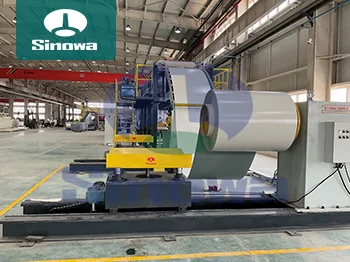
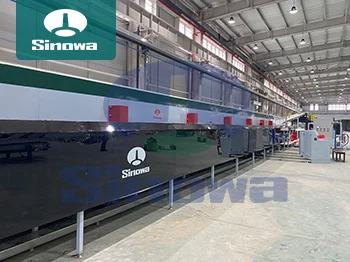
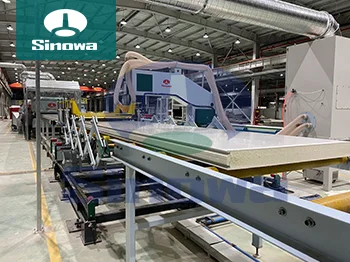
Sinowa is committed to the development and manufacturing of high-end and high-efficiency continuous pu sandwich panel production line. Our continuous pu sandwich panel production line are leading the way in efficiency, automatic control, human-computer interaction, environmental protection and energy consumption. Using system integration and bus control technology, it realizes the automatic integrated linkage control of the entire continuous pu sandwich panel production line, and can achieve remote interactive communication, which has the world-class level and a comprehensive leading high-performance continuous pu sandwich panel production line in the market.
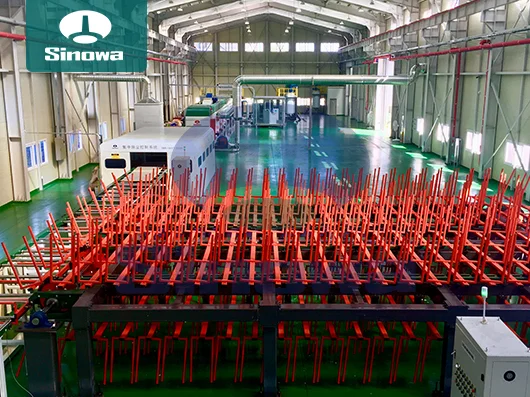
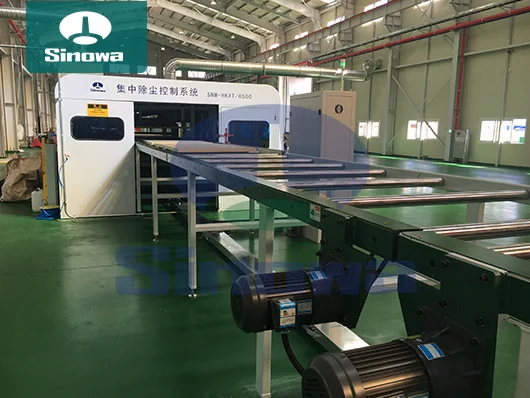
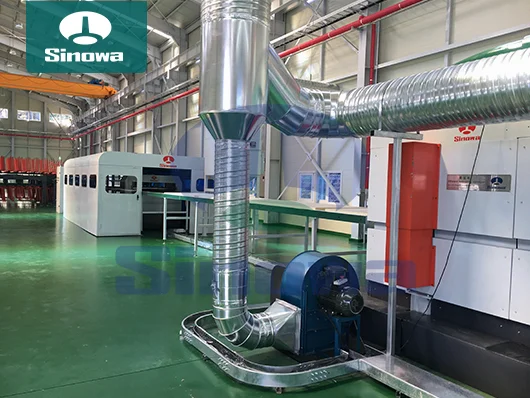
For more than ten years, relying on our innovative manufacturing concept and excellence in quality, reliable and trustworthy service to customers, we cooperate with customers all over the world, exported products to Canada, South Korea, Israel, Australia, the Middle East and other more than 20 countries and regions. contributed to building energy conservation and low-carbon production and have won widespread praise.
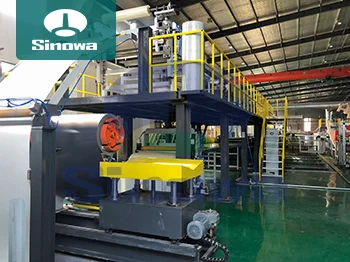
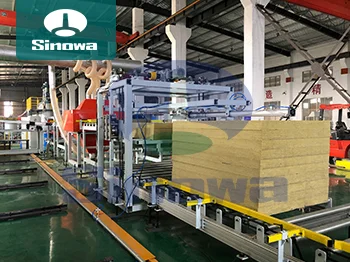
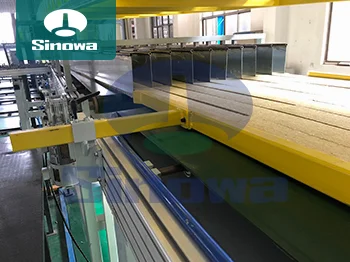
Sinowa has invested outstanding efforts in continuous pu sandwich panel production line, this is why our products are more efficiency, quality, automatic control technology, environmental protection, energy consumption indicators and the appearance and safety protection are comprehensively leading, some subversive design changes in many major technical points, these major innovations make our products excellent in price/performance and user experience.
In the modern construction and manufacturing industries, the demand for efficient, cost-effective, and high-performance building materials has been steadily increasing. Among these materials, PU sandwich panels have emerged as a popular choice due to their excellent thermal insulation, lightweight structure, high strength, and versatility. To meet the growing market demand for these panels while keeping production costs low, the cheap continuous PU sandwich panel production line has become an essential piece of equipment for many small and medium-sized enterprises. This production line combines automation, efficiency, and affordability, enabling manufacturers to produce high-quality PU sandwich panels in a continuous and cost-effective manner without compromising on performance or durability.
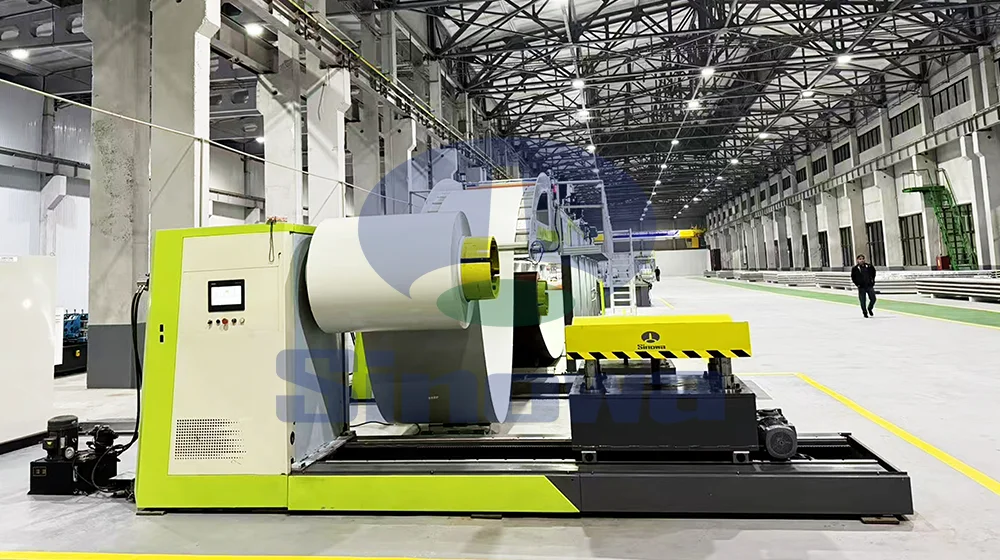
A continuous PU sandwich panel production line, even at a lower cost, is designed to realize a seamless production process from raw material feeding to finished product stacking, minimizing manual intervention and maximizing production continuity. Unlike traditional discontinuous production methods that involve intermittent processing and manual handling, this continuous production line operates in a streamlined manner, enabling the continuous fabrication of PU sandwich panels with consistent specifications. The core working principle revolves around the precise coordination of multiple functional modules, including raw material handling, surface material forming, PU foam mixing and pouring, lamination curing, and finished product processing. Each module operates in a synchronized manner under the control of a basic automated system, ensuring that every stage of the production process is carried out with high precision and efficiency, even with the cost-saving design.
The raw material handling module is the initial and crucial stage of the production process, which involves the preparation and supply of both surface materials and core PU foam components. The surface materials commonly used for PU sandwich panels include galvanized steel, galvalume, aluminum, non-woven fabrics, aluminum foil, and kraft paper, among others. The affordable continuous production line is equipped with multiple uncoiling machines that can handle different types of surface material coils, ensuring a stable and continuous supply. These uncoiling machines are often equipped with basic tension control systems to prevent surface material deformation during the uncoiling process, which helps reduce material waste and ensure the quality of the final product. The cost-saving design of these machines does not compromise their functionality; instead, it optimizes the structure to reduce unnecessary expenses while maintaining reliability.
After uncoiling, the surface materials pass through leveling rollers to eliminate any wrinkles or deformations caused during storage and transportation, ensuring a flat surface for subsequent processing. In some cases, the surface materials may also undergo preheating treatment to reach an optimal temperature for bonding with the PU foam core. This preheating step enhances the adhesion between layers and improves the overall structural integrity of the sandwich panels, which is crucial for ensuring their long-term performance. The preheating system in the cheap continuous production line is designed to be energy-efficient, using minimal power to achieve the required temperature, thus further reducing operational costs.
The core part of the production process is the foaming and lamination of the PU core. The PU foam is formed by the chemical reaction of polyol, isocyanate, foaming agent, catalyst, and other additives. These raw materials are stored in separate tanks and transported to a high-pressure metering system, which accurately controls the proportion of each component according to the required specifications of the PU core. The precise metering of raw materials is critical, as it directly affects the density, thermal insulation performance, and strength of the PU foam core. Even in the affordable production line, the metering system is designed to maintain a high level of accuracy, ensuring that the raw materials are mixed in the correct ratio to produce high-quality foam.
The mixed raw materials are then sent to a high-pressure mixing head, where they are thoroughly mixed and then evenly distributed on the underlying surface material of the sandwich panel. At the same time, the upper layer of surface material is also fed into the double track laminating conveyor. The PU foam expands and solidifies between the upper and lower conveyor chain plates of the double crawler laminated conveyor, forming a tight bond with both surface layers. The double track laminating conveyor in the cheap production line is designed to be durable and efficient, with a simple structure that reduces maintenance costs. The heating system of the conveyor ensures that the PU foam cures properly, with temperature control mechanisms that optimize energy consumption while maintaining the quality of the curing process.
Once the PU foam is fully cured, the sandwich panel moves to the cutting section, where a cutting saw cuts the continuous panel into finished products of a certain length according to production needs. The cutting system in the affordable production line is designed to be precise and efficient, with a simple control mechanism that allows operators to adjust the cutting length easily. The cutting saw is equipped with a durable blade that can handle the cutting of different thicknesses of sandwich panels, reducing the need for frequent blade replacement and thus lowering maintenance costs. After cutting, the finished panels are conveyed to the cooling equipment, where they are cooled to room temperature to ensure their dimensional stability and structural integrity.
After cooling, the finished panels are moved to the automatic palletizing machine, which stacks the panels neatly for storage or transportation. The palletizing system in the cheap continuous production line is designed to be simple yet effective, using basic automation to reduce manual labor and improve efficiency. Some production lines may also be equipped with a basic packaging system to protect the panels during storage and transportation, which can be customized according to the manufacturer’s needs without adding significant costs. Additionally, according to production needs, the affordable production line can be equipped with optional modules such as automatic rock wool cutting and conveying systems or n-pentane foaming systems, allowing manufacturers to expand their product range without investing in a completely new production line.
One of the key advantages of the cheap continuous PU sandwich panel production line is its high efficiency. Compared with traditional discontinuous production methods, the continuous production line can significantly increase production output, as it operates 24 hours a day with minimal downtime. The automation of the production process reduces the need for manual labor, which not only lowers labor costs but also reduces the risk of human error, ensuring consistent product quality. The streamlined production process also reduces material waste, as the precise control of each module ensures that raw materials are used efficiently, minimizing unnecessary losses. This efficiency translates into lower production costs per unit, making the production line a cost-effective solution for manufacturers.
Another important advantage of the cheap continuous PU sandwich panel production line is its stability and reliability. Despite its lower cost, the production line is made of high-quality materials that are durable and resistant to wear and tear, ensuring a long service life. The basic automated control system is designed to be simple and easy to operate, reducing the risk of mechanical failures and minimizing maintenance costs. The modules of the production line are designed to be modular, which means that if one module fails, it can be easily replaced or repaired without affecting the entire production process. This modular design also allows manufacturers to upgrade or expand the production line as their business grows, making it a flexible and long-term investment.
The versatility of the cheap continuous PU sandwich panel production line is another key feature. The production line can be adjusted to produce different types and specifications of PU sandwich panels, including wall panels, roof panels, and cold storage panels, among others. The thickness of the panels, the type of surface materials, and the density of the PU foam core can all be adjusted according to customer needs, making the production line suitable for a wide range of applications. This versatility allows manufacturers to meet the diverse needs of the market, expanding their customer base and increasing their competitiveness.
The PU sandwich panels produced by the cheap continuous production line have excellent performance characteristics. They have superior thermal insulation properties, which help reduce energy consumption in buildings by maintaining optimal indoor temperatures. The closed-cell structure of the PU foam core gives the panels low water absorption and excellent moisture resistance, making them suitable for use in humid environments. The panels are also lightweight yet high-strength, with high bending strength and compressive strength, making them easy to transport and install while providing reliable structural support. Additionally, the panels have good weather resistance and corrosion resistance, ensuring their long-term performance in various outdoor environments.
These PU sandwich panels are widely used in various fields, including industrial and commercial construction, cold storage and cold chain logistics, purification workshops, prefabricated houses, and special environments such as low-temperature storage and transportation. In the construction industry, they are used as roofs and walls of steel structures, insulation systems for civil buildings, and interior partitions. In the cold storage industry, they are used to maintain stable low temperatures, reducing energy consumption and ensuring the quality of stored goods. In the prefabricated housing industry, they are used to build temporary or permanent buildings, as they are easy to install and can be customized according to different design requirements. The wide range of applications of the panels produced by the cheap continuous production line makes it a valuable investment for manufacturers.
Maintaining the cheap continuous PU sandwich panel production line is simple and cost-effective, which is another advantage for manufacturers. Regular maintenance includes checking the uncoiling machines for any wear and tear, ensuring the metering system is accurate, cleaning the mixing head to prevent clogging, and inspecting the cutting saw for blade sharpness. The modular design of the production line makes maintenance easy, as each module can be accessed and maintained separately. Additionally, the basic automated control system is easy to troubleshoot, reducing the need for professional maintenance personnel and thus lowering maintenance costs. With proper maintenance, the production line can operate efficiently for many years, providing a stable return on investment.
In recent years, with the increasing focus on energy conservation and environmental protection, the demand for energy-efficient building materials has been growing. The PU sandwich panels produced by the cheap continuous production line are environmentally friendly, as they are made of non-toxic and recyclable materials. The production process also minimizes waste and energy consumption, making it a sustainable solution for manufacturers. The thermal insulation properties of the panels also help reduce carbon emissions, contributing to the global effort to combat climate change. This environmental friendliness not only meets the market demand for green building materials but also helps manufacturers comply with environmental regulations.
When choosing a cheap continuous PU sandwich panel production line, manufacturers should consider several factors to ensure that it meets their specific needs. First, they should consider the production capacity of the line, which should match their expected output. Second, they should consider the versatility of the line, ensuring that it can produce the types and specifications of panels they need. Third, they should consider the reliability and durability of the line, as this will affect its long-term performance and maintenance costs. Finally, they should consider the after-sales support provided by the supplier, as this will ensure that any issues with the production line are resolved quickly and efficiently.
In conclusion, the cheap continuous PU sandwich panel production line is a cost-effective, efficient, and reliable solution for manufacturers looking to produce high-quality PU sandwich panels. It combines basic automation, modular design, and energy efficiency to minimize production costs while maintaining product quality. The production line is versatile, suitable for a wide range of applications, and easy to maintain, making it an ideal investment for small and medium-sized enterprises. With the growing demand for PU sandwich panels in the global market, the cheap continuous production line will continue to play an important role in the construction and manufacturing industries, helping manufacturers meet market demand and achieve sustainable development. The affordability of the production line does not compromise its performance or reliability; instead, it optimizes the design and structure to provide a practical and cost-effective solution for manufacturers of all sizes.
« Cheap Continuous PU Sandwich Panel Production Line » Update Date: 2026/4/20
- High Efficiency PUF Panel Machine
- High Efficiency Continuous PUF Panel Production Line
- Low Price Sandwich Panel Making Machine
- High-end Foam Sandwich Panel Machine
- PIR Sandwich Panel Machine For Clean Room
- High-tech Polyurethane Sandwich Panel Line
- Low Price PUR Sandwich Panel Machine
- Sandwich Panel Manufacturing Line For Sale
- Composite Panel Production Line Factory
- Sandwich Panel Foaming Production Line
- Cheap Continuous PU Sandwich Panel Production Line
- PIR Sandwich Panel Line From China
- High Efficiency Sandwich Wall Panel Production Line
- High-end Decorative PU Sandwich Panel Production Line
- Polyurethane Sandwich Panel Line For Building
- Polyurethane Sandwich Panel Line Price
- High-quality Foam Sandwich Panel Machine
- High-end Isolation Sandwich Panel Production Line
- Polyurethane Sandwich Panel Manufacturing Plant
- Highly Intelligent Polyurethane Sandwich Panel Line
- Links:
- Sandwich Panel Continuous Production Line
- Automatic and Continuous Sandwich Panel Production Line
- Cheap and Low Price Sandwich Panel Production Line
- China Sandwich Panel Production Line Factory
- Color Steel Sandwich Panel Production Line For Cold Storage
- Continuous Composite Foam Sandwich Panel Production Line
- Continuous Production Line For Rockwool and Mineral Wool Sandwich Panels
- Continuous PU Phenolic Insulation Panel Production Line
- Continuous PU PIR Sandwich Panel Production Line
- Continuous PUF PUR Sandwich Panel Production Line
- Continuous Sandwich Panel Production Line For Roof and Wall
- Customized and Design Sandwich Panel Production Line
- Decorative Sandwich Panel Production Line For Glass Wool Boards
- High Quality Sandwich Panel Production Line For Sale
- Polyurethane(PU) Sandwich Panel Production Line
- Sandwich Panel Production Line Manufacturer and Supplier