
Glass Wool Sandwich Panel Line Manufacturer
Sinowa is a well-known manufacturer and technical service provider of high-end glass wool sandwich panel line, learn more about glass wool sandwich panel line manufacturer, please contact Sinowa's technical engineer, tell us what you need, we will contact you as soon as possible!
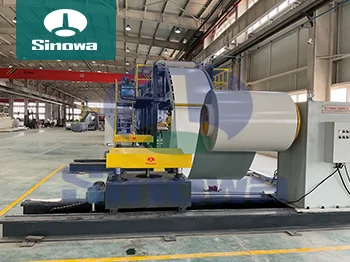
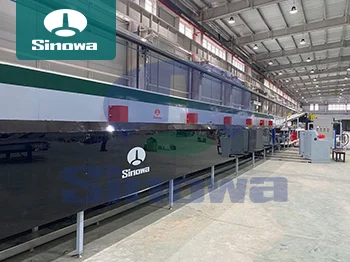
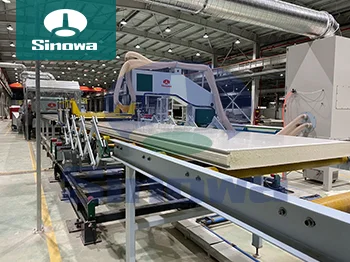
Sinowa is committed to the development and manufacturing of high-end and high-efficiency glass wool sandwich panel line. Our glass wool sandwich panel line are leading the way in efficiency, automatic control, human-computer interaction, environmental protection and energy consumption. Using system integration and bus control technology, it realizes the automatic integrated linkage control of the entire glass wool sandwich panel line, and can achieve remote interactive communication, which has the world-class level and a comprehensive leading high-performance glass wool sandwich panel line in the market.
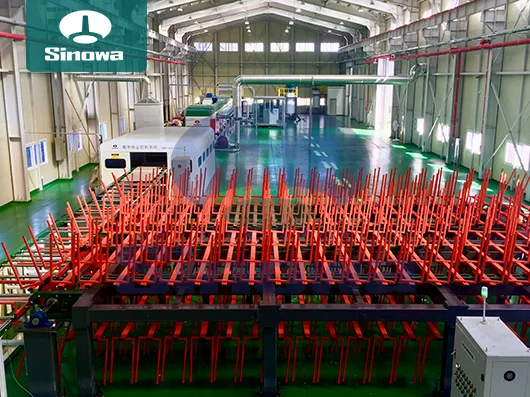
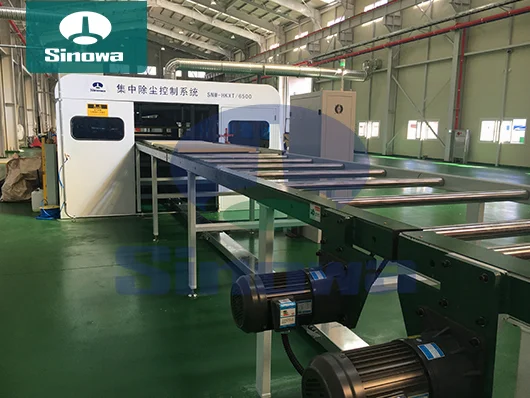
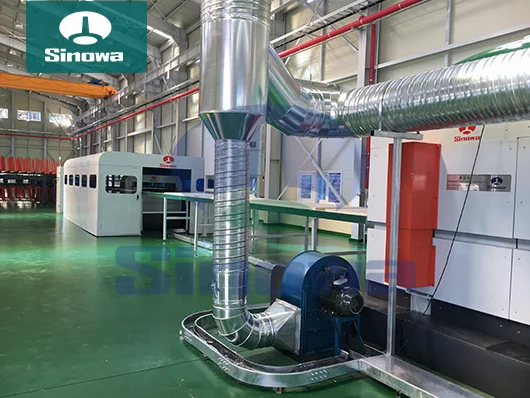
For more than ten years, relying on our innovative manufacturing concept and excellence in quality, reliable and trustworthy service to customers, we cooperate with customers all over the world, exported products to Canada, South Korea, Israel, Australia, the Middle East and other more than 20 countries and regions. contributed to building energy conservation and low-carbon production and have won widespread praise.
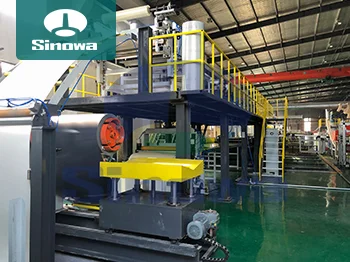
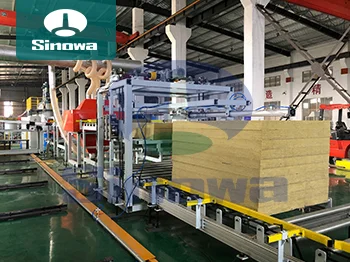
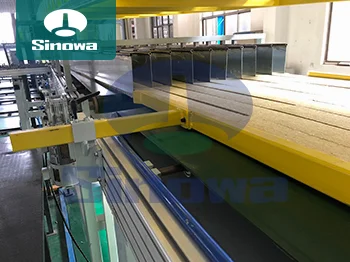
Sinowa has invested outstanding efforts in glass wool sandwich panel line, this is why our products are more efficiency, quality, automatic control technology, environmental protection, energy consumption indicators and the appearance and safety protection are comprehensively leading, some subversive design changes in many major technical points, these major innovations make our products excellent in price/performance and user experience.
For modern building enclosure solutions, the glass wool sandwich panel production line stands as a core piece of industrial equipment designed to turn raw fibrous insulation materials and metal facings into finished panels with consistent performance and dimensional precision. Every functional unit within the line works in continuous coordination, starting from the unwinding stations that hold coiled metal sheets and the feeding section that delivers bulk glass wool into the forming area. The production process is built to maintain stable alignment between the outer skin materials and the inner core, avoiding uneven bonding or shifting of the insulation layer that can undermine the final product’s usability. Operators oversee material tension, feeding speed, and adhesive distribution throughout the run, adjusting parameters to match different panel thicknesses and surface configurations. The design philosophy behind this machinery prioritizes continuous operation, reducing frequent stops that create waste and slow overall throughput. Manufacturers of these production systems spend considerable time refining the transition between each processing stage, ensuring smooth handoff from preparation to pressing, curing, trimming, and final cutting. This integrated workflow eliminates many manual handling steps that introduce human error, while also supporting flexible switching between common panel specifications without extensive reconfiguration downtime. End users who invest in such lines gain the ability to produce finished panels on demand, adapting output volume to match shifting market orders and construction project schedules, rather than relying entirely on external suppliers for prefabricated building components.
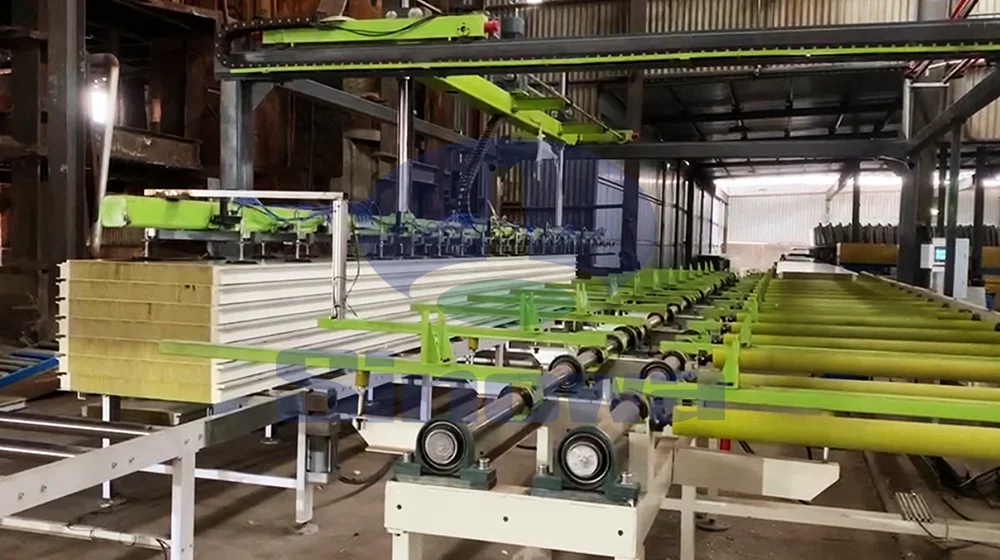
The bonding stage represents one of the most critical segments inside a glass wool sandwich panel line, where the adhesive compound is applied evenly to both the metal facings and the surfaces of the glass wool core. Uniform coating is essential because sparse or excessive adhesive leads to weak adhesion, bubbling, or seepage that affects the long-term integrity of the finished panel. The equipment controls the flow rate and spray pattern carefully, accounting for variations in ambient temperature and material surface conditions that change how the adhesive sets. Once the materials are stacked together in the correct layered arrangement, they move into the pressing zone, where controlled pressure holds the composite assembly together while the bond develops. Pressure settings are calibrated to compress the structure just enough to secure tight contact without crushing the porous glass wool core and destroying its natural insulation characteristics. Too much pressure collapses the internal fiber structure and reduces thermal performance, while insufficient pressure creates gaps between layers that compromise structural stability. Line manufacturers test these pressing modules extensively across different core densities and metal substrate types to create adjustable settings that serve a broad range of product requirements. Even small improvements in pressing consistency can reduce rejection rates significantly, helping panel producers keep material loss low and maintain predictable quality across every batch they manufacture day after day.
Material handling and forming subsystems are engineered to protect the delicate glass wool core before and during lamination, as the fibrous material is easily torn, compressed irregularly, or misaligned when moved at high line speeds. Glass wool arrives as large slabs or continuous mats, and the feeding mechanism arranges these materials into precise widths and thicknesses to match the metal skins that travel alongside them. Guiding rollers and side alignment devices keep the core centered, preventing offset edges that would create uneven trim waste later in the process. Some configurations include auxiliary brushing and cleaning units that remove loose fiber debris from the surface of the glass wool before bonding begins, preventing stray fibers from interfering with the adhesive interface. Metal sheet unwinders incorporate tension control to stop wrinkling, stretching, or twisting of the thin facings, which would leave visual defects on the exposed panel surface. All moving components are balanced to minimize vibration, because vibration can shift layers mid-process and create subtle internal defects that are hard to detect until after panels are installed. Manufacturers of the full production line focus heavily on these seemingly minor mechanical details, recognizing that reliable handling directly translates to cleaner finished surfaces and more reliable composite bonding for every panel coming off the line.
Curing systems are integrated into the continuous line to create a stable environment for the adhesive to reach full strength before panels move to cutting and finishing operations. The curing section manages temperature and residence time consistently, allowing the bonding agent to develop its designed holding power without rapid curing that causes internal stress or incomplete cross-linking. The length of the curing tunnel and the distribution of heat sources are matched to the production speed, so panels receive the same treatment whether the line runs at a moderate or higher throughput rate. Poor curing control can lead to delamination appearing weeks or months after installation, a failure mode that creates costly issues for construction contractors and building owners alike. Line designers balance energy consumption against curing effectiveness, looking for ways to contain heat within the tunnel and reduce unnecessary thermal loss to the surrounding workshop space. This careful thermal management also helps maintain a more comfortable working environment for staff operating near the equipment. Operators can adjust curing parameters remotely through the central control interface, making it straightforward to adapt when switching to different adhesive formulations or thicker composite assemblies that require longer setting cycles. This level of adjustability makes the production line suitable for diverse panel products intended for different building application scenarios.
Following curing, the continuous composite strip proceeds to trimming and cutting stations, which shape the endless material into individual panels of the required finished length and width. Side trimmers remove uneven edge portions from both sides of the composite, delivering straight, parallel edges that fit neatly during on-site installation. The cut-off saw operates synchronously with the moving line, executing flying cuts so the production flow does not need to halt every time a panel is separated. Synchronization between cutting speed and line travel speed is fine-tuned to avoid jagged edges, metal burrs, or cracking along the cut line of the glass wool core. Scrap generated from trimming can be collected through dedicated extraction channels, allowing the waste fiber to be gathered for proper disposal or recycling where local arrangements support such practices. After cutting, panels pass through inspection stations where visual checks and dimensional verification take place, flagging units with surface marks, edge damage, or measurement deviations. The line manufacturer designs this finishing sequence to reduce secondary processing work, so finished panels leave the production cycle ready for packaging and shipment without extra machining. Streamlining the final steps shortens overall lead times for panel producers and simplifies logistics for distribution to construction sites and component warehouses.
Automation and centralized control architecture define the modern generation of glass wool sandwich panel lines, bringing all individual machine modules under one unified operating interface. The control system tracks key operating data including line speed, adhesive dosage, pressure values, curing temperature, and production count in real time. Operators can view live status readouts, receive alerts when parameters drift outside predefined ranges, and save validated recipe settings for each panel type they regularly produce. Saved recipes remove the need to manually reset dozens of separate controls every time production switches between products, cutting changeover time and lowering the chance of human input error. Safety interlocks are built throughout the control framework, stopping motion automatically if access panels are opened, material jams occur, or critical sensors lose signal. Line manufacturers also design the control logic to be intuitive, prioritizing clear visual feedback over overly complex command sequences so new operators can gain proficiency steadily. Data logging capabilities offer traceability for each production run, allowing panel makers to review operating conditions whenever quality questions arise. This digital integration does not replace skilled oversight, but it gives teams far greater visibility and command over the whole continuous manufacturing process.
Maintenance and long-term service considerations shape the mechanical layout of glass wool sandwich panel lines from the earliest design stage. Moving parts, rollers, seals, pumps, and sensor probes are positioned to be accessible for routine inspection, lubrication, and replacement without major disassembly of surrounding equipment. Access doors, quick-release fastening structures, and clearly marked service points reduce the time needed for scheduled maintenance and emergency repairs. Manufacturers supply operational guidance covering wear-part replacement cycles, cleaning procedures for adhesive application components, and steps to clear material jams safely. Regular preventive maintenance preserves consistent production quality and extends the service life of the entire line, while neglect tends to trigger gradual performance drift that first appears as subtle bonding flaws or dimensional inconsistency. Many structural components are selected for resistance to accumulated adhesive residue, fine glass fiber dust, and temperature fluctuation inside the production workshop. Dust generated from glass wool processing places extra demands on bearings and drive systems, so component selection accounts for this abrasive operating environment. By designing for maintainability, the line manufacturer helps customers protect their capital investment and keep planned production schedules on track over years of continuous operation.
When businesses evaluate a glass wool sandwich panel line, the value extends beyond the physical machine itself to the engineering support that accompanies the equipment through installation, commissioning, and ongoing operation. After the equipment arrives at the production facility, alignment, connection, and system calibration require careful coordination to ensure every station communicates and moves in harmony. Commissioning teams run test batches, adjust interaction between modules, and train local teams on routine operation, quality monitoring, and basic troubleshooting. The manufacturer draws on accumulated experience from many different production sites to anticipate common layout challenges, such as workshop space constraints, material storage routing, and finished panel takeaway arrangements. The goal is to help customers build a stable, efficient production workflow that fits their site layout and business targets, whether they aim for moderate output focused on custom orders or high-volume runs for large construction projects. A well-engineered line creates a reliable foundation for panel manufacturers to deliver building components that meet the functional needs of enclosure systems. As demand for insulated building assemblies continues to grow, these production lines remain a vital industrial asset, turning raw insulation and metal materials into composite panels that serve a wide spectrum of building applications across different operating environments.
« Glass Wool Sandwich Panel Line Manufacturer » Update Date: 2026/10/26
Tags: Glass Wool Sandwich Panel Line , glass wool sandwich panel line, glass wool sandwich panel line manufacturer, glass wool sandwich panel line supplier, glass wool sandwich panel line for sale, customized glass wool sandwich panel line, china glass wool sandwich panel line
- Cheap Sandwich Roof Wall Panel Making Machine
- High Efficiency Isolation Sandwich Panel Production Line
- High-tech Sandwich Panel Manufacturing Line
- Custom Wall Sandwich Panel Production Line
- Sandwich Panel Making Machine From China
- Cold Storage Sandwich Panel Production Line
- PU Isolation Panel Production Line Supplier
- High-tech Glass Wool Panel Production Line
- Sandwich Panel Line
- Low Price PU Insulation Board Production Line
- Glass Wool Line Price
- High-tech PU Insulation Panel Production Line
- High-quality Glass Wool Equipment
- High-end PU Sandwich Panel Line
- Top Insulation Sandwich Panel Machines
- Corrugated Sandwich Panel Production Line Factory
- PUF Panel Manufacturing Machine From China
- Glass Wool Sandwich Panel Production Line Supplier
- High-quality PUR Sandwich Panel Line
- Polyurethane Sandwich Panel Production Line Design
- Links:
- Sandwich Panel Continuous Production Line
- Automatic and Continuous Sandwich Panel Production Line
- Cheap and Low Price Sandwich Panel Production Line
- China Sandwich Panel Production Line Factory
- Color Steel Sandwich Panel Production Line For Cold Storage
- Continuous Composite Foam Sandwich Panel Production Line
- Continuous Production Line For Rockwool and Mineral Wool Sandwich Panels
- Continuous PU Phenolic Insulation Panel Production Line
- Continuous PU PIR Sandwich Panel Production Line
- Continuous PUF PUR Sandwich Panel Production Line
- Continuous Sandwich Panel Production Line For Roof and Wall
- Customized and Design Sandwich Panel Production Line
- Decorative Sandwich Panel Production Line For Glass Wool Boards
- High Quality Sandwich Panel Production Line For Sale
- Polyurethane(PU) Sandwich Panel Production Line
- Sandwich Panel Production Line Manufacturer and Supplier
- Sandwich Panel Production Machinery and Equipment