
Polyurethane Sandwich Panel Production Line Design
Sinowa is a well-known manufacturer and technical service provider of high-end polyurethane sandwich panel production line, learn more about polyurethane sandwich panel production line design, please contact Sinowa's technical engineer, tell us what you need, we will contact you as soon as possible!
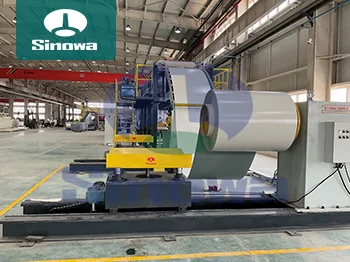
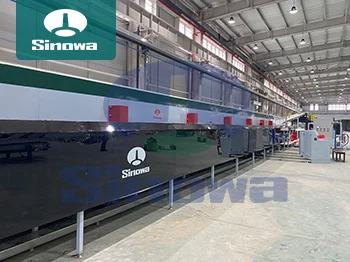
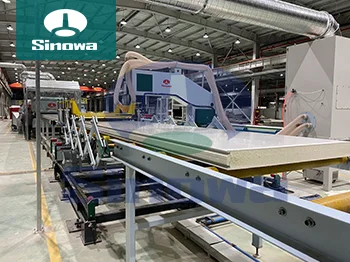
Sinowa is committed to the development and manufacturing of high-end and high-efficiency polyurethane sandwich panel production line. Our polyurethane sandwich panel production line are leading the way in efficiency, automatic control, human-computer interaction, environmental protection and energy consumption. Using system integration and bus control technology, it realizes the automatic integrated linkage control of the entire polyurethane sandwich panel production line, and can achieve remote interactive communication, which has the world-class level and a comprehensive leading high-performance polyurethane sandwich panel production line in the market.
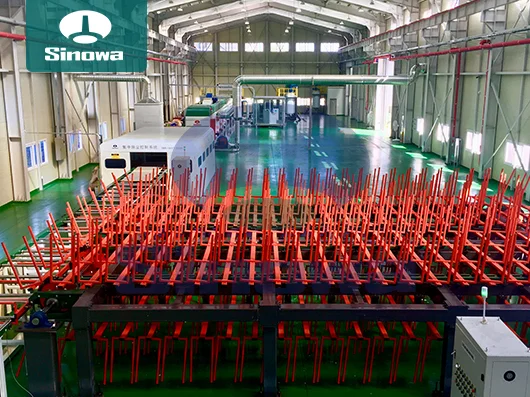
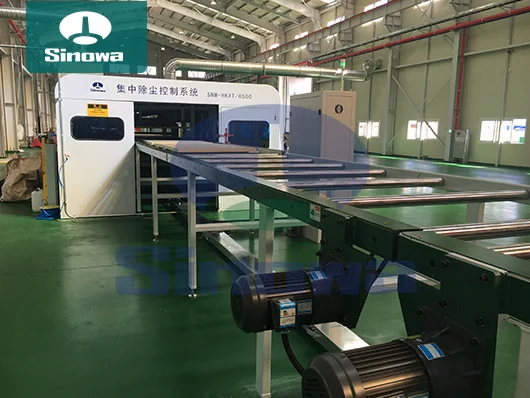
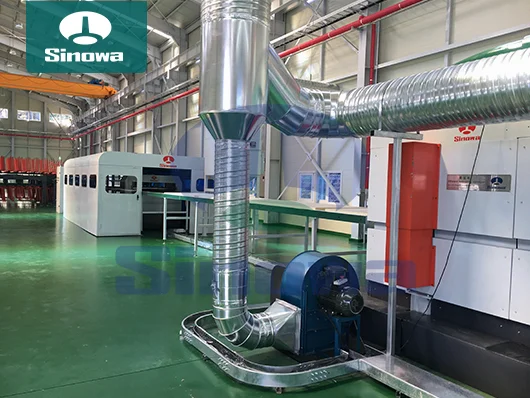
For more than ten years, relying on our innovative manufacturing concept and excellence in quality, reliable and trustworthy service to customers, we cooperate with customers all over the world, exported products to Canada, South Korea, Israel, Australia, the Middle East and other more than 20 countries and regions. contributed to building energy conservation and low-carbon production and have won widespread praise.
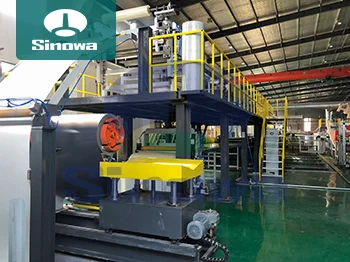
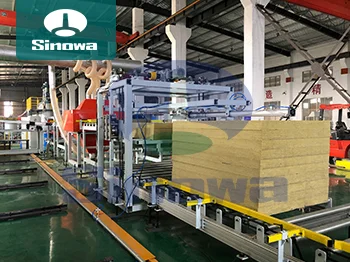
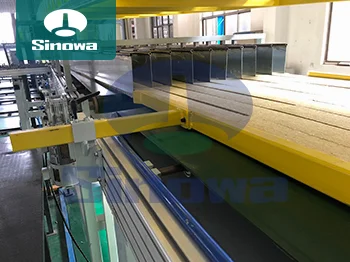
Sinowa has invested outstanding efforts in polyurethane sandwich panel production line, this is why our products are more efficiency, quality, automatic control technology, environmental protection, energy consumption indicators and the appearance and safety protection are comprehensively leading, some subversive design changes in many major technical points, these major innovations make our products excellent in price/performance and user experience.
Polyurethane sandwich panels have become indispensable materials in modern construction, refrigeration, and industrial applications due to their excellent thermal insulation, structural strength, lightweight properties, and soundproofing capabilities. These panels consist of a polyurethane foam core sandwiched between two facing materials, which can be metal sheets, aluminum foil, non-woven fabrics, or other composite materials, forming a stable and durable "sandwich" structure. The performance and quality of polyurethane sandwich panels are inherently determined by the design and functionality of the production line. A well-designed production line not only ensures consistent product quality but also enhances production efficiency, reduces energy consumption, and adapts to diverse production requirements, laying a solid foundation for large-scale and standardized manufacturing. The design of a polyurethane sandwich panel production line is a systematic project that involves integrating multiple functional modules, optimizing process parameters, and considering factors such as operational safety, environmental friendliness, and long-term operational stability. Every link from raw material handling to finished product stacking requires careful planning and precise design to achieve the balance between production efficiency, product quality, and cost control.
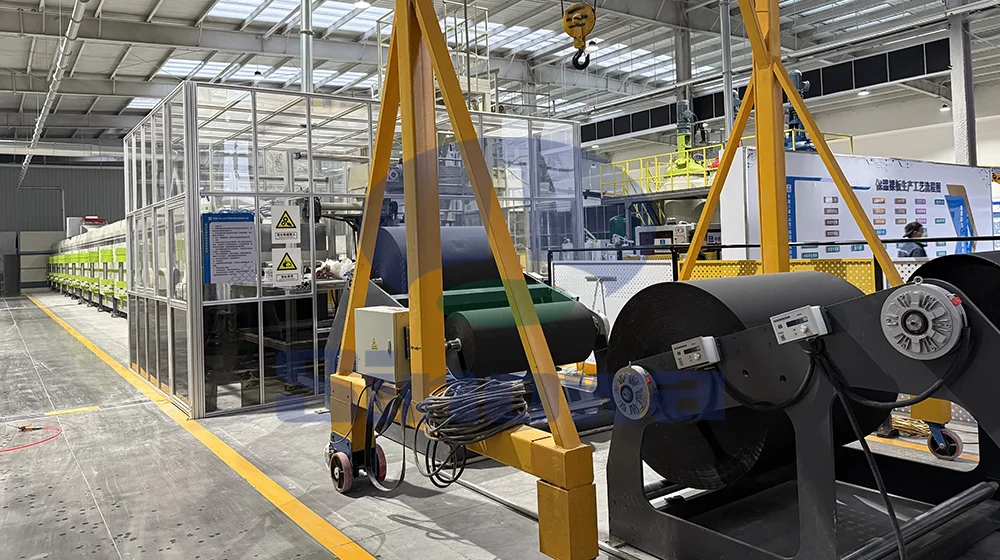
The core design concept of a polyurethane sandwich panel production line is to realize the seamless connection of each process link, ensure the stability and precision of each operation, and meet the diverse needs of different types of panels. Before starting the design, it is necessary to conduct in-depth research on the application scenarios of the produced panels, including the required thickness, density, facing material type, and performance indicators such as thermal conductivity and flame retardancy. These requirements directly determine the configuration of the production line, the selection of core equipment, and the setting of process parameters. For example, panels used in cold storage facilities require higher thermal insulation performance, which means the production line needs to ensure the uniformity of the polyurethane foam core density and the firmness of the bonding between the core and the facing materials; panels used in high-rise building exterior walls need to meet strict flame retardant and structural strength requirements, so the design must focus on the control of foam flame retardant additives and the precision of the forming process. In addition, the design should also consider the production scale, that is, whether it is for large-scale continuous production or small-to-medium batch customized production, which will affect the choice between continuous and discontinuous production line modes.
A complete polyurethane sandwich panel production line is a highly integrated electromechanical system, which is mainly composed of raw material processing and feeding system, facing material handling system, foaming and forming system, curing system, cutting system, stacking and packaging system, and automatic control system. Each module undertakes a specific function, and the coordination and matching between modules directly affect the overall operation efficiency and product quality of the production line. The raw material processing and feeding system is the starting link of the production line, which is responsible for the storage, preprocessing, and precise feeding of polyurethane raw materials. Polyurethane foam is formed by the reaction of isocyanates and polyols, mixed with appropriate additives such as catalysts, blowing agents, flame retardants, and stabilizers. The design of this system needs to ensure the accurate metering of each component, with a mixing accuracy that can reach ±1.5% to avoid uneven foam density caused by incorrect mixing ratio, which will affect the thermal insulation and structural performance of the panels. The raw material storage tank should be equipped with a temperature control device to maintain the raw materials at a stable temperature, preventing the change of material properties due to temperature fluctuations. At the same time, a filtering device should be installed in the feeding pipeline to remove impurities in the raw materials, avoid blocking the mixing head, and ensure the smooth progress of the foaming reaction.
The facing material handling system is responsible for the uncoiling, leveling, surface treatment, and conveying of the facing materials. For metal facing materials such as color steel plates and aluminum plates, the system usually includes uncoiling machines, leveling machines, surface cleaning devices, and optional film laminating equipment. The uncoiling machine adopts hydraulic or mechanical unwinding mode to ensure the stable and uniform unwinding of the coil, avoiding the deviation of the facing material during the conveying process. The leveling machine is used to eliminate the internal stress of the metal plate, make the surface flat, and ensure the flatness of the final panel. The surface cleaning device removes oil stains, oxides, and dust on the surface of the metal plate through high-pressure ion air or chemical cleaning methods, which can significantly improve the bonding strength between the facing material and the polyurethane foam core, preventing the phenomenon of delamination between the core and the facing during use. For some high-demand panels, film laminating equipment can be added to cover a layer of polymer film on the surface of the facing material, enhancing the weather resistance, corrosion resistance, and aesthetics of the panel. The conveying speed of the facing material should be synchronized with the foaming and forming speed to ensure that the foam is evenly distributed between the two layers of facing materials.
The foaming and forming system is the core part of the polyurethane sandwich panel production line, which directly determines the quality of the panel core and the overall structure. This system mainly includes a high-pressure foaming machine, a mixing head, and a double-track laminating machine. The high-pressure foaming machine is the key equipment for producing polyurethane foam, which sends the metered isocyanates, polyols, and additives to the mixing head through a metering pump for rapid and uniform mixing. The mixing head adopts a high-speed stirring structure to ensure that the raw materials are fully mixed in a short time, forming a uniform foam mixture. The double-track laminating machine is composed of upper and lower circulating steel strips, heating pressure plates, and a forming channel with adjustable height. The two layers of facing materials after surface treatment are conveyed to the forming channel, and the mixed foam mixture is evenly poured between the two layers of facing materials through the mixing head. The heating pressure plates on the upper and lower sides of the forming channel provide a stable temperature and pressure environment, promoting the foaming and curing reaction of the polyurethane foam. The temperature of the forming channel is usually controlled at 45°C ± 2°C, and the pressure is adjusted according to the thickness and density requirements of the panel to ensure that the foam is fully foamed and bonded firmly with the facing materials. The design of the forming channel should consider the foaming time of the polyurethane, and the length of the channel should be sufficient to ensure that the foam is initially cured before entering the next process.
The curing system is used to ensure that the polyurethane foam is fully cured, forming a stable structure and meeting the required performance indicators. After the panel is formed in the double-track laminating machine, it enters the curing zone for further curing. The curing zone is usually 30-50 meters long, equipped with an infrared heating system or a hot air circulation system to maintain a stable temperature. The curing temperature and time are determined according to the type of polyurethane raw materials and the thickness of the panel. Generally, the curing temperature is controlled between 50-60°C, and the curing time is 20-30 minutes. During the curing process, the temperature should be evenly distributed to avoid local overheating or insufficient heating, which will lead to uneven curing of the foam, affecting the density and strength of the core. In addition, the curing zone should be equipped with a ventilation device to discharge the volatile gas generated during the curing process, ensuring the environmental friendliness of the production process and the quality of the panel.
The cutting system is responsible for cutting the continuously produced panels into the required length and trimming the edges to ensure the dimensional accuracy of the finished products. The cutting system usually adopts a flying saw cutting machine with servo control, which can achieve precise cutting while the production line is running without stopping, ensuring the continuity of production. The cutting accuracy can reach ±1 mm, which meets the strict requirements of building and industrial applications for panel dimensions. The cutting machine is equipped with a high-speed circular saw blade, which can quickly cut through the panel without causing damage to the facing material or the foam core. In addition, the cutting system should be equipped with an edge trimming device to trim the irregular edges of the panel, ensuring the flatness and aesthetics of the panel edges. The cutting length can be adjusted according to the customer's requirements through the automatic control system, realizing flexible production.
The stacking and packaging system is the final link of the production line, which is responsible for the automatic stacking, packaging, and storage of the cut finished panels. This system usually includes a conveying roller, an automatic flipping device, a stacking machine, and a packaging machine. The finished panels are conveyed to the stacking area through the conveying roller, and the automatic flipping device adjusts the direction of the panels to ensure that they are stacked neatly. The stacking machine adopts a robotic arm or a vacuum suction cup structure, which can quickly and stably stack the panels into the required height and shape, improving stacking efficiency and reducing manual labor intensity. The packaging machine wraps the stacked panels with plastic film or packaging paper to prevent dust, moisture, and damage during storage and transportation. The design of the stacking and packaging system should consider the weight and size of the panels, ensuring the stability of the stack and the reliability of the packaging. At the same time, the system should be able to adapt to different sizes of panels, realizing flexible stacking and packaging.
The automatic control system is the "brain" of the entire production line, which is responsible for the coordination and control of each module, ensuring the stable and efficient operation of the production line. The control system adopts a PLC + bus control mode, with a user-friendly operation interface, which is convenient for operators to monitor and adjust the production process. The system can realize the automatic control of key parameters such as raw material metering, conveying speed, foaming temperature, curing time, and cutting length, ensuring the consistency of product quality. In addition, the control system is equipped with a fault self-diagnosis function, which can quickly detect faults in each module and send an alarm signal, helping operators to find and solve problems in a timely manner, reducing downtime. Some advanced control systems also support remote monitoring and operation, allowing managers to grasp the production status of the production line in real time and adjust production parameters remotely, improving the management efficiency of the production line.
In the design process of the polyurethane sandwich panel production line, in addition to the configuration and optimization of the above core modules, it is also necessary to consider factors such as energy efficiency, environmental protection, and operational safety. With the increasing emphasis on sustainable manufacturing, energy efficiency has become a key design principle. The production line usually consumes a lot of energy for heating, foam mixing, and material transportation. Therefore, the design should adopt energy-saving measures such as high-efficiency motors, full-enclosed thermal insulation structures, and waste heat recovery systems to reduce energy consumption. For example, insulating the laminating conveyor and curing zone can reduce heat loss, and the waste heat generated during the curing process can be recycled to heat the raw materials or the forming channel, improving energy utilization efficiency. In terms of environmental protection, the production line should be equipped with dust removal and waste gas treatment devices to collect and treat the dust and volatile gas generated during the production process, ensuring that the emissions meet the relevant environmental standards. At the same time, the selection of raw materials should prioritize environmentally friendly products, such as using pentane foaming technology instead of traditional fluorine-containing blowing agents, which has a zero ozone depletion potential (ODP) and is more environmentally friendly.
Operational safety is another important factor that cannot be ignored in the design of the production line. The production line involves high-pressure equipment, high-temperature heating systems, and moving parts, which have certain potential safety hazards. Therefore, the design should be equipped with complete safety protection devices, such as emergency stop buttons, safety guards, and temperature and pressure monitoring devices. The emergency stop buttons should be installed at each key operation position to ensure that operators can quickly stop the operation of the production line in case of an emergency. The safety guards are used to isolate the moving parts such as the cutting machine and the conveying roller to prevent operators from being injured. The temperature and pressure monitoring devices can real-time monitor the temperature and pressure of the foaming and curing process, and automatically alarm or stop the machine when the parameters exceed the safe range, avoiding safety accidents. In addition, the design of the production line should also consider the convenience of maintenance and maintenance, with reasonable layout and sufficient maintenance space, making it easy for operators to inspect, maintain, and replace equipment parts, reducing maintenance costs and downtime.
Modularity and versatility are important development trends in the design of modern polyurethane sandwich panel production lines. Modular design allows different functional units to be easily combined or replaced, enabling the production line to adapt to different product specifications and production needs. For example, by replacing the foaming module, the production line can produce panels with different core materials such as polyurethane, rock wool, or phenolic foam; by adjusting the feeding system and forming channel, it can produce panels of different thicknesses and widths, including wall panels, roof panels, and cold storage panels. This modular design not only improves the flexibility and adaptability of the production line but also facilitates the maintenance and upgrade of the equipment. When the production needs change or the equipment needs to be upgraded, only the corresponding modules need to be replaced or modified, without replacing the entire production line, reducing investment costs.
The performance of the polyurethane sandwich panel production line is also affected by the selection of equipment and materials. The core equipment such as the high-pressure foaming machine, mixing head, and cutting machine should be selected with reliable performance and stable operation to ensure the long-term operational stability of the production line. The materials used in the equipment, such as the steel strips of the double-track laminating machine and the saw blade of the cutting machine, should have high wear resistance and corrosion resistance to extend the service life of the equipment. In addition, the selection of auxiliary equipment such as conveying rollers and bearings should also meet the requirements of high load and long-term operation to avoid frequent equipment failures affecting production progress.
In the actual operation process, the production line needs to be debugged and optimized continuously to achieve the best production effect. After the installation of the production line, it is necessary to conduct trial operation, adjust the process parameters such as raw material mixing ratio, foaming temperature, and conveying speed, and test the quality of the produced panels. According to the test results, the parameters are continuously optimized to ensure that the panels meet the required performance indicators. At the same time, the operators should be trained professionally to master the operation skills of the equipment and the adjustment method of process parameters, so as to ensure the correct operation of the production line and reduce the occurrence of operational errors.
With the continuous development of construction and industrial industries, the demand for polyurethane sandwich panels is increasing, and the requirements for product quality and production efficiency are also getting higher and higher. This puts forward new requirements for the design of polyurethane sandwich panel production lines. In the future, the design of the production line will be more intelligent, environmentally friendly, and flexible. The integration of artificial intelligence technology will realize the intelligent monitoring and adjustment of the production process, improving the accuracy and efficiency of parameter control; the application of new energy-saving and environmental protection technologies will further reduce energy consumption and environmental pollution; the modular and flexible design will make the production line better adapt to the personalized and customized production needs of the market. At the same time, the design will also pay more attention to the integration of the production line with the entire industrial chain, realizing the coordinated development of raw material supply, production, and product sales, improving the overall competitiveness of the enterprise.
In conclusion, the design of a polyurethane sandwich panel production line is a comprehensive project that involves multiple disciplines such as mechanical design, electrical control, chemical engineering, and material science. It requires full consideration of product requirements, production scale, energy efficiency, environmental protection, and operational safety, and the reasonable configuration of each functional module to achieve the balance between production efficiency, product quality, and cost control. A well-designed production line can not only ensure the stable production of high-quality polyurethane sandwich panels but also help enterprises improve production efficiency, reduce production costs, and enhance market competitiveness. With the continuous progress of technology and the changing market demand, the design concept and technology of the polyurethane sandwich panel production line will continue to innovate and develop, making greater contributions to the development of the construction and industrial industries.
« Polyurethane Sandwich Panel Production Line Design » Update Date: 2026/4/17
- Polyurethane Sandwich Panel Line For Sale
- Polyurethane Insulation Panel Production Line On Sales
- Polyurethane Foam Production Line Factory
- Low Price Continuous PUF Panel Production Line
- Sandwich Panel Machine Price
- High-tech Continuous PU Sandwich Panel Production Line
- Continuous Sandwich Panel Line Manufacturer
- Sandwich Panel Making Machine Manufacturer
- Sandwich Panel Machine Made In China
- Insulated Sandwhich Panel Production Line
- Insulated Sandwich Panel Line Price
- Sandwich Panel Manufacturing Line From China
- Sandwich Panel Manufacturing Line
- Composite Sandwich Panel Production Line On Sales
- Cheap Sandwich Wall Panel Production Line
- Sandwich Panel Line Design
- Customized Sandwich Panel Production Line
- Foam Sandwich Panel Production Line Factory
- Foam Sandwich Panel Machine From China
- Sandwich Panel Line Factory
- Links:
- Sandwich Panel Continuous Production Line
- Automatic and Continuous Sandwich Panel Production Line
- Cheap and Low Price Sandwich Panel Production Line
- China Sandwich Panel Production Line Factory
- Color Steel Sandwich Panel Production Line For Cold Storage
- Continuous Composite Foam Sandwich Panel Production Line
- Continuous Production Line For Rockwool and Mineral Wool Sandwich Panels
- Continuous PU Phenolic Insulation Panel Production Line
- Continuous PU PIR Sandwich Panel Production Line
- Continuous PUF PUR Sandwich Panel Production Line
- Continuous Sandwich Panel Production Line For Roof and Wall
- Customized and Design Sandwich Panel Production Line
- Decorative Sandwich Panel Production Line For Glass Wool Boards
- High Quality Sandwich Panel Production Line For Sale
- Polyurethane(PU) Sandwich Panel Production Line
- Sandwich Panel Production Line Manufacturer and Supplier