
Cheap Polyurethane Sandwich Panel Manufacturing Line
Sinowa is a well-known manufacturer and technical service provider of high-end polyurethane sandwich panel manufacturing line, learn more about cheap polyurethane sandwich panel manufacturing line, please contact Sinowa's technical engineer, tell us what you need, we will contact you as soon as possible!
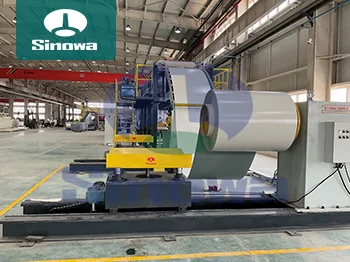
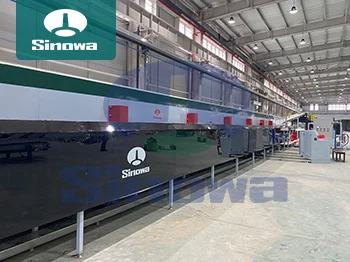
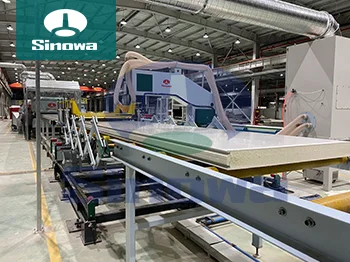
Sinowa is committed to the development and manufacturing of high-end and high-efficiency polyurethane sandwich panel manufacturing line. Our polyurethane sandwich panel manufacturing line are leading the way in efficiency, automatic control, human-computer interaction, environmental protection and energy consumption. Using system integration and bus control technology, it realizes the automatic integrated linkage control of the entire polyurethane sandwich panel manufacturing line, and can achieve remote interactive communication, which has the world-class level and a comprehensive leading high-performance polyurethane sandwich panel manufacturing line in the market.
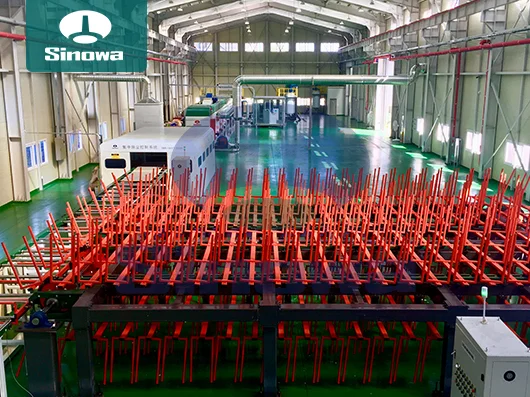
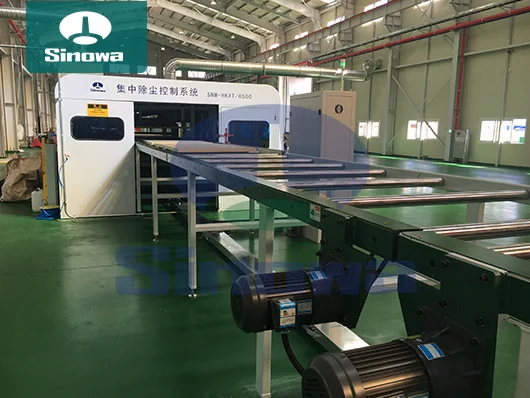
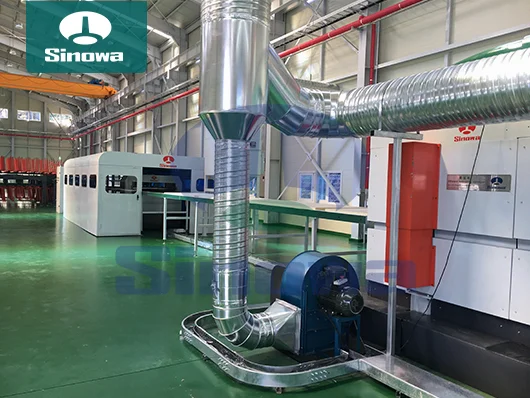
For more than ten years, relying on our innovative manufacturing concept and excellence in quality, reliable and trustworthy service to customers, we cooperate with customers all over the world, exported products to Canada, South Korea, Israel, Australia, the Middle East and other more than 20 countries and regions. contributed to building energy conservation and low-carbon production and have won widespread praise.
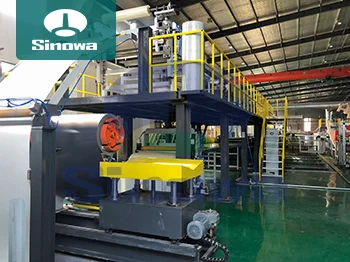
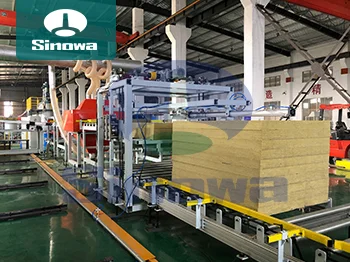
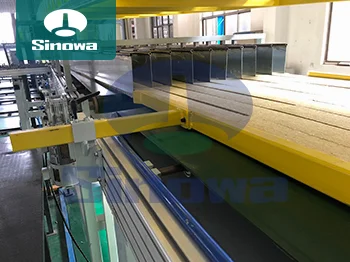
Sinowa has invested outstanding efforts in polyurethane sandwich panel manufacturing line, this is why our products are more efficiency, quality, automatic control technology, environmental protection, energy consumption indicators and the appearance and safety protection are comprehensively leading, some subversive design changes in many major technical points, these major innovations make our products excellent in price/performance and user experience.
Cheap polyurethane sandwich panel manufacturing lines have emerged as practical and cost-effective production solutions for the lightweight building material industry, catering to the growing market demand for affordable, high-performance thermal insulation and structural panels. Optimized for cost efficiency without sacrificing core production capabilities, these automated production systems integrate streamlined material processing, precise chemical foaming, continuous composite molding, and intelligent curing procedures to deliver stable batch production of polyurethane sandwich panels. Designed to lower overall production thresholds for small and medium-scale manufacturers, the equipment simplifies complex production workflows, reduces redundant mechanical structures, and minimizes energy and material waste during operation. The panels produced by such lines feature excellent thermal insulation, soundproofing, and structural stability, making them widely applicable in prefabricated buildings, warehouse enclosures, cold storage facilities, and temporary construction structures. Balancing economical equipment investment and reliable product quality, these manufacturing lines have become a mainstream choice for grassroots production enterprises expanding their building material product lines.
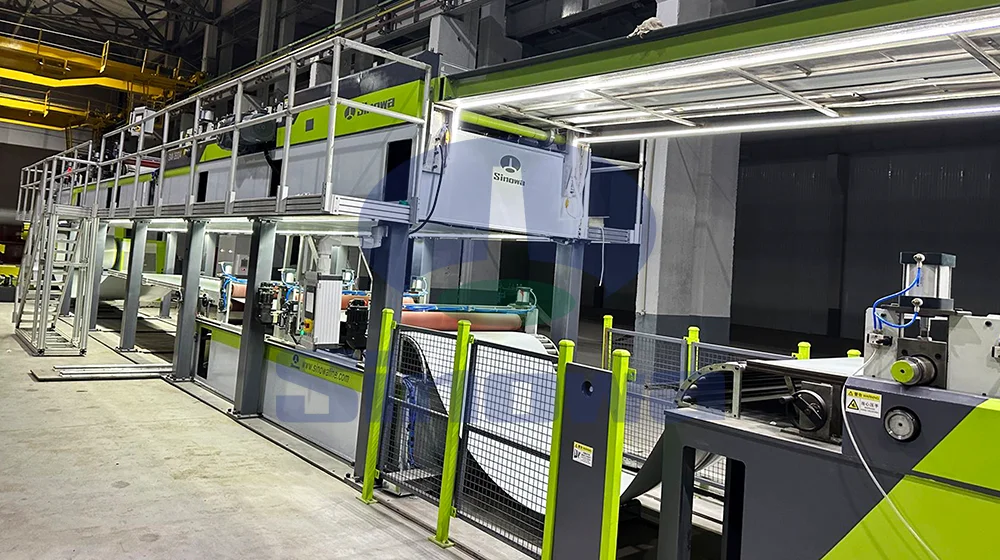
The core design philosophy of affordable polyurethane sandwich panel manufacturing lines focuses on functional optimization and cost rationalization, abandoning overcomplicated industrial configurations while retaining all essential production modules required for qualified panel manufacturing. Unlike high-end customized production equipment with redundant high-precision accessories, cost-effective production lines adopt a modular integrated structure that merges independent functional units such as raw material metering, surface material pretreatment, polyurethane foaming, composite lamination, and constant-temperature curing into a compact and collaborative system. This structural optimization greatly reduces equipment manufacturing costs, installation space requirements, and daily maintenance expenses, making the equipment accessible to manufacturers with limited capital budgets. Meanwhile, the core production components including high-pressure mixing systems and continuous molding belts retain reliable industrial-grade performance, ensuring that the chemical reaction and composite forming process of polyurethane materials remain stable. The overall design prioritizes practicality and durability, with wear-resistant mechanical parts and simplified control logic that adapt to long-term continuous industrial operation, effectively avoiding frequent equipment failures caused by overly sophisticated and fragile structures in conventional high-cost equipment.
Raw material pretreatment and precise feeding systems form the foundational operational link of cheap polyurethane sandwich panel manufacturing lines, directly affecting the flatness, adhesion, and overall quality of finished panels. The equipment is equipped with standardized surface material unwinding, leveling, and cleaning devices that process common metal and non-metal surface plates used for sandwich panels. These devices effectively remove surface dust, oil stains, and irregular deformations through mechanical leveling and simple cleaning processes, creating a clean and flat bonding interface for subsequent polyurethane foaming and composite bonding. In terms of polyurethane raw material supply, the line adopts an accurate proportional metering and automatic feeding system that stably controls the mixing ratio of two-component polyurethane chemical materials. The system features stable material delivery pressure and uniform feeding speed, eliminating the material waste caused by inaccurate manual batching in traditional semi-automatic equipment. Through continuous and quantitative raw material supply, the production line ensures consistent foaming effects of polyurethane core layers in each batch of panels, avoiding quality defects such as uneven density and incomplete foaming, and laying a solid foundation for standardized product production.
Polyurethane high-pressure mixing and continuous foaming technology constitutes the core functional module that determines the thermal insulation and structural performance of finished panels in cost-effective production lines. After precise proportional metering, the two-component polyurethane raw materials are transported to the high-pressure mixing chamber, where they undergo thorough stirring and instantaneous mixing to form a homogeneous reactive liquid mixture. The optimized mixing structure reduces pressure loss during material transmission, enables full fusion of chemical components, and improves the utilization rate of raw materials. The mixed liquid is evenly sprayed on the continuously moving lower surface material through a wide-range quantitative spraying mechanism, which can flexibly adjust spraying thickness and coverage according to different panel thickness specifications. In the closed composite space of the production line, the polyurethane liquid undergoes rapid chemical foaming, expansion, and gelation reactions, gradually forming a dense and uniform foam core layer. The entire foaming process is completed in a continuous linear state, ensuring seamless combination between the foam core and upper and lower surface materials, effectively preventing common problems such as hollowing, delamination, and weak adhesion in inferior sandwich panels.
Composite lamination and constant-temperature curing systems are key links to shape the overall structure and stabilize the performance of polyurethane sandwich panels in economical manufacturing lines. The production line is equipped with a double-belt continuous molding system, which undertakes multiple core tasks including material pressing, composite fitting, and preliminary shaping. The upper and lower synchronous operating belts maintain stable transmission speed and uniform pressing force, enabling the polyurethane foam core and surface materials to achieve tight and seamless bonding under continuous mechanical pressure. Equipped with a multi-section zoning temperature control curing tunnel, the equipment can intelligently adjust the internal curing temperature according to panel thickness and polyurethane foaming characteristics. The constant-temperature curing environment promotes complete chemical reaction and solidification of polyurethane materials, stabilizes the internal bubble structure of the foam layer, and ensures consistent density and uniform pore size of the core layer. This systematic molding and curing process effectively enhances the overall structural strength and thermal insulation stability of the panels, ensuring that mass-produced products maintain unified performance standards while controlling production costs.
Post-processing and intelligent control systems of cheap polyurethane sandwich panel manufacturing lines further improve production efficiency and product qualification rate with low-cost and high-practicality configurations. After curing and shaping, the continuous panel blanks automatically enter the cutting and trimming unit, which precisely cuts the panels into standard sizes through fixed-program mechanical cutting technology. The trimming process removes irregular edges and excess foam materials, ensuring neat and uniform panel dimensions, and the recycled leftover materials can be properly processed to reduce raw material waste. The entire production process is regulated by a simplified intelligent control system, which integrates parameter setting, operation monitoring, and fault reminder functions. Operators can adjust production speed, material ratio, curing temperature, and cutting parameters through a simple operating interface, realizing semi-automatic and fully automatic switching of production modes. The system’s real-time monitoring function can identify abnormal fluctuations in production parameters and trigger timely reminders, helping operators quickly eliminate hidden faults, reduce defective product rates, and stabilize continuous and efficient production operations.
In terms of operational advantages and cost performance, affordable polyurethane sandwich panel manufacturing lines present prominent comprehensive benefits for small and medium-sized production enterprises. Compared with expensive fully customized production equipment, these lines have lower initial investment costs, shorter equipment installation and commissioning cycles, and lower requirements for factory site and supporting facilities, greatly reducing the entry threshold for the sandwich panel production industry. In daily production operations, the optimized mechanical structure reduces equipment energy consumption and wear loss, while the precise raw material control system minimizes material waste, effectively cutting down long-term production and operation costs. In addition, the equipment features simple operation and low maintenance difficulty, requiring no highly professional technical personnel for daily operation and routine maintenance, which saves labor training and employment costs for enterprises. Despite the cost advantages, the production quality of the panels fully meets the practical application needs of most civil and industrial construction scenarios, achieving an optimal balance between production cost and product practicability.
With the continuous development of the prefabricated construction industry and the increasing market demand for energy-saving building materials, cheap polyurethane sandwich panel manufacturing lines are showing broader market application prospects and continuous technological optimization potential. The lightweight, thermal-insulating, and cost-saving characteristics of polyurethane sandwich panels make them increasingly popular in modular buildings, cold storage insulation, factory enclosure renovation, and temporary engineering construction. Driven by market demand, related production line technologies are constantly upgraded, with more energy-saving and environmentally friendly production processes, more stable control systems, and more flexible production parameter adjustment functions being applied to cost-effective equipment. These optimized manufacturing lines will further adapt to diversified customized production needs while maintaining low-cost advantages. For grassroots building material manufacturers, such economical and practical production equipment provides a reliable way to expand production scale, enrich product categories, and improve market competitiveness, and will continue to play an important role in promoting the popularization and application of high-efficiency thermal insulation building materials.
« Cheap Polyurethane Sandwich Panel Manufacturing Line » Update Date: 2026/8/26
- High Efficiency Glass Wool Panel Production Line
- Glass Wool Panel Production Line For Sale
- Cheap PU Board Production Line
- Polyurethane Sandwich Panel Line For Building
- Sandwich Panel Making Machine Factory
- Customized PUR Sandwich Panel Line
- Polyurethane Sandwich Panel Manufacturing Plant
- Low Price Fully Automatic PU Sandwich Panel Line
- Glass Wool Equipment Price
- Low Price PU Insulation Panel Production Line
- Highly Intelligent Polyurethane Sandwich Panel Line
- Sandwich Panel Manufacturing Line Design
- Low Price PIR Insulation Panel Production Line
- Glass Wool Sandwich Panel Line For Roof
- PUR Sandwich Panel Line From China
- Cheap PU Isolation Panel Production Line
- Sandwich Wall Panel Production Line Price
- High-end PIR Wall Panel Production Line
- PU Sandwich Panel Making Machine For Cold Room
- Sandwich Foam Panel Making Machine Supplier
- Links:
- Sandwich Panel Continuous Production Line
- Automatic and Continuous Sandwich Panel Production Line
- Cheap and Low Price Sandwich Panel Production Line
- China Sandwich Panel Production Line Factory
- Color Steel Sandwich Panel Production Line For Cold Storage
- Continuous Composite Foam Sandwich Panel Production Line
- Continuous Production Line For Rockwool and Mineral Wool Sandwich Panels
- Continuous PU Phenolic Insulation Panel Production Line
- Continuous PU PIR Sandwich Panel Production Line
- Continuous PUF PUR Sandwich Panel Production Line
- Continuous Sandwich Panel Production Line For Roof and Wall
- Customized and Design Sandwich Panel Production Line
- Decorative Sandwich Panel Production Line For Glass Wool Boards
- High Quality Sandwich Panel Production Line For Sale
- Polyurethane(PU) Sandwich Panel Production Line
- Sandwich Panel Production Line Manufacturer and Supplier