
Foam Core Sandwich Panel Line On Sales
Sinowa is a well-known manufacturer and technical service provider of high-end foam core sandwich panel line, learn more about foam core sandwich panel line on sales, please contact Sinowa's technical engineer, tell us what you need, we will contact you as soon as possible!
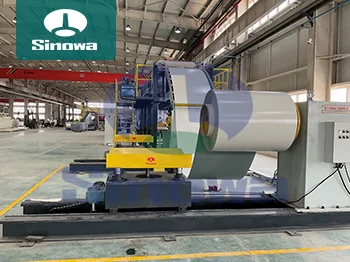
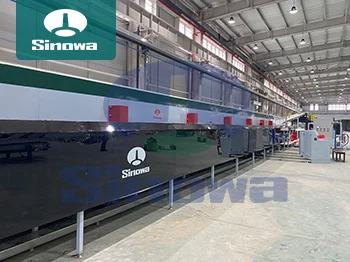
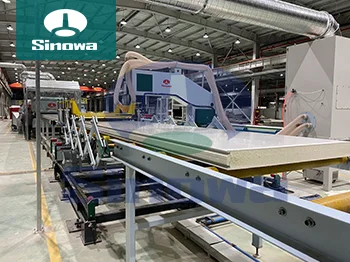
Sinowa is committed to the development and manufacturing of high-end and high-efficiency foam core sandwich panel line. Our foam core sandwich panel line are leading the way in efficiency, automatic control, human-computer interaction, environmental protection and energy consumption. Using system integration and bus control technology, it realizes the automatic integrated linkage control of the entire foam core sandwich panel line, and can achieve remote interactive communication, which has the world-class level and a comprehensive leading high-performance foam core sandwich panel line in the market.
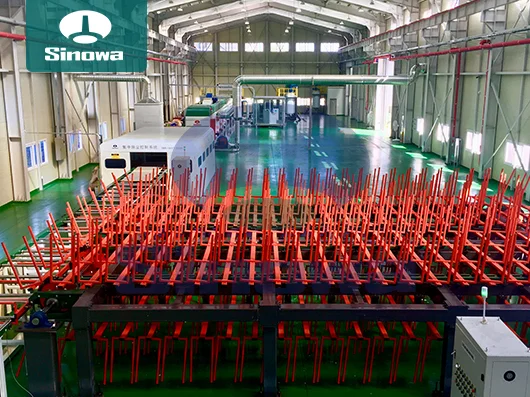
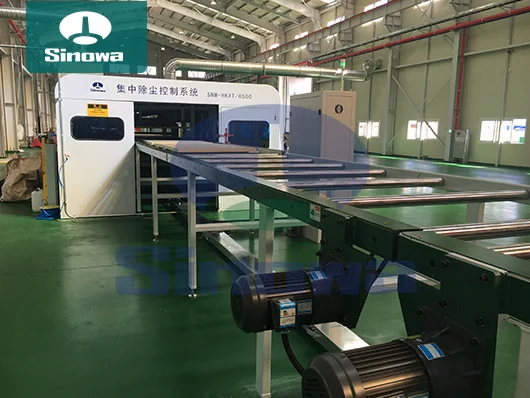
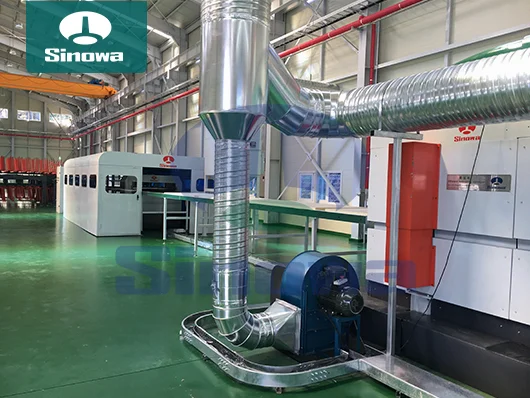
For more than ten years, relying on our innovative manufacturing concept and excellence in quality, reliable and trustworthy service to customers, we cooperate with customers all over the world, exported products to Canada, South Korea, Israel, Australia, the Middle East and other more than 20 countries and regions. contributed to building energy conservation and low-carbon production and have won widespread praise.
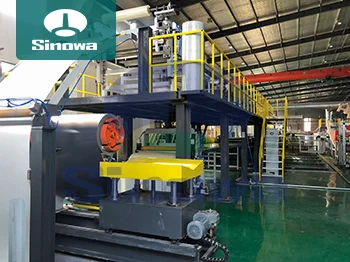
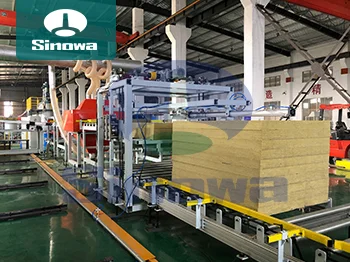
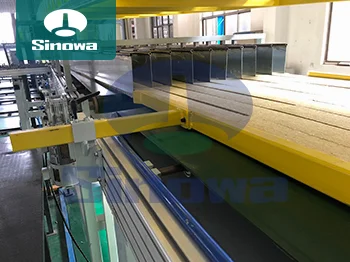
Sinowa has invested outstanding efforts in foam core sandwich panel line, this is why our products are more efficiency, quality, automatic control technology, environmental protection, energy consumption indicators and the appearance and safety protection are comprehensively leading, some subversive design changes in many major technical points, these major innovations make our products excellent in price/performance and user experience.
The growing demand for lightweight, durable, and thermally efficient building components has driven steady market expansion for foam core sandwich panel production lines across global construction and manufacturing sectors. These integrated production systems serve as essential industrial equipment designed to continuously fabricate high-performance composite panels that combine lightweight foam substrates with rigid outer surface layers. As modern construction projects increasingly prioritize energy conservation, structural stability, and rapid installation, the practical value of well-engineered foam core sandwich panel lines has become prominently recognized by industrial purchasers, making such production equipment one of the most sought-after processing machinery in the current building material manufacturing market. The inherent structural advantages of foam core sandwich panels, including low bulk density, outstanding thermal insulation, sound absorption capacity, and convenient processing characteristics, lay a solid foundation for the extensive application of supporting production lines in diverse industrial scenarios.
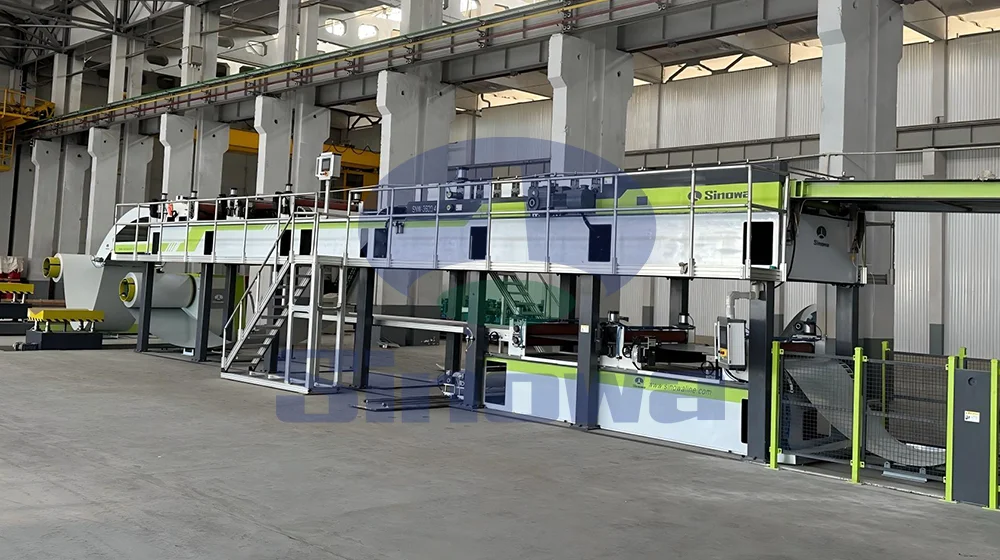
A complete foam core sandwich panel production line consists of a coordinated combination of multiple functional mechanical units, each undertaking independent processing tasks while maintaining seamless operational synchronization throughout the entire manufacturing procedure. The overall structural configuration of the production line follows streamlined industrial design logic, focusing on continuous material feeding, precise molding, stable compounding, automatic cutting, and neat stacking to minimize manual intervention and maximize production efficiency. Raw material processing constitutes the initial stage of the entire production workflow, where bulk foam core materials and flat surface panel raw materials are transported into designated feeding areas through automated conveying structures. The feeding system is equipped with adjustable speed control modules to adapt to raw materials of different specifications, ensuring consistent material transportation speed and uniform feeding quantity during long-term continuous operation. Meanwhile, auxiliary material distribution devices evenly supply adhesive substances required for composite bonding, with quantitative control mechanisms to maintain stable coating thickness and avoid excessive or insufficient adhesive application that may compromise panel bonding quality.
After completing raw material preparation and preliminary distribution, materials enter the core compounding and pressing stage that determines the structural performance of finished panels. In this processing link, foam core materials and outer surface panels are accurately aligned through mechanical positioning structures to eliminate positional deviation during lamination. The pressing unit adopts segmented pressure adjustment technology, which can apply uniform and stable mechanical pressure on composite materials according to the thickness and density parameters of different raw materials. This balanced pressure treatment effectively eliminates internal gaps between the foam core and surface layers, enhancing the overall compactness and structural integrity of composite panels. During the pressing process, constant temperature auxiliary treatment is implemented inside the equipment to optimize the molecular activity of adhesives, accelerating the curing reaction and improving bonding firmness without causing thermal deformation to foam core substrates. The combination of precise pressure control and moderate temperature treatment ensures that each produced panel maintains consistent flatness and structural uniformity.
Following the compounding and pressing procedure, semi-finished panels proceed to the trimming and shaping stage to meet standardized dimensional requirements. The automated trimming mechanism installed on the production line accurately cuts excess edge materials generated during the lamination process, with high-precision sensing components identifying panel edges to achieve error-free cutting. This mechanical trimming method replaces traditional manual cutting modes, effectively reducing dimensional errors caused by human operation and ensuring that the length and width of each finished panel comply with preset production standards. In addition to edge trimming, the shaping unit also performs surface smoothing treatment to remove tiny burrs and uneven textures on panel surfaces, optimizing the flatness and appearance quality of finished products. Waste materials generated during trimming are automatically collected through a centralized recycling channel, realizing resource recycling and reducing raw material consumption in the production process.
The subsequent cutting and segmenting process enables continuous long-strip panels to be divided into independent finished products that meet market usage specifications. The cutting module of the production line supports flexible adjustment of cutting dimensions, allowing operators to set customized length parameters according to diverse application demands of downstream industries. High-speed servo driving components ensure stable operation of cutting tools, achieving smooth and neat cutting sections without cracking or delaminating the foam core internal structure. All cutting actions are completed automatically through electronic control systems, which can intelligently monitor the operating status of cutting components and adjust cutting frequency in real time based on production line operating speed. This intelligent control mode effectively avoids production stagnation caused by manual misoperation and improves the continuity of batch production.
The final stage of the production workflow focuses on finished product cooling, inspection, and stacking. Newly produced panels retain residual temperature after thermal pressing treatment, so an independent cooling conveying section is arranged at the rear of the production line to dissipate heat naturally through circulating ventilation structures. Moderate cooling treatment stabilizes the internal molecular structure of panels, preventing structural deformation during subsequent stacking and transportation. After cooling, simple appearance and structural inspection are completed by integrated sensing devices, which automatically screen out defective products with surface scratches, bonding gaps, and dimensional deviations. Qualified finished panels are then transported to the stacking area, where automated stacking equipment neatly arranges panels in standard piles to facilitate subsequent packaging, transportation, and warehouse storage. The entire post-processing procedure is closely connected with the front-end production links to form an uninterrupted closed-loop production system.
The superior performance of foam core sandwich panel lines stems from optimized mechanical design and mature technological integration. In terms of structural configuration, the production line adopts high-strength metal frames with reinforced anti-vibration structures, which can maintain stable operating conditions during long-term high-load production and reduce mechanical wear caused by vibration. Key transmission components are made of wear-resistant alloy materials to extend service life and lower subsequent maintenance frequency. In terms of intelligent control, the entire production process is managed through a centralized human-machine interaction interface, where operators can intuitively view real-time operating parameters including feeding speed, pressing pressure, processing temperature, and cutting dimensions. The control system also has automatic alarm and emergency stop functions, which can quickly respond to abnormal operating conditions to avoid equipment failure and production losses. Simple and intuitive operation logic reduces the professional skill requirements for operators, lowering labor training costs for production enterprises.
Energy consumption optimization is another prominent advantage of modern foam core sandwich panel production lines. Traditional composite panel processing equipment usually has problems such as high energy consumption and low heat energy utilization rate, while upgraded production lines adopt energy-saving heating circuits and variable-frequency driving technology. The heating system only provides stable heat energy required for adhesive curing, avoiding unnecessary energy waste caused by excessive heating. Variable-frequency motors adjust operating power dynamically according to production load, effectively reducing idle energy consumption during equipment standby and low-load operation. Reasonable internal pipeline layout optimizes heat circulation routes, improving heat transfer efficiency and shortening the preheating preparation time before production. These energy-saving designs not only reduce daily operating costs for production enterprises but also conform to the global development trend of energy conservation and emission reduction in the manufacturing industry.
Foam core sandwich panels produced by such professional production lines have extensive application coverage across multiple industries. In the construction industry, these panels serve as wall partition materials, roof insulation layers, and temporary building enclosure components, relying on their lightweight characteristics to reduce building load and excellent thermal insulation performance to optimize indoor temperature regulation. In the logistics and transportation field, composite panels are used for manufacturing refrigerated carriage boards and packaging protection structures, utilizing their shock resistance and moisture resistance to protect transported goods. In addition, the panels are also widely applied in industrial plant decoration, purification workshop construction, and outdoor enclosure engineering, meeting the diversified usage requirements of different scenarios through adjustable raw material ratios and production parameters.
In the international equipment trading market, foam core sandwich panel lines maintain stable market sales momentum due to their high cost-performance and wide applicability. Many manufacturing enterprises engaged in building material production tend to choose integrated automated production lines to replace scattered traditional processing equipment, aiming to improve production scale and product consistency. The compact overall layout of the production line saves factory space, making it suitable for small and medium-sized production workshops with limited site conditions. Meanwhile, the modular structural design facilitates daily maintenance and component replacement, reducing the difficulty of later equipment maintenance. For investors in the building material industry, this type of production line has low entry barriers, flexible production adjustment capabilities, and broad market demand for finished products, possessing reliable investment value and long-term operational potential.
Continuous technological iteration further enhances the market competitiveness of foam core sandwich panel production lines. With the continuous upgrading of industrial manufacturing technology, new-generation production lines have made breakthroughs in raw material adaptability, processing accuracy, and intelligent management. Optimized feeding structures can adapt to foam core materials with different density specifications and surface panels made of diverse composite materials, expanding the product diversification range of a single production line. Upgraded sensing components improve the detection accuracy of panel flatness and bonding tightness, further reducing the defective product rate in batch production. The embedded data statistical function can record daily production output, raw material consumption, and equipment operating status, providing accurate data references for enterprises to optimize production plans and control production costs.
In terms of installation and after-sales adaptation, standardized assembly designs are adopted for foam core sandwich panel lines to simplify the on-site installation and debugging process. The equipment is transported in modular split structures, which is convenient for container loading and long-distance transportation in international trade. Professional installation and debugging processes can quickly complete equipment positioning, line connection, and parameter calibration after the equipment arrives at the production site, enabling the production line to reach stable operating conditions in a short time. In addition, the universal component specification design facilitates the rapid procurement of replacement parts in the local market, shortening the equipment maintenance cycle and ensuring the continuity of production activities for purchasing enterprises.
Looking ahead to the industrial development trend, the market demand for foam core sandwich panel lines will continue to grow steadily. The acceleration of global infrastructure construction and the continuous prosperity of the new energy, cold chain logistics, and environmental protection construction industries all generate sustained demand for high-quality composite panels, indirectly driving the market circulation of supporting production equipment. In the future, production lines will develop toward higher intelligence, lower energy consumption, and stronger compounding capabilities, integrating more automated detection and intelligent adjustment technologies to adapt to increasingly stringent product quality standards. For equipment purchasers, selecting mature and stably operating foam core sandwich panel production lines can effectively seize market opportunities in the building material processing industry, achieving stable production operation and long-term economic benefit growth in the fiercely competitive industrial market.
« Foam Core Sandwich Panel Line On Sales » Update Date: 2026/5/8
Tags: Foam Core Sandwich Panel Line ,
- Continuous Sandwich Panel Line For Sale
- Custom PIR Insulation Panel Production Line
- PIR Wall Panel Production Line From China
- Custom Sandwich Panel Making Machine
- Sandwich Panel Line
- PU Panel Machine For Sale
- Polyurethane Foam Production Line For Sale
- High-quality Polyurethane Sandwich Panel Manufacturing Line
- Sandwich Panel Manufacturing Line Price
- Top Insulation Sandwich Panel Machines
- PU Foam Production Line Price
- High Efficiency Continuous PU Sandwich Panel Line
- Low Price Sandwich Wall Panel Production Line
- Insulation Sandwich Panel Machines Manufacturer
- High Efficiency PUF Panel Machine
- Polyurethane Sandwich Panel Line For Cold Storage
- High Efficiency Continuous PUF Panel Production Line
- Low Price Sandwich Panel Making Machine
- High-end Foam Sandwich Panel Machine
- Continuous Sandwich Panel Manufacturing Line For Cold Room
- Links:
- Sandwich Panel Continuous Production Line
- Automatic and Continuous Sandwich Panel Production Line
- Cheap and Low Price Sandwich Panel Production Line
- China Sandwich Panel Production Line Factory
- Color Steel Sandwich Panel Production Line For Cold Storage
- Continuous Composite Foam Sandwich Panel Production Line
- Continuous Production Line For Rockwool and Mineral Wool Sandwich Panels
- Continuous PU Phenolic Insulation Panel Production Line
- Continuous PU PIR Sandwich Panel Production Line
- Continuous PUF PUR Sandwich Panel Production Line
- Continuous Sandwich Panel Production Line For Roof and Wall
- Customized and Design Sandwich Panel Production Line
- Decorative Sandwich Panel Production Line For Glass Wool Boards
- High Quality Sandwich Panel Production Line For Sale
- Polyurethane(PU) Sandwich Panel Production Line
- Sandwich Panel Production Line Manufacturer and Supplier