
PIR Sandwich Panel Production Line Factory
Sinowa is a well-known manufacturer and technical service provider of high-end pir sandwich panel production line, learn more about pir sandwich panel production line factory, please contact Sinowa's technical engineer, tell us what you need, we will contact you as soon as possible!
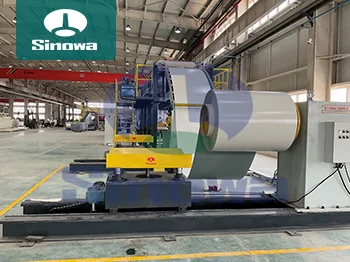
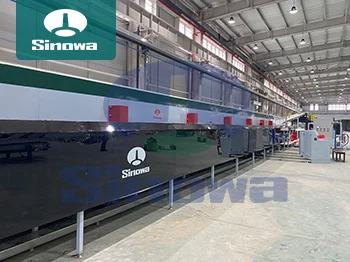
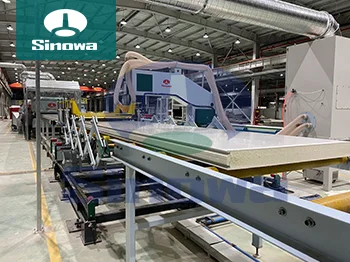
Sinowa is committed to the development and manufacturing of high-end and high-efficiency pir sandwich panel production line. Our pir sandwich panel production line are leading the way in efficiency, automatic control, human-computer interaction, environmental protection and energy consumption. Using system integration and bus control technology, it realizes the automatic integrated linkage control of the entire pir sandwich panel production line, and can achieve remote interactive communication, which has the world-class level and a comprehensive leading high-performance pir sandwich panel production line in the market.
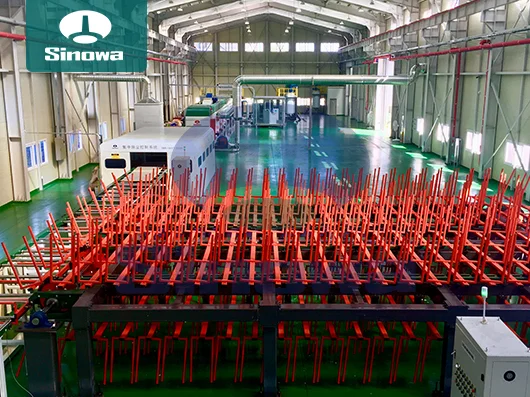
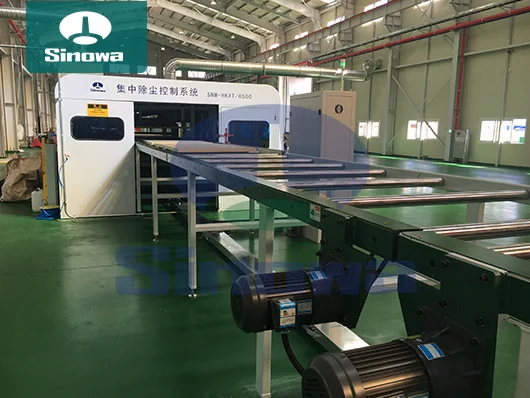
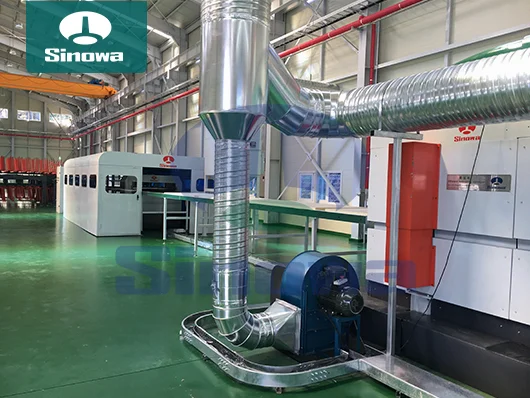
For more than ten years, relying on our innovative manufacturing concept and excellence in quality, reliable and trustworthy service to customers, we cooperate with customers all over the world, exported products to Canada, South Korea, Israel, Australia, the Middle East and other more than 20 countries and regions. contributed to building energy conservation and low-carbon production and have won widespread praise.
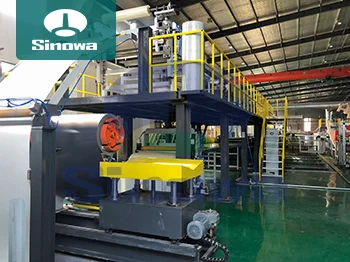
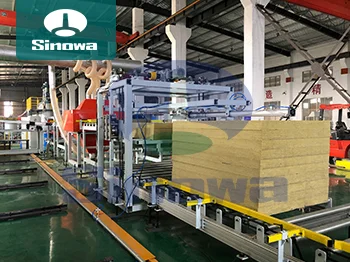
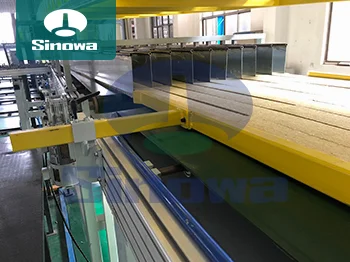
Sinowa has invested outstanding efforts in pir sandwich panel production line, this is why our products are more efficiency, quality, automatic control technology, environmental protection, energy consumption indicators and the appearance and safety protection are comprehensively leading, some subversive design changes in many major technical points, these major innovations make our products excellent in price/performance and user experience.
A PIR sandwich panel production line factory is a highly integrated industrial facility dedicated to the continuous and efficient manufacturing of polyisocyanurate (PIR) sandwich panels, a type of composite material widely recognized for its exceptional thermal insulation, fire resistance, and structural strength. These factories serve as the backbone of the modern construction and industrial insulation industry, bridging the gap between raw material supply and the growing demand for high-performance building solutions across residential, commercial, and industrial sectors. Unlike traditional manufacturing facilities that focus on single-step production, a PIR sandwich panel production line factory operates as a seamless system, integrating multiple technological processes—from raw material pretreatment to finished product inspection and stacking—to ensure consistent quality, high production efficiency, and adaptability to diverse market needs. The core mission of such a factory is to produce PIR sandwich panels that meet the evolving requirements of energy conservation, fire safety, and structural stability, while also adhering to the principles of environmental sustainability and operational efficiency.
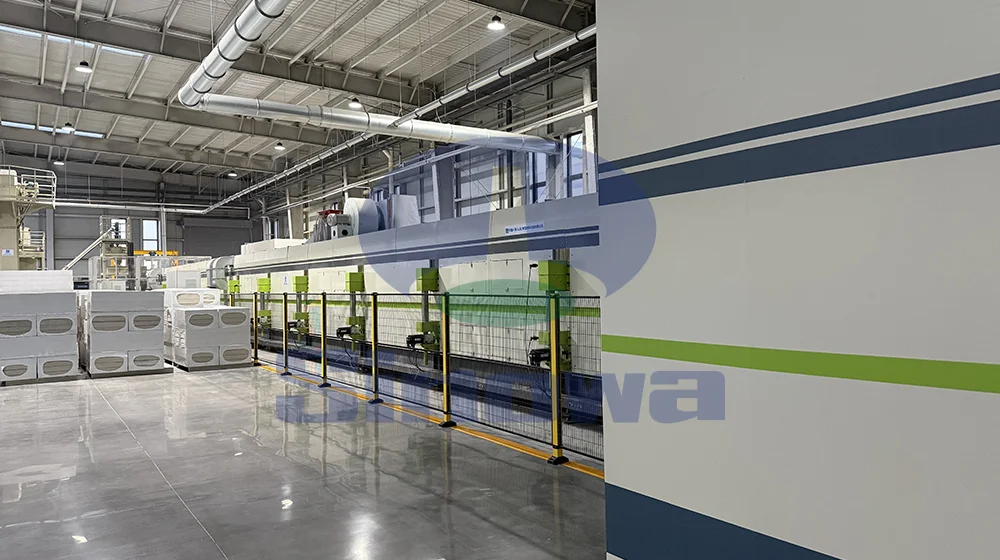
The operation of a PIR sandwich panel production line factory begins with the careful selection and preparation of raw materials, a critical step that directly impacts the performance and durability of the final products. The primary raw materials required include the outer facing materials, the PIR foam core, and auxiliary materials such as adhesives and blowing agents. The outer facings are typically made of metal sheets, most commonly galvanized steel or color-coated steel, chosen for their durability, corrosion resistance, and ability to provide structural support. These metal sheets are delivered to the factory in large coils, which are then processed through a series of pretreatment steps to ensure optimal adhesion with the PIR core. The pretreatment process involves uncoiling the metal sheets using hydraulic decoilers, which feed the sheets continuously into the production line. Each decoiler is equipped with a coil car, hydraulic station, and auxiliary support to ensure smooth and stable uncoiling, preventing damage to the surface of the metal sheets. After uncoiling, the sheets pass through a leveling system to eliminate any stress or deformation caused during the rolling and storage process, ensuring a flat and uniform surface that meets the strict dimensional requirements of the production process. Additionally, the metal sheets undergo a surface cleaning process to remove oil, dust, and other impurities, which could otherwise compromise the bond between the facing and the core material. This cleaning step is often followed by a surface activation treatment to enhance the adhesion properties of the metal, ensuring a strong and long-lasting bond with the PIR foam.
The PIR foam core, the heart of the sandwich panel, is made from polyisocyanurate, a rigid foam insulation material that offers superior fire resistance and thermal stability compared to traditional polyurethane (PU) foam. The production of the PIR foam involves the precise mixing of polyisocyanurate resin with a blowing agent, catalysts, and other additives in strictly controlled proportions. The factory is equipped with dedicated storage tanks for each raw material, along with a precise metering system that ensures the correct ratio of ingredients is maintained at all times. This precision is crucial, as even minor deviations in the mixing ratio can significantly affect the fire resistance, thermal conductivity, and structural integrity of the foam core. The blowing agent plays a key role in determining the density and insulation properties of the foam; modern factories often use eco-friendly blowing agents such as pentane or HFC-free alternatives to minimize environmental impact, aligning with global efforts to reduce greenhouse gas emissions. The mixing process is carried out in a high-pressure foaming system, where the ingredients are combined at high speed to create a homogeneous mixture that is then ready for injection between the two outer metal facings.
Once the raw materials are prepared, the production line moves into the core composite phase, where the metal facings and PIR foam core are combined to form the sandwich panel. This phase is a testament to the technological sophistication of the factory, as it requires precise control of temperature, pressure, and timing to ensure the foam expands and cures correctly. The pretreated upper and lower metal sheets are fed into a continuous composite section, where they are aligned and held in place by a series of rollers and conveyors. Simultaneously, the high-pressure foaming system injects the mixed PIR foam into the gap between the two sheets. The foam immediately begins to expand, filling the entire space between the facings, and the composite structure is then passed through a double-belt pressing system. This system applies uniform pressure to the panel, ensuring that the foam is evenly distributed and that the metal facings are firmly bonded to the core. The double-belt press also maintains a controlled temperature environment, which is critical for the curing of the PIR foam. The curing process allows the foam to harden and form a rigid, closed-cell structure that provides excellent thermal insulation and moisture resistance. During this phase, the metal facings are also shaped into the desired profile—either flat or corrugated—using roll forming equipment. The roll forming system is often designed with an overhead upper forming machine, which is installed above the lower roll forming machine to save workshop space and avoid interference between the two systems. This design also allows for flexibility in producing different panel profiles, such as those used for walls and roofs, without the need for extensive reconfiguration of the production line.
After the composite panel is formed and the foam core is partially cured, the production line proceeds to the post-processing phase, which includes cutting, cooling, quality inspection, and stacking. The cutting process is carried out using a band saw or flying saw cutting system, which trims the continuous panel into individual pieces of the desired length. The cutting system is equipped with precision controls to ensure clean, straight cuts that do not damage the foam core or the metal facings. The cut panels are then transferred to a cooling zone, where they are subjected to either natural cooling or forced air cooling to allow the PIR foam to fully cure. This cooling step is essential to ensure the dimensional stability of the panels, preventing warping or deformation once they are installed. Once cooled, the panels undergo a rigorous quality inspection process to check for any defects, such as uneven foam distribution, poor adhesion between the facings and the core, surface scratches, or dimensional inaccuracies. The inspection process may involve both manual checks and automated testing equipment, which can detect subtle defects that are not visible to the naked eye. Panels that do not meet the factory’s quality standards are rejected and sent for reprocessing, ensuring that only high-quality products leave the factory.
The final step in the production process is stacking and packaging. The qualified panels are carefully stacked using an automated stacking system, which arranges the panels in neat piles according to their size and specifications. This stacking system is designed to prevent damage to the panels during storage and transportation, with protective layers placed between each panel to avoid scratches or dents. While the factory does not focus on packaging details, the stacking process ensures that the panels are ready for shipment to customers, whether they are construction companies, distributors, or other industrial users. The factory’s storage area is designed to accommodate large quantities of finished panels, with proper ventilation and temperature control to maintain the quality of the products until they are shipped.
One of the key characteristics of a modern PIR sandwich panel production line factory is its high degree of automation. The entire production process, from raw material feeding to finished product stacking, is controlled by an advanced automation system that integrates PLC (Programmable Logic Controller), human-machine interface (HMI), and servo drive technology. This automation not only improves production efficiency but also ensures consistent product quality by minimizing human error. The automation system allows for real-time monitoring and adjustment of production parameters, such as temperature, pressure, and mixing ratios, ensuring that the production process remains stable even when producing large volumes of panels. Additionally, many factories are adopting modular design principles, which allow for flexible configuration of the production line. Modular design means that different components of the production line can be combined or replaced to produce different types of PIR sandwich panels, such as wall panels, roof panels, or cold storage panels, without the need for a complete overhaul of the facility. This flexibility enables the factory to adapt to changing market demands and offer a diverse range of products to its customers.
Environmental sustainability is another important focus of modern PIR sandwich panel production line factories. As global awareness of environmental issues grows, factories are increasingly adopting eco-friendly practices to reduce their carbon footprint and minimize environmental impact. This includes the use of eco-friendly blowing agents, as mentioned earlier, which do not deplete the ozone layer and have low global warming potential. Additionally, factories implement energy-saving measures, such as using energy-efficient motors and insulation for equipment, and recycling waste materials generated during the production process. For example, excess foam or metal scraps are collected and recycled, reducing waste and lowering the factory’s environmental impact. Many factories also invest in wastewater treatment systems to ensure that any water used in the production process is treated before being discharged, preventing pollution of local water sources.
The role of a PIR sandwich panel production line factory extends beyond just manufacturing products; it also plays a crucial role in supporting the growth of the construction and industrial sectors. PIR sandwich panels are widely used in a variety of applications, including industrial plants, warehouses, cold storage facilities, commercial buildings, residential buildings, and special industries such as refineries and chemical plants. In industrial settings, these panels provide effective thermal insulation and fire protection, helping to reduce energy consumption and protect equipment and stored goods. In cold storage facilities, their low thermal conductivity ensures that temperature-controlled environments are maintained efficiently, reducing energy costs for businesses in the food processing and pharmaceutical sectors. In commercial and residential buildings, PIR sandwich panels offer a lightweight, durable, and energy-efficient solution for walls and roofs, helping to reduce construction time and costs while improving the energy efficiency of the buildings.
The global demand for PIR sandwich panels is growing steadily, driven by factors such as rapid industrialization, urbanization, and the increasing focus on energy conservation and fire safety in construction. According to industry research, the global sandwich panels market is projected to grow at a significant compound annual growth rate (CAGR) in the coming years, with PIR panels accounting for a substantial share of this growth due to their superior performance characteristics. This growing demand has led to the expansion of existing PIR sandwich panel production line factories and the establishment of new facilities around the world, particularly in regions with booming construction and industrial sectors.
To remain competitive in this dynamic market, PIR sandwich panel production line factories are constantly investing in technological innovation and process improvement. This includes the adoption of advanced technologies such as digital twin and AI-based quality control systems. Digital twin technology allows factories to create a virtual replica of the production line, enabling them to simulate production processes, optimize parameters, and predict potential issues before they occur. AI-based quality control systems use machine learning algorithms to analyze images and data from the production line, detecting defects with greater accuracy and speed than manual inspection. These technological advancements not only improve production efficiency and product quality but also reduce operational costs and downtime.
In addition to technological innovation, factories also focus on employee training and development to ensure that their staff have the skills and knowledge required to operate the advanced equipment and maintain the high standards of production. Training programs cover areas such as equipment operation, safety protocols, quality control, and environmental practices, ensuring that all employees are well-equipped to contribute to the factory’s success. Safety is a top priority in all PIR sandwich panel production line factories, with strict safety protocols in place to prevent accidents and ensure the well-being of employees. This includes regular safety inspections, the provision of personal protective equipment (PPE), and training on emergency procedures.
The operation of a PIR sandwich panel production line factory is a complex and sophisticated process that requires careful planning, precise control, and a commitment to quality and sustainability. From the selection of raw materials to the final inspection of finished products, every step of the production process is designed to ensure that the panels meet the highest standards of performance and durability. As the demand for energy-efficient, fire-resistant, and lightweight building materials continues to grow, PIR sandwich panel production line factories will play an increasingly important role in shaping the future of the construction and industrial insulation industry. These factories are not just manufacturing facilities; they are drivers of innovation, sustainability, and economic growth, providing essential materials that contribute to the development of safer, more efficient, and more sustainable buildings around the world.
In conclusion, a PIR sandwich panel production line factory is a vital component of the modern construction and industrial ecosystem, combining advanced technology, efficient processes, and a commitment to quality to produce high-performance PIR sandwich panels. Through continuous innovation, automation, and a focus on environmental sustainability, these factories are well-positioned to meet the growing demand for energy-efficient and fire-safe building solutions, supporting the development of a more sustainable and resilient built environment. Whether serving the needs of industrial facilities, commercial buildings, or residential projects, PIR sandwich panel production line factories play a crucial role in delivering the materials that make modern construction safer, more efficient, and more sustainable.
« PIR Sandwich Panel Production Line Factory » Update Date: 2026/4/16
- High-tech Polyurethane Sandwich Panel Machine
- Isolation Sandwich Panel Production Line On Sales
- Fully Automatic PU Sandwich Panel Production Line
- Custom Color Steel Sandwich Panel Production Line
- High-end Glass Wool Sandwich Panel Machine
- Custom PU Sandwich Panel Production Line
- Fully Automatic PU Sandwich Panel Line
- High-tech Insulated Sandwhich Panel Production Line
- Glass Wool Production Line On Sales
- PU Insulation Panel Production Line Supplier
- Cheap Fully Automatic PU Sandwich Panel Production Line
- Foam Sandwich Panel Production Line
- Isolation Sandwich Panel Production Line In China
- High Efficiency Glass Wool Sandwich Panel Machine
- PUR Sandwich Panel Line Factory
- High Efficiency Fully Automatic Sandwich Panel Making Machine
- PIR Insulation Panel Production Line Supplier
- High-end Foam Core Sandwich Panel Line
- Highly Intelligent Continuous Sandwich Panel Production Line
- Decorative Sandwich Panel Line For Sale
- Links:
- Sandwich Panel Continuous Production Line
- Automatic and Continuous Sandwich Panel Production Line
- Cheap and Low Price Sandwich Panel Production Line
- China Sandwich Panel Production Line Factory
- Color Steel Sandwich Panel Production Line For Cold Storage
- Continuous Composite Foam Sandwich Panel Production Line
- Continuous Production Line For Rockwool and Mineral Wool Sandwich Panels
- Continuous PU Phenolic Insulation Panel Production Line
- Continuous PU PIR Sandwich Panel Production Line
- Continuous PUF PUR Sandwich Panel Production Line
- Continuous Sandwich Panel Production Line For Roof and Wall
- Customized and Design Sandwich Panel Production Line
- Decorative Sandwich Panel Production Line For Glass Wool Boards
- High Quality Sandwich Panel Production Line For Sale
- Polyurethane(PU) Sandwich Panel Production Line
- Sandwich Panel Production Line Manufacturer and Supplier
- Sandwich Panel Production Machinery and Equipment