
Phenolic Insulation Board Production Line
Sinowa is a phenolic insulation board production line supplier from china, customized high-quality & high efficiency phenolic insulation board production line at low price, phenolic insulation board production line has diversified and multifunctional production characteristics, which may produce products with different specifications such as PU, PF, PIR, etc. The surface material may be aluminum foil, colored steel, cement base cloth, kraft paper, non-woven fabrics, etc. The products are widely applied to such occasions as construction, decoration, pipeline ventilation, subway construction, etc.
The phenolic insulation board production line is able to continuously and efficiently produce high-quality PU and Phenolic insulation boards.
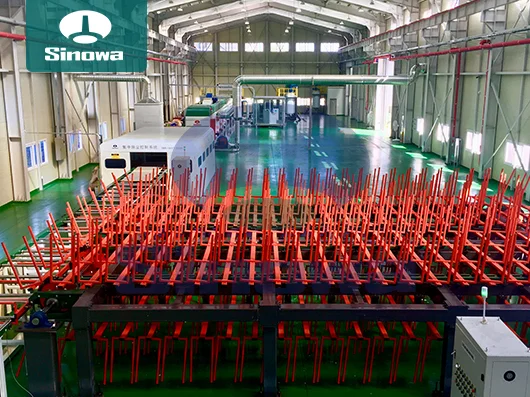
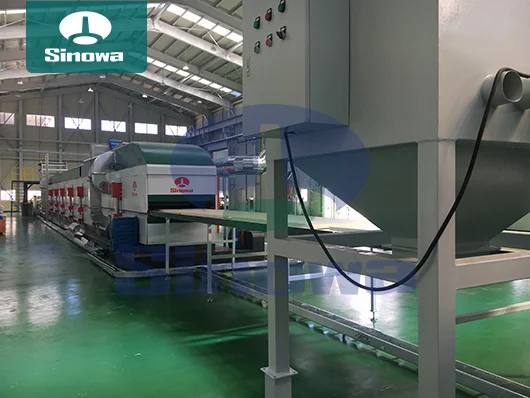
We spare no efforts to improve our product quality and technological reliability by employing the most cutting-edge and the most reliable support and processes to make our products highly reliable and endurable. As a result, the phenolic insulation board production line is highlighted by many perfect qualities. It is the core idea in Sinowa's product roadmap to surpass our competitors in terms of design philosophy, manufacture methods and service level, going for excellence and leading position and making constant improvement on our products and services, which is also our core value system to create efficiency and convenience for our customers.
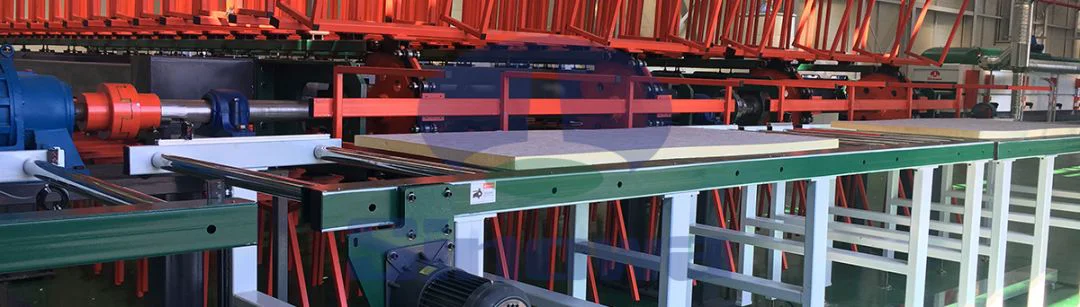
Well-grounded on our solid strength as a renowned large-scale enterprise, Sinowa has a high starting point in developing industrial assembly lines. Based on the advanced science and technology introduced from within and without the country and supported by a great number of first-grade parts and components from the home and aboard, the phenolic insulation board production line has a high-level configuration of supporting products in terms of machinery, electrical control, hydraulic pressure, automatic measurement and tracking, and so on. This is a strong proof of our product’s reliable quality and high efficiency.
The first-class appearance design and excellent energy saving measures make it unnecessary for customers to additionally construct the heat preservation and isolation room for production around the clock throughout the year, so that the customers may save lots of resources and costs.
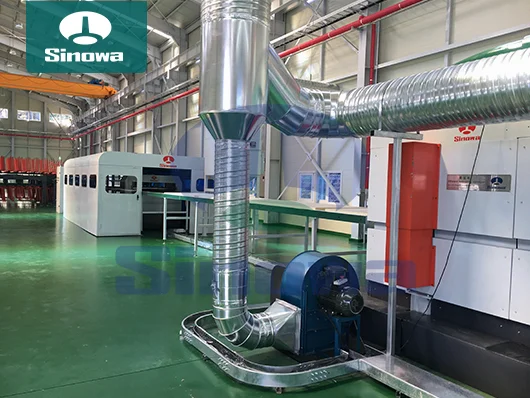
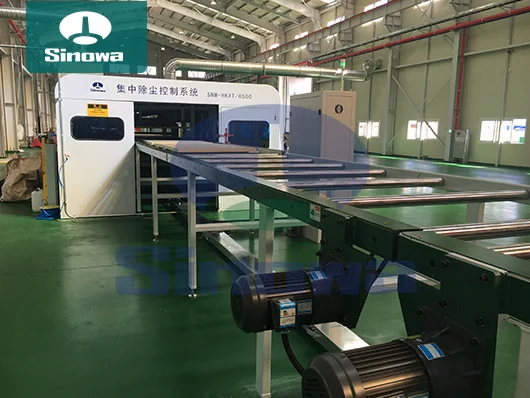
Modularized standard design and important parts machined with CNC machine tool make the phenolic insulation board production line have excellent quality assurance. Dependence on the man-made factors is eliminated. The operation is precision, with the highest operation speed of 30m/min. The phenolic insulation board production line has the world-class production efficiency.
The high performance and reliable multicomponent cyclopentane foaming technology and equipment of Sinowa may be also applied to the foaming process of the phenolic aldehyde board. Therefore, our customers may not only freely adjust the foaming matching according to the raw material, but also save lots of costs. Moreover, they are of significance for environmental protection.
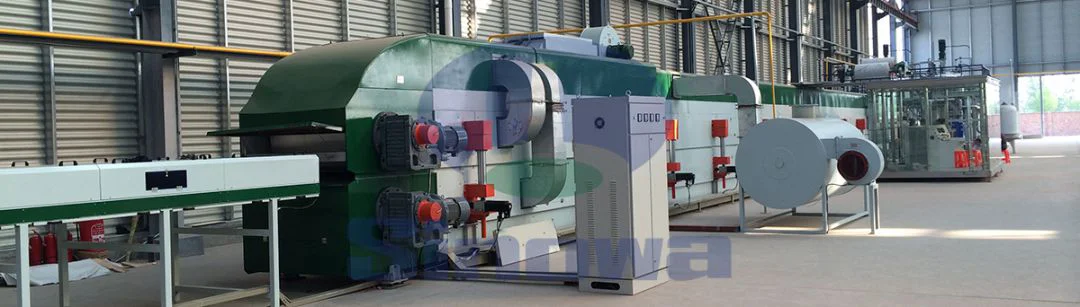
Sinowa's industrial production line of insulation panels is distinguished by its impressive performance of energy conservation. In each high point of energy consumption throughout the entire phenolic insulation board production line are implemented corresponding measures to considerably lower the consumption level. For example, the body of the lamination belt conveyer is covered with insulation panels in very reasonable structures, which doesn’t blemish the overall outlook but greatly increases the insulation performance. The entire phenolic insulation board production line is constantly optimized and improved so that the consumption of each power source is significantly reduced. The motor power of our lamination conveying system is only 3.0 kw, about 50% less than those of the same kind. All in all, the energy consumption of the whole industrial phenolic insulation board production line equals 40% or even less of the equivalent lines in the market.
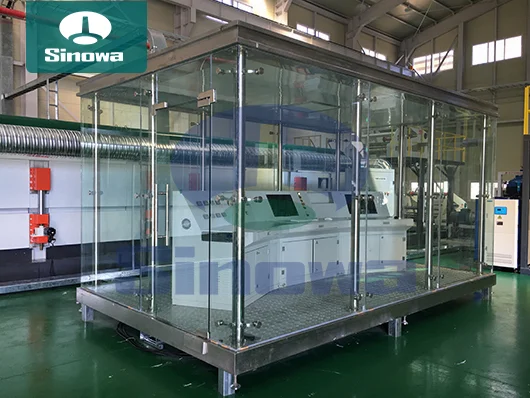
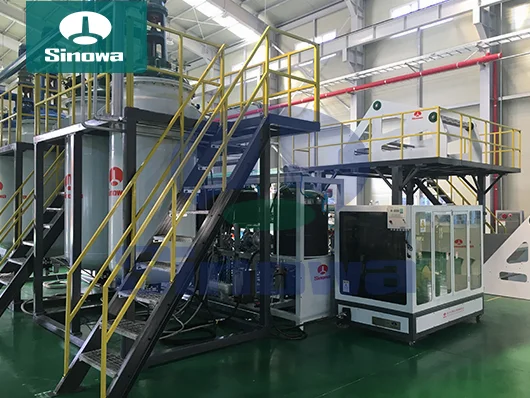
The phenolic insulation board production line of Sinowa adopts the most advanced concepts in the world to realize the modularized design with all the parts bolted together rather than welded. In standardized production, the parts can be dismantled and exchanged, so the production cycle is drastically shortened and the maintenance becomes by far easier. Through finite element analysis, the equipment design is greatly optimized to realize modularization, digitization, and weight-minimalization.
Phenolic insulation boards stand out as a premium class of rigid thermal insulation materials, widely recognized for their exceptional combination of fire resistance, thermal efficiency, and long-term durability, and the production lines dedicated to manufacturing these boards are engineered with precision to deliver consistent, high-quality output while adapting to diverse production scales and product specifications. A complete phenolic insulation board production line is a fully integrated mechanical and electrical system that streamlines the entire manufacturing process from raw material preparation to finished product cutting and packaging, eliminating manual errors and ensuring uniform performance across every panel produced. The core structure of such a production line is divided into several interconnected functional modules, each serving a critical role in transforming liquid phenolic resin and auxiliary raw materials into solid, stable insulation boards. At the initial stage, the raw material handling and mixing system takes charge of precise proportioning and uniform blending of phenolic resin, curing agents, foaming agents, toughening modifiers, and other additives; this module is equipped with automated metering devices to maintain strict control over material ratios, as even minor deviations can significantly impact the final board’s density, strength, and insulation performance. Following the mixing stage, the foaming and forming section serves as the heart of the production line, where the blended resin mixture is injected into a continuous forming cavity, often paired with surface lining materials such as aluminum foil, kraft paper, non-woven fabric, or cement-based cloth, depending on the intended application of the finished board. This section operates under controlled temperature and pressure conditions to trigger the foaming reaction, creating a tightly packed closed-cell foam structure that defines the core properties of phenolic insulation boards, with the continuous forming mechanism ensuring consistent thickness and flatness across the entire length of the board.
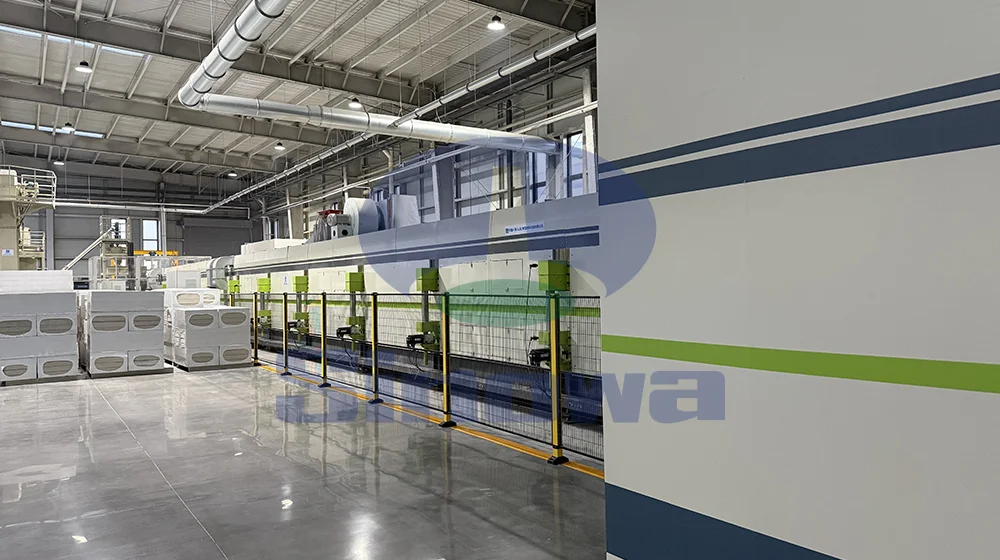
Moving forward, the curing and drying module plays a vital role in stabilizing the foam structure and enhancing the board’s mechanical strength, using gradual heating and air circulation to complete the cross-linking reaction of the phenolic resin without causing warping, cracking, or internal defects. Unlike batch-type production setups, modern continuous phenolic insulation board production lines feature a seamless conveying system that connects each module, enabling non-stop production and significantly improving overall efficiency; the conveying speed is precisely adjustable to match the curing rate of the resin, ensuring that each board receives adequate processing time at every stage. The final processing module includes precision cutting, trimming, and surface finishing equipment, which cuts the continuous board into standard or custom sizes, removes edge burrs, and performs necessary surface treatments to meet specific usage requirements. Additionally, the production line is equipped with environmental control and waste recovery systems to manage residual raw materials and emissions, aligning with sustainable manufacturing practices without compromising product quality. The structural design of the production line prioritizes modularity, allowing manufacturers to expand or adjust specific modules to produce different types of phenolic boards or scale up production capacity as needed, while the automated control system centralizes monitoring of all operational parameters, including temperature, pressure, conveying speed, and material flow, ensuring stable and reliable operation around the clock.
The outstanding performance of phenolic insulation boards is directly derived from their unique closed-cell foam structure and the inherent chemical stability of phenolic resin, making them superior to many traditional insulation materials in multiple key aspects. First and foremost, thermal insulation performance is the most prominent advantage of phenolic insulation boards, characterized by an extremely low thermal conductivity coefficient that minimizes heat transfer through conduction, convection, and radiation. This high thermal resistance allows the boards to effectively maintain stable indoor temperatures in buildings, reduce energy consumption for heating and cooling, and provide reliable insulation for industrial equipment and pipelines operating in extreme temperature environments. The closed-cell structure, with nearly no interconnected voids, also delivers exceptional moisture resistance, preventing water vapor penetration and moisture absorption even in high-humidity environments; this resistance to moisture ensures that the insulation performance remains consistent over time, avoiding the degradation commonly seen in porous insulation materials that absorb water and lose efficiency. Another critical performance feature is the inherent fire resistance of phenolic insulation boards, as phenolic resin is a naturally flame-retardant thermoset material that does not support combustion, does not melt or drip when exposed to high temperatures, and produces extremely low levels of smoke and toxic fumes during a fire. This self-extinguishing property makes phenolic insulation boards ideal for use in safety-critical applications where fire protection is a top priority, far outperforming flammable organic insulation materials.
In terms of mechanical performance, phenolic insulation boards offer reliable compressive strength and dimensional stability, resisting deformation under moderate load pressure and maintaining their original shape and size even after prolonged exposure to temperature fluctuations and environmental stress. This stability ensures that the boards fit tightly during installation without gaps, preserving the integrity of the insulation system and avoiding thermal bridging that would reduce overall efficiency. Additionally, phenolic insulation boards exhibit good chemical resistance, withstanding mild acids, alkalis, and most common industrial chemicals, making them suitable for use in harsh industrial environments where other insulation materials may corrode or deteriorate quickly. They are also lightweight relative to their strength, simplifying transportation, handling, and on-site installation without requiring heavy machinery, while their rigid structure allows for easy cutting, drilling, and fitting to complex surfaces and structures. Unlike some insulation materials that degrade over time due to UV exposure or aging, phenolic insulation boards have a long service life, retaining their core performance properties for decades with minimal maintenance, which enhances their cost-effectiveness over the long term. It is important to note that performance parameters can be adjusted during the production process by modifying raw material ratios, foaming conditions, and curing parameters, allowing manufacturers to tailor the boards to meet specific performance requirements for different applications.
Phenolic insulation boards are available in a diverse range of types, each designed to cater to specific application scenarios and performance needs, with classifications primarily based on surface materials, density, functional modifications, and structural design. The most common classification is based on surface lining materials, as the outer layer of the board directly impacts its durability, moisture resistance, and compatibility with installation systems. Standard uncoated phenolic insulation boards feature a bare foam surface, suitable for internal insulation applications where the board will be covered by protective layers such as plaster, wall panels, or cladding; these boards offer a cost-effective solution for basic thermal insulation needs with balanced core performance. Foil-faced phenolic insulation boards, laminated with aluminum foil on one or both sides, are among the most widely used variants, as the aluminum foil layer enhances moisture resistance, reflects radiant heat, and adds an extra barrier against water vapor, making them perfect for HVAC duct insulation, roofing systems, and cold storage facilities. Paper-faced or cloth-faced boards, lined with kraft paper, non-woven fabric, or cement-based cloth, are designed for construction applications that require compatibility with plastering, bonding, or tiling, providing a stable base for external finishing materials while maintaining the core insulation and fire resistance properties.
Phenolic insulation boards are also classified by density, with standard-density boards suitable for general building insulation, interior wall insulation, and lightweight ductwork, offering an optimal balance of thermal performance and weight. High-density phenolic insulation boards are engineered for applications requiring greater compressive strength and load-bearing capacity, such as floor insulation, industrial equipment bases, and structural insulation panels in heavy-duty environments; these boards have a more compact closed-cell structure, delivering enhanced mechanical strength without significant loss of thermal efficiency. Low-density variants, on the other hand, prioritize lightweight properties and flexibility, making them ideal for insulation in confined spaces, curved surfaces, and temporary structures where ease of installation and low weight are critical. There are also functionally modified phenolic insulation boards developed for specialized uses, including moisture-reinforced boards for high-humidity environments like basements, bathrooms, and cold rooms, impact-resistant boards for high-traffic areas, and boards with enhanced acoustic properties that combine thermal insulation with sound absorption, suitable for commercial buildings, offices, and public spaces where noise reduction is required. Additionally, composite phenolic insulation boards, which integrate the foam core with rigid outer layers such as thin metal sheets or gypsum boards, are designed for use as sandwich panels, offering combined insulation, structural support, and surface finishing in a single product.
The versatility of phenolic insulation boards, coupled with their exceptional performance, has led to their widespread adoption across countless residential, commercial, industrial, and infrastructure applications, making them a preferred choice for projects demanding high efficiency, safety, and durability. In the construction industry, they are extensively used for building envelope insulation, including external wall insulation, roof insulation, floor insulation, and cavity wall insulation, helping residential and commercial buildings meet strict energy efficiency standards, reduce carbon emissions, and create comfortable indoor living and working environments. Their exceptional fire resistance makes them particularly suitable for high-rise buildings, public facilities such as hospitals, schools, shopping malls, and transportation hubs, where fire safety regulations are stringent and occupant protection is a top priority. In the HVAC and refrigeration sector, phenolic insulation boards are the material of choice for duct insulation, cold storage room insulation, refrigerated truck body insulation, and industrial cold chain equipment insulation, as their low thermal conductivity maintains consistent low temperatures, reduces energy consumption for refrigeration, and prevents condensation buildup that can damage equipment and promote mold growth.
Industrial applications of phenolic insulation boards span a wide range of sectors, including oil and gas, manufacturing, and power generation, where they are used to insulate industrial pipelines, boilers, heat exchangers, and processing equipment operating at high or low temperatures. Their resistance to heat, moisture, and mild chemicals ensures reliable performance in harsh industrial settings, protecting equipment from thermal damage and reducing energy waste in industrial processes. In infrastructure projects, phenolic insulation boards are used in subway systems, tunnels, and underground structures to provide thermal insulation and fire protection, as well as in marine and offshore applications for ship bulkheads, offshore platform insulation, and marine facility insulation, where moisture resistance and fire safety are essential. They are also widely used in cleanrooms, pharmaceutical facilities, and food processing plants, as their smooth, non-porous surface (especially in coated variants) resists microbial growth, is easy to clean and sanitize, and maintains a hygienic environment without compromising insulation performance. For residential use, phenolic insulation boards are ideal for attic insulation, basement insulation, and interior wall soundproofing and insulation, offering homeowners long-term energy savings and improved living comfort, while their lightweight nature makes them suitable for renovation projects without adding excessive structural load.
Beyond these core applications, phenolic insulation boards are increasingly being used in sustainable building and green construction projects, as their long service life and high energy efficiency contribute to reduced building operational costs and lower environmental impact throughout the building’s lifecycle. Unlike some insulation materials that rely on harmful blowing agents with high global warming potential, modern phenolic insulation board production lines use eco-friendly foaming technologies that minimize environmental harm, aligning with global efforts to promote sustainable manufacturing and green building materials. The adaptability of the production line also allows for the production of custom-sized and custom-specification boards to meet the unique needs of specialized projects, from small-scale residential renovations to large-scale industrial and commercial developments. As demand for high-performance, fire-safe, and energy-efficient insulation materials continues to grow globally, phenolic insulation boards and their dedicated production lines remain at the forefront of the insulation industry, continuously evolving with technological advancements to enhance performance, expand application scope, and meet the increasingly stringent requirements of modern construction and industrial sectors. The seamless integration of advanced production line structure, tailored material performance, and diverse product types ensures that phenolic insulation boards will continue to be a leading solution for thermal insulation, fire protection, and energy conservation across multiple industries for years to come.
« Phenolic Insulation Board Production Line » Update Date: 2026/3/24
URL: https://www.sinowamachine.com/tags/phenolic-insulation-board-production-line.html
![Cheap Phenolic Insulation Board Production Line]()
Cheap Phenolic Insulation Board Production Line
2026-08-31The cheap phenolic insulation board production line is a cost-effective, fully integrated manufacturing system tailored for mass production of high-performance thermal insulation panels with balanced quality and operational affordability. Designed to break the limitations of traditional high-cost phe…![Phenolic Insulation Board Production Line In China]()
Phenolic Insulation Board Production Line In China
2026-08-14Chinese phenolic insulation board production line industry has undergone remarkable upgrading and expansion in recent years, emerging as a core manufacturing pillar for high-performance thermal insulation building materials across the global market. Driven by the booming demand for energy-efficient c…![Custom Phenolic Insulation Board Production Line]()
Custom Phenolic Insulation Board Production Line
2026-08-12Custom phenolic insulation board production lines are specialized automated manufacturing systems tailored to produce high-performance phenolic foam insulation boards with customizable specifications to fit diverse industrial and construction application demands. Unlike standardized production equipm…
- Links:
- Sandwich Panel Continuous Production Line
- Automatic and Continuous Sandwich Panel Production Line
- Cheap and Low Price Sandwich Panel Production Line
- China Sandwich Panel Production Line Factory
- Color Steel Sandwich Panel Production Line For Cold Storage
- Continuous Composite Foam Sandwich Panel Production Line
- Continuous Production Line For Rockwool and Mineral Wool Sandwich Panels
- Continuous PU Phenolic Insulation Panel Production Line
- Continuous PU PIR Sandwich Panel Production Line
- Continuous PUF PUR Sandwich Panel Production Line
- Continuous Sandwich Panel Production Line For Roof and Wall
- Customized and Design Sandwich Panel Production Line
- Decorative Sandwich Panel Production Line For Glass Wool Boards
- High Quality Sandwich Panel Production Line For Sale
- Polyurethane(PU) Sandwich Panel Production Line
- Sandwich Panel Production Line Manufacturer and Supplier
- Sandwich Panel Production Machinery and Equipment