
Cold Storage Sandwich Panel Production Line
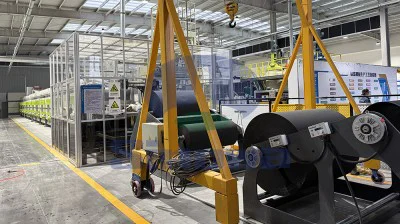
Sinowa is a cold storage sandwich panel production line supplier from china, customized high-quality & high efficiency cold storage sandwich panel production line at low price, the adoption of system integration technology and bus control technology accomplishes the full automatization of integrated and coordinated control of the cold storage sandwich panel production line with accessible remote interactive communication. Ranking the first-class level in the world, it is currently the cold storage sandwich panel production line in the market taking a comprehensive lead in high performance.
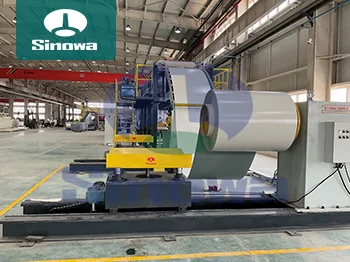
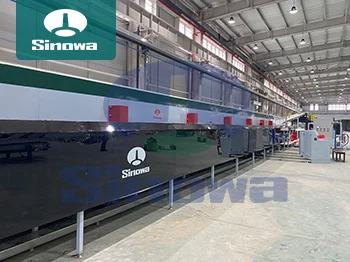
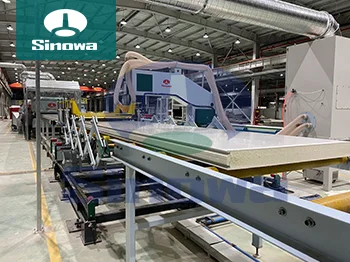
The high-tech cold storage sandwich panel production line can meet a variety of production needs of customers, the whole cold storage sandwich panel production line design concept of modularization enables all our components to be integrated and combined at will. Our high efficiency cold storage sandwich panel production line can easily automate the production of roof sandwich panel, wall sandwich panel, cold storage sandwich panel and other products by different combination and configuration selection and siple switching. The inner core layer can be polyrethane or rock wool, glass wool, an so on.


The high precision cold storage sandwich panel production line has high adaptability, which may produce various sandwich panel of the PU, PIR and rock wool systems. We may design various products according to the customer’s requirements, including various configurations, so as to meet their demands with flexible price system. Highly integrated and linked control system centralizes all control points at the main central center, achieving parameter linkage, fault self-diagnosis controlled by the whole line and shipping distance control. High-level automatic control system also saves the manpower and reduces the manpower loss for customers.


The precision servo hoisting mechanism employed by the main engine without hydraulic system makes the board thickness control flexible and the customer may conveniently change or adjust the board thickness. There will be not such troubles as hydraulic system adjustment, leakage, maintenance, etc.


High-level energy saving and protection design makes the whole cold storage sandwich panel production line possible to produce around the clock throughout the year and the customer will save huge budget. In addition, the isolated heat preservation room is constructed for warming the environment. The energy saving and protection design of our manufacturing line may guarantee that the customer’s production line may be freely heated and produce in the main time to save more costs for customers.


The high-power low-consumption design quickens the reaction of the cheap cold storage sandwich panel production line while energy consumption is kept low. With the brand-new, fully sealed inner insulation design, the energy consumption is controlled at the minimum level to achieve the design objective of less than an hour for the insulation system to be activated from the room temperature above 5℃ to the production process temperature. The energy consumption is only 40% that of those similar products.
A cold storage sandwich panel production line is a highly automated integrated system designed to produce high-performance insulation panels specifically for low-temperature storage environments. It realizes seamless connection of the entire production process from raw material feeding to finished product output, significantly improving production efficiency and product consistency without excessive manual intervention. The production process starts with the uncoiling and pretreatment of surface materials, which are usually metal sheets that need to go through leveling and preheating procedures to ensure flatness and enhance bonding with the core material. Next, the core material, such as polyurethane, rock wool or polyisocyanurate, is accurately mixed or laid between the two layers of surface materials through professional equipment. The composite structure is then pressed and cured under controlled temperature and pressure to form a tight bond, preventing problems like delamination or hollowing. After curing, the continuous panel is cut to the required length and automatically stacked, ready for subsequent use. This production line is highly adaptable, allowing flexible adjustment of panel thickness, width and length to meet diverse customization needs. The panels produced have excellent thermal insulation, flame retardant, waterproof and sound insulation properties, widely used in cold chain logistics, food preservation, pharmaceutical storage and other fields, providing reliable material support for energy-saving and stable operation of cold storage facilities. With advanced process control and energy-saving design, it also conforms to the concept of green and sustainable production, reducing energy waste and production costs.
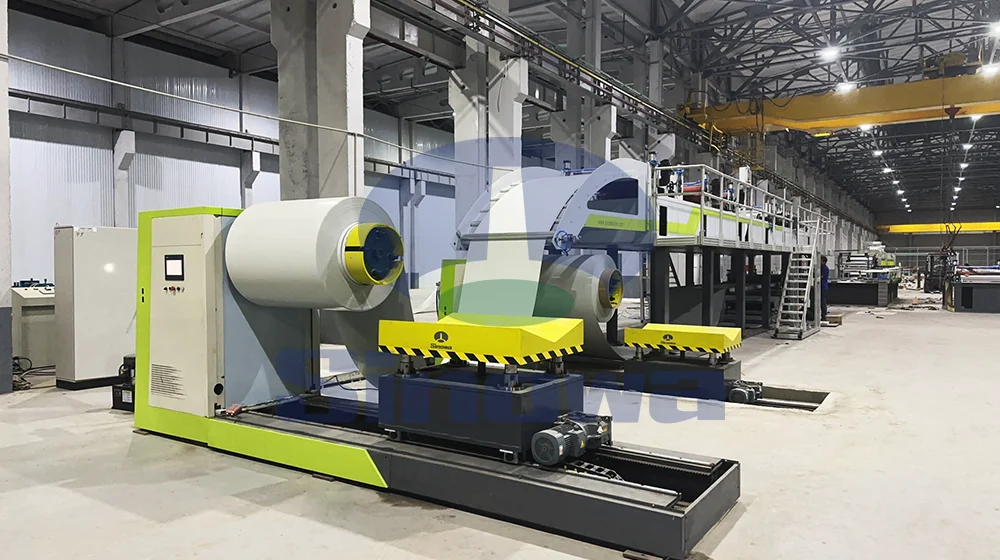
The cold storage sandwich panel production line stands as a highly integrated, automated industrial system designed to manufacture insulated composite panels that form the core structural and thermal barrier components of modern cold storage facilities, refrigerated warehouses, and temperature-controlled construction projects. Unlike standard building panel production equipment, this specialized line is engineered to meet the strict demands of low-temperature environments, where consistent thermal insulation, structural stability, and airtightness are non-negotiable for preserving perishable goods, maintaining precise temperature zones, and reducing long-term energy consumption. Every aspect of the production line, from its modular structural design to its performance parameters and output variety, is tailored to balance manufacturing efficiency, product durability, and functional versatility, making it an indispensable part of the global cold chain and low-temperature construction industries.
At its core, the cold storage sandwich panel production line is a sequential, modular system composed of several interconnected functional units that work in seamless coordination to transform raw materials into finished composite panels, with each module designed to perform a specific task without disrupting the overall production flow. The foundational unit is the uncoiling and leveling system, which handles the outer and inner metal face sheets—typically thin-gauge steel or aluminum alloys chosen for their corrosion resistance, structural rigidity, and compatibility with adhesive bonding. This unit is equipped with precision leveling rollers and automatic deviation correction devices to ensure the metal sheets are perfectly flat and aligned as they feed into the next stage, eliminating wrinkles, warping, or misalignment that could compromise the panel’s structural integrity or insulation performance. Following the uncoiling system is the roll forming unit, which shapes the flat metal sheets into standardized profiles with interlocking edges, ribbing, or custom contours based on the intended panel type; these formed profiles not only enhance the panel’s load-bearing capacity but also create tight, airtight joints when assembled on-site, a critical feature for preventing cold air leakage in cold storage structures.
Moving along the production line, the core material feeding and bonding system represents the heart of the entire operation, as it integrates the insulating core material with the pre-formed metal face sheets to create the sandwich structure. This unit is divided into sub-components for adhesive application, core material placement or foaming, and high-pressure lamination, with design variations tailored to the type of core material being used. For rigid foam core panels, the system includes a precision foaming machine that dispenses liquid foam raw materials in a controlled manner, ensuring uniform distribution and consistent density across the entire panel surface; the foam then expands and cures within a controlled heating and pressing zone to form a solid, closed-cell insulation layer. For mineral wool or fiber-based core panels, the system features a automated core feeding mechanism that lays pre-cut, dense insulation batts evenly between the metal sheets, with a high-strength adhesive applicator that coats the contact surfaces to create a permanent bond between the core and face sheets. The lamination press that follows applies uniform, adjustable pressure across the panel’s width and length to eliminate air gaps, ensure full adhesion, and set the final panel thickness, with temperature controls to accelerate curing without damaging the core or metal materials.
The final key structural modules include the precision cutting unit, the cooling and solidification zone, and the centralized automated control system. The cutting unit uses high-speed, tracking cutting technology that synchronizes with the continuous production speed to trim panels to exact length specifications, with optional edge trimming and chamfering tools to create clean, uniform edges for easy installation. The cooling zone allows freshly pressed panels to cool gradually at a controlled rate, preventing thermal stress, warping, or premature shrinkage that could affect the panel’s dimensional stability over time. The automated control system serves as the brain of the entire production line, integrating a touchscreen interface, programmable logic controllers, and real-time monitoring sensors to regulate speed, temperature, pressure, adhesive flow, and cutting accuracy across all modules. This centralized control eliminates manual operational errors, ensures consistent product quality from one panel to the next, and allows operators to adjust parameters quickly to switch between different panel types or thicknesses without extensive reconfiguration. The entire line is designed for continuous operation, with minimal downtime between production runs, and modular components that can be maintained or replaced individually to support long-term operational reliability.
The performance of the cold storage sandwich panel production line directly defines the quality and functionality of the finished panels, with several core performance metrics that distinguish high-quality equipment from standard building panel lines. First and foremost is the line’s ability to maintain consistent product uniformity, including precise thickness control, uniform core density, and full, defect-free bonding between the core and face sheets; even minor variations in core density or bond strength can create weak points in thermal insulation or structural load capacity, so the production line is engineered to hold tight tolerances across all production stages. Thermal performance consistency is another critical attribute, as the line must produce panels with stable thermal conductivity values that remain consistent regardless of panel size or thickness. The closed-cell structure of foam cores or the dense fiber structure of mineral wool cores, when produced correctly, delivers exceptional thermal resistance, which directly reduces the energy load on cold storage refrigeration systems and lowers ongoing operational costs for facility owners.
Structural performance is equally vital, and the production line is designed to manufacture panels that meet rigorous mechanical requirements, including high compressive strength, flexural resistance, and impact resistance. The combination of rigid metal face sheets and a dense, stable core allows the finished panels to support heavy vertical loads for wall applications and significant snow or wind loads for roof applications, making them suitable for large-scale, long-span cold storage buildings without the need for excessive additional structural support. The line also delivers superior airtightness and moisture resistance in the finished panels, with consistent edge profiling and seamless core-face bonding that prevents moisture infiltration—a common issue in cold environments that can lead to insulation degradation, mold growth, and reduced panel lifespan. Additionally, the production line offers high operational efficiency, with adjustable production speeds to match different output demands, low energy consumption during operation, and minimal material waste from cutting or trimming processes, supporting sustainable manufacturing practices and reducing production costs for panel manufacturers.
Durability and longevity performance of the production line itself is also a key consideration, as the equipment is built with heavy-duty, wear-resistant components to withstand continuous industrial operation, exposure to adhesive materials, and temperature fluctuations from the curing and cooling processes. The roll forming rollers, pressing plates, and cutting blades are made from high-strength alloy materials to resist wear and maintain precision over thousands of production hours, while the automated control system is designed for stable performance in industrial environments with dust or humidity. Unlike semi-automated or manual production setups, this fully integrated line ensures that every panel meets the same performance standards, with consistent quality across entire production batches, which is critical for large cold storage projects that require uniform materials for reliable performance across the entire facility.
The cold storage sandwich panel production line is capable of manufacturing a diverse range of panel types, categorized primarily by core material, panel function, and structural design, each tailored to specific temperature requirements, environmental conditions, and construction needs. The most common classification is based on core insulation material, with three primary categories dominating the market: rigid polyurethane (PU) foam core panels, polyisocyanurate (PIR) foam core panels, and mineral wool (rock wool) core panels. PU foam core panels are the most widely used, offering an optimal balance of high thermal insulation efficiency, lightweight construction, and strong bonding with metal face sheets; their closed-cell foam structure delivers low thermal conductivity, making them ideal for standard cold storage facilities, refrigerated rooms, and temperature-controlled warehouses operating at moderate to low temperatures. PIR foam core panels are a modified version of PU foam, with enhanced thermal stability and fire resistance properties, suitable for cold storage facilities that require higher safety standards or operate at extremely low temperatures, as they maintain their insulation performance and structural integrity in harsher thermal conditions.
Mineral wool core panels, by contrast, are non-combustible and offer exceptional fire resistance, along with good thermal insulation and sound absorption properties; they are preferred for industrial cold storage facilities, public refrigerated warehouses, and projects where fire safety is a top priority, even though they have a slightly higher thermal conductivity than foam core panels. Beyond core material, panels are also classified by their intended structural function, including wall panels, roof panels, and partition panels. Wall panels are designed with vertical load-bearing capacity and enhanced edge interlocking for airtight wall construction, while roof panels feature a more robust structural profile to support external loads and often include a water-resistant surface coating to prevent moisture penetration. Partition panels are thinner and lighter, designed to divide large cold storage spaces into separate temperature zones without bearing heavy structural loads, offering flexibility in facility layout and temperature management.
Additional panel types produced by the line include customized thickness panels, ranging from thin profiles for small refrigerated rooms to thick, heavy-duty panels for ultra-low temperature freezers, and panels with different face sheet materials, such as galvanized steel, aluminum, or coated steel, to suit different environmental conditions—for example, corrosion-resistant aluminum face sheets for coastal cold storage facilities exposed to salt air, or coated steel for indoor facilities with high humidity. The production line can also manufacture panels with different joint types, including cam-lock joints, slip joints, and tongue-and-groove joints, each designed for easy on-site installation, tight sealing, and structural stability; these joint designs eliminate the need for excessive sealing materials and ensure long-term airtightness, which is essential for maintaining consistent internal temperatures and reducing energy loss.
The versatility of the panels produced by this production line translates to a vast array of applications across multiple industries, all centered on the need for reliable temperature control, structural stability, and long-term durability in low-temperature environments. The most prominent application is in the food and beverage industry, where cold storage facilities are essential for preserving perishable goods such as fruits, vegetables, meat, seafood, dairy products, and frozen foods. These panels are used to construct large-scale cold storage warehouses, refrigerated distribution centers, blast freezers, and cold rooms for food processing plants, maintaining consistent temperatures ranging from slightly above freezing for fresh produce to sub-zero temperatures for frozen goods, preventing spoilage and extending the shelf life of food products throughout the supply chain. The airtight, moisture-resistant properties of the panels also help maintain hygienic conditions inside food storage facilities, preventing condensation and mold growth that could contaminate food products.
In the pharmaceutical and healthcare industry, cold storage sandwich panels are critical for manufacturing temperature-controlled storage facilities that preserve vaccines, medications, biological samples, and medical supplies that require strict temperature regulation to maintain their efficacy. These panels can maintain precise, stable temperature zones with minimal fluctuations, meeting the sensitive storage requirements of pharmaceutical products without compromising on structural safety or hygiene. The panels are also used in laboratory cold rooms and research facilities that require controlled low-temperature environments for scientific testing and sample storage, offering both insulation and structural support in compact or large-scale lab spaces.
Logistics and transportation infrastructure is another major application area, with the panels used to construct refrigerated transit hubs, port-side cold storage facilities, and intermodal cold chain terminals that connect production centers, distribution networks, and retail outlets. These facilities handle large volumes of temperature-sensitive goods, and the panels’ high thermal efficiency reduces the energy costs of continuous refrigeration, while their structural strength supports the heavy traffic and loading operations common in logistics hubs. Additionally, the panels are used in commercial and retail applications, such as supermarket cold rooms, bakery refrigerated storage areas, and floral preservation facilities, where compact, efficient temperature control is needed for daily retail operations.
Beyond these core industries, cold storage sandwich panels find use in agricultural cold storage for preserving harvested crops, seeds, and agricultural products, helping reduce post-harvest waste and support sustainable farming practices. They are also used in industrial applications, such as chemical storage facilities that require temperature-controlled environments for heat-sensitive chemicals, and low-temperature manufacturing plants where consistent cooling is essential for production processes. In recent years, the demand for these panels has grown alongside the expansion of the global cold chain, driven by increasing consumer demand for fresh and frozen products, stricter regulations on food safety and pharmaceutical storage, and a growing focus on energy-efficient building practices. The production line’s ability to adapt to different panel types and specifications ensures that it can meet the evolving needs of these industries, from small-scale custom cold rooms to large, industrial cold storage complexes.
In summary, the cold storage sandwich panel production line is a sophisticated, purpose-built industrial system that combines mechanical engineering, automated control, and material science to produce high-performance insulated panels that are foundational to modern low-temperature construction and cold chain operations. Its modular structural design ensures seamless, efficient production, while its precision performance capabilities deliver consistent, high-quality panels with exceptional thermal insulation, structural strength, and durability. The wide range of panel types it can manufacture—differentiated by core material, function, and design—makes it adaptable to diverse industry needs, from food and pharmaceutical storage to logistics and commercial applications. As the global demand for reliable, energy-efficient cold storage continues to rise, the role of this production line becomes increasingly critical, supporting the development of sustainable, high-performance cold chain infrastructure that preserves goods, reduces waste, and meets the strict operational requirements of temperature-controlled industries. The ongoing evolution of the production line, with advancements in automation, material efficiency, and performance optimization, will further enhance its ability to meet future industry demands and drive innovation in cold storage construction and design.
« Cold Storage Sandwich Panel Production Line » Update Date: 2026/4/16
URL: https://www.sinowamachine.com/tags/cold-storage-sandwich-panel-production-line.html
![Cold Storage Sandwich Panel Production Line Manufacturer]()
Cold Storage Sandwich Panel Production Line Manufacturer
2026-08-12Cold storage sandwich panel production lines are core automated manufacturing systems dedicated to producing high-performance insulation panels tailored for low-temperature storage facilities, serving as a foundational equipment solution for the cold chain, logistics, and food preservation industries…
- Links:
- Sandwich Panel Continuous Production Line
- Automatic and Continuous Sandwich Panel Production Line
- Cheap and Low Price Sandwich Panel Production Line
- China Sandwich Panel Production Line Factory
- Color Steel Sandwich Panel Production Line For Cold Storage
- Continuous Composite Foam Sandwich Panel Production Line
- Continuous Production Line For Rockwool and Mineral Wool Sandwich Panels
- Continuous PU Phenolic Insulation Panel Production Line
- Continuous PU PIR Sandwich Panel Production Line
- Continuous PUF PUR Sandwich Panel Production Line
- Continuous Sandwich Panel Production Line For Roof and Wall
- Customized and Design Sandwich Panel Production Line
- Decorative Sandwich Panel Production Line For Glass Wool Boards
- High Quality Sandwich Panel Production Line For Sale
- Polyurethane(PU) Sandwich Panel Production Line
- Sandwich Panel Production Line Manufacturer and Supplier
- Sandwich Panel Production Machinery and Equipment