
Fully Automatic PU Sandwich Panel Production Line Manufacturer
Sinowa is a well-known manufacturer and technical service provider of high-end fully automatic pu sandwich panel production line, learn more about fully automatic pu sandwich panel production line manufacturer, please contact Sinowa's technical engineer, tell us what you need, we will contact you as soon as possible!
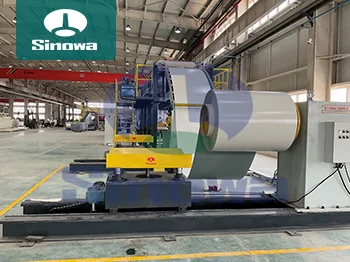
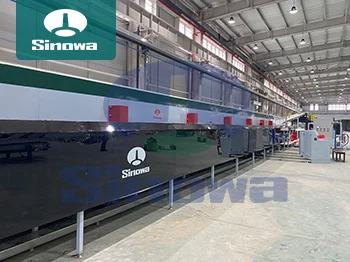
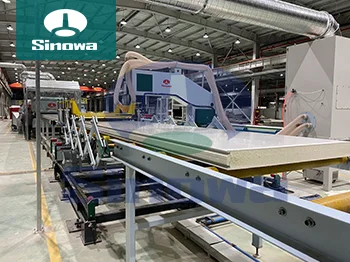
Sinowa is committed to the development and manufacturing of high-end and high-efficiency fully automatic pu sandwich panel production line. Our fully automatic pu sandwich panel production line are leading the way in efficiency, automatic control, human-computer interaction, environmental protection and energy consumption. Using system integration and bus control technology, it realizes the automatic integrated linkage control of the entire fully automatic pu sandwich panel production line, and can achieve remote interactive communication, which has the world-class level and a comprehensive leading high-performance fully automatic pu sandwich panel production line in the market.
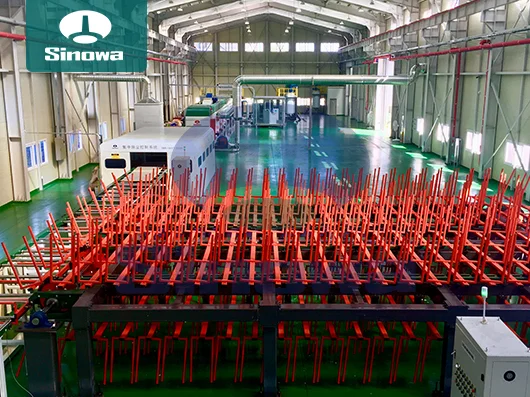
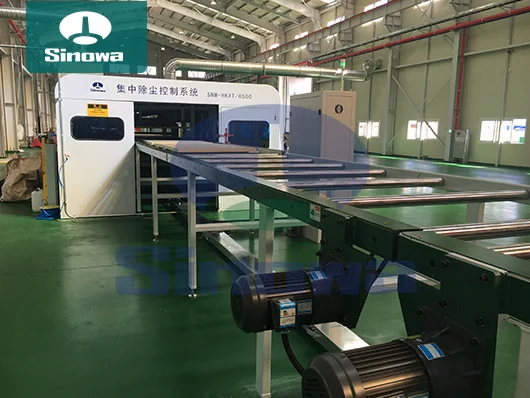
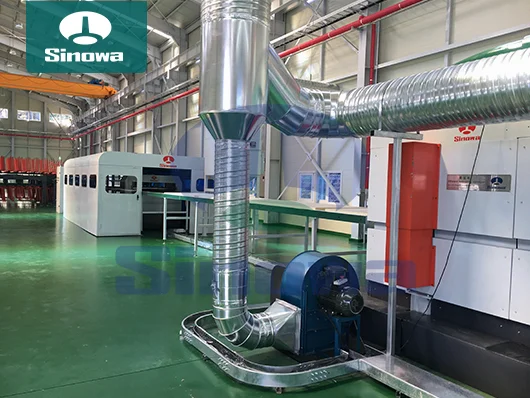
For more than ten years, relying on our innovative manufacturing concept and excellence in quality, reliable and trustworthy service to customers, we cooperate with customers all over the world, exported products to Canada, South Korea, Israel, Australia, the Middle East and other more than 20 countries and regions. contributed to building energy conservation and low-carbon production and have won widespread praise.
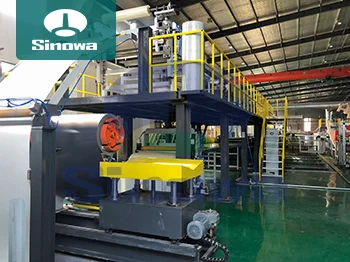
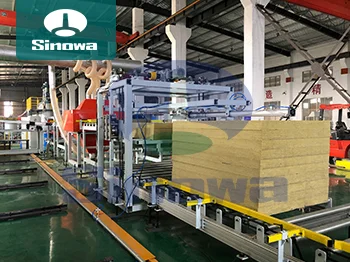
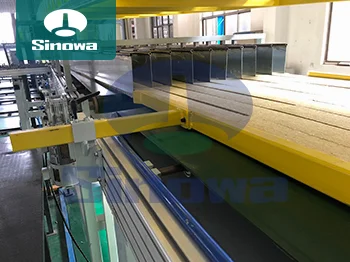
Sinowa has invested outstanding efforts in fully automatic pu sandwich panel production line, this is why our products are more efficiency, quality, automatic control technology, environmental protection, energy consumption indicators and the appearance and safety protection are comprehensively leading, some subversive design changes in many major technical points, these major innovations make our products excellent in price/performance and user experience.
In the modern construction and industrial manufacturing landscape, the demand for high-performance, energy-efficient, and durable building materials has been steadily rising. Among these materials, PU sandwich panels have emerged as a pivotal choice, celebrated for their exceptional thermal insulation, structural integrity, lightweight properties, and versatility. These panels, composed of two outer facing materials and a rigid polyurethane (PU) foam core tightly bonded together, find extensive applications across various sectors, from industrial warehouses and cold storage facilities to residential buildings, commercial complexes, and even refrigerated transportation. The mass production of these high-quality panels relies heavily on advanced manufacturing equipment, and the fully automatic PU sandwich panel production line stands out as the cornerstone of efficient, consistent, and high-volume production. This integrated system revolutionizes the manufacturing process by minimizing manual intervention, optimizing production efficiency, and ensuring uniform product quality, making it an indispensable asset for businesses looking to meet the growing market demand for PU sandwich panels.
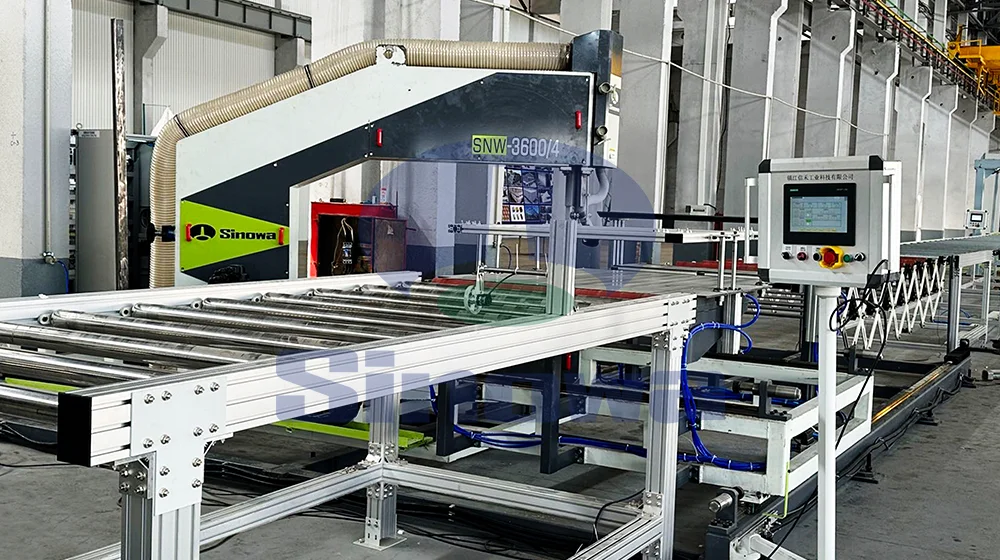
The fully automatic PU sandwich panel production line is a sophisticated integration of mechanical engineering, electrical control, chemical reaction technology, and material processing. Unlike traditional discontinuous production methods that involve intermittent processing and heavy manual labor, this advanced line operates in a seamless, continuous manner, covering every stage of production from raw material feeding to finished product stacking. The core working principle revolves around the precise coordination of multiple functional modules, each designed to perform a specific task while synchronizing with the entire system. This synchronization ensures that each step of the production process is carried out with high precision, consistency, and efficiency, eliminating the inconsistencies and inefficiencies associated with manual or semi-automatic operations. From the unwinding of surface materials to the mixing and pouring of PU foam, from lamination and curing to cutting and stacking, every process is automated, allowing for 24/7 operation and significantly reducing the risk of human error.
Raw material handling is the initial and crucial stage of the production process, as the quality of raw materials directly impacts the performance and durability of the final PU sandwich panels. The fully automatic production line is equipped with advanced raw material handling systems that ensure a stable, continuous, and precise supply of both surface materials and core PU foam components. The surface materials commonly used for PU sandwich panels include galvanized steel, galvalume, aluminum, non-woven fabrics, aluminum foil, and kraft paper, among others. These materials are typically supplied in coil form, and the production line is fitted with multiple uncoiling machines capable of handling different types of coils. These uncoiling machines are equipped with tension control systems to prevent surface material deformation during the uncoiling process, ensuring that the materials remain flat and consistent before entering the subsequent processing stages. Additionally, some production lines include pre-processing units for surface materials, which may involve cleaning, passivation, and coating to enhance the adhesion between the surface materials and the PU foam core, further improving the overall structural integrity of the panels.
The core of the production process lies in the mixing and pouring of the PU foam, a critical step that determines the thermal insulation, density, and bonding strength of the sandwich panels. PU foam is formed by the chemical reaction of polyol, isocyanate, foaming agent, catalyst, and other additives, and the fully automatic production line is equipped with high-precision mixing and metering systems to ensure the accurate ratio of each component. These systems typically include separate storage tanks for each raw material, which are connected to a high-pressure metering pump set that controls the flow of each component with exceptional precision. The mixing head of the system ensures that the raw materials are thoroughly mixed, creating a homogeneous foaming mixture that is then continuously injected into the gap between the two moving surface materials. The temperature of the mixing head and the raw materials is carefully controlled, usually within a range of ±0.5℃, to optimize the chemical reaction and ensure consistent foam quality. This precise control over the mixing and pouring process ensures that the PU foam core has a uniform density, with density deviation typically kept below 3%, which is well below the industry standard, resulting in panels with superior thermal insulation and structural performance.
After the PU foam is injected, the panels move into the lamination and curing section, where the foam expands and bonds tightly to the inner surfaces of the surface materials. The lamination process is carried out by a double-track continuous laminating machine, which applies adjustable pressure (usually between 0.1 and 0.5 MPa) to ensure that the surface materials and the foam core are firmly bonded together. The curing section is equipped with a segmented temperature control system, allowing different zones to be set at different temperatures (ranging from 20℃ to 80℃) to promote the foaming and curing of the PU foam. This controlled curing process ensures that the foam core solidifies evenly, forming a cohesive structure with the surface materials and preventing delamination. The length of the curing section is designed to accommodate the production speed, ensuring that the foam is fully cured before the panels move to the next stage of processing. This careful control over lamination and curing is essential for producing panels with excellent structural stability and long-term durability.
Once the panels are fully cured, they move into the cutting section, where they are cut to the desired length with high precision. The fully automatic production line is equipped with a servo-driven CNC flying saw, which can cut the panels while they are moving, eliminating the need to stop the production line and thus maintaining continuous operation. The cutting accuracy of this system is typically ±0.5 mm, ensuring that the panels meet the exact dimensional requirements of different applications. Additionally, the cutting section may include an automatic waste recycling device, which collects and processes any scrap materials generated during the cutting process, minimizing waste and promoting sustainable production. This waste recycling feature not only reduces material loss but also aligns with the growing global emphasis on environmental protection and sustainable manufacturing practices.
The final stage of the production process is stacking and packaging, which is also fully automated to ensure efficiency and prevent damage to the finished panels. The production line is equipped with an automatic stacker crane, often a six-axis robotic system with a load capacity of at least 500 kg, which can stack the panels according to set specifications. The stacker crane uses a dual-mode grasping system, combining vacuum suction cups and mechanical fixtures, to securely hold the panels and place them in neat stacks, with a maximum stack height of up to 3.5 meters. The stacking system also includes an intelligent sorting algorithm and anti-dumping devices to ensure the stability of the stacks and prevent damage during handling. After stacking, the panels may be wrapped in film by an automatic film wrapping machine to provide dustproof and moisture-proof protection, ensuring that the panels remain in optimal condition during storage and transportation.
One of the key advantages of the fully automatic PU sandwich panel production line is its high production efficiency, which significantly outperforms manual or semi-automatic production methods. The production speed of these lines is adjustable, typically ranging from 3 to 12 meters per minute, with a daily production capacity of over 5,000 square meters (based on an 8-hour workday). This high efficiency allows manufacturers to meet large-scale orders in a timely manner, reducing lead times and improving customer satisfaction. Additionally, the fully automatic operation minimizes the need for manual labor, with most lines requiring only 7 to 8 operators to monitor and maintain the system, significantly reducing labor costs and the risk of labor shortages. The user-friendly interface of the control system allows operators to set production parameters, monitor the production process in real-time, and quickly address any issues that may arise, ensuring smooth and uninterrupted operation.
Another major advantage of the fully automatic production line is the consistent quality of the finished panels. The precise control over every stage of the production process, from raw material metering to cutting and stacking, ensures that each panel has uniform dimensions, density, and bonding strength. This consistency is crucial for applications where structural integrity and thermal insulation performance are critical, such as cold storage facilities and industrial warehouses. Unlike manual production, where human error can lead to inconsistencies in panel quality, the fully automatic line eliminates these variations, resulting in panels that meet strict performance standards. Additionally, the production line can be easily adjusted to produce panels of different specifications, including varying widths (typically 600 to 1200 mm, with customization options), thicknesses (30 to 200 mm), and surface materials, making it highly flexible and adaptable to different market demands. The line can also store over 100 different formulas for PU foam, allowing for quick switching between different product types within 3 minutes, further enhancing its flexibility.
Energy efficiency and environmental friendliness are also key features of modern fully automatic PU sandwich panel production lines. These lines are designed with energy-saving technologies, such as heat recovery systems that can recover up to 65% of the heat generated during the production process, reducing energy consumption and operational costs. Additionally, the lines are equipped with systems to control volatile organic compound (VOC) emissions, ensuring that emissions are kept below 50 mg/m³, which is well within environmental standards. The waste recycling rate of these lines is over 90%, minimizing material waste and reducing the environmental impact of the production process. These features align with the global trend towards sustainable manufacturing and help manufacturers meet increasingly strict environmental regulations, while also reducing their carbon footprint and operational costs.
The fully automatic PU sandwich panel production line is widely used across various industries, driven by the growing demand for high-performance PU sandwich panels. In the construction industry, these panels are used for walls, roofs, and partitions in industrial plants, warehouses, logistics centers, commercial buildings, and residential structures. Their excellent thermal insulation properties help reduce energy consumption for heating and cooling, making buildings more energy-efficient and sustainable. In the cold chain industry, PU sandwich panels are used in cold storage warehouses, refrigerated truck bodies, and other temperature-controlled environments, where their superior insulation performance ensures consistent temperatures and reduces energy consumption. They are also used in the production of modular buildings, container houses, temporary structures, and purification plants, where their lightweight, durable, and easy-to-install properties make them an ideal choice. Additionally, PU sandwich panels are used in agricultural structures such as greenhouses and barns, where they provide protection against weather elements and help control temperature and humidity, supporting healthy plant growth and animal well-being.
As the manufacturing industry continues to evolve towards intelligence and automation, the fully automatic PU sandwich panel production line is also undergoing constant innovation and upgrading. One of the key trends shaping the future of these production lines is the integration of intelligent and digital technologies, such as artificial intelligence (AI), machine learning, and the Internet of Things (IoT). Advanced production lines are increasingly incorporating AI-powered vision systems to inspect the quality of panels in real-time, detecting any defects or inconsistencies and allowing for immediate adjustments to the production process. IoT technology enables remote monitoring and control of the production line, allowing operators to monitor production parameters, identify potential issues, and perform maintenance tasks from a remote location, improving operational efficiency and reducing downtime. Additionally, the use of digital twins allows manufacturers to simulate the production process, optimize parameters, and predict potential issues before they occur, further enhancing the efficiency and reliability of the production line.
Another trend in the development of fully automatic PU sandwich panel production lines is the focus on customization and flexibility. As market demands become more diverse, manufacturers are seeking production lines that can easily adapt to different product specifications and requirements. Modern production lines are designed with modular configurations, allowing for the addition or modification of components to meet specific production needs. This modular design also makes it easier to maintain and upgrade the production line, ensuring that it remains up-to-date with the latest technological advancements. Additionally, the ability to handle different core materials, such as rock wool and glass wool, in addition to PU foam, further enhances the flexibility of these production lines, allowing manufacturers to expand their product range and meet a wider range of market demands.
The maintenance of fully automatic PU sandwich panel production lines is also an important aspect of ensuring their long-term performance and reliability. Regular maintenance helps prevent equipment breakdowns, reduce downtime, and extend the service life of the production line. Modern production lines are designed with easy maintenance in mind, with accessible components and user-friendly diagnostic systems that allow operators to quickly identify and address any issues. Operator training is also a crucial part of maintenance, as well-trained operators are better able to identify potential problems, perform routine maintenance tasks, and operate the equipment safely and efficiently. Regular training sessions ensure that operators are updated on new technologies and maintenance practices, further improving the reliability and efficiency of the production line.
In conclusion, the fully automatic PU sandwich panel production line is a sophisticated, efficient, and reliable manufacturing system that plays a crucial role in meeting the growing demand for high-performance PU sandwich panels. Its seamless integration of mechanical, electrical, and chemical processes ensures continuous, high-volume production with consistent quality, while minimizing manual intervention and labor costs. The advanced features of these production lines, including precise raw material metering, controlled foaming and curing, high-precision cutting, and automated stacking, make them an indispensable asset for manufacturers across various industries. As technology continues to advance, these production lines will become even more intelligent, flexible, and energy-efficient, driving the further development of the PU sandwich panel industry. Whether for construction, cold chain, transportation, or agricultural applications, the fully automatic PU sandwich panel production line provides a sustainable, efficient, and cost-effective solution for producing high-quality panels that meet the diverse needs of modern markets.
« Fully Automatic PU Sandwich Panel Production Line Manufacturer » Update Date: 2026/4/20
- PU Sandwich Panel Machine From China
- Low Price Color Steel Sandwich Panel Production Line
- PUR Sandwich Panel Machine On Sales
- Glass Wool Equipment Manufacturer
- PUR Sandwich Panel Production Line For Sale
- Automatic Sandwich Panel Production Line Design
- Customized Continuous PU Sandwich Panel Line
- High Efficiency Foam Core Sandwich Panel Line
- High-quality PIR Sandwich Panel Machine
- PIR Sandwich Panel Machine Supplier
- Sandwich Panel Foam Making Machine In China
- Polyurethane Sandwich Panel Production Line For Building
- PU Sandwich Panel Production Line Design
- Polyurethane Sandwich Panel Line On Sales
- Fully Automatic PU Sandwich Panel Machine From China
- High-end Polyurethane Sandwich Panel Machinery
- Sandwich Panel Foam Production Line From China
- PU Sandwich Panel Line For House
- PU Isolation Panel Production Line Manufacturer
- Polyurethane Insulation Panel Production Line Manufacturer
- Links:
- Sandwich Panel Continuous Production Line
- Automatic and Continuous Sandwich Panel Production Line
- Cheap and Low Price Sandwich Panel Production Line
- China Sandwich Panel Production Line Factory
- Color Steel Sandwich Panel Production Line For Cold Storage
- Continuous Composite Foam Sandwich Panel Production Line
- Continuous Production Line For Rockwool and Mineral Wool Sandwich Panels
- Continuous PU Phenolic Insulation Panel Production Line
- Continuous PU PIR Sandwich Panel Production Line
- Continuous PUF PUR Sandwich Panel Production Line
- Continuous Sandwich Panel Production Line For Roof and Wall
- Customized and Design Sandwich Panel Production Line
- Decorative Sandwich Panel Production Line For Glass Wool Boards
- High Quality Sandwich Panel Production Line For Sale
- Polyurethane(PU) Sandwich Panel Production Line
- Sandwich Panel Production Line Manufacturer and Supplier