
Cheap Fully Automatic Sandwich Panel Making Machine
Sinowa is a well-known manufacturer and technical service provider of high-end fully automatic sandwich panel making machine, learn more about cheap fully automatic sandwich panel making machine, please contact Sinowa's technical engineer, tell us what you need, we will contact you as soon as possible!
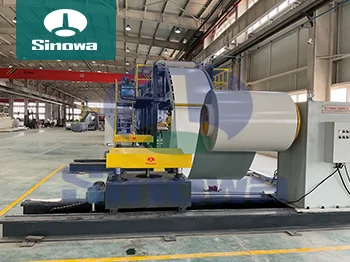
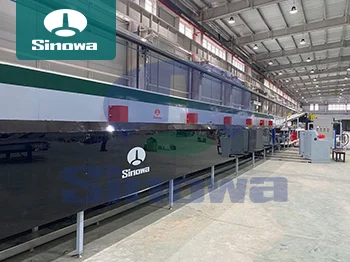
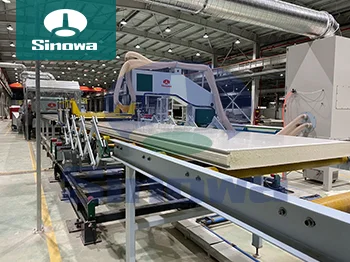
Sinowa is committed to the development and manufacturing of high-end and high-efficiency fully automatic sandwich panel making machine. Our fully automatic sandwich panel making machine are leading the way in efficiency, automatic control, human-computer interaction, environmental protection and energy consumption. Using system integration and bus control technology, it realizes the automatic integrated linkage control of the entire fully automatic sandwich panel making machine, and can achieve remote interactive communication, which has the world-class level and a comprehensive leading high-performance fully automatic sandwich panel making machine in the market.
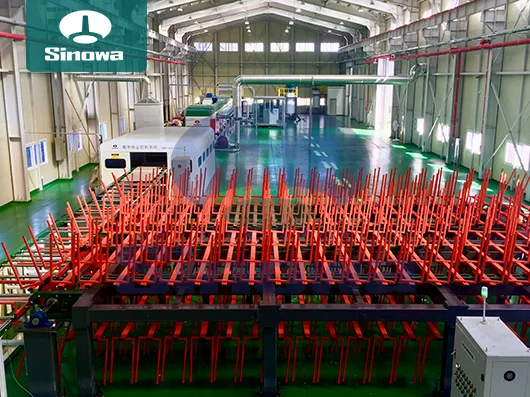
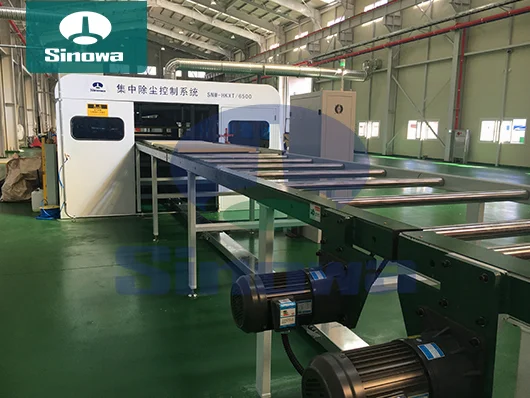
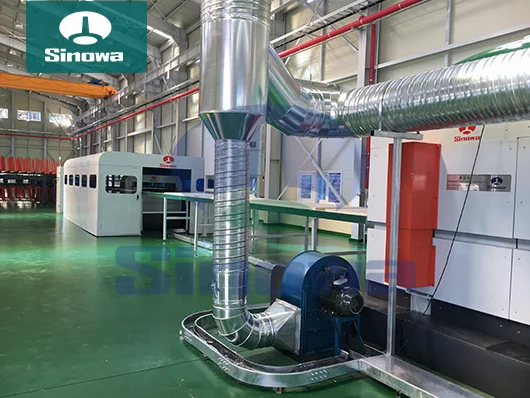
For more than ten years, relying on our innovative manufacturing concept and excellence in quality, reliable and trustworthy service to customers, we cooperate with customers all over the world, exported products to Canada, South Korea, Israel, Australia, the Middle East and other more than 20 countries and regions. contributed to building energy conservation and low-carbon production and have won widespread praise.
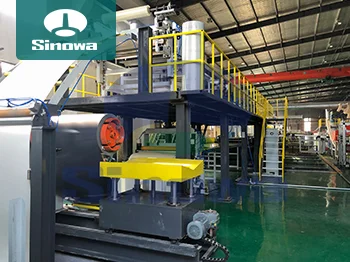
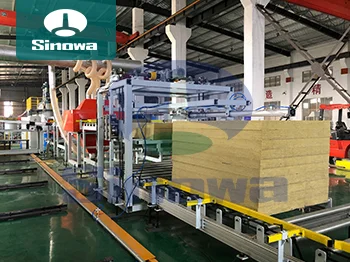
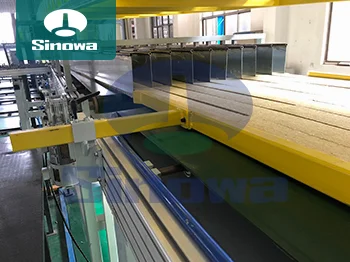
Sinowa has invested outstanding efforts in fully automatic sandwich panel making machine, this is why our products are more efficiency, quality, automatic control technology, environmental protection, energy consumption indicators and the appearance and safety protection are comprehensively leading, some subversive design changes in many major technical points, these major innovations make our products excellent in price/performance and user experience.
The demand for affordable fully automatic sandwich panel making equipment keeps rising as construction projects look for practical ways to speed up wall and roof panel production without overextending their budgets. This kind of machine is designed to complete most core production steps in a continuous flow, cutting down the need for large numbers of on-site operators and lowering the chance of human error during manufacturing. Raw materials move steadily through different working sections once the system starts running, with mechanisms handling feeding, laminating, pressing, trimming and conveying in sequence. Operators only need to set basic parameters on the control interface at the beginning of each production run and carry out regular routine checks while the machine works. Many versions of this equipment are built with a compact layout so they can fit inside standard factory workshops, and they do not require overly complicated foundation work before installation. Even with a cost-friendly positioning, the core functional modules stay intact to maintain stable output for long daily working hours. Users who are new to panel production find this type of machine easier to adapt to, because its operation logic is straightforward and consistent, and spare parts for regular wear replacement can be sourced through common supply channels. It fills a clear gap in the market for small and mid-sized manufacturers that want automatic production capacity but cannot invest in the most high-end, heavily customized production lines.
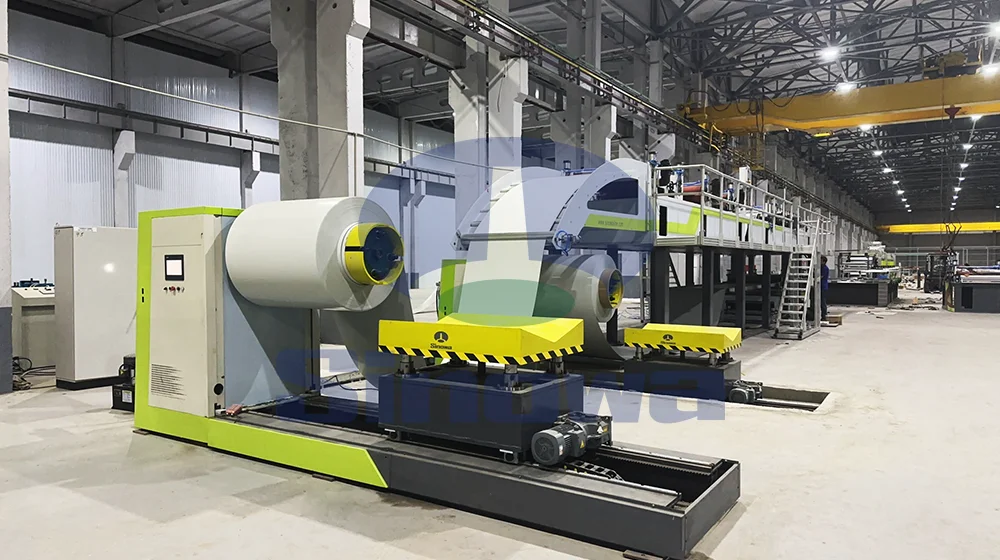
Fully automatic sandwich panel making machines rely on coordinated mechanical and electrical systems to bond surface sheets and inner core materials tightly into finished panels. The feeding unit arranges metal or non-metal facing materials smoothly, while another channel delivers core materials such as foam or mineral wool at a controlled rate. All material speeds are synchronized so the layers align properly and avoid uneven bonding or misalignment that would spoil finished products. The pressing section applies steady and adjustable pressure across the whole width of the panel, ensuring uniform adhesion between every layer without creating weak spots or surface indentations. After pressing, continuous trimming tools cut panels to preset lengths and clean rough edges, removing excess material before finished panels are moved to the stacking area. Sensors placed at key positions detect abnormal material feeding or speed differences and send real-time feedback to the central control system, which makes minor adjustments automatically or triggers an alert for the operator. This level of synchronization removes many repetitive manual tasks that used to slow down traditional semi-automatic production. The consistent coordination between each station also helps keep the finished panel appearance uniform from one piece to the next, which matters a great deal for projects that require visually matching building envelopes.
Choosing a low-cost fully automatic sandwich panel machine does not mean buyers must accept poor production stability, as many simplified designs focus on retaining the most essential functions while cutting unnecessary extra features. Manufacturers of this equipment remove complex auxiliary systems that only serve specialized production needs, focusing instead on reliable continuous panel forming for commonly used specifications. The machine frame uses thick and rigid structural components to resist vibration during long running cycles, because excessive vibration can cause shifting of materials and affect the flatness of finished panels. Drive parts are selected for steady torque output rather than extreme high-speed performance, matching the typical production rhythm of small and medium production workshops. Maintenance requirements are kept simple, with easily accessible lubrication points and exposed connection parts so operators can complete daily cleaning and inspection quickly. Lubrication schedules and inspection checklists are easy to follow, and most routine maintenance can be handled by in-house staff after short training sessions. This approach reduces long-term service costs, since there is less reliance on external technical teams for simple upkeep work. Buyers benefit from a balanced combination of dependable running performance and reasonable upfront investment, making the equipment sustainable for year-round panel production.
The finished sandwich panels produced by this affordable automatic machine are widely used for temporary buildings, warehouse enclosures, workshop roofing and partition walls inside industrial spaces. These panels carry good thermal insulation performance thanks to the integrated core material, helping enclosed spaces stay more stable in temperature and reduce energy consumption for heating or cooling. They also have lightweight characteristics compared with solid building materials, which lowers the load placed on supporting building structures and simplifies transportation and lifting work on construction sites. The finished panel surface is smooth and can resist minor scratches and weather exposure when basic facing materials are selected properly. Panels can be produced in different thickness settings to suit different insulation and structural requirements, and the machine can adjust these settings within its designed range without major rework. Because production runs continuously, orders for large quantities of panels can be fulfilled within shorter lead times, helping construction teams stick to their planned project schedules. Many fabricators who use this equipment serve local construction markets, delivering prefabricated panels directly to sites and cutting the amount of on-site assembly work required. This production model supports the growing preference for prefabricated building solutions across many ordinary construction scenarios.
Operating this fully automatic sandwich panel making machine follows a clear workflow that centers on careful parameter setup before production begins. Operators first load rolls of facing material and prepare core material supplies, making sure raw materials meet the required dimensions and condition to avoid jams or quality issues. Next, they input target panel width, length and production speed on the control panel, and the system locks these settings until manual changes are entered. Once the machine starts, materials move forward automatically through each processing station, and the operator watches the running status, responding promptly if alarms appear. It is important to keep the material feeding area tidy and free from debris, as loose scraps can block rollers or damage surface sheets. During continuous operation, operators should periodically check the bonding effect of freshly made panels and adjust pressure or speed slightly if needed. After finishing a production batch, the machine needs a basic cleaning to clear leftover adhesive fragments and core material dust from rollers and cutting blades. Following these simple operational habits extends the service life of the equipment and keeps reject rates low. Training for operators focuses on understanding alarm signals, safe shutdown procedures and basic troubleshooting, so teams can handle common issues without halting production for extended periods.
Safety design elements are still built into these budget-friendly automatic sandwich panel machines to protect people working around the production line. Protective guards cover rotating rollers and cutting mechanisms, preventing accidental contact with moving parts during operation. Emergency stop buttons are placed at multiple accessible points along the machine frame, allowing anyone nearby to cut power quickly if a dangerous situation develops. The electrical control cabinet is sealed to block dust and moisture, lowering the risk of short circuits that could cause unexpected shutdowns or hazards. Wiring is arranged in orderly routing channels and marked clearly, which also helps technicians carry out inspections and repairs safely. The machine will not start automatically after a power interruption, requiring manual restart to prevent uncontrolled movement once power returns. While these safety features focus on fundamental protection rather than advanced customized safety add-ons, they cover the most common risks found in panel production workshops. Workshop managers still need to enforce site safety rules, including proper protective gear for workers and restricted access to moving sections while the machine is running. The combination of built-in safety structures and standardized operating rules creates a safer working environment for daily panel manufacturing.
The total cost of running a cheap fully automatic sandwich panel making machine includes more than just the initial purchase expense, and thoughtful buyers evaluate ongoing operational spending before making a decision. Power consumption relates directly to the machine’s running time and production speed, and most models are tuned to avoid excessive energy waste during steady-state production. Consumable items such as cutting blades, sealing parts and adhesive supplies need regular replacement based on production volume, and these consumables are generally easy to source at moderate cost. Transportation and installation fees form another part of the early investment, though the compact structure keeps these costs lower than those for large-scale premium production lines. Training for operators takes only a short period, so there is no need for lengthy expensive training programs before production starts. Planned maintenance helps avoid expensive breakdown repairs, and minor worn parts can be replaced before they lead to bigger mechanical failures. When calculating returns, producers compare the cost of operating the machine against the income from finished sandwich panels, considering output volume and the rate of acceptable finished goods. For many small fabricators, this equipment reaches a balanced return cycle within a reasonable time frame when production runs steadily and rejects remain under control. This financial profile makes it attractive for businesses looking to expand into prefabricated panel production without heavy financial pressure.
Looking ahead, affordable fully automatic sandwich panel making machines will continue to evolve to match changing demands from prefabricated construction markets. Improvements tend to focus on smoother material feeding systems, simpler control interfaces and longer service life for key wearing components, all while keeping overall costs from rising sharply. Equipment designers keep listening to feedback from small-scale producers, refining details that reduce downtime and make daily operation less troublesome. As more construction projects favor fast-assembly insulated panels, the market for this category of machinery will stay steady, supporting more new manufacturers to enter the panel production field. Even with incremental upgrades, the core positioning stays the same: offering automatic continuous panel forming at a level of investment accessible to smaller businesses. Users can expect that future versions will maintain the easy maintenance and flexible adjustment features that make these machines popular today. This kind of equipment acts as an important entry point into prefabricated building material production, helping local suppliers meet steady market demand and participate in the shift toward faster, more efficient construction methods. It serves as practical proof that automated manufacturing technology can be made available to more producers, not only large enterprises with abundant capital.
« Cheap Fully Automatic Sandwich Panel Making Machine » Update Date: 2026/10/21
Tags: Fully Automatic Sandwich Panel Making Machine , fully automatic sandwich panel making machine, fully automatic sandwich panel making machine manufacturer, fully automatic sandwich panel making machine supplier, fully automatic sandwich panel making machine for sale, customized fully automatic sandwich panel making machine, china fully automatic sandwich panel making machine
- Decorative PU Sandwich Panel Production Line Design
- Foam Sandwich Panel Machine Manufacturer
- Highly Intelligent PIR Sandwich Panel Machine
- High-end Glass Wool Line
- High-tech Sandwich Panel Line
- Low Price Continuous PU Sandwich Panel Line
- Isolation PU Sandwich Panel Line Manufacturer
- Cheap Composite Panel Production Line
- Low Price Glass Wool Sandwich Panel Production Line
- Good Price And Quality Sandwich Panel Production Line
- High Efficiency PU Sandwich Panel Machine
- High-quality Decorative PU Sandwich Panel Production Line
- Glass Wool Line Manufacturer
- PU Insulation Board Production Line Price
- Fully Automatic PU Sandwich Panel Machine Price
- Corrugated Sandwich Panel Production Line
- Isolation PU Sandwich Panel Line For Sale
- High-end Glass Wool Sandwich Panel Production Line
- Polyurethane Sandwich Panel Manufacturing Line For Clean Room
- PUF Panel Manufacturing Machine For Sale
- Links:
- Sandwich Panel Continuous Production Line
- Automatic and Continuous Sandwich Panel Production Line
- Cheap and Low Price Sandwich Panel Production Line
- China Sandwich Panel Production Line Factory
- Color Steel Sandwich Panel Production Line For Cold Storage
- Continuous Composite Foam Sandwich Panel Production Line
- Continuous Production Line For Rockwool and Mineral Wool Sandwich Panels
- Continuous PU Phenolic Insulation Panel Production Line
- Continuous PU PIR Sandwich Panel Production Line
- Continuous PUF PUR Sandwich Panel Production Line
- Continuous Sandwich Panel Production Line For Roof and Wall
- Customized and Design Sandwich Panel Production Line
- Decorative Sandwich Panel Production Line For Glass Wool Boards
- High Quality Sandwich Panel Production Line For Sale
- Polyurethane(PU) Sandwich Panel Production Line
- Sandwich Panel Production Line Manufacturer and Supplier
- Sandwich Panel Production Machinery and Equipment