
High-quality Decorative PU Sandwich Panel Production Line
Sinowa is a well-known manufacturer and technical service provider of high-end decorative pu sandwich panel production line, learn more about high-quality decorative pu sandwich panel production line, please contact Sinowa's technical engineer, tell us what you need, we will contact you as soon as possible!
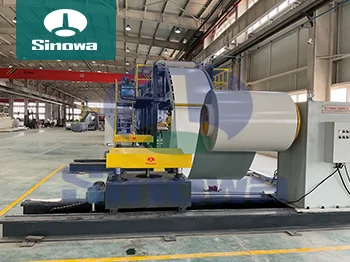
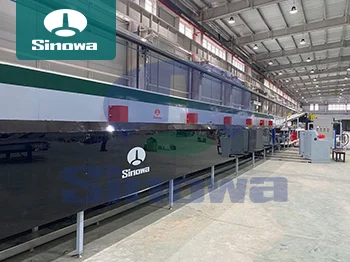
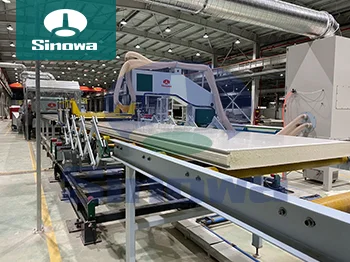
Sinowa is committed to the development and manufacturing of high-end and high-efficiency decorative pu sandwich panel production line. Our decorative pu sandwich panel production line are leading the way in efficiency, automatic control, human-computer interaction, environmental protection and energy consumption. Using system integration and bus control technology, it realizes the automatic integrated linkage control of the entire decorative pu sandwich panel production line, and can achieve remote interactive communication, which has the world-class level and a comprehensive leading high-performance decorative pu sandwich panel production line in the market.
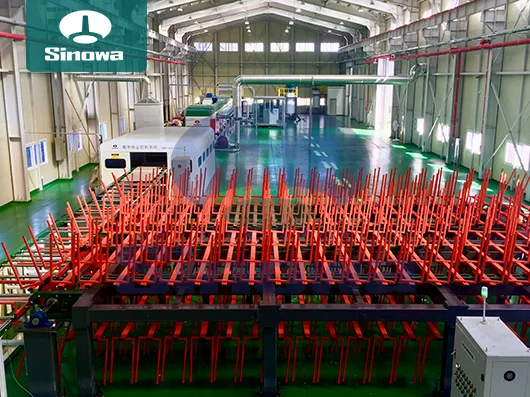
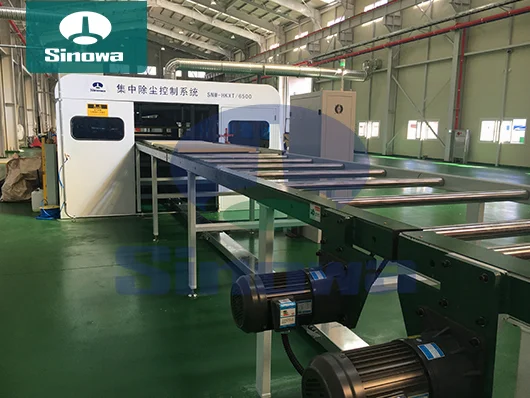
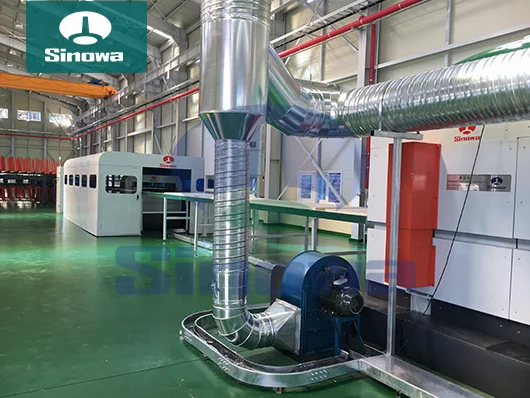
For more than ten years, relying on our innovative manufacturing concept and excellence in quality, reliable and trustworthy service to customers, we cooperate with customers all over the world, exported products to Canada, South Korea, Israel, Australia, the Middle East and other more than 20 countries and regions. contributed to building energy conservation and low-carbon production and have won widespread praise.
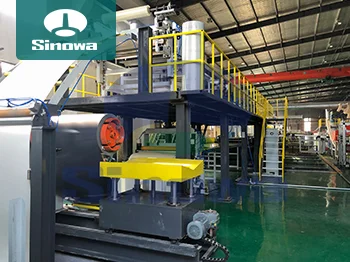
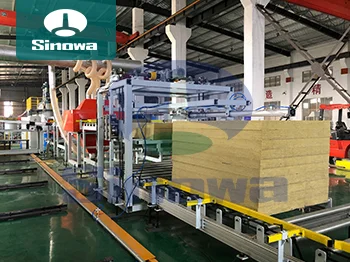
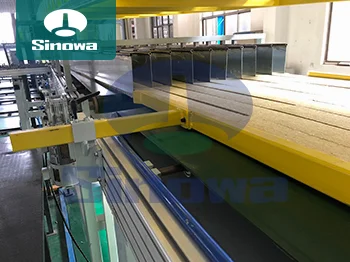
Sinowa has invested outstanding efforts in decorative pu sandwich panel production line, this is why our products are more efficiency, quality, automatic control technology, environmental protection, energy consumption indicators and the appearance and safety protection are comprehensively leading, some subversive design changes in many major technical points, these major innovations make our products excellent in price/performance and user experience.
High-quality decorative PU sandwich panel production line represents a sophisticated continuous manufacturing system built to integrate decorative surface materials and polyurethane foam cores into finished composite panels in one seamless workflow. Unlike standard sandwich panel equipment that prioritizes basic structural performance, this production line is specially optimized to preserve the delicate texture, color uniformity and surface integrity of decorative facings throughout the whole forming process. The entire system adopts a modular layout, connecting feeding, forming, foaming, laminating, curing, cutting and post-processing units into a synchronized production chain. Every single unit is carefully calibrated to avoid scratches, wrinkles or color distortion on decorative surfaces, which are common defects when conventional machines handle patterned or embossed facings. Raw decorative sheets are uncoiled and guided through continuous leveling and deviation correction modules before entering the roll forming section. Gentle roll profiling shapes the edge structure of panels without damaging printed, embossed or coated decorative layers. Operators can adjust roller gaps and feeding speed according to different surface materials, ranging from coated metal sheets to composite decorative films. This flexible design allows the line to switch between multiple decorative styles, delivering panels with consistent visual effects while maintaining stable continuous operation. Careful handling of decorative surfaces at the early production stage greatly reduces reject rates and minimizes material waste, laying a solid foundation for high-quality finished decorative panels that combine ornamental appearance with reliable physical performance.
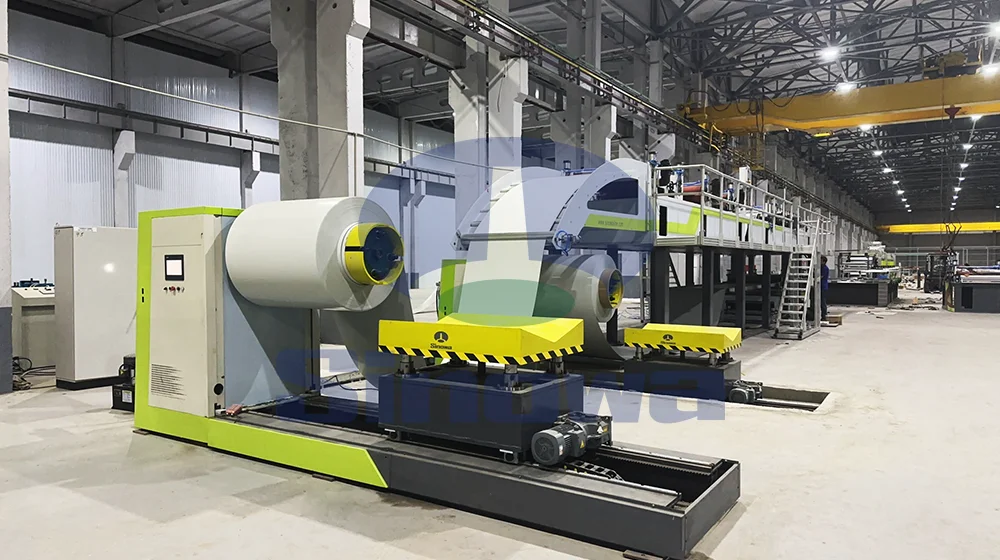
The raw material feeding and pre-treatment segment plays a decisive role in stabilizing the final quality of decorative PU sandwich panels. The line is equipped with multi-station uncoiling devices to support continuous material replacement without long production shutdowns, ensuring uninterrupted manufacturing cycles. After uncoiling, decorative facings go through surface cleaning and micro-pretreatment procedures, removing dust, oil residues and surface impurities that may weaken bonding between decorative layers and PU foam core. This pre-treatment process is designed softly to keep the decorative patterns and coating intact, avoiding abrasive methods that would wear away surface textures. The polyurethane raw material feeding system stores and transports polyol and isocyanate components under stable temperature environments, preventing property changes of chemical materials caused by temperature fluctuations. Precision metering units measure each component with high accuracy, ensuring the mixing ratio stays consistent during long production runs. Even minor deviations in raw material proportion will affect foam density, expansion uniformity and adhesion strength, so real-time monitoring tracks flow parameters continuously. Auxiliary protective film feeding devices can automatically attach transparent protective films onto decorative surfaces right after sheet unwinding, shielding the patterned layer from friction and contamination in subsequent processing. This comprehensive raw material management system guarantees stable material status and clean decorative surfaces, eliminating hidden quality risks that may emerge during foaming and composite forming.
The high-pressure foaming and mixing station serves as the functional core of the decorative PU sandwich panel production line, determining the internal structure and bonding performance of finished panels. Two liquid PU components are delivered to the mixing head through independent metering pipelines, where high-speed impingement mixing creates a homogeneous reactive mixture. The mixing head features self-cleaning structures to prevent residual chemical buildup, which could lead to blockages or inconsistent mixing results during continuous production. The mixed liquid PU material is evenly distributed on the lower decorative sheet through oscillating pouring movement, forming a uniform liquid layer before the upper facing covers the material. The pouring range and flow rate can be adjusted according to target panel thickness and production speed, adapting to different decorative panel specifications. When the liquid PU starts chemical reaction, it expands gradually to fill the space between upper and lower decorative facings, forming a continuous foam core without cavities, gaps or uneven density areas. Strong bonding forms between cured PU foam and decorative facings, preventing delamination under long-term use. Since decorative panels require both attractive appearance and stable composite structure, the foaming reaction speed is precisely controlled to avoid excessive expansion pressure that might deform thin decorative sheets or distort surface patterns. Well-controlled foaming ensures the foam core maintains stable thermal and acoustic properties while tightly combining with decorative layers.
The double-belt laminating and constant-temperature curing section is where the three-layer composite structure of decorative PU sandwich panels takes shape. After PU material injection, the upper and lower decorative sheets together with reactive foam enter the long double-belt conveyor system. The upper and lower circulating belts maintain a fixed and adjustable gap, which defines the finished panel thickness. Uniform pressure is applied across the whole panel width to restrain foam expansion and keep the decorative surfaces flat and smooth. The belt surface uses low-friction, non-stick materials to protect delicate decorative coatings and embossed textures from scratches or adhesion. The enclosed curing zone maintains stable ambient temperature, supporting the full chemical curing of polyurethane foam. Temperature distribution inside the curing tunnel is even, preventing partial over-curing or insufficient curing that would cause internal stress and panel warpage. The moving speed of double belts synchronizes with upstream foaming and downstream cutting units, keeping the whole production rhythm coordinated. During curing, the foam continues cross-linking reaction to gain mechanical strength, while the interface between foam and decorative facings completes full adhesion. After finishing the curing journey, the continuous panel ribbon comes out of the laminating section with stable shape, flat decorative surfaces and integrated composite structure. This continuous curing method achieves consistent panel quality compared with intermittent mould pressing, and greatly improves overall production capacity.
Cooling, fixed-length cutting and edge trimming processes refine semi-finished decorative PU sandwich panels and prepare them for final inspection. After exiting the curing tunnel, the continuous composite panel enters the cooling conveyor to release internal heat gradually. Slow and balanced cooling reduces residual stress inside panels, effectively lowering the possibility of later deformation or surface cracking. The cooling section avoids rapid temperature drops that may damage decorative coatings by causing shrinkage mismatch between different material layers. Once cooled to suitable temperature, the continuous panel travels to the cross cutting unit. The cutting system automatically identifies preset length signals and executes precise transverse cutting, separating long panel ribbons into individual panels of required dimensions. Cutting tools adopt sharp and smooth cutting edges to prevent chipping, tearing or scratching decorative surfaces during cutting. Following cross cutting, edge trimming equipment removes excess foam and uneven sheet edges on both sides of panels, producing neat, straight edges. Trimming parameters can be modified to match different panel widths and decorative edge designs. Dust collection devices work synchronously with cutting and trimming operations to collect foam debris and fine powder, keeping decorative surfaces clean and free from particle contamination. This series of post-forming machining turns continuous panel ribbons into standard-sized decorative panels with clean edges and intact surface decoration, ready for surface inspection and stacking.
Intelligent central control and real-time monitoring system runs through every functional segment of the decorative PU sandwich panel production line, supporting stable and user-friendly operation. A centralized control terminal integrates parameter configuration, operation scheduling, data collection and automatic abnormality detection functions. Production staff input target specifications including panel thickness, width, length, production speed and decorative material type on the human-machine interface, and the system automatically adjusts related parameters of feeding, metering, foaming and laminating units. All key operating data such as raw material flow, mixing pressure, curing temperature and conveyor speed are recorded in real time for review and quality traceability. If abnormal fluctuations appear in any process parameter, the system sends out prompt alerts and can trigger protective actions to avoid defective batch production. The linkage control mechanism ensures every individual machine unit moves in coordinated rhythm; any unexpected halt of one module will trigger synchronized speed reduction or pause of connected units to prevent jamming or surface damage of decorative panels. The control system supports parameter storage for different decorative panel recipes, allowing operators to quickly recall settings when switching product styles. This intelligent control reduces manual intervention, lessens human error and maintains consistent production quality over long operation cycles.
Surface inspection, automatic stacking and offline handling modules complete the final stage of decorative PU sandwich panel manufacturing. After cutting and trimming, finished panels pass through visual inspection stations where operators or image detection systems check decorative surfaces for scratches, color difference, pattern distortion, bubbling and delamination defects. Panels failing inspection can be separated immediately, while qualified products move forward to automatic stacking equipment. The stacking mechanism picks up finished panels gently with suction or soft clamping structures to avoid hitting or scraping decorative surfaces. Panels are stacked neatly in designated quantities, and separating spacers can be placed between panels to prevent surface friction during stacking. Once a stack reaches the preset number, the finished panel stack is conveyed out of the production line for temporary storage. Protective packaging materials can be wrapped around stacked panels to shield decorative surfaces from dust, moisture and mechanical impact during storage and transportation. This automated post-processing reduces heavy manual handling work and lowers the risk of surface damage caused by human operation. The design of this end-of-line section matches the high-value characteristics of decorative panels, prioritizing surface protection while improving handling efficiency and neatness of finished goods.
The high-quality decorative PU sandwich panel production line delivers outstanding comprehensive value by balancing decorative effect, material performance and operational sustainability. Panels produced on this line retain rich decorative options on the outer surface while inheriting the advantages of PU foam core, including thermal insulation, sound absorption and lightweight structure. The production process optimizes raw material utilization and reduces unnecessary waste, which helps cut overall resource consumption. The line’s adaptability supports diversified decorative styles, opening application scenarios in interior wall cladding, exterior decorative facades, modular building enclosures and renovation projects. Its continuous production mode achieves stable output with consistent product quality, which meets the growing market demand for integrated decorative and functional building materials. The equipment structure is designed for convenient maintenance, with easy access to key wearing parts and modular components for quick replacement. Reasonable noise reduction and waste collection configurations improve working environment conditions for on-site operators. As market demand for aesthetic and energy-efficient composite building materials keeps expanding, this decorative PU sandwich panel production line offers a reliable manufacturing solution. It connects artistic decorative requirements with industrial composite panel technology, helping manufacturers create decorative panels that maintain attractive appearance and long-term structural stability under various usage environments.
« High-quality Decorative PU Sandwich Panel Production Line » Update Date: 2026/10/16
Tags: Decorative PU Sandwich Panel Production Line , decorative pu sandwich panel production line, decorative pu sandwich panel production line manufacturer, decorative pu sandwich panel production line supplier, decorative pu sandwich panel production line for sale, customized decorative pu sandwich panel production line, china decorative pu sandwich panel production line
- High-quality Polyurethane Insulation Panel Production Line
- PU Sandwich Panel Making Machine For Wall
- Highly Intelligent PU Sandwich Panel Making Machine
- High-tech Continuous Sandwich Panel Line
- High Efficiency Sandwich Panel Making Machine
- High Efficiency PIR Sandwich Panel Production Line
- Metal Sandwich Panel Production Line Factory
- PU Sandwich Panel Making Machine For Cold Storage
- Low Price PUF Panel Manufacturing Machine
- Custom Polyurethane Sandwich Panel Production Line
- Low Price Sandwich Panel Manufacturing Line
- Sandwich Foam Panel Making Machine From China
- Polyurethane Sandwich Panel Machinery Price
- High Efficiency Corrugated Sandwich Panel Production Line
- PU Sandwich Panel Line Design
- Sandwich Roof Wall Panel Making Machine In China
- Cheap Sandwich Panel Production Machinery
- Highly Intelligent PIR Sandwich Panel Machine
- Foam Sandwich Panel Machine Supplier
- High-tech Sandwich Panel Production Line
- Links:
- Sandwich Panel Continuous Production Line
- Automatic and Continuous Sandwich Panel Production Line
- Cheap and Low Price Sandwich Panel Production Line
- China Sandwich Panel Production Line Factory
- Color Steel Sandwich Panel Production Line For Cold Storage
- Continuous Composite Foam Sandwich Panel Production Line
- Continuous Production Line For Rockwool and Mineral Wool Sandwich Panels
- Continuous PU Phenolic Insulation Panel Production Line
- Continuous PU PIR Sandwich Panel Production Line
- Continuous PUF PUR Sandwich Panel Production Line
- Continuous Sandwich Panel Production Line For Roof and Wall
- Customized and Design Sandwich Panel Production Line
- Decorative Sandwich Panel Production Line For Glass Wool Boards
- High Quality Sandwich Panel Production Line For Sale
- Polyurethane(PU) Sandwich Panel Production Line
- Sandwich Panel Production Line Manufacturer and Supplier
- Sandwich Panel Production Machinery and Equipment