
Cheap Polyurethane Sandwich Panel Machine
Sinowa is a well-known manufacturer and technical service provider of high-end polyurethane sandwich panel machine, learn more about cheap polyurethane sandwich panel machine, please contact Sinowa's technical engineer, tell us what you need, we will contact you as soon as possible!
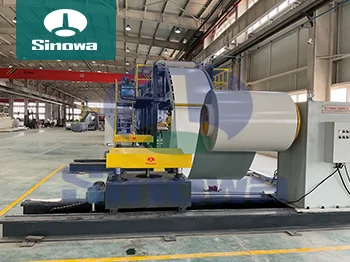
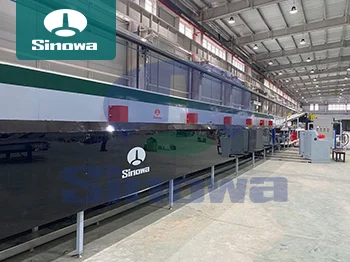
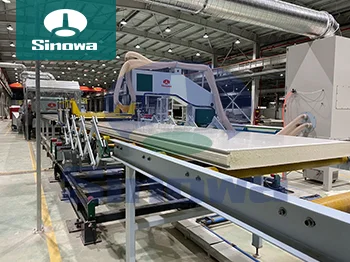
Sinowa is committed to the development and manufacturing of high-end and high-efficiency polyurethane sandwich panel machine. Our polyurethane sandwich panel machine are leading the way in efficiency, automatic control, human-computer interaction, environmental protection and energy consumption. Using system integration and bus control technology, it realizes the automatic integrated linkage control of the entire polyurethane sandwich panel machine, and can achieve remote interactive communication, which has the world-class level and a comprehensive leading high-performance polyurethane sandwich panel machine in the market.
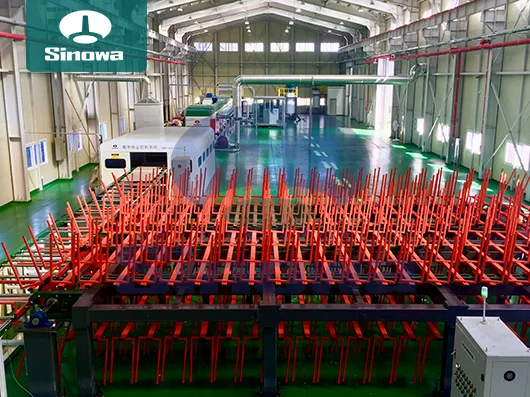
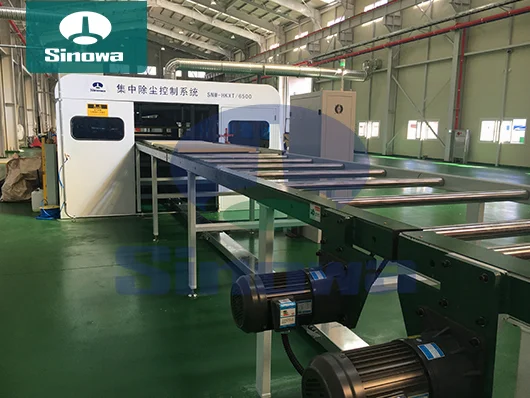
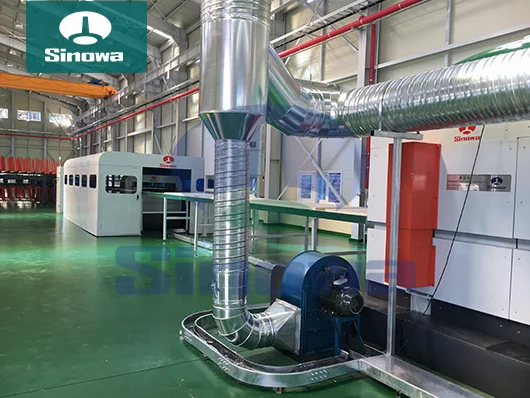
For more than ten years, relying on our innovative manufacturing concept and excellence in quality, reliable and trustworthy service to customers, we cooperate with customers all over the world, exported products to Canada, South Korea, Israel, Australia, the Middle East and other more than 20 countries and regions. contributed to building energy conservation and low-carbon production and have won widespread praise.
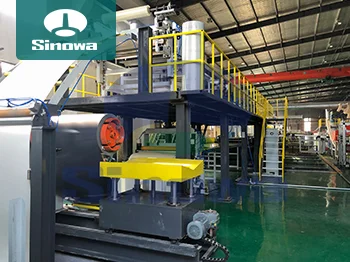
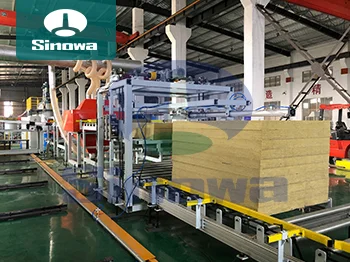
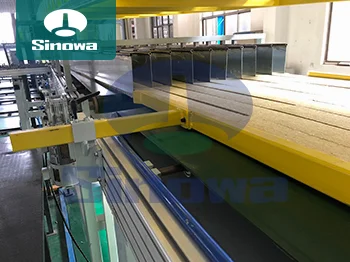
Sinowa has invested outstanding efforts in polyurethane sandwich panel machine, this is why our products are more efficiency, quality, automatic control technology, environmental protection, energy consumption indicators and the appearance and safety protection are comprehensively leading, some subversive design changes in many major technical points, these major innovations make our products excellent in price/performance and user experience.
When exploring affordable polyurethane sandwich panel machine options, it is important to first understand the core function these systems serve within building material production workflows. These machines are engineered to combine different surface facings with a rigid polyurethane foam core, creating composite panels that balance structural stability and thermal performance for a wide range of construction applications. The term “cheap” in this context does not automatically equate to poor durability, but instead refers to equipment built with streamlined configurations that remove unnecessary premium add-ons while retaining the essential working modules needed for continuous panel forming. Many entry-level models follow a compact layout, integrating raw material feeding units, foam mixing and dispensing assemblies, double belt pressing sections, and cutting devices into one connected line. Operators can adjust parameters such as foam injection volume, pressing speed, and panel length to match different production targets, though the adjustable range will usually be narrower compared to high-end industrial lines. Users new to this type of machinery often focus only on upfront expenditure, overlooking supporting factors like material compatibility and daily energy consumption. A well-designed low-cost unit will still maintain consistent mixing of polyol and isocyanate, which directly decides the uniformity of the foam core and the bonding strength between foam and face sheets. Without reliable mixing control, finished panels may suffer from uneven density, weak adhesion, or surface defects that reduce their usability, even if the machine itself carries a low purchase cost. Careful visual inspection of machine frames, mixing heads, and drive components before purchase helps buyers distinguish between simplified practical designs and poorly constructed equipment that may face frequent breakdowns after short operating periods.
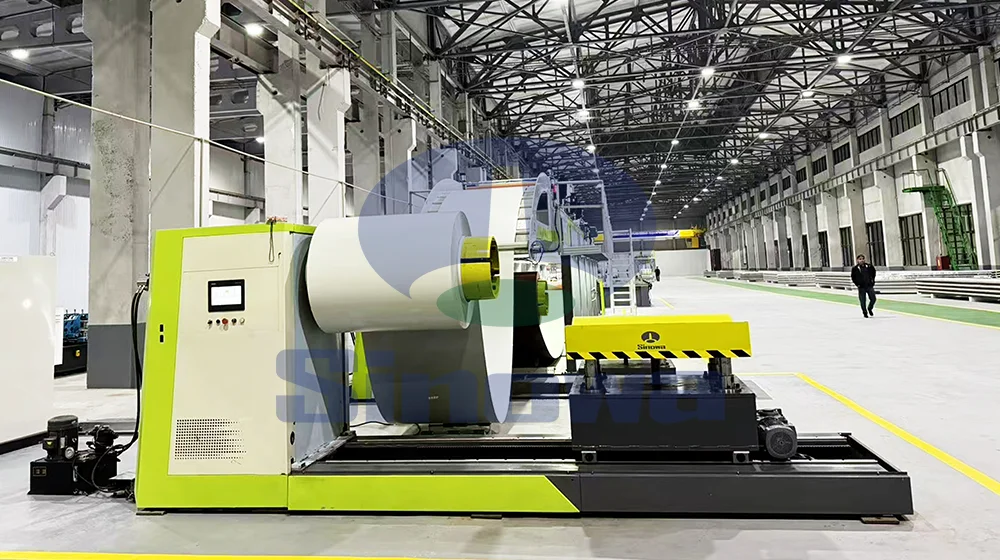
The raw material handling system forms one of the most critical parts of any cheap polyurethane sandwich panel machine, and simplified versions of this subsystem are commonly used to keep overall costs manageable. Basic models come with storage tanks for the two primary chemical components of polyurethane foam, fitted with basic stirring and temperature maintenance devices to prevent premature reaction or material separation. Unlike expensive automated lines with dozens of sensor points and remote monitoring modules, affordable machines rely more on manual or semi-automatic adjustment by on-site workers, which means training for operators becomes more valuable. Operators need to learn how to maintain stable material temperature, clean circulation pipelines regularly, and check for tiny leaks around valves and connectors, as polyurethane chemicals can cure quickly once exposed to air and block internal passages. The feeding mechanism for the outer facings, which can be metal sheets, fiber boards or other flat substrates, is usually designed with manual unwinding supports and simple guiding rollers. These rollers keep the facing materials aligned as they move into the pressing zone, reducing skewing and wrinkling during production. While these structures lack automatic correction systems found on costly equipment, they can deliver acceptable results as long as the feeding area is kept tidy and raw facings meet basic flatness requirements. It is also worth noting that the capacity of material tanks and the delivery pump flow rate set an upper limit for hourly output, so buyers should match these specifications to their planned production volume instead of selecting a machine solely based on its low price tag.
Continuous pressing is the stage where the polyurethane mixture expands, cures, and bonds firmly with the upper and lower facings, and the pressing section of budget machines adopts practical, cost-effective mechanical structures to complete this process. Most cheap polyurethane sandwich panel machines use double conveyor belts with adjustable clearance to define the final thickness of finished panels. The belts move at a synchronized speed to hold the composite materials under steady pressure while the foam completes its expansion reaction. The pressure provided by these belts does not reach the extremely high levels of heavy-duty industrial presses, which means these machines are better suited for producing panels with moderate thickness and standard weight rather than ultra-thick, high-density composite boards. The frame holding the pressing belts is usually made of thick welded steel to resist deformation under long-term running loads, even if decorative surface treatments or precision polishing are omitted to cut expenses. Heating elements may be included in limited forms to support curing, but complex multi-zone temperature control is rarely present on lower-cost versions. This means the production environment will have a larger influence on curing results; workshops with stable ambient temperatures and low humidity help produce panels with stable quality. When running the machine, operators need to watch for signs of insufficient pressure or uneven belt speed, which can cause foam overflow, inconsistent panel thickness, or gaps between the foam core and surface layers. With disciplined monitoring and regular tension adjustment for the conveyor belts, these pressing assemblies can run steadily for long shifts and turn out panels suitable for general enclosure and insulation projects.
After pressing and curing, the cutting unit separates continuous long panels into custom lengths, and budget polyurethane sandwich panel machines are equipped with relatively straightforward cutting assemblies that fulfill this fundamental requirement. Many low-cost designs use flying cut-off mechanisms that move along with the running panel during cutting to avoid stopping the whole production line, preserving continuous workflow and avoiding large drops in output. The cutting tool itself is usually a high-strength saw blade or shear blade sized to handle the combined thickness of the facing sheets and foam core. Sophisticated dust collection, chip recycling, and automatic edge-trimming functions are often optional extras, so buyers looking to keep costs down will typically handle edge finishing separately with handheld tools or small auxiliary equipment. The length setting for cuts is entered through a simple control panel, and the system counts panel travel distance to trigger the cutting action. Minor measurement deviation can appear on these affordable units, which is acceptable for applications that allow a small margin of error, though it makes them less ideal for projects requiring extremely precise dimensional tolerances. Maintenance on the cutting station mainly involves sharpening or replacing worn blades, lubricating sliding rails, and clearing accumulated foam scraps that can jam moving parts. If scraps are left to build up over time, they can interfere with the movement of the cutting carriage and lead to jagged cuts or unexpected shutdowns. For small and mid-sized producers, accepting this slightly hands-on cutting process is often a reasonable trade-off for the lower initial investment in the full sandwich panel production line.
The control system on cheap polyurethane sandwich panel machines focuses on core operational functions and avoids complex digital features that push equipment prices higher. Instead of large touchscreen interfaces connected to cloud platforms, many of these machines use physical buttons, knobs, and basic digital displays to show speed, material flow, and running time. All major actions including starting, stopping, adjusting pump speed, and setting cut lengths are controlled locally on the machine cabinet. This simpler control architecture has a clear advantage: it is easier to repair and replace individual components, and spare parts tend to be widely available at low cost. Technicians do not need specialized software access or proprietary diagnostic tools to troubleshoot most common faults, which reduces waiting time and service expenditure after purchase. On the downside, data recording and production statistics are limited; operators must log output counts and quality notes manually rather than downloading automated production reports. There is also no built-in system alert for subtle drifting of mixing ratios or slow pressure loss, so workers must carry out periodic checks at fixed intervals. Basic safety interlocks are still present to stop the machine when protective covers are opened, protecting operators from moving belts and cutting tools. Learning to operate this kind of control system does not demand advanced automation knowledge, making these machines accessible to teams with limited experience running large composite production lines. For businesses prioritizing dependable basic operation over smart factory connectivity, this stripped-back control setup offers excellent practical value.
Maintenance planning is a key factor for anyone investing in a cheap polyurethane sandwich panel machine, because simplified construction means consistent routine care directly extends the service life of every component. The mixing head is one part that demands frequent attention; residual polyurethane foam hardens quickly and can block internal passages if not flushed with cleaning solvent after every production run. Operators should follow a fixed cleaning routine at the end of each working day, removing leftover chemicals and preventing cured foam from damaging pump seals and mixing chambers. Drive motors, gearboxes, bearing points, and conveyor belt tension rollers require regular lubrication, and worn belts or seals should be replaced before they fail completely. Waiting until a component breaks unexpectedly often leads to longer downtime and can even damage adjacent parts of the line. Since these machines use standard, common mechanical and electrical parts in most areas, sourcing replacements is usually faster and cheaper compared to premium machinery with custom proprietary parts. It is wise for owners to keep a small stock of frequently consumed items such as gaskets, filter elements, cutting blades, and cleaning supplies on-site. The workshop environment also plays a role in maintenance frequency; excessive dust, moisture, or wide temperature swings speed up wear on electrical contacts and metal surfaces. A dedicated maintenance checklist helps operators stay organized, covering visual leak checks, belt alignment verification, pump performance testing, and safety function testing each week. With steady upkeep, an affordable polyurethane sandwich panel line can maintain stable output for many years and deliver a reliable return on the initial investment.
Understanding production limits helps set realistic expectations when working with a cheap polyurethane sandwich panel machine, preventing buyers from trying to push the equipment beyond its intended operating range. These machines are designed for moderate, steady output rather than nonstop high-volume mass production around the clock. Running the line continuously for extremely long periods without scheduled rest increases the chance of overheating pumps, slipping belts, and inconsistent foam reaction. The range of usable facings is also narrower; thinner, lighter facing materials work best, while thick, rigid substrates with high stiffness may cause feeding jams or uneven pressing. Similarly, the variety of foam formulations that can be processed is limited, as the basic mixing system is calibrated for standard two-component polyurethane blends and may struggle with modified formulas that demand highly precise ratio control. Finished panels made on these machines fit well into many common building uses, including temporary structure walls, warehouse partition panels, simple roof coverings, and cold room enclosures with moderate insulation requirements. They are less suitable for specialized applications with strict surface flatness, fire performance, or ultra-low thermal conductivity demands that require advanced formulation and precision production equipment. Small manufacturers and new entrants to the sandwich panel industry benefit most from these limitations, as the lower entry cost lets them test market demand, refine their panel products, and build operating experience before considering a larger, more capable production line. This gradual growth strategy lowers overall business risk and avoids tying large amounts of capital into machinery before sales volume is proven.
When comparing different cheap polyurethane sandwich panel machine offerings on the market, buyers should focus on overall build quality and after-sales support rather than choosing the lowest-priced option without further evaluation. Two machines with similar advertised prices can differ greatly in the thickness of their steel frames, the quality of mixing pumps, the stability of conveyor assemblies, and the availability of guidance during installation and commissioning. Some suppliers offer only the bare machine unit with minimal instructions, leaving the buyer to handle setup, alignment, and initial testing independently, which can delay production start-up and lead to avoidable operating errors. Others include basic installation guidance and instructional materials that walk new users through line alignment, first material trial runs, and common troubleshooting steps. It is also useful to ask about the availability of technical consultation when unusual quality issues appear, such as poor foam expansion or weak panel bonding. Buyers should also think about future expansion; while budget machines cannot easily be upgraded into fully automated high-speed lines, many can be paired separately with auxiliary unwinders, edge trimmers, or packaging stations later as business grows. The goal of selecting affordable equipment is not just to reduce upfront spending, but to find a balanced solution that matches current production goals, operator skill levels, and available workshop space. A suitable cheap polyurethane sandwich panel machine can become a solid foundation for a composite panel business, allowing producers to create competitive insulated panels and develop a steady customer base while planning for future upgrades as their business expands.
« Cheap Polyurethane Sandwich Panel Machine » Update Date: 2026/10/21
Tags: Polyurethane Sandwich Panel Machine , Polyurethane Sandwich Panel Machinery , polyurethane sandwich panel machine, polyurethane sandwich panel machine manufacturer, polyurethane sandwich panel machine supplier, polyurethane sandwich panel machine for sale, customized polyurethane sandwich panel machine, china polyurethane sandwich panel machine
- PIR Sandwich Panel Line For House
- Fully Automatic PU Sandwich Panel Production Line Factory
- PUF Panel Making Machine Supplier
- High-quality PU Isolation Panel Production Line
- Sandwich Roof Panel Production Line Manufacturer
- PIR Sandwich Panel Machine On Sales
- Glass Wool Sandwich Panel Line For Construction
- Fully Automatic Sandwich Panel Making Machine On Sales
- High-quality PUR Sandwich Panel Production Line
- Polyurethane Sandwich Panel Machinery Design
- Polyurethane Insulation Panel Production Line For Building
- Continuous Sandwich Panel Production Line Factory
- Custom Sandwich Panel Making Equipment
- High-tech PIR Sandwich Panel Machine
- High Efficiency Foam Sandwich Panel Production Line
- Continuous Sandwich Panel Manufacturing Line Factory
- High Efficiency Polyurethane Sandwich Panel Machine
- High-tech Sandwich Panel Integrated Production Line
- Fully Automatic Rock Wool Sandwich Panel Production Line Factory
- Polyurethane Insulation Panel Production Line For Sale
- Links:
- Sandwich Panel Continuous Production Line
- Automatic and Continuous Sandwich Panel Production Line
- Cheap and Low Price Sandwich Panel Production Line
- China Sandwich Panel Production Line Factory
- Color Steel Sandwich Panel Production Line For Cold Storage
- Continuous Composite Foam Sandwich Panel Production Line
- Continuous Production Line For Rockwool and Mineral Wool Sandwich Panels
- Continuous PU Phenolic Insulation Panel Production Line
- Continuous PU PIR Sandwich Panel Production Line
- Continuous PUF PUR Sandwich Panel Production Line
- Continuous Sandwich Panel Production Line For Roof and Wall
- Customized and Design Sandwich Panel Production Line
- Decorative Sandwich Panel Production Line For Glass Wool Boards
- High Quality Sandwich Panel Production Line For Sale
- Polyurethane(PU) Sandwich Panel Production Line
- Sandwich Panel Production Line Manufacturer and Supplier
- Sandwich Panel Production Machinery and Equipment