
Polyurethane Sandwich Panel Machinery
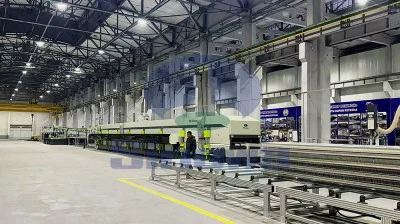
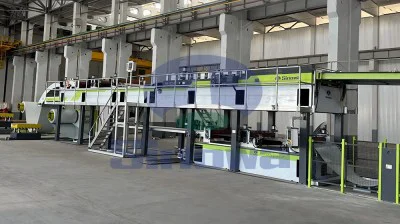
Sinowa is a polyurethane sandwich panel machinery supplier from china, customized high-quality & high efficiency polyurethane sandwich panel machinery at low price, the adoption of system integration technology and bus control technology accomplishes the full automatization of integrated and coordinated control of the polyurethane sandwich panel machinery with accessible remote interactive communication. Ranking the first-class level in the world, it is currently the polyurethane sandwich panel machinery in the market taking a comprehensive lead in high performance.
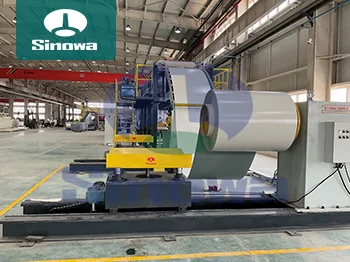
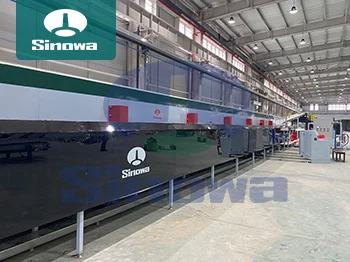
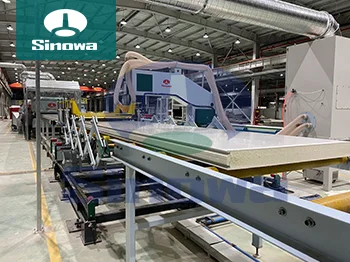
The high-tech polyurethane sandwich panel machinery can meet a variety of production needs of customers, the whole polyurethane sandwich panel machinery design concept of modularization enables all our components to be integrated and combined at will. Our high efficiency polyurethane sandwich panel machinery can easily automate the production of roof sandwich panel, wall sandwich panel, cold storage sandwich panel and other products by different combination and configuration selection and siple switching. The inner core layer can be polyrethane or rock wool, glass wool, an so on.


The high precision polyurethane sandwich panel machinery has high adaptability, which may produce various sandwich panel of the PU, PIR and rock wool systems. We may design various products according to the customer’s requirements, including various configurations, so as to meet their demands with flexible price system. Highly integrated and linked control system centralizes all control points at the main central center, achieving parameter linkage, fault self-diagnosis controlled by the whole line and shipping distance control. High-level automatic control system also saves the manpower and reduces the manpower loss for customers.


The precision servo hoisting mechanism employed by the main engine without hydraulic system makes the board thickness control flexible and the customer may conveniently change or adjust the board thickness. There will be not such troubles as hydraulic system adjustment, leakage, maintenance, etc.


High-level energy saving and protection design makes the whole polyurethane sandwich panel machinery possible to produce around the clock throughout the year and the customer will save huge budget. In addition, the isolated heat preservation room is constructed for warming the environment. The energy saving and protection design of our manufacturing line may guarantee that the customer’s production line may be freely heated and produce in the main time to save more costs for customers.


The high-power low-consumption design quickens the reaction of the cheap polyurethane sandwich panel machinery while energy consumption is kept low. With the brand-new, fully sealed inner insulation design, the energy consumption is controlled at the minimum level to achieve the design objective of less than an hour for the insulation system to be activated from the room temperature above 5℃ to the production process temperature. The energy consumption is only 40% that of those similar products.
Polyurethane sandwich panel machinery stands as a cornerstone of modern composite building material manufacturing, engineered to produce high-performance polyurethane (PU) sandwich panels that combine lightweight structural integrity, exceptional thermal insulation, and durable weather resistance. This specialized industrial equipment integrates multiple mechanical, chemical, and automated control systems into a single streamlined production line, designed to transform raw polyurethane materials and facing sheets into uniform, high-quality sandwich panels through a series of precisely controlled processing steps. Unlike general-purpose manufacturing machinery, it is tailored to the unique chemical foaming and bonding characteristics of polyurethane, ensuring consistent panel quality, dimensional accuracy, and functional performance across large-scale production runs. Every component of the machinery is engineered to work in seamless coordination, from raw material handling to final panel finishing, eliminating manual errors and optimizing production efficiency while maintaining the core physical and chemical properties of the finished polyurethane sandwich panels.
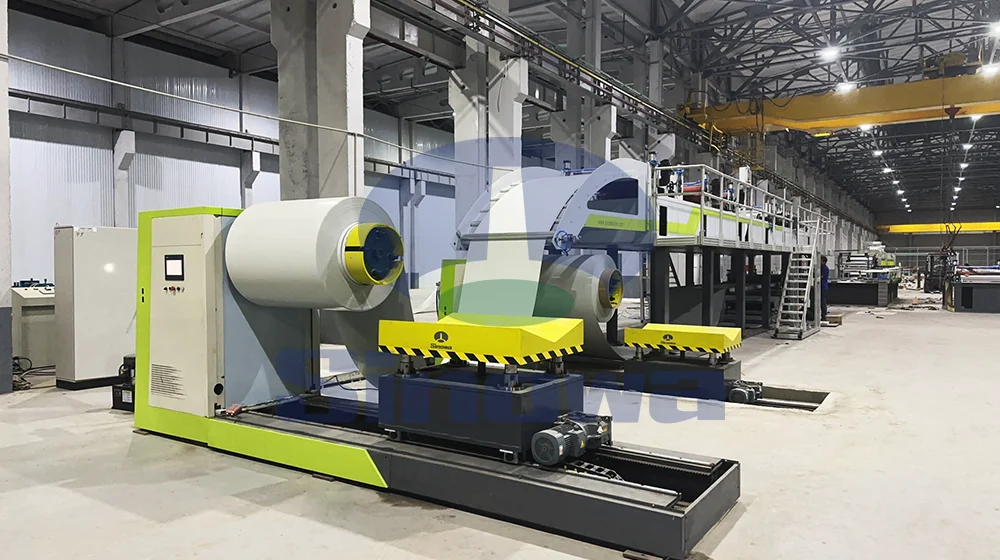
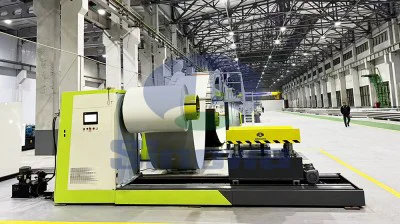
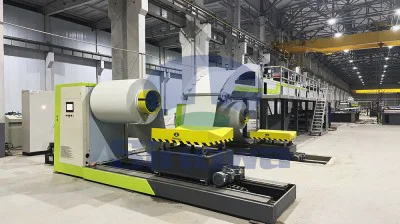
At its core, the structural design of polyurethane sandwich panel machinery is built around a modular, integrated framework that supports continuous or batch production workflows, with each module dedicated to a specific stage of panel manufacturing. The primary structural components include a raw material storage and conveying system, a facing sheet processing unit, a high-precision polyurethane foaming and mixing system, a laminating and molding unit, a curing and shaping section, a cutting and trimming module, and a finished panel stacking and handling system. The raw material storage and conveying system is responsible for safely storing and accurately transporting the two key polyurethane raw materials—polyol and isocyanate—along with auxiliary additives such as foaming agents, flame retardants, and colorants, preventing material contamination and ensuring stable feeding pressure throughout production. This system features sealed storage tanks, precision metering pumps, and insulated conveying pipelines to maintain consistent material temperature and viscosity, which are critical for uniform foam formation. The facing sheet processing unit handles the outer protective layers of the sandwich panel, typically metal sheets, aluminum coils, or other rigid facing materials, performing tasks such as uncoiling, leveling, surface cleaning, profiling, and edge treatment to prepare the facings for bonding with the polyurethane core. Precision rollers and shaping dies in this unit create consistent surface profiles and edge configurations, ensuring a tight, gap-free bond between the facings and the foam core during the lamination process.
The heart of the machinery’s structure is the high-pressure polyurethane foaming and mixing system, which dictates the quality and uniformity of the panel’s core layer. This system utilizes advanced dynamic or static mixing technology to blend polyol and isocyanate at an exact stoichiometric ratio, with auxiliary additives introduced simultaneously to enhance specific panel properties such as fire resistance, sound insulation, or compressive strength. The mixing process occurs under controlled pressure and temperature conditions to trigger a rapid, uniform chemical foaming reaction that expands the polyurethane mixture into a closed-cell rigid foam structure. Directly adjacent to the mixing system is the laminating and molding unit, a double-belt laminator that forms the sandwich panel structure by pressing the foaming polyurethane mixture between the two pre-treated facing sheets. The double belts maintain consistent pressure and spacing as the foam expands and bonds to the facings, controlling the panel thickness, flatness, and overall density with micrometer-level precision. Following lamination, the semi-finished panels move through the curing and shaping section, where controlled temperature and airflow accelerate the foam curing process, solidifying the molecular structure of the polyurethane core and ensuring full adhesion between the core and facings. This section is equipped with temperature-controlled heating and cooling zones to match the curing requirements of different polyurethane formulations, preventing warping, delamination, or uneven foam density in the finished panels. The final structural modules include the cutting and trimming unit, which uses high-precision saws or cutting tools to trim panels to custom lengths and widths, and the automated stacking system, which gently handles finished panels to avoid surface damage and organizes them for storage or transportation. Each structural component is connected via a centralized mechanical frame and automated control network, creating a closed-loop production system that minimizes manual intervention and maximizes operational continuity.
In terms of performance, polyurethane sandwich panel machinery delivers a unique combination of operational stability, production precision, adaptability, and energy efficiency that sets it apart from other composite material manufacturing equipment. One of the most critical performance metrics is production consistency, as the machinery must maintain uniform panel thickness, density, and bonding strength across thousands of consecutive panels. The precision metering and mixing systems ensure that the polyurethane raw material ratio remains constant, with deviation margins kept to an absolute minimum, directly translating to consistent thermal conductivity, compressive strength, and dimensional stability in the final product. Operational stability is another core performance attribute, with the machinery designed to run continuously for extended periods—often multiple shifts—without significant downtime or performance degradation. Heavy-duty mechanical components, wear-resistant rollers, and robust drive systems withstand the continuous pressure and mechanical stress of production, while the automated control system monitors real-time operating parameters such as temperature, pressure, line speed, and material flow, making automatic adjustments to compensate for environmental changes or material variations. This automated monitoring and adjustment capability reduces the need for manual calibration and minimizes production waste, boosting overall production yield.
The machinery also exhibits exceptional adaptability performance, capable of producing polyurethane sandwich panels of varying thicknesses, widths, and facing materials to meet diverse market demands. It can accommodate facing materials ranging from colored steel sheets and aluminum plates to non-metal facings such as fiberglass or kraft paper, and adjust panel thickness from a few dozen millimeters to several hundred millimeters by modifying the double-belt spacing and foaming parameters. Production line speed is fully adjustable, allowing manufacturers to scale production volume based on order requirements, from small-batch custom production to large-scale mass production. Additionally, the machinery offers strong compatibility with different polyurethane formulations, including standard PU foam, modified polyisocyanurate (PIR) foam for enhanced fire resistance, and foam blends with added sound-dampening or moisture-resistant properties, without requiring major structural modifications. Energy efficiency is a key performance feature as well, with modern designs incorporating energy-saving components such as variable-frequency drives for motors, insulated curing chambers, and recycled heat systems that reduce overall energy consumption while maintaining optimal production temperatures. The closed-loop material handling system also minimizes raw material waste, capturing excess foam or trim materials for recycling where feasible, aligning with sustainable manufacturing practices. Noise and dust emission levels are tightly controlled during operation, creating a safer and more environmentally friendly working environment compared to older generation manufacturing equipment.
Polyurethane sandwich panel machinery is classified into distinct categories based on production mode, structural design, and application scope, with each type tailored to specific production scales, panel specifications, and industry requirements. The most fundamental classification is between continuous production lines and discontinuous (batch) production machinery, representing the two dominant production modes in the industry. Continuous polyurethane sandwich panel machinery is designed for large-scale, high-volume production, operating as a fully integrated line that processes raw materials into finished panels in a single, uninterrupted workflow. This type of machinery features a long, continuous double-belt laminator, automated material feeding, and real-time cutting systems, enabling non-stop production with high line speeds and maximum output efficiency. It is ideal for large manufacturing facilities that supply panels to large-scale construction projects, mass market distributors, and international export markets, offering the lowest per-unit production cost for high-volume orders. Continuous lines are highly automated, requiring minimal manual labor beyond system monitoring and maintenance, and are capable of producing long, continuous panels that can be cut to custom lengths on demand.
Discontinuous polyurethane sandwich panel machinery, by contrast, is designed for small-batch, custom, or low-volume production, operating in separate batch cycles where each panel or small batch of panels is produced individually before the next cycle begins. This type of machinery features a compact, modular structure with a smaller laminating platform, manual or semi-automated material loading, and batch curing systems, making it more flexible for producing custom panel sizes, special profiles, or low-quantity orders. Discontinuous machinery is more cost-effective for small and medium-sized manufacturing enterprises, as it requires lower initial investment, less factory floor space, and lower operational costs compared to continuous lines. It is also suitable for producing specialty panels with unique specifications, such as curved panels, thick insulation panels for extreme environments, or panels with custom surface finishes. Beyond production mode, machinery is also classified by panel type and application, including specialized cold storage panel production machinery, wall and roof panel machinery, and decorative composite panel machinery. Cold storage-focused machinery is engineered to produce panels with ultra-high thermal insulation and airtight sealing properties, with enhanced foam density control and edge sealing systems to prevent heat transfer and moisture penetration. Wall and roof panel machinery is optimized for structural strength and weather resistance, with profiling systems that create durable, load-bearing panel designs for exterior building applications. Decorative composite panel machinery incorporates additional surface treatment modules, such as embossing, coating, or color matching systems, to produce panels with aesthetic finishes for interior and exterior architectural design.
Another classification dimension is based on automation level, ranging from fully automatic lines to semi-automatic and manual machinery. Fully automatic polyurethane sandwich panel machinery integrates advanced PLC (Programmable Logic Controller) systems, touch-screen operation interfaces, and real-time data monitoring, with almost all production stages—from material loading to panel stacking—completed automatically. This level of automation offers the highest production efficiency, consistency, and labor savings, but requires a higher initial investment and skilled technical staff for operation and maintenance. Semi-automatic machinery combines automated core processes (such as mixing and lamination) with manual intervention for material loading, trimming, and stacking, striking a balance between automation and flexibility for medium-scale production facilities. Manual machinery, the most basic category, relies heavily on manual operation for most production steps, typically used for small-scale, low-output operations or experimental panel production in research and development settings.
The applications of polyurethane sandwich panel machinery and the panels it produces span across multiple key industries, driven by the unique combination of properties offered by PU sandwich panels and the machinery’s ability to mass-produce consistent, high-quality products. The construction industry is the largest and most prominent application sector, where the machinery supplies panels for a wide range of building projects, including industrial warehouses, factory buildings, commercial complexes, office buildings, and prefabricated modular structures. PU sandwich panels produced by this machinery serve as both wall cladding and roofing materials, offering exceptional thermal insulation to reduce building energy consumption for heating and cooling, while their lightweight yet rigid structure reduces the overall load on building foundations and speeds up construction timelines. Unlike traditional building materials that require multiple layers for insulation and structural support, PU sandwich panels integrate insulation, structural strength, and weather resistance into a single panel, cutting down on construction time and labor costs significantly. Prefabricated and modular building projects rely heavily on these panels, as they can be cut to precise dimensions off-site and assembled quickly on location, enabling fast, efficient construction of residential, commercial, and public buildings.
The cold chain and refrigeration industry represents another critical application area, with specialized polyurethane sandwich panel machinery producing high-performance insulation panels for cold storage warehouses, refrigerated trucks, freezer rooms, food processing facilities, and pharmaceutical storage units. The closed-cell PU foam core produced by the machinery has extremely low thermal conductivity, making it highly effective at maintaining consistent low temperatures and preventing heat exchange between the interior and exterior of refrigerated spaces. These panels are designed with airtight tongue-and-groove edge profiles to eliminate air leaks, ensuring optimal temperature stability for preserving perishable food items, medical supplies, and temperature-sensitive pharmaceuticals. The machinery’s precise density control ensures the foam core meets strict insulation standards for cold chain applications, while the durable facing materials resist moisture, corrosion, and impact damage in harsh refrigerated environments.
In the agricultural industry, polyurethane sandwich panel machinery produces panels used for greenhouse construction, livestock barns, grain storage facilities, and agricultural product storage sheds. The panels’ thermal insulation properties help regulate internal temperatures in greenhouses, creating optimal growing conditions for crops while reducing energy use for heating and ventilation. For livestock housing, the panels provide a comfortable, insulated environment that improves animal welfare and reduces energy costs for farmers, while their smooth, non-porous surfaces are easy to clean and sanitize, maintaining hygienic conditions for livestock. Grain and agricultural product storage facilities benefit from the panels’ moisture resistance and insulation, protecting stored crops from temperature fluctuations and humidity damage that can cause spoilage.
Additional applications extend to the industrial manufacturing, transportation, and cleanroom sectors. In industrial manufacturing, the panels are used to construct partition walls, cleanrooms, and temperature-controlled production areas, where they provide insulation, sound dampening, and contamination control for sensitive manufacturing processes. Cleanrooms in electronics, pharmaceutical, and biotechnology industries rely on the smooth, seamless surface of PU sandwich panels to prevent dust accumulation and bacterial growth, with the machinery producing panels that meet strict cleanliness and insulation standards. In the transportation sector, the machinery produces lightweight, high-strength panels for refrigerated vehicle bodies, shipping containers, and mobile cold storage units, where the low weight of the panels improves fuel efficiency while maintaining superior insulation performance. The panels are also used for interior partitions and insulation in commercial vehicles, trains, and ships, offering a balance of weight reduction and thermal efficiency.
Beyond these core sectors, polyurethane sandwich panel machinery supports niche applications in residential construction, renovation projects, and temporary structure building. Home renovations use the panels for attic insulation, garage door construction, and basement finishing, providing efficient thermal insulation and quick installation. Temporary structures such as event halls, emergency shelters, and construction site offices utilize the panels for fast assembly, weather resistance, and reusability. As global demand for energy-efficient building materials and sustainable construction practices continues to rise, the role of polyurethane sandwich panel machinery becomes increasingly vital, as it enables the mass production of eco-friendly, high-performance composite panels that reduce energy consumption in buildings and support global carbon reduction goals. The ongoing evolution of the machinery’s design—focused on higher automation, greater precision, and enhanced sustainability—further expands its application potential, making it an indispensable piece of equipment in the modern manufacturing landscape.
In summary, polyurethane sandwich panel machinery is a highly specialized, technologically advanced manufacturing system that combines robust structural design, reliable operational performance, flexible classification options, and wide-ranging industrial applications. Its modular structural components work in harmony to produce consistent, high-quality PU sandwich panels, while its core performance attributes ensure efficiency, precision, and adaptability for diverse production needs. The different classifications of the machinery cater to every scale of manufacturing operation, from small custom workshops to large industrial production facilities, and the panels it produces address critical needs in construction, cold chain, agriculture, and numerous other sectors. As the global push for energy efficiency and sustainable building materials continues to grow, this machinery will remain a key driver of innovation in composite material manufacturing, supporting the development of durable, eco-friendly, and high-performance building solutions worldwide.
« Polyurethane Sandwich Panel Machinery » Update Date: 2026/3/24
URL: https://www.sinowamachine.com/tags/polyurethane-sandwich-panel-machinery.html
![Polyurethane Sandwich Panel Machinery For House]()
Polyurethane Sandwich Panel Machinery For House
2026-09-03Polyurethane sandwich panel machinery has emerged as a pivotal technological solution driving the transformation of modern residential construction, offering an automated and integrated approach to manufacturing high-performance building panels tailored for house construction needs. This specialized …![Cheap Polyurethane Sandwich Panel Machinery]()
Cheap Polyurethane Sandwich Panel Machinery
2026-09-03Cheap polyurethane sandwich panel machinery has become a core industrial equipment for the cost-effective production of composite insulation panels, widely favored by small and medium-sized manufacturing enterprises and engineering construction industries. This type of integrated production equipment…![Polyurethane Sandwich Panel Machinery Supplier]()
Polyurethane Sandwich Panel Machinery Supplier
2026-09-01Polyurethane sandwich panel machinery serves as the core automated production system for manufacturing high-performance composite insulation panels widely applied in modern construction, cold chain logistics, industrial manufacturing and clean engineering fields. This integrated production equipment …![Polyurethane Sandwich Panel Machinery Manufacturer]()
Polyurethane Sandwich Panel Machinery Manufacturer
2026-01-12In the modern construction and manufacturing landscape, the demand for efficient, energy-saving and versatile building materials has driven continuous innovation in production equipment. Among these, polyurethane sandwich panel machinery stands out as a key enabler, producing composite panels that in…
- Links:
- Sandwich Panel Continuous Production Line
- Automatic and Continuous Sandwich Panel Production Line
- Cheap and Low Price Sandwich Panel Production Line
- China Sandwich Panel Production Line Factory
- Color Steel Sandwich Panel Production Line For Cold Storage
- Continuous Composite Foam Sandwich Panel Production Line
- Continuous Production Line For Rockwool and Mineral Wool Sandwich Panels
- Continuous PU Phenolic Insulation Panel Production Line
- Continuous PU PIR Sandwich Panel Production Line
- Continuous PUF PUR Sandwich Panel Production Line
- Continuous Sandwich Panel Production Line For Roof and Wall
- Customized and Design Sandwich Panel Production Line
- Decorative Sandwich Panel Production Line For Glass Wool Boards
- High Quality Sandwich Panel Production Line For Sale
- Polyurethane(PU) Sandwich Panel Production Line
- Sandwich Panel Production Line Manufacturer and Supplier
- Sandwich Panel Production Machinery and Equipment