
Polyurethane Sandwich Panel Manufacturing Line Price
Sinowa is a well-known manufacturer and technical service provider of high-end polyurethane sandwich panel manufacturing line, learn more about polyurethane sandwich panel manufacturing line price, please contact Sinowa's technical engineer, tell us what you need, we will contact you as soon as possible!
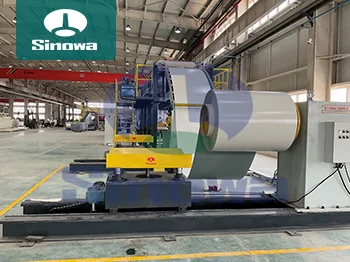
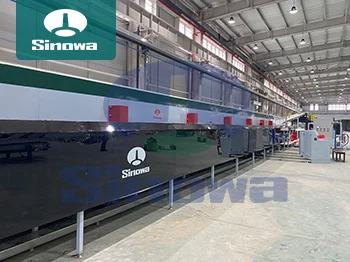
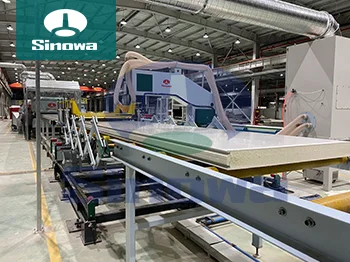
Sinowa is committed to the development and manufacturing of high-end and high-efficiency polyurethane sandwich panel manufacturing line. Our polyurethane sandwich panel manufacturing line are leading the way in efficiency, automatic control, human-computer interaction, environmental protection and energy consumption. Using system integration and bus control technology, it realizes the automatic integrated linkage control of the entire polyurethane sandwich panel manufacturing line, and can achieve remote interactive communication, which has the world-class level and a comprehensive leading high-performance polyurethane sandwich panel manufacturing line in the market.
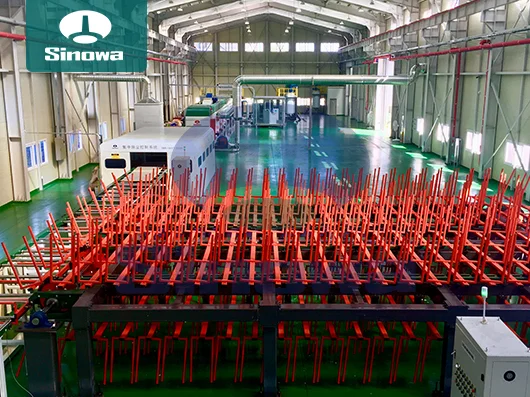
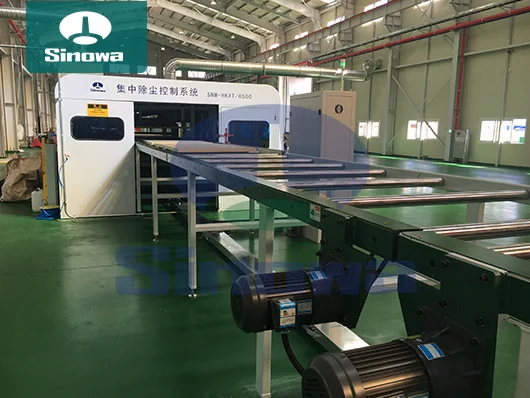
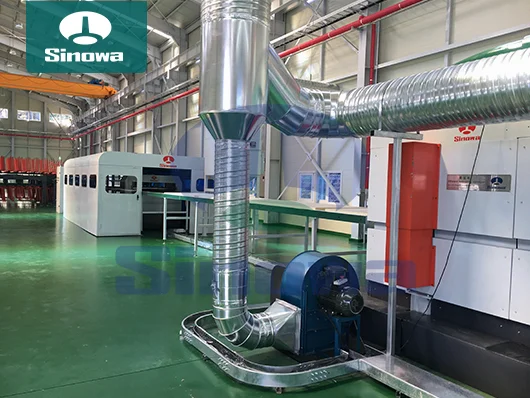
For more than ten years, relying on our innovative manufacturing concept and excellence in quality, reliable and trustworthy service to customers, we cooperate with customers all over the world, exported products to Canada, South Korea, Israel, Australia, the Middle East and other more than 20 countries and regions. contributed to building energy conservation and low-carbon production and have won widespread praise.
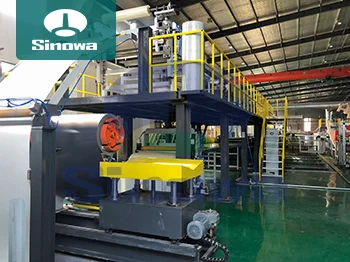
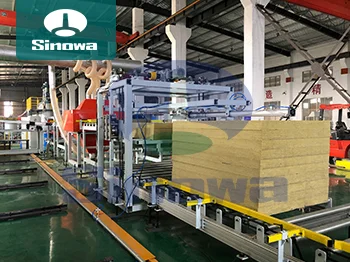
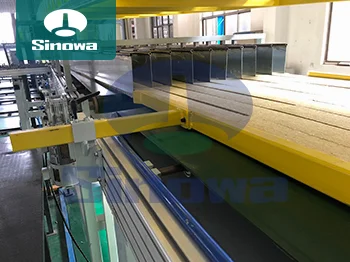
Sinowa has invested outstanding efforts in polyurethane sandwich panel manufacturing line, this is why our products are more efficiency, quality, automatic control technology, environmental protection, energy consumption indicators and the appearance and safety protection are comprehensively leading, some subversive design changes in many major technical points, these major innovations make our products excellent in price/performance and user experience.
Polyurethane sandwich panel manufacturing lines represent advanced integrated industrial systems dedicated to the continuous production of high-performance composite building panels, serving as core equipment in the modern energy-saving construction material industry. These automated production systems integrate mechanical transmission, precise chemical metering, constant-temperature foaming, composite molding, and intelligent cutting technologies, enabling one-step integrated production of sandwich panels with polyurethane foam cores and diverse surface materials. As market demand for lightweight, heat-insulating, and durable building panels continues to rise across industrial construction, cold chain storage, and architectural renovation fields, the overall value and market adaptability of such production lines have become key concerns for industrial investors. Multiple core factors collectively shape the comprehensive cost framework of the manufacturing line, including automation configuration, production capacity design, functional module integration, technical craftsmanship maturity, and after-sales service support. Understanding these influential elements helps investors accurately evaluate equipment input value and match suitable production line configurations with actual production demands.
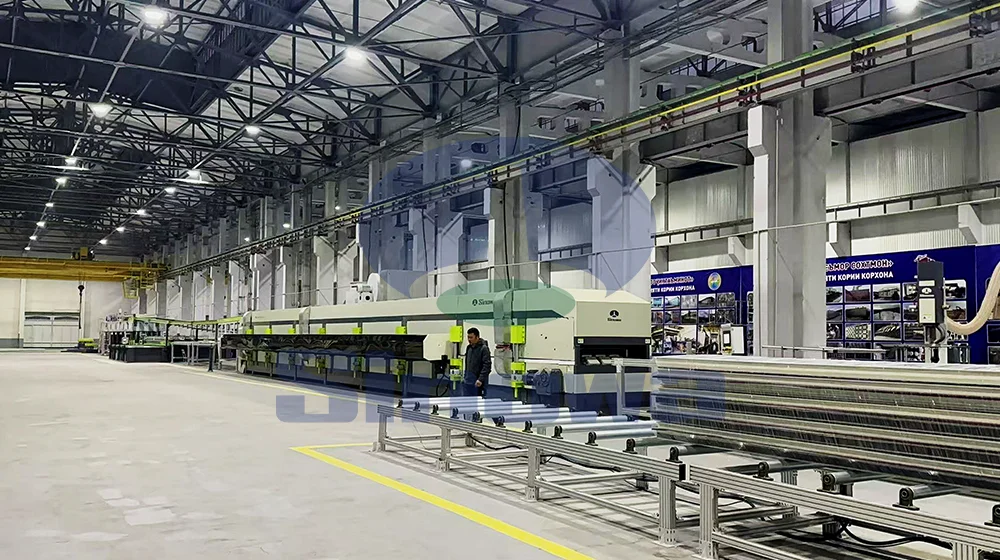
The overall automation level of a polyurethane sandwich panel manufacturing line stands as the most fundamental factor affecting its comprehensive equipment value. Modern production lines are divided into semi-automatic and fully automatic configurations with distinct structural designs and operational logic. Semi-automatic production lines retain partial manual assistance in material feeding, parameter adjustment, and finished product collection, featuring relatively simple module structures and lower operational threshold. They are suitable for small-scale production scenarios with flexible output demands and limited initial investment budgets, with compact overall equipment layout and basic functional configurations covering conventional panel production processes. In contrast, fully automatic production lines adopt a fully integrated modular design, realizing unmanned continuous operation from raw material feeding, foaming composite molding to finished product trimming and stacking. Equipped with intelligent control systems, these lines support real-time parameter monitoring, automatic error correction, and production data statistics, effectively reducing manual intervention errors and improving production stability. The difference in automation configuration directly determines equipment manufacturing complexity, component cost, and long-term operational efficiency, forming the primary gradient of production line value differentiation in the market.
Production capacity design and operational efficiency are crucial dimensions that determine the input-output value of polyurethane sandwich panel manufacturing lines. Different production line models are tailored to different daily and annual output requirements, with core operational indicators including continuous production speed, panel forming uniformity, and qualified product rate. Production lines configured for medium and low output adopt optimized conventional transmission and foaming structures, maintaining stable operation at moderate production speeds and meeting the market supply demands of small and medium-sized material processing enterprises. Their structural design focuses on practicality and cost performance, with standardized component matching to avoid redundant functional configurations. High-efficiency production lines customized for large-scale mass production adopt upgraded transmission systems and high-precision foaming metering units, supporting long-term high-speed continuous operation without quality fluctuations. These lines optimize the foaming reaction cycle and composite molding process, significantly improving the overall production yield while ensuring consistent panel density, bonding firmness, and dimensional accuracy. Higher production capacity and operational stability correspond to higher equipment manufacturing costs and longer service life, bringing more stable long-term economic benefits for large-scale production projects.
Functional module configuration and process expansion capability exert a profound influence on the comprehensive value of polyurethane sandwich panel manufacturing lines. A complete standard production line consists of multiple core functional subsystems, including surface material pretreatment unit, polyurethane raw material metering and mixing unit, continuous foaming composite unit, constant-temperature curing unit, precision trimming and sizing unit, and automatic finished product conveying unit. Basic configuration modules can only meet the production demands of conventional single-specification sandwich panels with ordinary surface materials and standard foam core structures. In contrast, upgraded production lines support diversified functional expansion, adapting to the production of multi-type surface materials such as color steel plates, aluminum plates, and composite color plates, and realizing adjustable foam core density and thickness. Some optimized modules also support flexible switching of panel specifications, meeting personalized production demands for special-sized building panels. The richness of functional modules and the flexibility of process expansion depend on the upgrading of mechanical structures and intelligent control programs, requiring higher precision manufacturing and system integration costs, thus directly affecting the overall equipment value and market application scope of the production line.
Core component quality and manufacturing craftsmanship are key internal factors that determine the service life and comprehensive cost of polyurethane sandwich panel manufacturing lines. The stable operation of the entire production line relies on high-precision core components such as metering pumps, mixing heads, transmission rollers, and constant-temperature control modules. High-quality core components adopt refined manufacturing processes, featuring precise operation, low wear, and strong corrosion resistance, which can maintain stable parameter output during long-term high-load operation and avoid production quality fluctuations caused by component aging or parameter deviation. Meanwhile, the overall welding process, assembly precision, and anti-rust and anti-corrosion treatment of the production line frame and transmission structure also affect equipment durability. Production lines with exquisite manufacturing craftsmanship have compact structural matching, stable operation noise, and low failure rate, effectively reducing later maintenance and replacement costs. Although production lines equipped with high-quality components and fine craftsmanship have higher initial input costs, their long-term operational stability and low maintenance consumption make them have higher comprehensive cost performance in long-term production and operation.
Intelligent control system configuration and technical iteration level further widen the value gap of different polyurethane sandwich panel manufacturing lines. Traditional production lines adopt simple manual control or semi-automatic electric control systems, requiring operators to manually adjust foaming temperature, material ratio, and production speed according to production experience, which has high operational dependence and low parameter control accuracy. Modern new-generation production lines are equipped with upgraded intelligent digital control systems, realizing one-click setting of production parameters, automatic matching of raw material ratios, and real-time monitoring of the entire production process. The system can automatically record production data, analyze operational status, and early warn of potential equipment faults, greatly improving production intelligence and safety. In addition, iterative upgraded production line technologies optimize the polyurethane foaming reaction efficiency, reduce raw material waste, and improve the environmental friendliness of the production process. The upgrading of intelligent systems and process technologies increases the research and development and manufacturing costs of production lines, but it also significantly improves production efficiency, product qualification rate, and enterprise intelligent production level, bringing long-term competitive advantages for production enterprises.
After-sales service system and equipment customization services are important invisible factors affecting the comprehensive input cost of polyurethane sandwich panel manufacturing lines. Complete after-sales service support includes on-site installation and commissioning, professional operator technical training, regular equipment maintenance guidance, and long-term spare parts supply guarantee. Production line suppliers with perfect service systems can provide targeted installation and debugging schemes according to customers' factory layout and production environment, ensuring that the equipment can quickly reach normal production standards. Professional technical training helps operators master standardized operation and daily maintenance skills, reducing equipment failure risks caused by irregular operation. At the same time, customized production line services for customers' special production demands, such as non-standard equipment size transformation, special process function customization, and production line layout optimization, can better adapt to differentiated production scenarios. The complete service system and flexible customization capabilities increase the additional value of production line equipment, making the overall investment more secure and adaptable compared with standardized ordinary equipment.
Market supply and demand relationship and industrial application trends continuously adjust the market value orientation of polyurethane sandwich panel manufacturing lines. With the continuous development of the energy-saving building material industry and the rapid expansion of cold chain logistics, industrial factory building, and clean room construction fields, the market demand for high-quality polyurethane sandwich panels keeps growing, which drives the steady market demand for matching production line equipment. Meanwhile, the continuous progress of industrial manufacturing technology promotes the iterative upgrading of production line structures and functions, eliminating backward low-efficiency and high-energy-consuming equipment, and driving the overall market to move towards high automation, high efficiency, and energy-saving environmental protection. The fluctuation of raw material prices for equipment manufacturing and the adjustment of market supply scale will also cause dynamic changes in the comprehensive input cost of production lines. In the long run, polyurethane sandwich panel manufacturing lines with high automation, strong stability, diversified functions, and perfect service will always maintain high market recognition and comprehensive cost performance, becoming the preferred equipment choice for medium and large-scale building material production enterprises, while economical and practical basic models still occupy an important market share in small-scale flexible production scenarios.
« Polyurethane Sandwich Panel Manufacturing Line Price » Update Date: 2026/9/1
- Continuous PU Sandwich Panel Production Line Supplier
- Customized Foam Sandwich Panel Machine
- High-end PIR Sandwich Panel Line
- PIR Sandwich Panel Production Line Factory
- Sandwich Panel Making Equipment Design
- Polyurethane Sandwich Panel Production Line For Roof
- High-quality PU Sandwich Panel Machine
- High-quality Polyurethane Sandwich Panel Machine
- Fully Automatic PU Sandwich Panel Production Line Manufacturer
- Polyurethane Insulation Panel Production Line Supplier
- Custom Sandwich Panel Integrated Production Line
- PU Board Production Line On Sales
- Polyurethane Sandwich Panel Manufacturing Line On Sales
- Fully Automatic Sandwich Panel Making Machine For Sale
- High-tech Sandwich Roof Wall Panel Making Machine
- PIR Sandwich Panel Production Line For Construction
- Continuous PUF Sandwich Panel Production Line
- Custom PU Insulation Panel Production Line
- Continuous Sandwich Panel Production Line Price
- High Efficiency Sandwich Panel Making Equipment
- Links:
- Sandwich Panel Continuous Production Line
- Automatic and Continuous Sandwich Panel Production Line
- Cheap and Low Price Sandwich Panel Production Line
- China Sandwich Panel Production Line Factory
- Color Steel Sandwich Panel Production Line For Cold Storage
- Continuous Composite Foam Sandwich Panel Production Line
- Continuous Production Line For Rockwool and Mineral Wool Sandwich Panels
- Continuous PU Phenolic Insulation Panel Production Line
- Continuous PU PIR Sandwich Panel Production Line
- Continuous PUF PUR Sandwich Panel Production Line
- Continuous Sandwich Panel Production Line For Roof and Wall
- Customized and Design Sandwich Panel Production Line
- Decorative Sandwich Panel Production Line For Glass Wool Boards
- High Quality Sandwich Panel Production Line For Sale
- Polyurethane(PU) Sandwich Panel Production Line
- Sandwich Panel Production Line Manufacturer and Supplier