
PU Sandwich Panel Production Line For Sale
Sinowa is a well-known manufacturer and technical service provider of high-end pu sandwich panel production line, learn more about pu sandwich panel production line for sale, please contact Sinowa's technical engineer, tell us what you need, we will contact you as soon as possible!
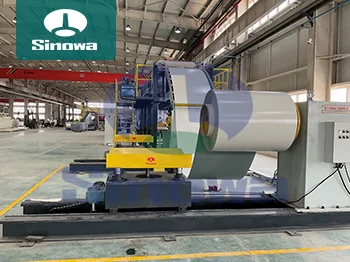
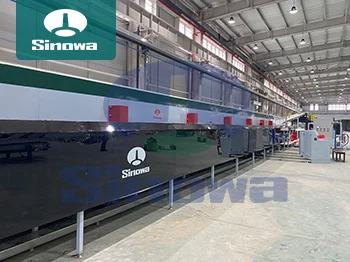
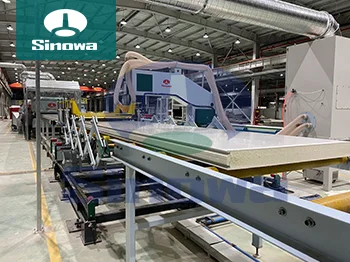
Sinowa is committed to the development and manufacturing of high-end and high-efficiency pu sandwich panel production line. Our pu sandwich panel production line are leading the way in efficiency, automatic control, human-computer interaction, environmental protection and energy consumption. Using system integration and bus control technology, it realizes the automatic integrated linkage control of the entire pu sandwich panel production line, and can achieve remote interactive communication, which has the world-class level and a comprehensive leading high-performance pu sandwich panel production line in the market.
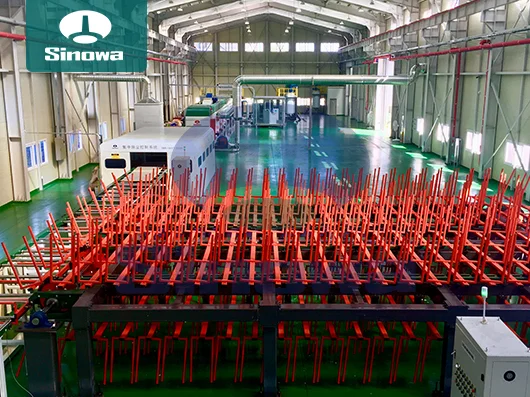
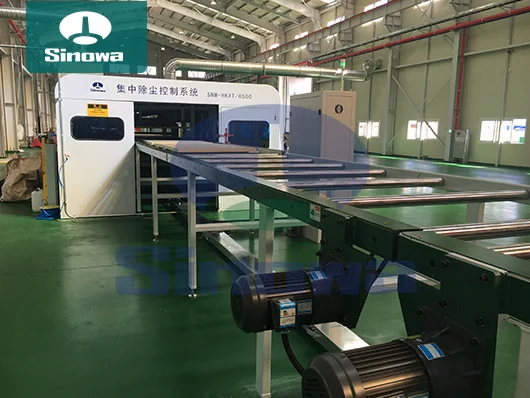
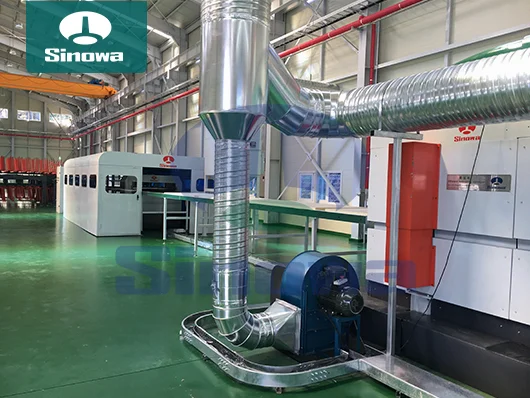
For more than ten years, relying on our innovative manufacturing concept and excellence in quality, reliable and trustworthy service to customers, we cooperate with customers all over the world, exported products to Canada, South Korea, Israel, Australia, the Middle East and other more than 20 countries and regions. contributed to building energy conservation and low-carbon production and have won widespread praise.
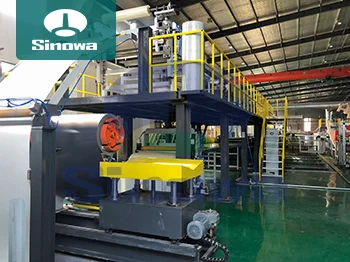
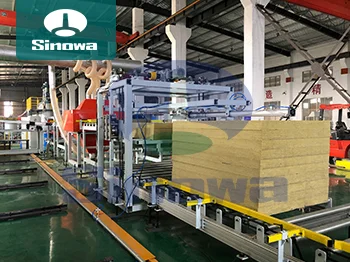
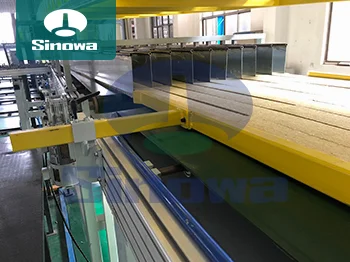
Sinowa has invested outstanding efforts in pu sandwich panel production line, this is why our products are more efficiency, quality, automatic control technology, environmental protection, energy consumption indicators and the appearance and safety protection are comprehensively leading, some subversive design changes in many major technical points, these major innovations make our products excellent in price/performance and user experience.
The demand for efficient, high-quality building and industrial materials has been on a steady rise in recent years, driven by rapid urbanization, the expansion of cold chain logistics, and the growing emphasis on energy conservation and environmental protection. Among these materials, PU sandwich panels have emerged as a preferred choice for a wide range of applications, thanks to their exceptional thermal insulation, soundproofing, fire resistance, and lightweight properties. To meet the escalating market demand for these versatile panels, a well-designed and fully functional PU sandwich panel production line becomes an indispensable investment for manufacturers looking to enhance productivity, ensure product consistency, and gain a competitive edge in the industry. A high-performance PU sandwich panel production line is a comprehensive, automated system that integrates multiple processes into a seamless operation, from raw material feeding and processing to the final cutting and stacking of finished panels, eliminating the inefficiencies and inconsistencies associated with manual or semi-automated production methods.
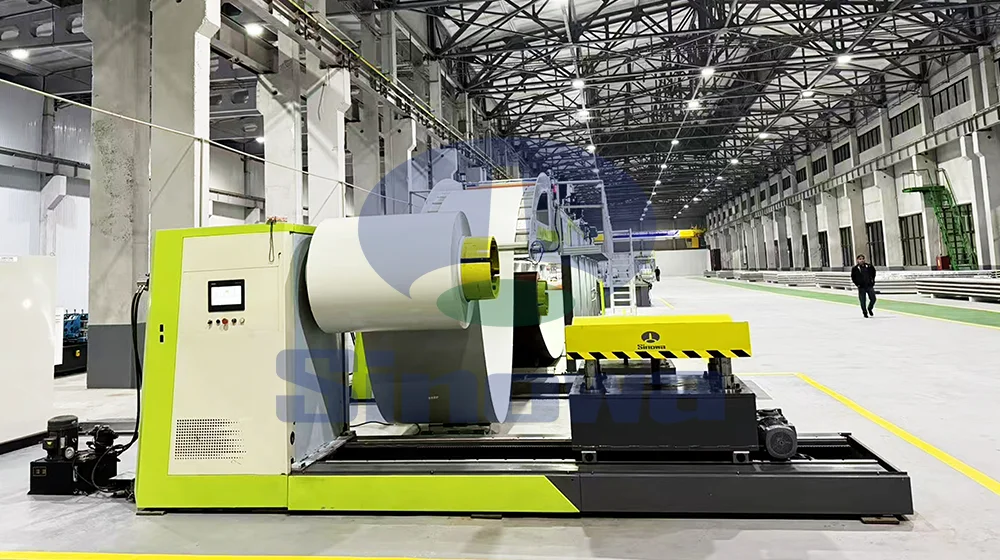
At the core of any PU sandwich panel production line is its ability to produce continuous, high-quality panels with consistent thickness, density, and structural integrity. These production lines are engineered to handle a variety of raw materials, including different types of surface materials such as color steel plates, aluminum plates, and stainless steel plates, as well as polyurethane foam core materials with adjustable density and performance characteristics. The flexibility of these lines allows manufacturers to produce panels of varying specifications, including different widths, thicknesses, and surface textures, to cater to the diverse needs of different industries and applications. Whether it is for wall panels, roof panels, cold storage panels, or special-purpose panels for purification workshops and industrial facilities, a well-equipped PU sandwich panel production line can adapt to different production requirements with minimal adjustments, making it a versatile asset for any manufacturing operation.
The working principle of a PU sandwich panel production line revolves around the precise coordination of several key processes, each designed to ensure the quality and efficiency of the final product. The production process typically begins with the unwinding and preprocessing of surface materials. The surface material coils, such as color steel coils or aluminum coils, are loaded onto the unwinding system, which features a dual-station design to enable non-stop roll changing, thereby maximizing production efficiency. The unwinding system is equipped with an automatic correction device that ensures the centering accuracy of the material within a narrow range, preventing deviations that could affect the final panel quality. After unwinding, the surface materials pass through a preprocessing unit, which includes cleaning and preheating components. The cleaning device removes oil stains, oxides, and other contaminants from the surface of the materials using high-pressure ion air or chemical cleaning methods, enhancing the bonding strength between the surface material and the polyurethane core. The preheating device, meanwhile, adjusts the temperature of the surface materials to the optimal level for bonding, ensuring that the polyurethane foam adheres firmly to the surface layers during the foaming and curing process.
Following preprocessing, the surface materials are fed into the forming system, which shapes the flat coils into the desired profile. The forming system typically consists of a multi-roll continuous forming machine, equipped with 16 to 24 composition roller wheels that progressively bend the surface materials into the required shape, such as corrugated, flat, or ribbed profiles. The forming process is controlled by a hydraulic servo system that precisely adjusts the forming pressure and speed, ensuring consistent profile dimensions and surface smoothness. Many production lines also feature a quick mold changing device, allowing manufacturers to switch between different panel profiles within a short period, further enhancing the flexibility of the production line. Once the surface materials are formed, they are fed into the composite zone, where the polyurethane foam core is injected and bonded between the upper and lower surface layers.
The foaming system is the heart of the PU sandwich panel production line, responsible for producing the high-quality polyurethane foam core that gives the panels their exceptional insulation and structural properties. The foaming system consists of a high-pressure foaming machine, which accurately meters and mixes the two-component raw materials of rigid foam polyurethane—typically isocyanates and polyols—in a precise ratio. The metering pump of the high-pressure foaming machine ensures a mixing accuracy of ±1.5%, while the mixing head, featuring a self-cleaning design, achieves a mixing efficiency of over 98%, ensuring that the raw materials are thoroughly mixed to produce a uniform foam. The temperature of the raw materials is carefully controlled by a temperature control unit, which maintains the temperature within a range of ±0.5℃, ensuring that the foaming reaction proceeds under optimal conditions. The foaming machine injects the mixed raw materials evenly onto the lower surface material, and as the upper and lower surface materials move through the double track laminating conveyor, the foam expands and cures between the two layers, forming a solid, bonded sandwich structure.
The double track laminating conveyor plays a crucial role in the curing and shaping of the PU sandwich panels. This conveyor features upper and lower heating pressure plates and circulating steel strips, forming an adjustable height forming channel that applies uniform pressure to the sandwich structure as the foam cures. The temperature of the conveyor is precisely regulated by a heating system, which ensures that the polyurethane foam cures completely and evenly, resulting in a core with consistent density and structural strength. The length of the curing zone typically ranges from 30 to 50 meters, providing sufficient time for the foam to cure fully before the panels move to the cutting system. The double track laminating conveyor also features an online thickness gauge that monitors the thickness of the panels in real time, with an accuracy of ±0.2mm, allowing for immediate adjustments to ensure that the panels meet the required thickness specifications.
After the foam has fully cured, the continuous sandwich panel is fed into the cutting system, which cuts the panel into finished products of the desired length. The cutting system is typically equipped with a flying saw cutting machine, controlled by a servo system that ensures a cutting accuracy of ±1mm, even at high production speeds. The flying saw can cut panels to lengths ranging from 2 to 15 meters, depending on the customer’s requirements, and operates continuously without interrupting the production process. Some production lines also feature a transverse cutting device for cutting panels into specific widths, further enhancing the versatility of the line. Once the panels are cut, they are fed into the cooling and stacking system, where they are cooled to room temperature to ensure dimensional stability. The stacking system, which may be equipped with a robotic arm or vacuum suction cup, automatically stacks the finished panels to the desired height, reducing labor intensity and minimizing the risk of damage to the panels during handling.
In addition to the core components mentioned above, a complete PU sandwich panel production line may also include a range of auxiliary equipment to enhance production efficiency and product quality. These auxiliary components may include a laminating machine, which applies a polymer film to the surface of the panels to enhance their weather resistance and durability; a cooling system, which accelerates the cooling process of the finished panels; an automatic packaging system, which wraps the panels in protective film or packaging materials for storage and transportation; and environmental protection equipment, which treats waste gas and waste materials generated during the production process, ensuring compliance with environmental regulations. Some production lines may also be equipped with a reinforcement unit, which adds steel bars or other reinforcement materials to the panels to enhance their structural strength, making them suitable for use in high-load applications.
One of the key advantages of investing in a PU sandwich panel production line is its high level of automation, which significantly reduces labor intensity and improves production efficiency. Unlike manual production methods, which are labor-intensive, time-consuming, and prone to human error, an automated production line can operate continuously for long periods, with minimal human intervention. A standard automated PU sandwich panel production line can produce 150 to 300 square meters of panels per hour, which is 10 to 15 times higher than manual production. This high production efficiency allows manufacturers to meet large orders in a timely manner, reduce production lead times, and increase their market competitiveness. Additionally, the automation of the production process ensures consistent product quality, as the precise control of parameters such as temperature, pressure, and mixing ratio eliminates the inconsistencies associated with manual operation. This consistency is crucial for meeting the strict quality requirements of modern construction and industrial applications, where even small deviations in panel thickness or density can affect performance.
Another significant advantage of a PU sandwich panel production line is its product diversification capability. By adjusting the configuration of the line and the process parameters, manufacturers can produce panels with different core materials, including pure polyurethane, rock wool, or glass wool, to meet the specific performance requirements of different applications. For example, panels with a rock wool core offer enhanced fire resistance, making them suitable for use in high-temperature environments or buildings with strict fire safety requirements, while panels with a pure polyurethane core provide superior thermal insulation, making them ideal for cold storage andcold chain logistics applications. The production line can also be adjusted to produce panels of different thicknesses, widths, and surface profiles, allowing manufacturers to cater to the diverse needs of customers in different industries, such as construction, cold chain, industrial manufacturing, and special environments like purification workshops.
Energy efficiency and environmental protection are also key features of modern PU sandwich panel production lines. These lines are designed with energy-saving technologies, such as efficient heating systems, energy-saving foaming equipment, and waste heat recovery systems, which reduce energy consumption and lower production costs. Additionally, many production lines adopt environmentally friendly foaming processes, such as using non-ozone-depleting foaming agents like pentane instead of traditional HCFCs, which reduces the environmental impact of the production process. The environmental protection equipment integrated into the line treats waste gas and waste materials, ensuring that the production process complies with global environmental standards and regulations. This focus on energy efficiency and environmental protection not only helps manufacturers reduce their carbon footprint but also aligns with the growing global demand for sustainable and green manufacturing practices.
The versatility of PU sandwich panels produced by these lines makes them suitable for a wide range of applications across various industries. In the construction industry, PU sandwich panels are widely used for walls, roofs, and partitions in both residential and commercial buildings. Their lightweight nature reduces the overall weight of the building, reducing construction costs and improving construction efficiency, while their excellent thermal insulation and soundproofing properties enhance the comfort and energy efficiency of the building. In the cold chain logistics industry, PU sandwich panels are used as insulation materials for cold storage facilities, refrigerated trucks, and containers, as they can maintain a constant temperature in environments ranging from -40℃ to 120℃, ensuring the quality and safety of perishable goods. In industrial manufacturing, these panels are used as enclosure materials for industrial plants, warehouses, garages, and mobile homes, as well as insulation panels for refrigeration and freezing equipment. They are also used in special environments such as purification workshops, chemical and energy facilities, and soundproof spaces, thanks to their excellent insulation, fire resistance, and moisture resistance properties.
When considering a PU sandwich panel production line for sale, it is important to evaluate the line’s performance, flexibility, and reliability to ensure that it meets the specific needs of your manufacturing operation. The production line should be designed to handle the types of surface materials and core materials you plan to use, and should have the flexibility to adjust to different panel specifications. It should also be equipped with advanced control systems, such as a PLC control system, which allows for easy operation and monitoring of the production process, as well as quick adjustments to process parameters. Additionally, the line should be built with high-quality components that are durable and easy to maintain, reducing downtime and ensuring long-term reliable operation.
Maintenance and after-sales support are also important considerations when investing in a PU sandwich panel production line. A well-maintained production line will have a longer service life and higher operational efficiency, reducing the need for costly repairs and replacements. The production line should be designed with easy access to key components for maintenance, and the manufacturer should provide clear maintenance guidelines and technical support. Regular maintenance, such as cleaning the mixing head, checking the accuracy of the metering pump, and inspecting the conveyor system, can help prevent breakdowns and ensure consistent production. Additionally, the availability of spare parts is crucial, as any delay in obtaining spare parts can result in significant downtime and lost production.
The global market for PU sandwich panels is expected to continue growing in the coming years, driven by the increasing demand for energy-efficient building materials, the expansion of the cold chain logistics industry, and the growing adoption of prefabricated construction methods. This growth presents significant opportunities for manufacturers who invest in high-quality PU sandwich panel production lines, as they can capitalize on the rising demand and expand their market share. A well-designed and efficiently operated PU sandwich panel production line not only enhances productivity and product quality but also provides a solid foundation for long-term business growth and success.
In conclusion, a PU sandwich panel production line is a valuable investment for manufacturers looking to produce high-quality, versatile PU sandwich panels efficiently and consistently. With their advanced automation, product diversification capability, energy efficiency, and environmental friendliness, these production lines are well-suited to meet the evolving needs of the construction, cold chain, and industrial manufacturing industries. By choosing a production line that is tailored to their specific requirements, manufacturers can enhance their competitiveness, reduce production costs, and meet the growing market demand for PU sandwich panels. Whether you are a small-scale manufacturer looking to expand your production capacity or a large enterprise seeking to upgrade your existing equipment, a PU sandwich panel production line offers a reliable and efficient solution for your manufacturing needs.
« PU Sandwich Panel Production Line For Sale » Update Date: 2026/4/16
Tags: Fully Automatic PU Sandwich Panel Production Line , Decorative PU Sandwich Panel Production Line , Continuous PU Sandwich Panel Production Line , PU Sandwich Panel Production Line ,
- PU Sandwich Panel Production Line On Sales
- PIR Sandwich Panel Production Line Price
- Sandwich Panel Making Equipment Factory
- PIR Sandwich Panel Production Line
- Highly Intelligent Continuous PU Sandwich Panel Production Line
- PIR Insulated Panel Production Line From China
- Sandwich Panel Integrated Production Line Price
- PIR Sandwich Panel Machine
- High-quality Roof Sandwich Panel Production Line
- Cheap PU Sandwich Panel Production Line
- High-tech PU Sandwich Panel Machine
- High Efficiency Sandwich Roof Wall Panel Making Machine
- PIR Sandwich Panel Line
- Continuous PU Sandwich Panel Production Line For Roof
- PU Sandwich Panel Line Price
- High-quality PU Board Production Line
- High Quality Sandwich Panel Production Line
- PU Sandwich Panel Making Machine Factory
- Polyurethane Sandwich Panel Machine Factory
- Continuous Sandwich Panel Production Line Design
- Links:
- Sandwich Panel Continuous Production Line
- Automatic and Continuous Sandwich Panel Production Line
- Cheap and Low Price Sandwich Panel Production Line
- China Sandwich Panel Production Line Factory
- Color Steel Sandwich Panel Production Line For Cold Storage
- Continuous Composite Foam Sandwich Panel Production Line
- Continuous Production Line For Rockwool and Mineral Wool Sandwich Panels
- Continuous PU Phenolic Insulation Panel Production Line
- Continuous PU PIR Sandwich Panel Production Line
- Continuous PUF PUR Sandwich Panel Production Line
- Continuous Sandwich Panel Production Line For Roof and Wall
- Customized and Design Sandwich Panel Production Line
- Decorative Sandwich Panel Production Line For Glass Wool Boards
- High Quality Sandwich Panel Production Line For Sale
- Polyurethane(PU) Sandwich Panel Production Line
- Sandwich Panel Production Line Manufacturer and Supplier