
PUR Sandwich Panel Production Line
Sinowa is a pur sandwich panel production line supplier from china, customized high-quality & high efficiency pur sandwich panel production line at low price, the adoption of system integration technology and bus control technology accomplishes the full automatization of integrated and coordinated control of the pur sandwich panel production line with accessible remote interactive communication. Ranking the first-class level in the world, it is currently the pur sandwich panel production line in the market taking a comprehensive lead in high performance.
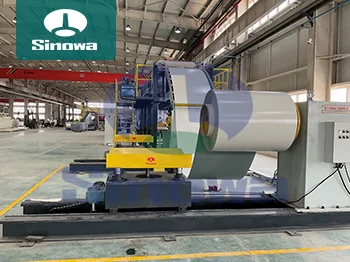
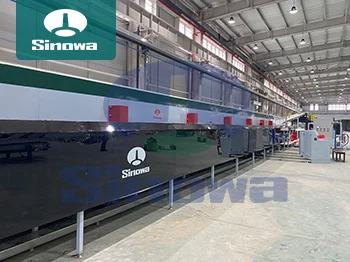
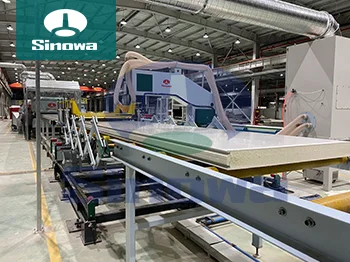
The high-tech pur sandwich panel production line can meet a variety of production needs of customers, the whole pur sandwich panel production line design concept of modularization enables all our components to be integrated and combined at will. Our high efficiency pur sandwich panel production line can easily automate the production of roof sandwich panel, wall sandwich panel, cold storage sandwich panel and other products by different combination and configuration selection and siple switching. The inner core layer can be polyrethane or rock wool, glass wool, an so on.


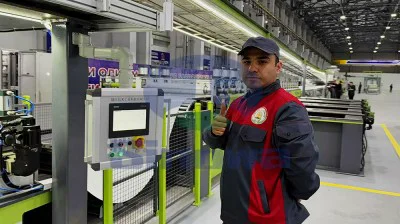
The high precision pur sandwich panel production line has high adaptability, which may produce various sandwich panel of the PU, PIR and rock wool systems. We may design various products according to the customer’s requirements, including various configurations, so as to meet their demands with flexible price system. Highly integrated and linked control system centralizes all control points at the main central center, achieving parameter linkage, fault self-diagnosis controlled by the whole line and shipping distance control. High-level automatic control system also saves the manpower and reduces the manpower loss for customers.


The precision servo hoisting mechanism employed by the main engine without hydraulic system makes the board thickness control flexible and the customer may conveniently change or adjust the board thickness. There will be not such troubles as hydraulic system adjustment, leakage, maintenance, etc.


High-level energy saving and protection design makes the whole pur sandwich panel production line possible to produce around the clock throughout the year and the customer will save huge budget. In addition, the isolated heat preservation room is constructed for warming the environment. The energy saving and protection design of our manufacturing line may guarantee that the customer’s production line may be freely heated and produce in the main time to save more costs for customers.


The high-power low-consumption design quickens the reaction of the cheap pur sandwich panel production line while energy consumption is kept low. With the brand-new, fully sealed inner insulation design, the energy consumption is controlled at the minimum level to achieve the design objective of less than an hour for the insulation system to be activated from the room temperature above 5℃ to the production process temperature. The energy consumption is only 40% that of those similar products.
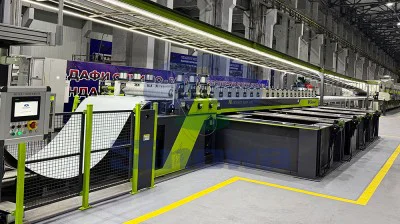
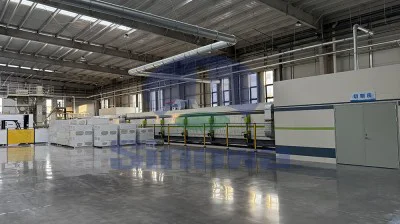
A PUR sandwich panel production line is an advanced automated industrial system designed for the continuous manufacturing of composite insulation panels, integrating mechanical, electronic, and chemical technologies to ensure efficiency and consistency. The production process starts with the pretreatment of surface materials, which are usually metal sheets or non-metallic fabrics, unwound and formed into the desired shape by automatic unwinding and forming units. These materials then undergo surface treatment to enhance adhesion, ensuring a firm bond with the core layer. Next, the high-pressure mixing system precisely injects the two-component raw materials of PUR foam into the gap between the upper and lower surface materials, which are then sent to a double-track laminating machine for foaming and curing under controlled temperature and pressure. After the foam is fully cured, the continuous panel is cut into the required length by a high-precision servo-driven cutting system, and the finished products are automatically stacked for subsequent processing. This production line boasts high flexibility, supporting quick switching of core material types and compatible with various surface layers, while achieving full automation from raw material feeding to finished product stacking. The panels produced have excellent performance such as thermal insulation, sound insulation, and light weight, widely used in industrial plants, cold chain logistics, integrated housing, and other fields. Compared with traditional manual production, it greatly improves production efficiency, reduces labor intensity, and ensures stable product quality with minimal material waste.
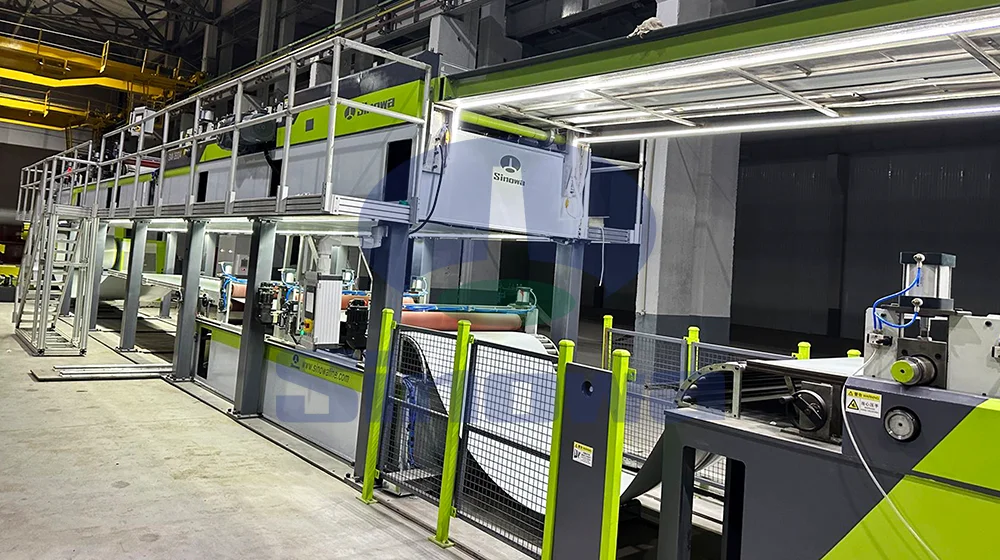
In the modern construction and manufacturing industries, the demand for efficient, high-performance building materials has driven continuous innovation in production technology. Among these advancements, the PUR sandwich panel production line stands out as a key infrastructure that enables the mass production of composite panels with exceptional thermal insulation, structural strength, and durability. PUR, or polyurethane, sandwich panels consist of two outer facing layers—typically galvanized steel, galvalume, or aluminum—bonded to a rigid polyurethane foam core, forming a three-layer composite structure that balances functionality and versatility. The production line designed for manufacturing these panels integrates a series of automated processes, from raw material handling to finished product stacking, ensuring consistent quality and high production efficiency while adapting to diverse application requirements across industries.
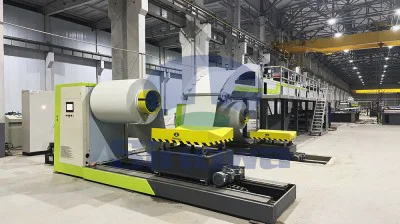
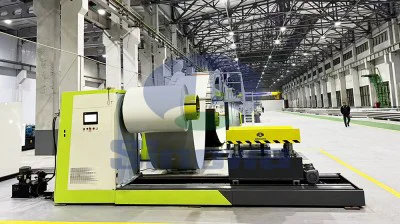
The foundation of a reliable PUR sandwich panel production line lies in its well-integrated core components, each playing a crucial role in the seamless transformation of raw materials into finished panels. At the starting point of the production process is the unwinding system, which is responsible for feeding the continuous metal coils that serve as the outer facings. This system typically employs a core rod-type hydraulic design, allowing for stable and precise uncoiling of the metal strips. Advanced configurations often adopt a 2+2 system, which enables the loading of new coil groups without stopping the production line, a feature that is essential for maintaining continuous high-capacity output. The unwinding process must ensure that the metal strips are fed into the subsequent stages with minimal tension variation, as any inconsistency at this stage can affect the flatness and structural integrity of the final panels.
Following the unwinding stage, the metal strips enter the roll forming unit, where they are shaped into the desired profiles. This unit consists of a series of tandem rolling stands, each equipped with precision rollers that gradually bend and press the metal sheets into specific configurations—such as corrugated, trapezoidal, or flat profiles—depending on the intended application of the panels. The roll forming process is highly customizable, thanks to card-type and rail-wheel designs that allow for easy adjustment of roller configurations, enabling the production of various wall and roof panel types on a single line. The precision of the roll forming unit is critical, as it determines the dimensional accuracy and aesthetic appearance of the panel facings, ensuring that they can effectively bond with the foam core and provide the required structural support.
Before the metal facings proceed to the foaming stage, they undergo a preheating process in a dedicated preheating unit. The preheating temperature is typically controlled between 40°C and 60°C, a range that optimizes the polymerization reaction of the polyurethane foam and enhances the adhesion between the metal facings and the foam core. This step is particularly important because proper preheating ensures that the foam forms a strong, uniform bond with the metal surfaces, preventing delamination and improving the overall durability of the panels. The preheating unit is equipped with temperature control systems that maintain consistent heat distribution across the width of the metal strips, ensuring that every section of the panel receives the same bonding conditions.
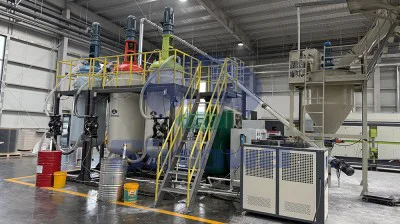
The foaming system is the heart of the PUR sandwich panel production line, where the polyurethane core is formed and bonded to the metal facings. This system primarily uses high-pressure foaming technology, which has replaced low-pressure foaming in most modern production lines due to its superior performance. High-pressure foaming equipment operates with a mixing chamber pressure ranging from 120 to 200 bar, ensuring thorough mixing of the polyurethane raw materials—including isocyanate, polyol, foaming agents, catalysts, flame retardants, and stabilizers. This intense mixing results in a stable and uniform foam cell structure, which directly contributes to the excellent thermal insulation properties of the final panels. In contrast, low-pressure foaming equipment suffers from poor mixing efficiency, leading to uneven foam density and compromised insulation performance, as well as higher raw material waste due to residual material left in the mixing head.
Environmental considerations have also driven improvements in the foaming system, with the adoption of eco-friendly foaming agents replacing ozone-depleting substances such as Freon F11. Pentane-based foaming technology has become a common choice, offering a more environmentally sustainable alternative, though it requires strict safety measures due to its flammable nature. To address this, modern foaming systems are equipped with advanced safety features, including gas detection sensors and explosion-proof designs, to ensure safe operation. Additionally, high-pressure foaming units are fitted with automatic circulation cleaning devices that activate when the production line stops, using high-pressure airflow to clean the mixing head without leaving residual material, eliminating the need for harmful chloromethane solvents and further enhancing environmental friendliness.
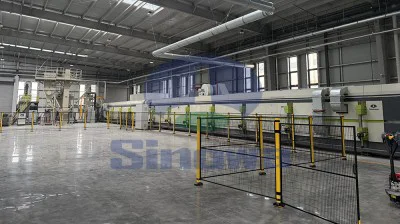
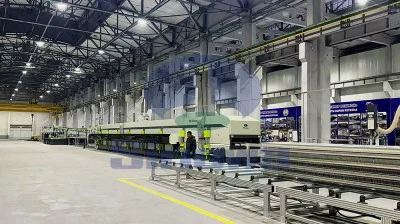
Once the polyurethane foam is mixed, it is continuously injected between the two preformed and preheated metal facings through a precision nozzle system mounted on a movable crossbeam. The crossbeam ensures that the foam is evenly distributed across the entire width of the metal strips, preventing gaps or uneven thickness in the core. As the foam is injected, it begins to expand and undergo polymerization, bonding tightly to the inner surfaces of the metal facings. The combined structure then enters the laminating and conveying unit, which consists of a double-belt conveyor system that applies constant pressure and controlled heat to the panel. This unit ensures that the foam core cures uniformly while maintaining the flatness and dimensional stability of the panel. The conveyor belts are typically made of heat-resistant materials and are driven by precision motors to maintain a consistent speed, which is synchronized with the other stages of the production line to avoid misalignment or uneven curing.
After the foam core has fully cured, the continuous panel sheet moves to the cutting unit, where it is precisely cut into the required lengths. The cutting unit is equipped with high-speed circular saws or blade cutters, controlled by a computerized system that uses input parameters such as desired length and cutting speed. The computerized control ensures high cutting precision, minimizing material waste and ensuring that the finished panels meet the exact dimensional requirements of the application. Some advanced cutting units also feature automatic edge trimming functions, which remove any irregular edges and further improve the aesthetic quality of the panels.
The final stages of the production line include cooling, stacking, and packaging. The cooling unit uses forced air or water cooling systems to lower the temperature of the cut panels, ensuring that the foam core is fully stabilized and the bond between the core and facings is maximized. Once cooled, the panels are transferred to the automatic stacking unit, which arranges the panels in neat piles according to preset quantities. This unit uses robotic arms or conveyor systems to handle the panels gently, preventing damage to the surfaces or edges. Finally, the stacked panels are wrapped in plastic film by the packaging unit, which protects them from dust, moisture, and scratches during transportation and storage.
The automation of the PUR sandwich panel production line not only improves production efficiency but also enhances the consistency and quality of the finished products. Computerized control systems monitor and adjust every stage of the production process, from the tension of the metal strips during unwinding to the temperature of the preheating unit, the pressure of the foaming system, and the precision of the cutting unit. This real-time monitoring allows for immediate adjustments to any deviations, ensuring that each panel meets the same high standards. Additionally, the automated nature of the line reduces the need for manual intervention, minimizing the risk of human error and improving workplace safety.
One of the key advantages of the PUR sandwich panel production line is its versatility, which enables the production of panels with varying specifications to suit different application needs. The thickness of the foam core can be adjusted by modifying the parameters of the foaming system, allowing for panels with different thermal insulation capabilities—from thin panels for general commercial buildings to thick panels for cold storage facilities. The metal facings can also be customized in terms of material, thickness, color, and profile, enabling the production of panels that meet specific aesthetic, structural, and environmental requirements. This versatility makes the production line suitable for manufacturing panels for a wide range of applications, including industrial buildings, commercial complexes, cold storage and refrigeration units, agricultural facilities, logistics and distribution centers, prefabricated modular structures, and clean rooms in the pharmaceutical and electronics industries.
The PUR sandwich panels produced by these lines offer a range of performance benefits that make them highly sought after in the construction industry. Their rigid polyurethane foam core provides superior thermal insulation properties, significantly reducing heat transfer and improving energy efficiency in buildings. This thermal efficiency translates to lower heating and cooling costs for building owners, making PUR sandwich panels a cost-effective long-term investment. Additionally, the foam core offers excellent sound insulation, reducing noise transmission in industrial and commercial environments, which is particularly beneficial for facilities located in busy areas or those requiring quiet operation, such as hospitals and schools.
Structurally, PUR sandwich panels are lightweight yet robust, offering high load-bearing capacity while reducing the overall weight of the building structure. This lightweight nature simplifies transportation and installation, reducing labor costs and construction time compared to traditional building materials such as bricks and concrete. The metal facings provide excellent weather resistance, with protective coatings that resist corrosion, UV radiation, rain, snow, and hail, ensuring the panels maintain their performance and appearance over long periods. The panels are also resistant to fungi, bacteria, and pests, making them suitable for use in humid or agricultural environments where biological growth is a concern.
In terms of environmental sustainability, modern PUR sandwich panel production lines have made significant strides in reducing their ecological footprint. The adoption of eco-friendly foaming agents, the elimination of harmful cleaning solvents, and the optimization of raw material usage have all contributed to more sustainable production processes. Additionally, the energy efficiency of the finished panels helps to reduce the carbon emissions of the buildings in which they are used, aligning with global efforts to promote green construction and reduce energy consumption.
The operation and maintenance of a PUR sandwich panel production line require specialized knowledge and regular upkeep to ensure optimal performance and longevity. Routine maintenance tasks include inspecting and lubricating the moving parts of the unwinding and roll forming units, cleaning the foaming nozzles and mixing head to prevent clogging, calibrating the temperature and pressure sensors in the preheating and foaming systems, and checking the sharpness of the cutting blades. Regular maintenance not only extends the lifespan of the equipment but also ensures that the production line continues to produce high-quality panels consistently. Operators of the production line must undergo comprehensive training to understand the principles of each unit, the parameters that affect product quality, and the safety protocols required for handling raw materials such as polyurethane chemicals and flammable foaming agents.
As the demand for energy-efficient and sustainable building materials continues to grow, the PUR sandwich panel production line is poised to play an increasingly important role in the construction industry. Technological advancements in automation, material science, and environmental protection will further enhance the efficiency and performance of these production lines, enabling the manufacturing of even more advanced PUR sandwich panels. Future innovations may include the integration of artificial intelligence for predictive maintenance and real-time quality control, the development of more eco-friendly raw materials, and the expansion of production capabilities to handle new panel designs and applications.
In conclusion, the PUR sandwich panel production line represents a sophisticated integration of automation, precision engineering, and material science, enabling the mass production of composite panels that meet the diverse needs of modern construction and manufacturing. From the unwinding of metal coils to the stacking of finished products, each component and process in the line is designed to ensure consistency, efficiency, and quality. The resulting PUR sandwich panels offer a unique combination of thermal insulation, structural strength, durability, and versatility, making them an indispensable material in a wide range of applications. As the industry continues to evolve, the production line will remain a key driver of innovation, supporting the development of more sustainable and efficient building solutions for the future.
« PUR Sandwich Panel Production Line » Update Date: 2026/4/16
URL: https://www.sinowamachine.com/tags/pur-sandwich-panel-production-line.html
![Cheap PUR Sandwich Panel Production Line]()
Cheap PUR Sandwich Panel Production Line
2026-09-03The affordable PUR sandwich panel production line has emerged as a practical and cost-effective manufacturing solution for modern composite panel production, catering to the growing market demand for economical, high-performance building and industrial insulation materials. This streamlined productio…![PUR Sandwich Panel Production Line For Sale]()
PUR Sandwich Panel Production Line For Sale
2026-09-01The PUR sandwich panel production line stands as a fully automated, integrated manufacturing solution tailored for mass production of high-performance polyurethane sandwich panels, widely favored in the modern construction and industrial insulation sectors. This streamlined production system integrat…![Continuous PUF PUR Sandwich Panel Production Line]()
Continuous PUF PUR Sandwich Panel Production Line
2026-08-29The continuous PUF PUR sandwich panel production line is a highly integrated automated manufacturing system designed for the streamlined fabrication of high-performance composite insulation panels. It unifies multiple independent processing procedures into a seamless cyclic production workflow, cover…![Continuous PUR Sandwich Panel Production Line]()
Continuous PUR Sandwich Panel Production Line
2026-08-28The continuous PUR sandwich panel production line represents an advanced integrated manufacturing system tailored for the automated and uninterrupted production of polyurethane rigid foam sandwich panels. It integrates multiple core processing modules into a streamlined linear production workflow, re…![PUR Sandwich Panel Production Line Manufacturer]()
PUR Sandwich Panel Production Line Manufacturer
2026-08-24PUR sandwich panel production lines represent advanced integrated manufacturing systems dedicated to the continuous and automated production of high-performance polyurethane composite panels. These professional production systems integrate multiple core functional modules to complete the whole proces…![Low Price PUR Sandwich Panel Production Line]()
Low Price PUR Sandwich Panel Production Line
2026-08-18The low price PUR sandwich panel production line has emerged as a cost-effective and practical manufacturing solution for the modern building material industry, catering to the growing market demand for affordable, high-performance thermal insulation and composite panels. This optimized production sy…![PUR Sandwich Panel Production Line Design]()
PUR Sandwich Panel Production Line Design
2026-08-13PUR sandwich panel production line design focuses on integrating mechanical transmission, chemical foaming, automatic molding and intelligent control technologies to achieve continuous, stable and high-efficiency manufacturing of composite insulation panels. The core design concept balances productio…![PUR Sandwich Panel Production Line Factory]()
PUR Sandwich Panel Production Line Factory
2026-08-12PUR sandwich panel production lines represent advanced integrated manufacturing systems dedicated to the continuous and automated production of high-performance composite insulation panels. These streamlined production setups integrate mechanical transmission, intelligent control, material compoundin…![High-tech PUR Sandwich Panel Production Line]()
High-tech PUR Sandwich Panel Production Line
2026-07-10The modern manufacturing industry of building and industrial composite materials is undergoing profound technological transformation, with high-performance thermal insulation and structural panels gradually becoming core materials for green construction, cold chain logistics, and industrial enclosure…![High Efficiency PUR Sandwich Panel Production Line]()
High Efficiency PUR Sandwich Panel Production Line
2026-05-08The continuous advancement of modern construction and industrial manufacturing sectors has generated surging market demand for lightweight, heat-insulating, and structurally stable building materials. Among various composite building materials, polyurethane rigid foam sandwich panels have gradually b…![PUR Sandwich Panel Production Line Supplier]()
PUR Sandwich Panel Production Line Supplier
2026-04-13In the modern construction and industrial sectors, the demand for efficient, high-performance insulation materials has been steadily rising, driven by the global focus on energy conservation, environmental protection, and sustainable development. Among these materials, PUR sandwich panels have emerge…
- Links:
- Sandwich Panel Continuous Production Line
- Automatic and Continuous Sandwich Panel Production Line
- Cheap and Low Price Sandwich Panel Production Line
- China Sandwich Panel Production Line Factory
- Color Steel Sandwich Panel Production Line For Cold Storage
- Continuous Composite Foam Sandwich Panel Production Line
- Continuous Production Line For Rockwool and Mineral Wool Sandwich Panels
- Continuous PU Phenolic Insulation Panel Production Line
- Continuous PU PIR Sandwich Panel Production Line
- Continuous PUF PUR Sandwich Panel Production Line
- Continuous Sandwich Panel Production Line For Roof and Wall
- Customized and Design Sandwich Panel Production Line
- Decorative Sandwich Panel Production Line For Glass Wool Boards
- High Quality Sandwich Panel Production Line For Sale
- Polyurethane(PU) Sandwich Panel Production Line
- Sandwich Panel Production Line Manufacturer and Supplier
- Sandwich Panel Production Machinery and Equipment