
Sandwich Panel Making Equipment From China
Sinowa is a well-known manufacturer and technical service provider of high-end sandwich panel making equipment, learn more about sandwich panel making equipment from china, please contact Sinowa's technical engineer, tell us what you need, we will contact you as soon as possible!
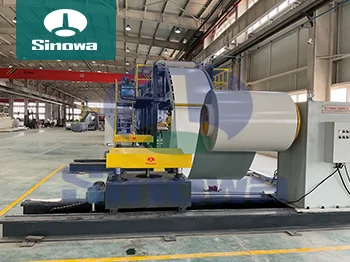
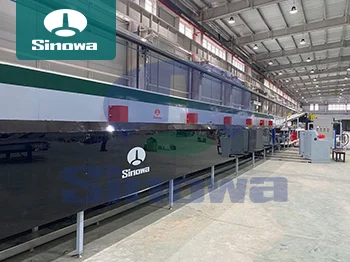
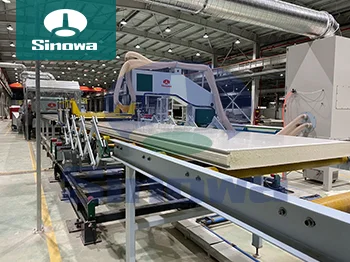
Sinowa is committed to the development and manufacturing of high-end and high-efficiency sandwich panel making equipment. Our sandwich panel making equipment are leading the way in efficiency, automatic control, human-computer interaction, environmental protection and energy consumption. Using system integration and bus control technology, it realizes the automatic integrated linkage control of the entire sandwich panel making equipment, and can achieve remote interactive communication, which has the world-class level and a comprehensive leading high-performance sandwich panel making equipment in the market.
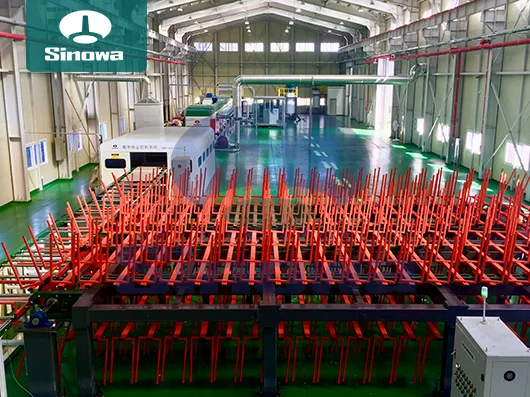
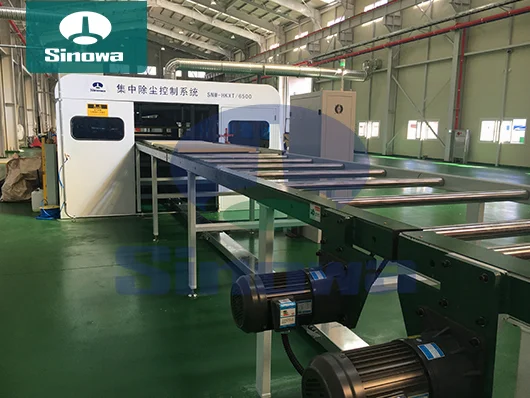
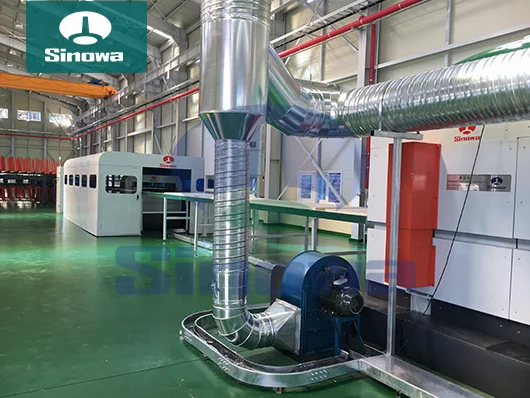
For more than ten years, relying on our innovative manufacturing concept and excellence in quality, reliable and trustworthy service to customers, we cooperate with customers all over the world, exported products to Canada, South Korea, Israel, Australia, the Middle East and other more than 20 countries and regions. contributed to building energy conservation and low-carbon production and have won widespread praise.
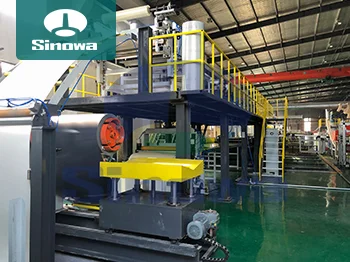
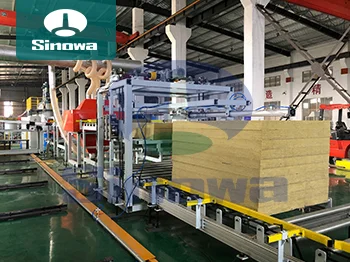
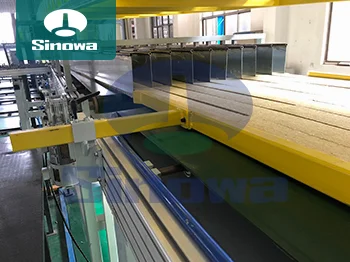
Sinowa has invested outstanding efforts in sandwich panel making equipment, this is why our products are more efficiency, quality, automatic control technology, environmental protection, energy consumption indicators and the appearance and safety protection are comprehensively leading, some subversive design changes in many major technical points, these major innovations make our products excellent in price/performance and user experience.
The global demand for efficient building envelope solutions continues to expand as construction projects seek materials that balance performance, speed of installation and long-term operational savings. Sandwich panels have emerged as one of the most widely adopted options for warehouses, cold storage facilities, workshop buildings and modular living units, and the supporting production machinery that shapes these panels has grown into a mature industrial sector. Equipment manufactured in China has attracted attention from buyers across many regions, largely because the production ecosystem here integrates component supply, assembly, technical adjustment and after-sales support within a concentrated industrial cluster. Many of these production lines are designed to handle multiple core materials, allowing operators to switch between different core fillers and surface sheets without extensive reworking of the whole setup. The basic workflow starts with unwinding the metal sheets, followed by continuous forming, coating application, core material feeding, pressing, curing and final cutting to fixed lengths. Each stage is coordinated through a central control system that reduces manual intervention and keeps output consistency stable over long production runs. Buyers often prioritise flexibility when evaluating such machinery, as their own order lists frequently change according to client requirements for panel thickness, surface texture and overall dimensions. Well-engineered units can maintain steady running for extended shifts, which directly helps factories meet tight delivery schedules for construction contractors and material distributors. Operators who take time to learn the control logic and carry out routine maintenance find that these machines can sustain reliable performance across years of heavy use, making them a practical investment for businesses scaling up their panel manufacturing capacity.
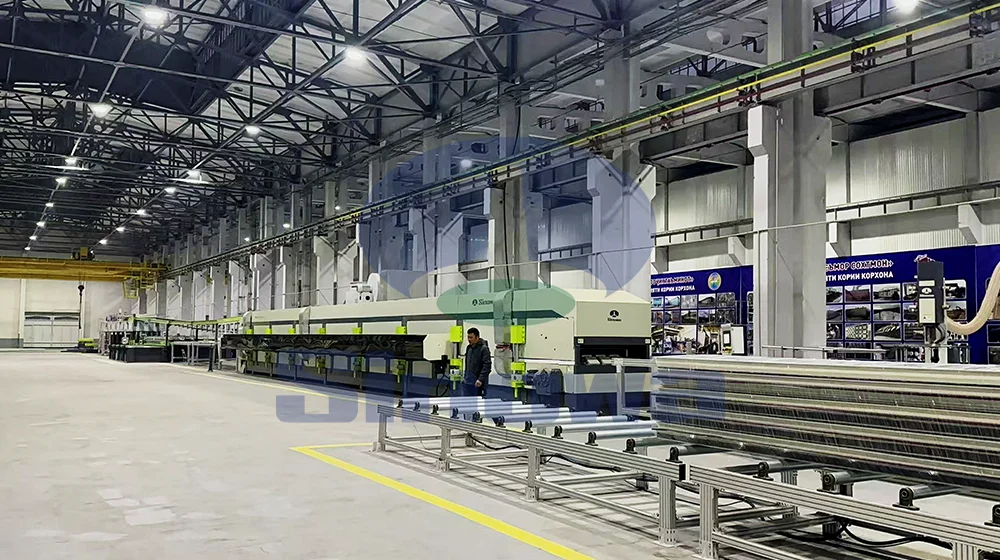
The structural design of sandwich panel making equipment places heavy focus on rigidity and alignment control, two factors that directly influence the flatness and bonding quality of finished panels. The main frame is built from thick structural sections that resist deformation under the constant pressure generated during the lamination stage. Misalignment between the upper and lower metal facings is one of the most common defects in poorly produced panels, so guide rollers, adjustment mechanisms and positioning sensors are fitted at key transition points along the line. These components work together to keep the sheet path stable as raw materials move from the unwinding stations toward the pressing zone. The pressing section is where the core material and surface skins are bonded together under controlled pressure, and the pressure distribution must remain even across the full width of the panel. Uneven pressure creates weak bonding spots that may separate later after installation, leading to service complaints and material waste. Heating modules are integrated into the pressing assembly for systems that use chemical adhesives requiring thermal activation, and temperature settings can be fine-tuned to match the curing characteristics of different adhesive formulas. All moving parts are fitted with sealed bearing units to reduce dust contamination, an important consideration given the fine particles released from some core materials during processing. Simple access panels are arranged around high-wear areas so technicians can inspect, lubricate or replace parts without taking the entire production line out of service for excessive periods. This attention to mechanical stability translates to fewer unplanned stoppages and lower rates of defective products for end manufacturers.
Automation features built into modern sandwich panel production lines simplify daily operation and reduce reliance on highly skilled on-site labour. The central human-machine interface stores a library of preset production parameters corresponding to common panel specifications, and operators can recall these settings quickly when switching from one product type to another. Length measurement systems track the forward movement of the panel continuously and trigger the cutting mechanism precisely once the target dimension is reached, eliminating the need for repeated manual measuring and marking. Some configurations include automatic stacking systems that collect finished panels and arrange them neatly on pallets, removing the need for workers to lift heavy panels immediately after cutting. Safety interlock systems stop machine movement automatically if protective covers are opened or if irregular material feeding is detected, lowering the risk of workplace accidents in busy production halls. Data tracking functions record running time, production volume and alarm events, giving plant managers clear visibility into equipment utilisation and recurring issues. While automated systems streamline routine tasks, they do not remove the need for basic operator training. Staff still need to understand material behaviour, respond correctly to warning signals and perform regular visual checks on adhesive flow and sheet quality. When used properly, the automation layer removes repetitive physical work and helps factories maintain consistent output quality even during peak production cycles.
Material compatibility stands out as a key advantage of many sandwich panel making equipment designs coming from Chinese manufacturing bases. A single production line can often be adapted to process several types of core materials, expanding the range of finished products a factory can supply to the construction market. Some lines handle lightweight foam cores, while others support mineral-based core materials that deliver different functional properties for specific building applications. The feeding systems for core materials are adjustable in terms of feed speed and compression, matching the density requirements of each filler material. Metal facings also vary, and the unwinding and forming sections accommodate different sheet thicknesses and surface treatments. Adhesive delivery systems are calibrated to regulate glue flow rate accurately, avoiding excessive glue waste on one hand and insufficient bonding on the other. Changing from one material combination to another usually involves adjusting a set of parameters and sometimes swapping a small number of auxiliary fixtures, rather than purchasing a completely separate production line. This versatility is especially valuable for mid-sized manufacturers that serve diverse customer groups and cannot afford to dedicate separate machines to every single panel variant. Before full production starts with a new material combination, test runs are recommended to verify bonding strength, surface finish and dimensional accuracy, so that any minor adjustments can be completed before large batches begin.
Installation and commissioning support form a critical part of the complete package when buyers acquire sandwich panel making equipment. Once the machinery arrives at the buyer’s production site, careful layout planning is required to leave enough space for raw material storage, machine movement, finished panel handling and routine maintenance. The equipment itself is delivered in segmented modules to simplify container shipping and on-site lifting, and each module is marked to guide correct assembly. Alignment of the connected sections is a delicate step, as even small offsets between adjacent units can create quality problems in the final panels. Technical specialists travel to the site for many projects to supervise assembly, run test cycles and train local operators on standard procedures. The commissioning phase includes running sample panels under different settings to confirm all systems work in harmony, from sheet feeding right through to cutting and stacking. Buyers are advised to prepare suitable foundation surfaces, power supply arrangements and ventilation before the arrival of technical support teams, as preparation delays can extend the whole commissioning timeline. After the initial setup is finished, operators receive guidance on daily inspection checklists and troubleshooting steps for common minor faults. This hands-on knowledge transfer helps the new equipment owner gain independent operational capability within a reasonable timeframe, instead of remaining fully dependent on external technicians for every small issue.
Maintenance and spare part availability determine the long-term operational value of sandwich panel making equipment, and suppliers have developed structured approaches to support ongoing machine upkeep. Regular maintenance schedules focus on lubrication of transmission chains and rollers, cleaning of adhesive residue from pressing surfaces, inspection of sensors and calibration of cutting units. Adhesive residue is one of the most persistent maintenance challenges, as hardened deposits can scratch panel surfaces or interfere with smooth material movement if left to build up. Clear maintenance manuals outline service intervals and describe the correct procedures for each task, with visual references to help maintenance staff identify key components. Common wearing parts are stocked by many suppliers, so replacement items can be arranged without extremely long lead times. When a component fails unexpectedly, clear fault codes on the control screen help users narrow down the source of the problem quickly. Remote technical support channels allow engineers to review operational data and provide guidance for resolving many issues without an immediate site visit. Factories that stick closely to maintenance routines generally see much longer service life from their production lines and experience fewer sudden breakdowns that disrupt order fulfilment. Neglect of routine care, by contrast, often leads to gradual performance decline and higher overall operating costs over time.
Economic factors drive many manufacturers around the world to explore sandwich panel making equipment from China, with considerations extending far beyond the upfront purchase cost of the machinery itself. Total operational expenses include power consumption, labour input, material waste levels, maintenance spending and equipment service life. Efficiently designed lines optimise energy use across heating, pressing and drive systems, which creates noticeable savings for facilities that run the machinery for multiple shifts each day. Low waste rates also improve profitability, because raw materials for metal sheets and core fillers represent the largest share of production costs for sandwich panels. The modular nature of the equipment offers room for future expansion; owners can choose to add auxiliary units at a later stage to lift output capacity or introduce new functions, rather than replacing the whole line. This scalable model suits businesses that start with moderate production targets and plan to grow gradually as market demand rises. Buyers commonly compare different configuration options and match the machine capacity to their realistic order forecast, avoiding overinvestment in capacity they cannot fill. They also evaluate the reliability of the supply channel for spare parts and technical assistance, recognising that support after delivery is just as important as the mechanical quality of the equipment. Careful evaluation of these combined factors helps buyers make investment decisions that align with their long-term business plans.
Looking ahead, the evolution of sandwich panel making equipment continues alongside shifting trends in the global construction industry. Construction methods are moving toward prefabrication and off-site component manufacturing, which naturally increases demand for consistent, high-volume production of building panels. Equipment designers keep refining control precision, energy efficiency and material adaptability to keep pace with these market shifts. New auxiliary modules are being developed to expand surface finishing options and streamline handling workflows, giving panel producers more ways to differentiate their finished products. Digital monitoring tools are becoming more sophisticated, allowing plant managers to track production trends and identify opportunities to reduce waste and improve throughput. At the same time, end users of sandwich panels are paying greater attention to the functional performance of panels in different climate conditions, pushing panel manufacturers to refine their material formulations and production processes. The machinery sector will continue to adapt to these evolving requirements, balancing robust mechanical performance, user-friendly operation and flexible production capability. For businesses entering or expanding within the sandwich panel manufacturing sector, well-selected production equipment serves as a stable foundation. With proper operation, regular maintenance and continuous process adjustment, these lines can support sustained production of building panels that meet the practical needs of construction projects across diverse markets for many years.
« Sandwich Panel Making Equipment From China » Update Date: 2026/10/26
Tags: Sandwich Panel Making Equipment , sandwich panel making equipment, sandwich panel making equipment manufacturer, sandwich panel making equipment supplier, sandwich panel making equipment for sale, customized sandwich panel making equipment, china sandwich panel making equipment
- Composite Sandwich Panel Production Line On Sales
- Cheap Sandwich Wall Panel Production Line
- Customized Sandwich Panel Production Line
- Sandwich Panel Line Design
- Foam Sandwich Panel Production Line Factory
- Foam Sandwich Panel Machine From China
- Customize Sandwich Panel Foam Production Line
- Sandwich Panel Line Factory
- Customized PU Sandwich Panel Machine
- High-tech Wall Sandwich Panel Production Line
- Composite Panel Production Line For Sale
- Polyurethane Sandwich Panel Production Line For Wall
- Cheap Sandwich Panel Machine
- Sandwich Panel Foam Production Line
- Continuous PU Sandwich Panel Line Price
- High-quality Glass Wool Line
- Decorative PU Sandwich Panel Production Line Supplier
- Cheap Glass Wool Panel Production Line
- Cheap PU Sandwich Machine
- Sandwich Foam Panel Making Machine
- Links:
- Sandwich Panel Continuous Production Line
- Automatic and Continuous Sandwich Panel Production Line
- Cheap and Low Price Sandwich Panel Production Line
- China Sandwich Panel Production Line Factory
- Color Steel Sandwich Panel Production Line For Cold Storage
- Continuous Composite Foam Sandwich Panel Production Line
- Continuous Production Line For Rockwool and Mineral Wool Sandwich Panels
- Continuous PU Phenolic Insulation Panel Production Line
- Continuous PU PIR Sandwich Panel Production Line
- Continuous PUF PUR Sandwich Panel Production Line
- Continuous Sandwich Panel Production Line For Roof and Wall
- Customized and Design Sandwich Panel Production Line
- Decorative Sandwich Panel Production Line For Glass Wool Boards
- High Quality Sandwich Panel Production Line For Sale
- Polyurethane(PU) Sandwich Panel Production Line
- Sandwich Panel Production Line Manufacturer and Supplier
- Sandwich Panel Production Machinery and Equipment