
Continuous PU Sandwich Panel Line Price
Sinowa is a well-known manufacturer and technical service provider of high-end continuous pu sandwich panel line, learn more about continuous pu sandwich panel line price, please contact Sinowa's technical engineer, tell us what you need, we will contact you as soon as possible!
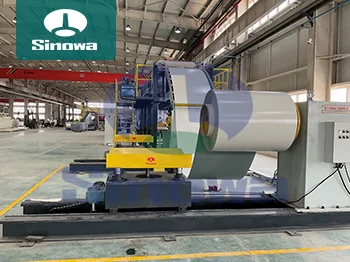
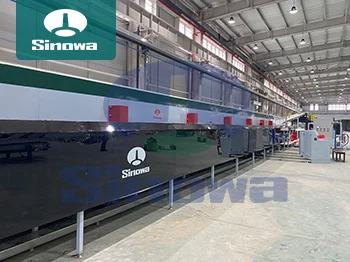
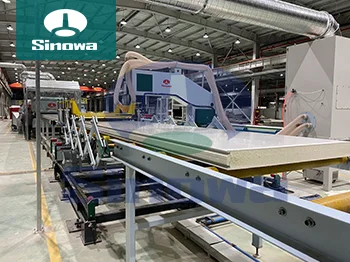
Sinowa is committed to the development and manufacturing of high-end and high-efficiency continuous pu sandwich panel line. Our continuous pu sandwich panel line are leading the way in efficiency, automatic control, human-computer interaction, environmental protection and energy consumption. Using system integration and bus control technology, it realizes the automatic integrated linkage control of the entire continuous pu sandwich panel line, and can achieve remote interactive communication, which has the world-class level and a comprehensive leading high-performance continuous pu sandwich panel line in the market.
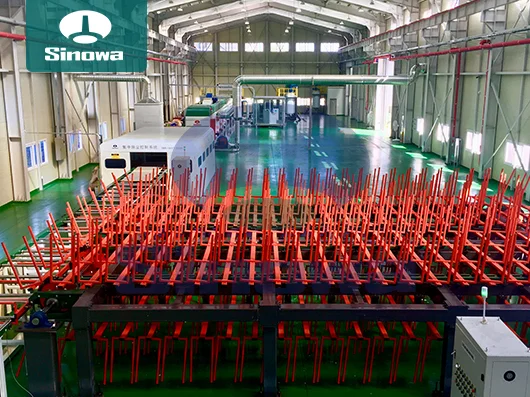
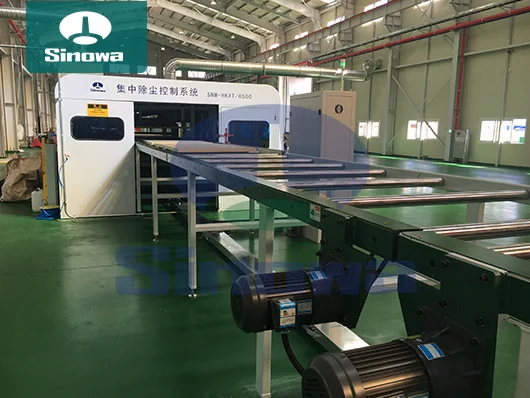
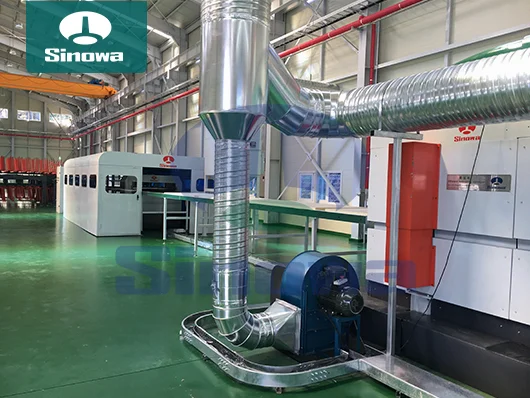
For more than ten years, relying on our innovative manufacturing concept and excellence in quality, reliable and trustworthy service to customers, we cooperate with customers all over the world, exported products to Canada, South Korea, Israel, Australia, the Middle East and other more than 20 countries and regions. contributed to building energy conservation and low-carbon production and have won widespread praise.
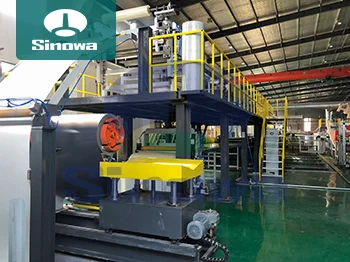
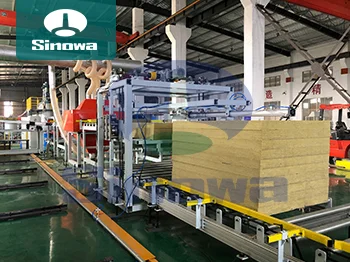
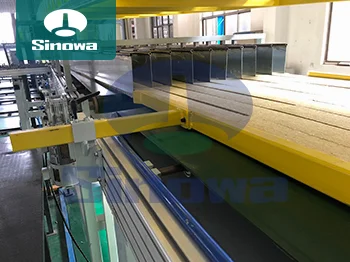
Sinowa has invested outstanding efforts in continuous pu sandwich panel line, this is why our products are more efficiency, quality, automatic control technology, environmental protection, energy consumption indicators and the appearance and safety protection are comprehensively leading, some subversive design changes in many major technical points, these major innovations make our products excellent in price/performance and user experience.
The continuous PU sandwich panel line stands as a highly integrated and automated manufacturing system dedicated to the streamlined production of polyurethane composite sandwich panels, a core building and industrial material widely adopted across multiple sectors. Unlike traditional intermittent production setups that rely on fragmented manual operations and segmented processing, this continuous production model unifies all key manufacturing procedures into one seamless workflow, covering raw material pretreatment, surface layer forming, precise PU foam mixing and pouring, composite pressing, constant-temperature curing, fixed-length cutting and finished product stacking. Its core value lies in transforming low-efficiency, unstable batch production into high-consistency, large-scale standardized manufacturing, effectively solving common industry pain points such as uneven product quality, excessive material waste and labor-intensive operations. As market demand for energy-saving, durable and lightweight composite panels continues to rise, this automated production line has become a pivotal equipment choice for medium and large-scale manufacturers, with its overall operational value and long-term return on investment emerging as key focus points in equipment selection and market layout.
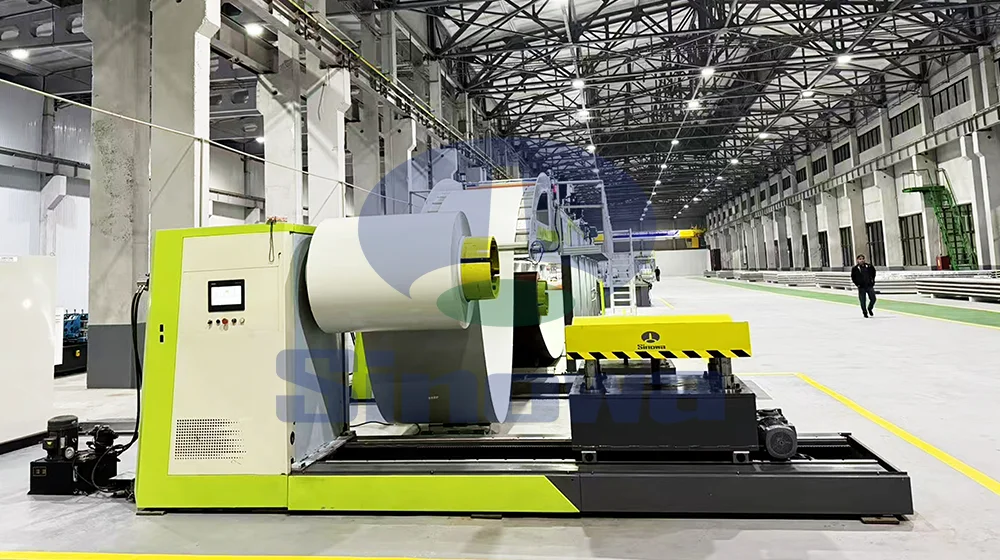
The operational principle of the continuous PU sandwich panel line is built on the organic integration of mechanical automation and controlled polyurethane foaming chemistry, enabling uninterrupted and synchronized production of composite panels with stable structural performance. The entire production process follows a linear and closed-loop operating logic, where every functional module works in precise coordination to avoid production discontinuity and quality fluctuations. At the initial production stage, the system automatically unwinds and preprocesses surface layer materials, including flattening, cleaning and shaping, to ensure the flatness and uniformity of outer panel materials before composite processing. Subsequently, the precision feeding and batching system quantitatively delivers polyurethane raw materials, implementing high-pressure mixing to achieve uniform foaming raw material proportioning, which lays a foundation for the formation of fine and consistent closed-cell foam structures. The mixed PU materials are evenly poured between the upper and lower surface layers, followed by constant-pressure composite pressing to achieve tight bonding between the core foam layer and surface materials. After pressing, the panels enter a constant-temperature curing channel for staged temperature maintenance, ensuring sufficient foaming and solidification of the PU core layer before final fixed-length cutting and automatic discharging. This fully linked operational process eliminates manual intervention gaps, greatly improving production continuity and product uniformity compared with traditional intermittent equipment.
One of the most prominent advantages of the continuous PU sandwich panel line is its outstanding production efficiency and batch stability, which fundamentally upgrade the manufacturing capacity of sandwich panel enterprises. Traditional discontinuous production modes require frequent startup and shutdown, manual material adjustment and parameter resetting between batches, leading to prolonged production cycles and inevitable quality differences among different product batches. In contrast, the continuous production line maintains a stable operating rhythm for long-duration production runs, with all operational parameters automatically locked and adjusted by the central control system. The synchronized operation of unwinding, foaming, pressing, curing and cutting modules ensures that each panel undergoes identical processing conditions, effectively eliminating common defects such as uneven foam density, inconsistent panel thickness and weak bonding interfaces. Moreover, the streamlined production process greatly reduces intermediate handling links and standby time, significantly improving unit-time output. The automated operation also minimizes human error caused by manual operation, reducing defective product rates and improving overall production yield. For large-scale production scenarios, this stable and efficient operating mode can sustain long-term high-volume output while maintaining consistent product performance, bringing remarkable scale benefits to manufacturers.
The product quality advantages delivered by the continuous PU sandwich panel line are reflected in the superior physical and structural performance of finished PU sandwich panels, enhancing the market competitiveness of end products. Relying on precise raw material batching and uniform high-pressure foaming technology, the PU core layer formed by the production line presents a complete and uniform closed-cell structure with fine and dense internal pores. This structural feature endows the sandwich panel with excellent thermal insulation and heat preservation performance, effectively blocking heat transfer and reducing energy consumption for temperature regulation in building and industrial spaces. Meanwhile, the continuous composite pressing and integrated curing process enables seamless bonding between the PU foam core and surface layers, forming an integral composite structure with high overall rigidity. The finished panels boast excellent compression resistance, bending resistance and impact resistance, capable of withstanding complex external forces during installation and long-term use without delamination or deformation. In addition, the consistent thickness and flatness of panels produced by continuous equipment simplify subsequent installation and construction processes, reducing on-site adjustment work and improving overall project construction efficiency. These stable and superior product performances make panels manufactured by continuous lines more adaptable to diverse high-standard application scenarios.
The intelligent control configuration of modern continuous PU sandwich panel lines greatly optimizes operational convenience and production flexibility, adapting to diversified market production demands. Equipped with a mature programmable logic control system, the entire production line realizes centralized intelligent management of all operational links, from raw material feeding and parameter adjustment to finished product statistics and equipment operation monitoring. Operators can set and adjust production parameters such as panel thickness, width and production speed through a simple human-machine interaction interface, enabling rapid switching between different product specifications without tedious mechanical debugging. The built-in sensor system conducts real-time monitoring of equipment operating status, material feeding volume, curing temperature and pressing pressure, automatically correcting parameter deviations during production to ensure stable processing conditions. Additionally, the intelligent system supports automatic counting and real-time output recording, providing accurate data support for production scheduling, inventory management and output statistics. This intelligent configuration not only reduces the technical threshold of equipment operation and dependence on skilled workers, but also improves the flexibility of production line, allowing manufacturers to flexibly respond to customized and small-batch diversified market orders while maintaining large-scale production efficiency.
In terms of production cost control, the continuous PU sandwich panel line brings long-term economic benefits for manufacturers through material saving and labor cost reduction. The precise automatic batching and quantitative foaming system of the equipment accurately controls the dosage of polyurethane raw materials and auxiliary materials, avoiding raw material waste caused by inaccurate manual proportioning in traditional production modes. The closed and continuous foaming environment reduces foam overflow and material loss during the composite process, effectively improving the utilization rate of raw materials and cutting down unit production material costs. In terms of labor input, the highly automated integrated production process reduces the number of on-site operators required for the production line, realizing unmanned operation of key links and greatly lowering long-term labor expenditure. Meanwhile, the stable production quality reduces the generation of defective and waste products, saving the cost of raw material reprocessing and product scrapping. Although the one-time equipment investment of continuous production lines is higher than that of traditional intermittent equipment, the comprehensive cost savings in material utilization, labor management and quality control in long-term mass production can effectively offset the initial investment gap, bringing stable and sustained profit margins for production enterprises.
The application scenario adaptability of the continuous PU sandwich panel line further expands its market value, meeting the manufacturing demands of multiple industrial and construction fields. The panels produced by this equipment integrate thermal insulation, waterproofing, wind resistance and lightweight characteristics, making them suitable for diverse application environments. In the construction field, the high-performance sandwich panels are widely used in the construction of factory workshops, cold storage facilities, temporary buildings and commercial buildings, providing reliable thermal insulation and structural protection for building envelopes. In industrial fields, the panels can adapt to special environments such as constant-temperature workshops and logistics storage spaces, meeting the strict temperature control and structural stability requirements of industrial production and storage. In addition, by adjusting production parameters and matching different surface layer materials, the production line can manufacture sandwich panels with different surface textures and functional characteristics, adapting to personalized needs of different scenarios such as outdoor wind-resistant buildings and indoor decorative insulation structures. The strong product compatibility and scenario adaptability enable the production line to cover diversified market demands, helping manufacturers expand product categories and enrich market business layouts.
Looking at the long-term industry development trend, the continuous PU sandwich panel line maintains strong market development potential driven by the booming energy-saving building and new material industries. With the continuous advancement of energy-saving and low-carbon development concepts in the construction and industrial fields, the market demand for high-efficiency thermal insulation, environmentally friendly and durable composite building materials continues to grow steadily, creating a broad market space for PU sandwich panels and their supporting production equipment. Meanwhile, the continuous upgrading of industrial automation and intelligent manufacturing technologies is promoting the iterative optimization of continuous PU sandwich panel lines, with newer equipment models featuring higher automation levels, more precise control systems and lower energy consumption. As downstream industries raise higher requirements for product precision, production efficiency and environmental protection performance, continuous automated production lines will gradually replace traditional backward production equipment and become the mainstream configuration of the industry. For production enterprises, investing in high-quality continuous PU sandwich panel lines is not only a way to improve current production capacity and product competitiveness, but also a strategic layout to adapt to future industry upgrading and market competition, realizing long-term stable operation and sustainable development.
« Continuous PU Sandwich Panel Line Price » Update Date: 2026/8/24
- Fully Automatic PU Sandwich Panel Machine
- External Wall Insulation Panel Production Line Manufacturer
- Custom Glass Wool Equipment
- Cheap PUR Sandwich Panel Machine
- Continuous Sandwich Panel Line For Cold Storage
- Foam Sandwich Panel Machine
- High-quality PIR Sandwich Panel Line
- Foam Sandwich Panel Production Line For Sale
- Polyurethane Sandwich Panel Machine For Cold Room
- Exterior Wall Insulation Panel Production Line
- Decorative Sandwich Panel Line
- High-quality Fully Automatic PU Sandwich Panel Machine
- Cheap Polyurethane Foam Production Line
- Composite Sandwich Panel Production Line Manufacturer
- Continuous PU Sandwich Panel Line For Construction
- Continuous PU Sandwich Panel Line Factory
- Glass Wool Equipment Factory
- Automatic Sandwich Panel Production Line On Sales
- Continuous PUF Panel Production Line On Sales
- Cheap Insulated Sandwich Panel Line
- Links:
- Sandwich Panel Continuous Production Line
- Automatic and Continuous Sandwich Panel Production Line
- Cheap and Low Price Sandwich Panel Production Line
- China Sandwich Panel Production Line Factory
- Color Steel Sandwich Panel Production Line For Cold Storage
- Continuous Composite Foam Sandwich Panel Production Line
- Continuous Production Line For Rockwool and Mineral Wool Sandwich Panels
- Continuous PU Phenolic Insulation Panel Production Line
- Continuous PU PIR Sandwich Panel Production Line
- Continuous PUF PUR Sandwich Panel Production Line
- Continuous Sandwich Panel Production Line For Roof and Wall
- Customized and Design Sandwich Panel Production Line
- Decorative Sandwich Panel Production Line For Glass Wool Boards
- High Quality Sandwich Panel Production Line For Sale
- Polyurethane(PU) Sandwich Panel Production Line
- Sandwich Panel Production Line Manufacturer and Supplier