
PUR Sandwich Panel Production Line Design
Sinowa is a well-known manufacturer and technical service provider of high-end pur sandwich panel production line, learn more about pur sandwich panel production line design, please contact Sinowa's technical engineer, tell us what you need, we will contact you as soon as possible!
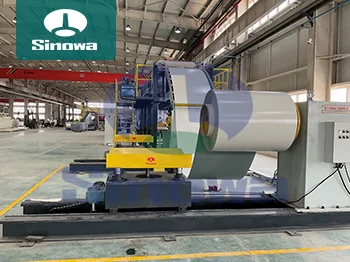
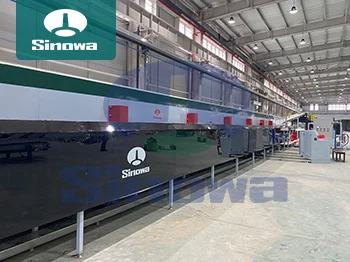
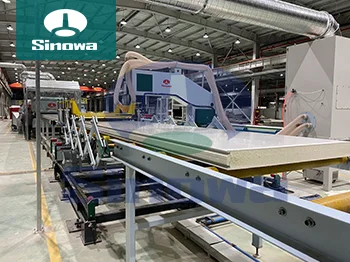
Sinowa is committed to the development and manufacturing of high-end and high-efficiency pur sandwich panel production line. Our pur sandwich panel production line are leading the way in efficiency, automatic control, human-computer interaction, environmental protection and energy consumption. Using system integration and bus control technology, it realizes the automatic integrated linkage control of the entire pur sandwich panel production line, and can achieve remote interactive communication, which has the world-class level and a comprehensive leading high-performance pur sandwich panel production line in the market.
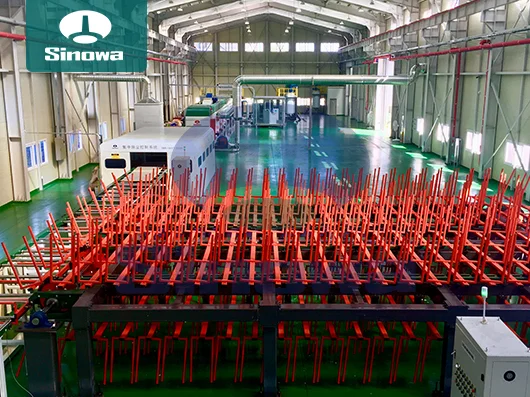
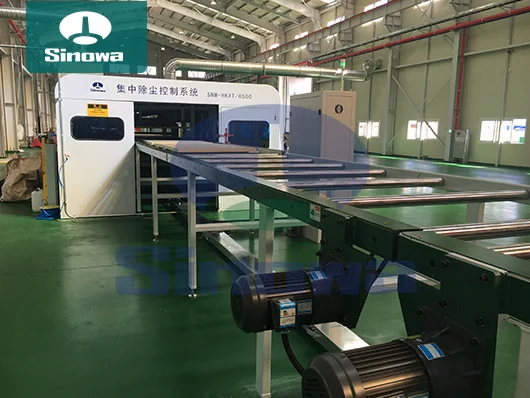
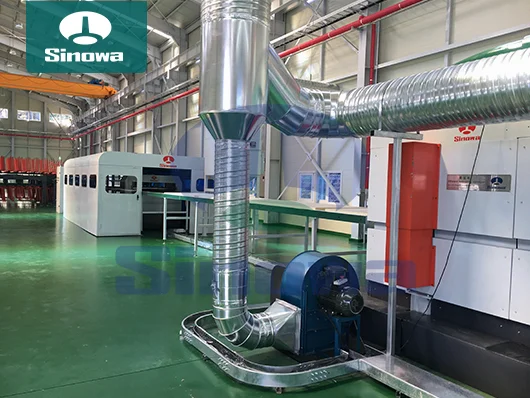
For more than ten years, relying on our innovative manufacturing concept and excellence in quality, reliable and trustworthy service to customers, we cooperate with customers all over the world, exported products to Canada, South Korea, Israel, Australia, the Middle East and other more than 20 countries and regions. contributed to building energy conservation and low-carbon production and have won widespread praise.
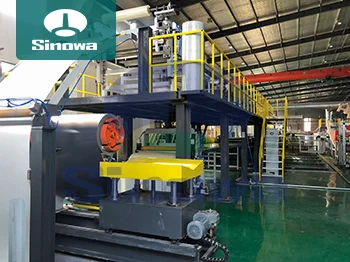
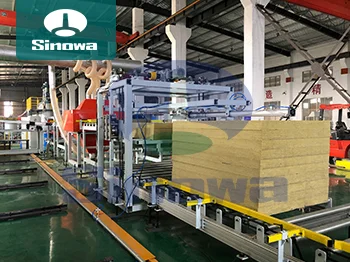
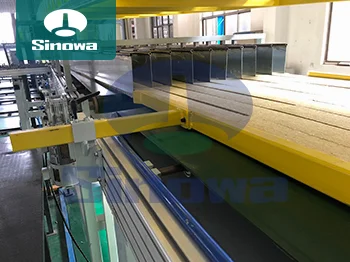
Sinowa has invested outstanding efforts in pur sandwich panel production line, this is why our products are more efficiency, quality, automatic control technology, environmental protection, energy consumption indicators and the appearance and safety protection are comprehensively leading, some subversive design changes in many major technical points, these major innovations make our products excellent in price/performance and user experience.
PUR sandwich panel production line design focuses on integrating mechanical transmission, chemical foaming, automatic molding and intelligent control technologies to achieve continuous, stable and high-efficiency manufacturing of composite insulation panels. The core design concept balances production efficiency, product structural stability and operational flexibility, adapting to diversified production demands for different panel specifications and usage scenarios. A complete production line adopts a linear streamlined layout, with all functional modules closely coupled and synchronously operated to eliminate discontinuous production links and manual operation errors. The overall design covers raw material pretreatment, precision metering foaming, composite lamination, constant-temperature curing, fixed-length cutting and automatic stacking, forming a closed-loop production system. Every structural and parameter design is optimized to ensure uniform PUR core density, firm bonding between surface materials and core layers, and consistent panel flatness, while improving production continuity and reducing resource waste in the manufacturing process.
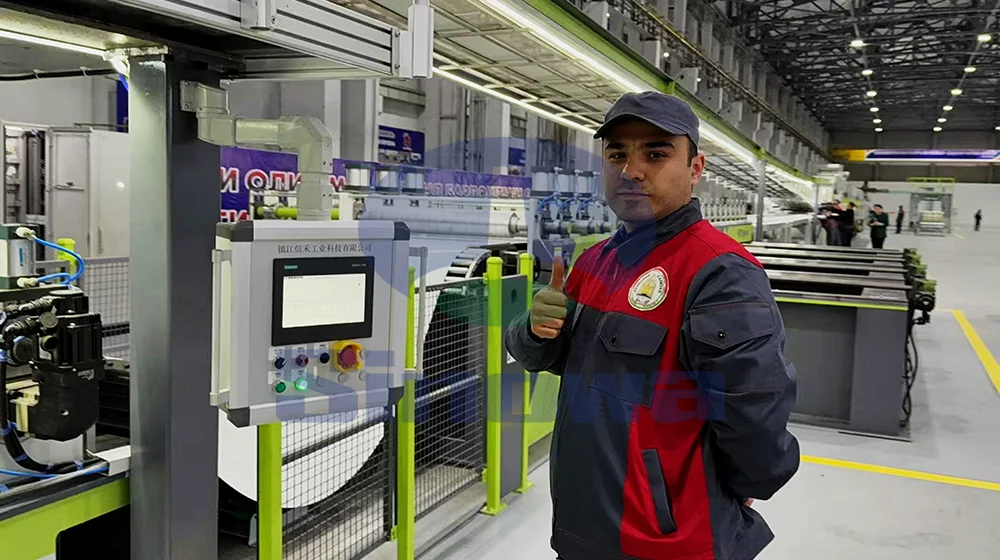
The foundational layout and structural design of the PUR sandwich panel production line determine the overall operational stability and production rhythm of the entire system. The line adopts an integrated modular linear structure, which arranges all functional units in a sequential production order to realize one-stop continuous processing from raw material input to finished product output. This layout design effectively shortens material transmission paths, avoids intermediate material handling and transfer links, and greatly improves production continuity. The frame structure of the production line is designed with high-strength and rigid materials, which can bear long-term continuous mechanical operation and vibration, ensuring that each equipment module maintains stable positioning and operating accuracy during high-speed production. Meanwhile, the overall structural design reserves flexible adjustment space for subsequent specification switching and equipment upgrading. The spacing and height of each processing station are scientifically calculated according to material transmission tracks and processing technological requirements, which not only meets the operational space demand of mechanical movements and chemical foaming reactions, but also facilitates daily equipment inspection, maintenance and cleaning. The modular design also enables independent debugging and partial replacement of single functional units, reducing the overall shutdown maintenance cost and improving the fault tolerance of the entire production line system.
Raw material feeding and pretreatment system design is the primary key link to ensure the consistent quality of PUR sandwich panels, focusing on stable feeding and standardized surface treatment of surface base materials. The system is equipped with dual-station automatic unwinding structures, which can simultaneously load upper and lower coiled base materials to realize synchronous feeding and match the continuous production rhythm of subsequent processes. The unwinding mechanism is designed with constant-speed tension control functions, which can dynamically adjust the feeding tension according to production speed and material thickness, effectively avoiding common quality problems such as base material wrinkling, stretching deformation and position deviation in the feeding process. In terms of pretreatment, the system integrates surface cleaning and fine leveling functions to remove dust, oil stains and oxide layers on the surface of base materials, improving the adhesion between base materials and PUR foaming layers. The leveling structure adopts multi-group roller calibration design to correct the flatness of coiled materials, ensuring that the surface materials entering the foaming and lamination process maintain a smooth and uniform state. In addition, the feeding system is equipped with automatic material connection and buffer storage structures, which can realize non-stop material replacement during continuous production, eliminate production interruption caused by raw material replacement, and further improve the overall production efficiency of the line.
PUR raw material metering and mixing system is the core functional module that determines the thermal insulation performance and structural stability of sandwich panels, with high-precision parameter control as the core design goal. The system is professionally designed for the reaction characteristics of polyurethane raw materials, realizing accurate proportioning, uniform mixing and stable conveying of polyol, isocyanate and various functional additives. The metering unit adopts high-precision dynamic flow control structures, which can maintain stable output of various raw materials within a tiny error range, avoiding quality fluctuations such as uneven foaming density and insufficient curing caused by inaccurate proportioning. The mixing chamber is designed with high-speed stirring and circulating mixing structures, which can fully fuse different raw materials in a short time to form a homogeneous reaction solution, ensuring the consistency of the PUR core material in each panel. Meanwhile, the system is equipped with constant-temperature auxiliary adjustment structures to control the temperature of raw materials and mixing environment, adapting to the optimal reaction temperature range of PUR materials and avoiding abnormal foaming caused by temperature deviation. The pipeline conveying part adopts anti-blocking and heat-preservation design to prevent raw material precipitation, solidification and temperature loss during conveying, ensuring that the foaming solution sprayed on the base material always maintains the best reaction activity and laying a foundation for uniform foaming and stable molding of the core layer.
Foaming and composite lamination system design undertakes the key molding process of PUR sandwich panels, realizing uniform laying of PUR core materials and firm composite bonding of double-layer base materials. The foaming spraying unit adopts reciprocating sweeping nozzle structure design, which can cover the entire effective width of the base material in an all-round manner without spraying dead angles or material accumulation. The spraying speed and glue output are dynamically matched with the line running speed to ensure that the thickness of the PUR core layer is uniform and consistent in the whole length and width of the panel. After the completion of spraying and laying, the upper and lower base materials with PUR intermediate layer enter the lamination molding unit synchronously. The lamination system adopts multi-group pressing roller structure with adjustable gap and pressure, which can adapt to panel production of different thickness specifications. The pressing pressure is uniformly distributed to avoid local extrusion deformation or hollow bonding of the core layer. The lamination process is designed with synchronous speed control to ensure that the upper and lower base materials and the core foaming layer move synchronously, preventing relative displacement and layering deviation. In addition, the lamination unit is equipped with preliminary shaping functions, which can calibrate the overall flatness and edge regularity of the composite panel initially, ensuring that the semi-finished products after lamination have stable structural dimensions and good bonding performance.
Constant-temperature curing and cooling system design is crucial to stabilize the structural performance and dimensional accuracy of molded PUR sandwich panels, optimizing the curing reaction efficiency of PUR core materials. The curing section adopts a fully enclosed constant-temperature cavity design, which forms a stable thermal environment for the continuous curing and molding of polyurethane foaming layers. The internal temperature distribution of the cavity is uniform without local overheating or low temperature areas, enabling the PUR core material to complete cross-linking reaction and structural hardening stably and gradually. The length and temperature gradient of the curing section are designed according to the foaming reaction cycle of PUR materials, which can fully meet the curing requirements of different thickness core layers, effectively avoiding quality defects such as incomplete internal curing, surface sticky material or excessive foaming shrinkage. After curing, the panel enters the circulating cooling conveying unit, which adopts layered air cooling design to realize uniform and slow cooling of the panel. This gradual cooling mode can effectively release the internal stress generated in the processes of foaming, lamination and curing, preventing panel warping, bending and dimensional deformation caused by rapid temperature change. The integrated design of curing and cooling ensures that the physical performance and structural state of the panel tend to be stable, improving the overall qualification rate of finished products.
Fixed-length cutting and post-processing system design realizes precise sizing and neat finishing of finished panels, completing the final shaping of products. The cutting unit adopts high-precision tracking and fixed-length cutting technology, with the cutting position automatically calibrated according to the set panel length parameters. The cutting tool is designed with high-speed and wear-resistant structure, which can complete smooth cutting of composite panels with metal or lightweight surface layers, ensuring flat and burr-free cutting sections. The system supports flexible switching of different cutting lengths, meeting the diversified sizing demands of downstream application scenarios. After cutting, the edge trimming and finishing mechanism carries out fine processing on the panel edges to eliminate residual burrs, uneven edges and excess foaming materials, improving the appearance finish and structural regularity of finished panels. The post-processing conveying structure adopts stable roller transmission design to avoid scratching or extrusion damage to the panel surface during transmission. Meanwhile, the system is equipped with automatic counting and sorting functions, which can classify and arrange panels according to production specifications, providing convenient conditions for subsequent stacking and packaging. The overall post-processing design focuses on precision and efficiency, ensuring that each finished panel meets consistent dimensional accuracy and appearance standards.
Intelligent control and overall optimization design runs through the entire PUR sandwich panel production line, realizing automatic, precise and stable operation of the whole process. The production line adopts a centralized integrated control system, which uniformly monitors and adjusts the operating parameters of all functional modules including feeding, metering, foaming, lamination, curing and cutting. Operators can set production specifications, adjust operating speed and monitor real-time production status through the human-machine interaction interface, realizing intelligent and simplified operation. The system is designed with synchronous linkage control logic, which can automatically match the operating speed and parameter state of each unit. When a single link has parameter deviation, the system will make real-time adjustment and early warning to avoid batch quality problems. In terms of energy saving and consumption reduction, the overall design optimizes the power matching of mechanical operation and the consumption of raw materials, realizing energy-saving operation under the premise of ensuring production quality and efficiency. In addition, the system is equipped with fault self-detection and protection functions, which can automatically stop and alarm in case of abnormal equipment operation, effectively reducing equipment failure loss and production safety risks. The intelligent optimization design greatly improves the automation level and production stability of the production line, realizing high-quality and high-efficiency batch manufacturing of PUR sandwich panels.
« PUR Sandwich Panel Production Line Design » Update Date: 2026/8/13
Tags: Continuous PUR Sandwich Panel Production Line , PUR Sandwich Panel Production Line ,
- Polyurethane Sandwich Panel Production Line Price
- High-quality Sandwich Panel Manufacturing Line
- Low Price PUF Panel Machine
- Polyurethane Sandwich Panel Manufacturing Line Factory
- Corrugated Sandwich Panel Production Line From China
- Sandwich Roof Wall Panel Making Machine For Sale
- Customized PUR Sandwich Panel Machine
- Sandwich Panel Production Machinery Design
- PU Foam Production Line
- Foam Sandwich Panel Machine Price
- PIR Sandwich Panel Line Factory
- Sandwich Panel Manufacturing Line Factory
- PU Sandwich Panel Line
- High Efficiency Composite Panel Production Line
- Polyurethane Sandwich Panel Line Factory
- High-tech Roof Sandwich Panel Production Line
- Cheap Soundproofing Sandwich Panel Production Line
- Low Price Decorative PU Sandwich Panel Production Line
- Custom Polyurethane Insulation Panel Production Line
- Roof Sandwich Panel Production Line For Sale
- Links:
- Sandwich Panel Continuous Production Line
- Automatic and Continuous Sandwich Panel Production Line
- Cheap and Low Price Sandwich Panel Production Line
- China Sandwich Panel Production Line Factory
- Color Steel Sandwich Panel Production Line For Cold Storage
- Continuous Composite Foam Sandwich Panel Production Line
- Continuous Production Line For Rockwool and Mineral Wool Sandwich Panels
- Continuous PU Phenolic Insulation Panel Production Line
- Continuous PU PIR Sandwich Panel Production Line
- Continuous PUF PUR Sandwich Panel Production Line
- Continuous Sandwich Panel Production Line For Roof and Wall
- Customized and Design Sandwich Panel Production Line
- Decorative Sandwich Panel Production Line For Glass Wool Boards
- High Quality Sandwich Panel Production Line For Sale
- Polyurethane(PU) Sandwich Panel Production Line
- Sandwich Panel Production Line Manufacturer and Supplier