
Soundproofing Sandwich Panel Production Line Design
Sinowa is a well-known manufacturer and technical service provider of high-end soundproofing sandwich panel production line, learn more about soundproofing sandwich panel production line design, please contact Sinowa's technical engineer, tell us what you need, we will contact you as soon as possible!
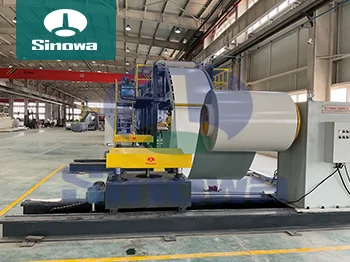
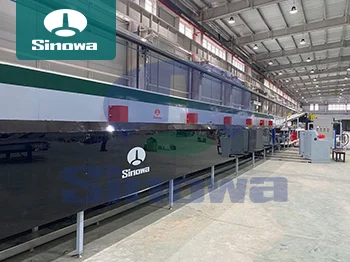
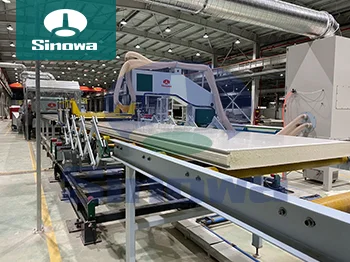
Sinowa is committed to the development and manufacturing of high-end and high-efficiency soundproofing sandwich panel production line. Our soundproofing sandwich panel production line are leading the way in efficiency, automatic control, human-computer interaction, environmental protection and energy consumption. Using system integration and bus control technology, it realizes the automatic integrated linkage control of the entire soundproofing sandwich panel production line, and can achieve remote interactive communication, which has the world-class level and a comprehensive leading high-performance soundproofing sandwich panel production line in the market.
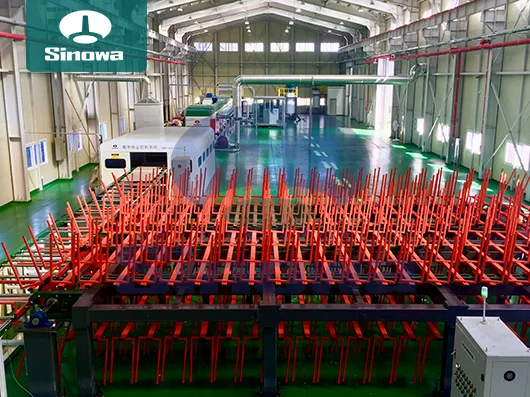
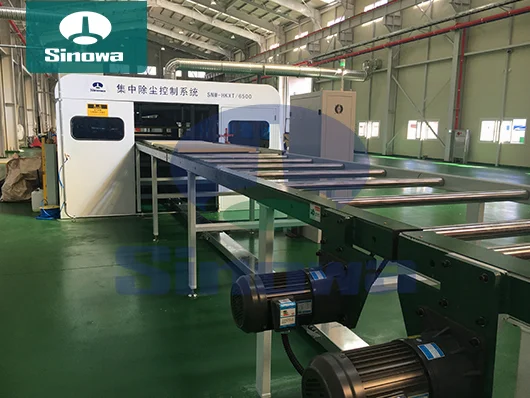
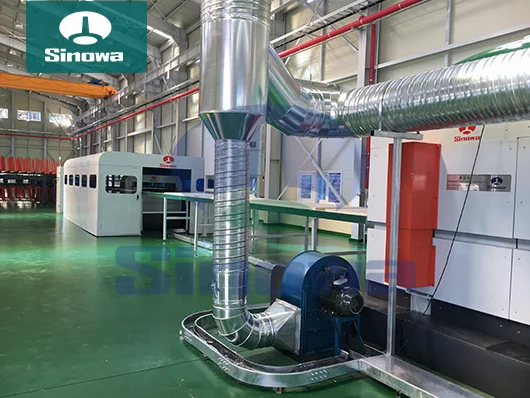
For more than ten years, relying on our innovative manufacturing concept and excellence in quality, reliable and trustworthy service to customers, we cooperate with customers all over the world, exported products to Canada, South Korea, Israel, Australia, the Middle East and other more than 20 countries and regions. contributed to building energy conservation and low-carbon production and have won widespread praise.
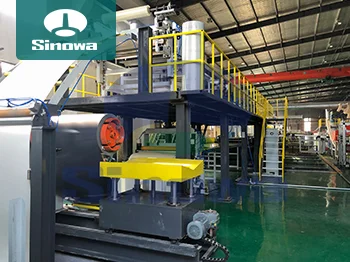
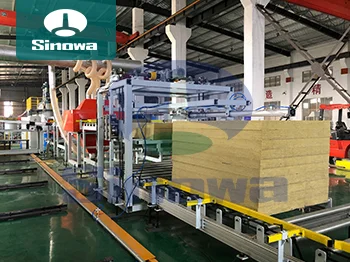
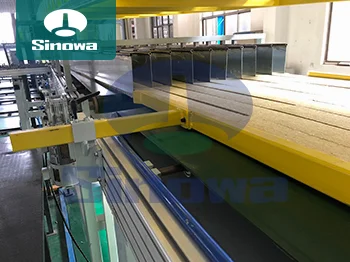
Sinowa has invested outstanding efforts in soundproofing sandwich panel production line, this is why our products are more efficiency, quality, automatic control technology, environmental protection, energy consumption indicators and the appearance and safety protection are comprehensively leading, some subversive design changes in many major technical points, these major innovations make our products excellent in price/performance and user experience.
The design of a soundproofing sandwich panel production line begins with a thorough evaluation of core material characteristics and functional performance targets, as the entire manufacturing workflow must align with the dual requirements of structural stability and acoustic attenuation. The base substrates for these panels typically consist of rigid facing sheets paired with porous or fibrous core materials, each selected to interrupt sound wave transmission across different frequency ranges. At the initial layout phase, engineers map the material feeding sequence to minimize manual handling and avoid damage to delicate sound-absorbing cores, which can lose acoustic efficiency if compressed or torn during transport. Raw material staging zones are separated into distinct areas for facings, core stock, adhesives, and auxiliary components, with dedicated conveying tracks that maintain consistent material speed and alignment. Environmental controls within this section regulate temperature and humidity, since adhesive curing behavior and core material dimensional stability are sensitive to fluctuating ambient conditions. The design also incorporates safety provisions to contain fine particulate matter released during core cutting operations, preventing particle buildup on moving machinery and reducing airborne contamination that could compromise panel bonding quality. Every transition point between feeding and forming stations is engineered to maintain continuous material flow, eliminating frequent line stops that create inconsistencies in panel thickness and adhesion uniformity across successive production batches.
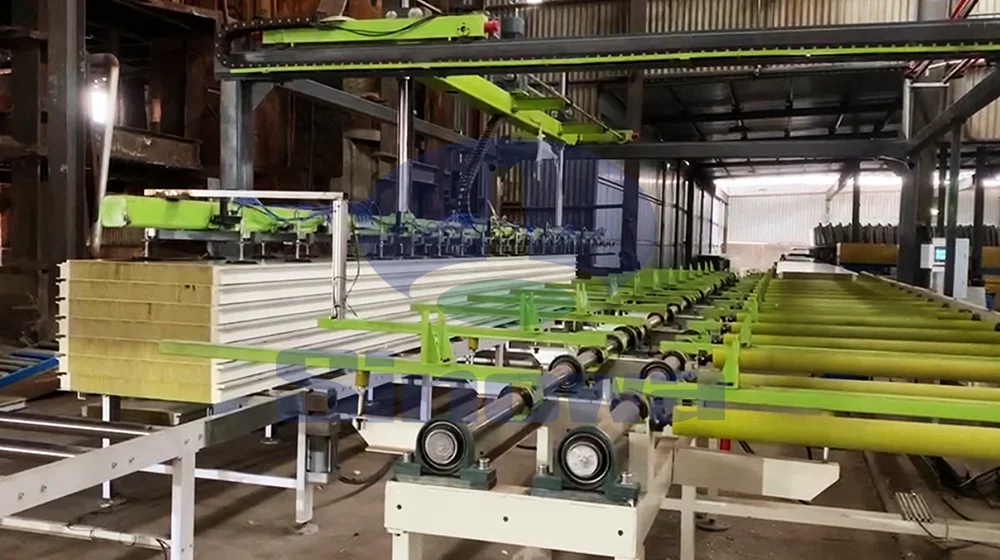
Material preparation acts as the foundational stage within the production line, where raw inputs undergo precision processing before entering the lamination phase. Facing sheets are unwound or fed from stacked inventory and passed through surface treatment modules that remove dust, oil residues, and surface contaminants, ensuring adhesive bonds form reliably over the full contact area. Surface conditioning does not alter the inherent rigidity of the facings, but it creates a uniform substrate for adhesive application, which directly impacts the long-term integrity of the finished sandwich structure. Meanwhile, the sound-insulating core materials are cut to precise dimensions using programmable cutting systems that adjust for minor variations in raw core thickness. Cutting tools are calibrated to deliver clean edges without crushing the internal porous structure of the core, as crushed regions would form sound bridges and weaken the overall soundproofing performance of the final product. After cutting, core segments move along intermediate conveyors to inspection checkpoints, where visual and dimensional scans reject pieces with tears, voids, or uneven surfaces. This pre-screening process prevents defective core materials from advancing to lamination, reducing waste and avoiding costly disruptions further down the line. All processed materials are synchronized so that facings and core segments arrive at the bonding station at matching rates, preserving the steady rhythm required for continuous panel fabrication.
Adhesive application and lamination represent the most critical segment of the soundproofing sandwich panel production line, where the separate components merge into a unified composite structure. Adhesive distribution systems are designed to spread bonding agent in a controlled, even pattern across the inner surfaces of the facing sheets, avoiding excess material that could seep into the porous core and block sound-absorbing cavities. Too little adhesive would create incomplete bonding and weak points that allow sound to transfer through gaps between layers, so the system continuously monitors coating weight and adjusts dispensing parameters in real time. Once the adhesive is applied, the facing sheets and core material are brought together under carefully managed pressure within the laminating press section. Pressure levels are tuned to hold the assembly securely without compressing the soundproof core, maintaining the engineered void spaces that trap and dissipate acoustic energy. The lamination chamber maintains stable thermal conditions to support gradual, consistent adhesive curing, rather than rapid heating that might introduce internal stress or warping in the finished panel. Guide rollers keep all layers aligned during compression, preventing lateral shifting that would result in uneven panel edges. After lamination, the newly formed composite moves forward slowly to allow initial bond setting before the panel enters post-forming processing stages.
Continuous curing and stabilization follow the lamination process, allowing the adhesive to develop full mechanical strength while preserving the acoustic properties built into the panel core. This section of the line uses graded temperature zones rather than uniform high heat, enabling the bonding compound to cure from outer surfaces inward. Gradual heat reduction prevents thermal shock that could create microcracks in the adhesive layer or cause differential expansion between the facings and core, both of which can create pathways for sound leakage. Panels travel at a regulated speed through the curing tunnel, with dwell time calculated according to panel thickness and adhesive formulation. Sensors positioned along the tunnel track surface temperature across multiple points of each panel, feeding data back to the central control system to adjust heating output when deviations occur. As panels exit the curing zone, they enter a passive cooling segment where ambient airflow lowers panel temperature slowly. Rapid cooling can induce internal stresses that warp panels and separate bonded layers over time. Stabilization is not limited to thermal management; the line also isolates this area from external vibration, as mechanical disturbance during the late curing phase can disrupt bond formation and reduce the consistency of sound insulation performance between batches.
Precision cutting and shaping operations take place after full stabilization, converting continuous composite panels into finished sizes ready for quality assessment. The cutting station uses heavy-duty sawing or slitting equipment mounted on rigid frames to minimize vibration, because vibration during cutting can create rough edges and minor delamination along cut lines. Programmable control logic receives dimension parameters for each panel run, automatically adjusting cut length and width to match target specifications without manual reconfiguration between orders. Trimming operations remove uneven border sections formed during lamination, ensuring every panel has straight, uniform edges for seamless installation later. Some production line designs integrate routing units to cut notches or joint profiles along panel edges, enabling interlocking assembly when panels are installed on site. These shaping tools are configured to avoid cutting deep into the sound-absorbing core in ways that would create acoustic leaks at panel joints. After cutting, individual panels are separated from the continuous web and transferred to a short staging conveyor. Small debris generated during cutting is collected by integrated extraction systems, keeping debris away from panel surfaces and downstream inspection equipment. Careful sequencing ensures cut panels do not stack prematurely, preventing surface scratches or core compression before inspection.
In-line quality inspection is embedded within the production line to identify structural and functional defects before panels move to final handling. Inspection systems combine non-contact dimensional scanning and visual imaging to detect surface defects, delamination, thickness irregularities, and edge damage. Dimensional measurements verify that panel geometry stays within the required tolerance range, since mismatched sizes can create gaps during installation that undermine sound blocking capability. Visual cameras scan both sides of each panel to spot surface blemishes, bubbles in the adhesive layer, or exposed core material. Beyond physical checks, sample panels are periodically diverted from the main line for offline acoustic testing, which measures sound transmission performance under controlled conditions. Data collected from every inspected unit is logged into the central production system, allowing operators to trace defects back to earlier stages such as adhesive application, lamination pressure, or raw material quality. Panels that fail inspection are automatically diverted to a rework or waste handling area, while acceptable units continue toward finishing. This continuous quality oversight reduces the volume of non-conforming goods reaching the final packaging stage and helps operators fine-tune line parameters to maintain consistent panel performance across long production runs.
Surface finishing and protective treatment form the next stage, designed to safeguard the soundproof sandwich panels from environmental exposure during storage, transport, and end use. Depending on intended application, this station can apply thin protective films, scratch-resistant coatings, or weather-resistant treatments to the outer facing surfaces. These treatments are formulated so they do not penetrate the panel edges or alter the core material, preserving the acoustic performance built in earlier production steps. Coating or film application equipment operates at low tension to avoid bending or distorting cured panels. Surface finishing also includes edge sealing options for certain product variants, where sealant is applied along cut edges to shield the porous core from moisture ingress. Moisture trapped within the core can fill air cavities and drastically reduce sound absorption capacity, so edge sealing is a key feature for panels destined for humid environments. After treatment, panels pass through a brief drying section if liquid coatings are used, ensuring outer surfaces are fully set before stacking. The finishing area layout maintains sufficient spacing between panels to prevent freshly treated surfaces from sticking together. Operators monitor coating coverage to ensure full, uniform protection without excess material buildup that would alter panel dimensions or interfere with assembly.
Final handling, stacking and line control system integration complete the soundproofing sandwich panel production line design, focusing on efficient product routing and stable overall operation. Approved finished panels move from the finishing station to automated stacking modules, which arrange panels horizontally using soft contact lifting mechanisms to prevent surface damage and core compression. Stack height is limited to avoid excessive weight pressing onto lower panels, which could deform the composite structure and degrade acoustic performance. Stacked panels are then transferred to the outbound storage zone, arranged in designated bays ready for loading. The entire production sequence is coordinated by a centralized control platform that synchronizes speed, pressure, temperature, and timing parameters across every station. This system alerts operators to material shortages, equipment drift, or rising defect rates, supporting proactive maintenance rather than reactive breakdown repair. Maintenance access pathways are built into the line layout, allowing technicians to service conveyors, pumps, and cutting assemblies without full line shutdown wherever possible. The overall design balances high throughput with strict performance consistency, prioritizing the retention of soundproofing properties through every manufacturing step. By linking each operational stage in a cohesive workflow, the production line reliably delivers composite panels that maintain both mechanical durability and targeted acoustic performance for end-use applications.
« Soundproofing Sandwich Panel Production Line Design » Update Date: 2026/10/20
Tags: Soundproofing Sandwich Panel Production Line , soundproofing sandwich panel production line, soundproofing sandwich panel production line manufacturer, soundproofing sandwich panel production line supplier, soundproofing sandwich panel production line for sale, customized soundproofing sandwich panel production line, china soundproofing sandwich panel production line
- Cold Room Sandwich Panel Production Line Supplier
- High-end Automatic Sandwich Panel Production Line
- PU Panel Machine Supplier
- Cheap Sandwich Panel Integrated Production Line
- High-tech PU Isolation Panel Production Line
- High Efficiency Sandwich Panel Foam Making Machine
- High-end PU Insulated Panel Production Line
- Low Price Sandwich Roof Panel Production Line
- PU Insulation Panel Production Line In China
- High-tech Sandwich Panel Foam Production Line
- Low Price PUF Panel Making Machine
- Glass Wool Sandwich Panel Line For Sale
- High-end PUR Sandwich Panel Line
- High-end Sandwich Roof Panel Production Line
- High-tech PUR Sandwich Panel Production Line
- Foam Sandwich Panel Production Line Supplier
- High-tech PIR Insulation Panel Production Line
- High Efficiency Polyurethane Foam Production Line
- PU Sandwich Panel Machine For Cold Storage
- High-end Composite Sandwich Panel Production Line
- Links:
- Sandwich Panel Continuous Production Line
- Automatic and Continuous Sandwich Panel Production Line
- Cheap and Low Price Sandwich Panel Production Line
- China Sandwich Panel Production Line Factory
- Color Steel Sandwich Panel Production Line For Cold Storage
- Continuous Composite Foam Sandwich Panel Production Line
- Continuous Production Line For Rockwool and Mineral Wool Sandwich Panels
- Continuous PU Phenolic Insulation Panel Production Line
- Continuous PU PIR Sandwich Panel Production Line
- Continuous PUF PUR Sandwich Panel Production Line
- Continuous Sandwich Panel Production Line For Roof and Wall
- Customized and Design Sandwich Panel Production Line
- Decorative Sandwich Panel Production Line For Glass Wool Boards
- High Quality Sandwich Panel Production Line For Sale
- Polyurethane(PU) Sandwich Panel Production Line
- Sandwich Panel Production Line Manufacturer and Supplier
- Sandwich Panel Production Machinery and Equipment