
Polyurethane Sandwich Panel Production Line Factory
Sinowa is a well-known manufacturer and technical service provider of high-end polyurethane sandwich panel production line, learn more about polyurethane sandwich panel production line factory, please contact Sinowa's technical engineer, tell us what you need, we will contact you as soon as possible!
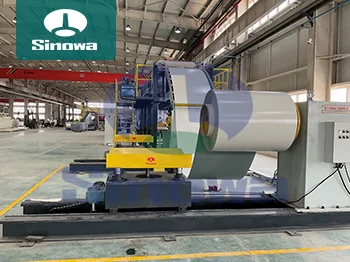
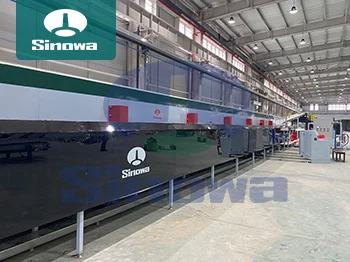
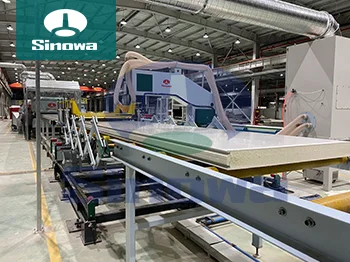
Sinowa is committed to the development and manufacturing of high-end and high-efficiency polyurethane sandwich panel production line. Our polyurethane sandwich panel production line are leading the way in efficiency, automatic control, human-computer interaction, environmental protection and energy consumption. Using system integration and bus control technology, it realizes the automatic integrated linkage control of the entire polyurethane sandwich panel production line, and can achieve remote interactive communication, which has the world-class level and a comprehensive leading high-performance polyurethane sandwich panel production line in the market.
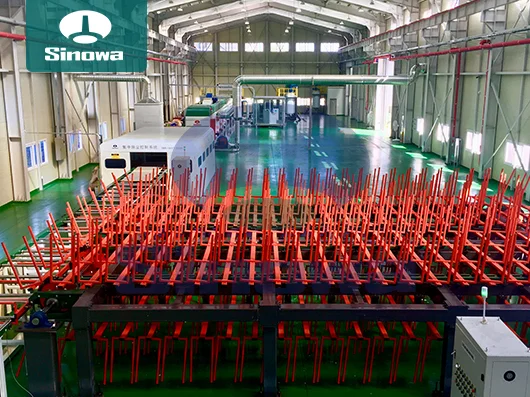
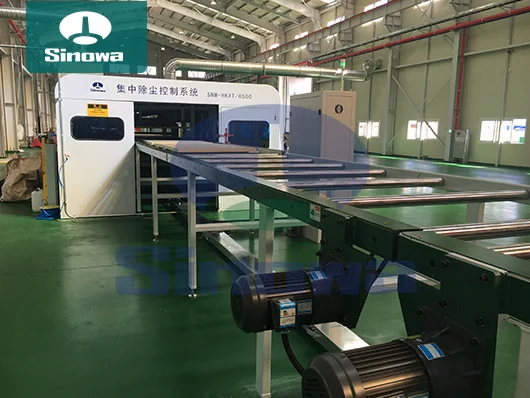
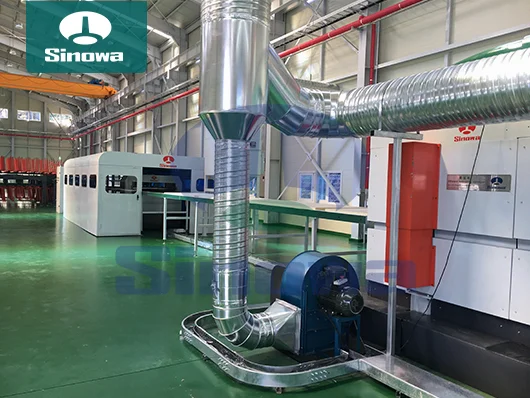
For more than ten years, relying on our innovative manufacturing concept and excellence in quality, reliable and trustworthy service to customers, we cooperate with customers all over the world, exported products to Canada, South Korea, Israel, Australia, the Middle East and other more than 20 countries and regions. contributed to building energy conservation and low-carbon production and have won widespread praise.
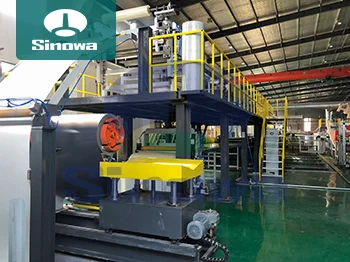
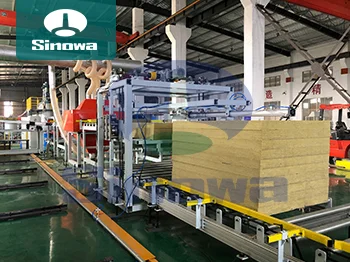
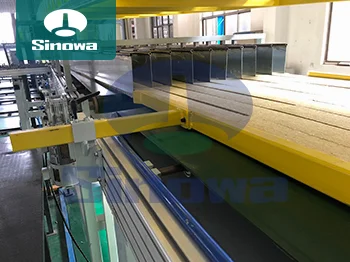
Sinowa has invested outstanding efforts in polyurethane sandwich panel production line, this is why our products are more efficiency, quality, automatic control technology, environmental protection, energy consumption indicators and the appearance and safety protection are comprehensively leading, some subversive design changes in many major technical points, these major innovations make our products excellent in price/performance and user experience.
A polyurethane sandwich panel production line factory is a specialized manufacturing facility dedicated to the continuous and efficient production of polyurethane sandwich panels, a type of composite material widely used in various industries due to its exceptional combination of thermal insulation, structural strength, and lightweight properties. These factories are designed to integrate advanced automation technology, precise material handling, and strict quality control measures to ensure that the produced panels meet the diverse needs of construction, cold chain, industrial, and commercial applications. Unlike traditional manufacturing facilities, a polyurethane sandwich panel production line factory operates with a high degree of integration, where each production link is seamlessly connected to form a continuous assembly line, minimizing manual intervention and maximizing production efficiency and product consistency.
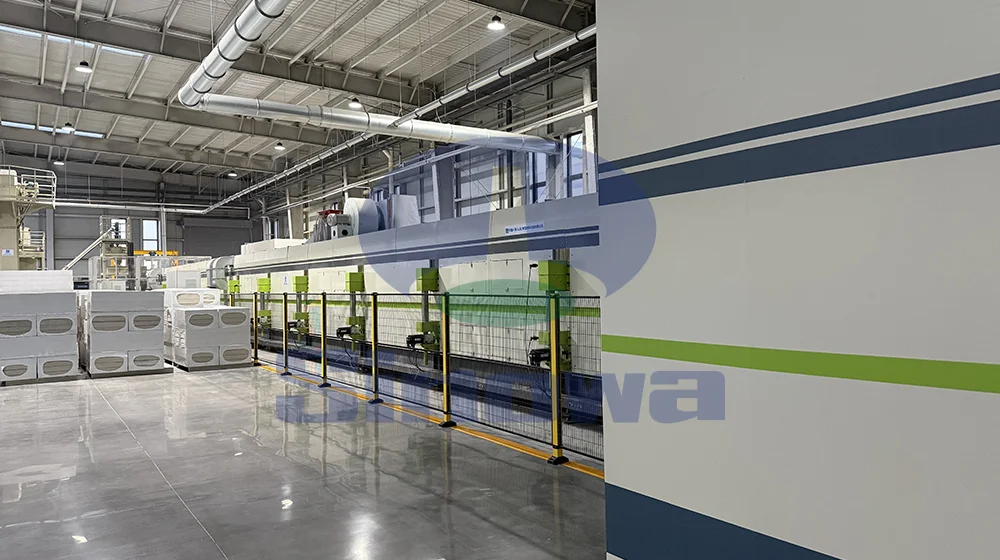
The core of any polyurethane sandwich panel production line factory is the production line itself, which consists of a series of interconnected equipment modules working in tandem to transform raw materials into finished sandwich panels. The production process begins with the preparation and handling of raw materials, which include the outer facing materials, the polyurethane core material, and various auxiliary materials. The outer facing materials typically include metal sheets such as color-coated steel, aluminum, or stainless steel, which are chosen for their durability, corrosion resistance, and aesthetic appeal. These metal sheets are delivered to the factory in coil form, and the first step in the production process involves unwinding these coils and preparing them for further processing. The unwinding system is equipped with tension control devices to ensure that the metal sheets are fed into the production line smoothly without wrinkles or damage, which is crucial for maintaining the structural integrity and appearance of the final panels.
After unwinding, the metal sheets undergo a series of pre-treatment processes to enhance their bonding ability with the polyurethane core. This pre-treatment may include surface cleaning to remove oil stains, oxides, and other contaminants that could affect the adhesion between the facing and the core. Some production lines also incorporate a corona treatment or chemical coating process to further improve the surface energy of the metal sheets, ensuring a strong and durable bond. Additionally, the metal sheets may be preheated to a specific temperature to optimize the foaming and curing process of the polyurethane core, as temperature control plays a critical role in the quality of the final product. The pre-treatment stage is essential for preventing delamination between the facing and the core, which is a common issue in low-quality sandwich panels.
Once the outer facing materials are prepared, the production line moves to the foaming and laminating stage, which is the most critical part of the entire production process. The polyurethane core is formed by mixing two reactive components, isocyanate and polyol, along with various additives such as catalysts, blowing agents, flame retardants, and stabilizers. These raw materials are stored in dedicated tanks within the factory and are delivered to the mixing head of a high-pressure foaming machine through precise metering pumps. The metering pumps ensure that the two components are mixed in the correct ratio, typically with a mixing accuracy of ±1.5%, to ensure the formation of a uniform and high-quality foam core. The additives are carefully dosed to enhance specific properties of the polyurethane core, such as fire resistance, thermal insulation, and moisture resistance.
The mixed polyurethane raw materials are then evenly poured onto the bottom facing material as it moves along the production line. The top facing material is simultaneously fed into the line, and both the top and bottom facings, with the polyurethane foam between them, are conveyed into a double-track laminating machine. The laminating machine is equipped with upper and lower heating pressure plates and circulating steel strips, which form an adjustable height forming channel. Within this channel, the polyurethane foam undergoes a foaming and curing reaction, expanding to fill the entire space between the two facing materials and bonding firmly to both surfaces. The temperature within the laminating machine is precisely controlled through advanced temperature control systems, which ensure that the foaming reaction proceeds under optimal conditions. This controlled environment is essential for achieving a uniform cell structure in the polyurethane core, which directly affects the thermal insulation and structural performance of the sandwich panels. The length of the laminating and curing zone typically ranges from 30 to 50 meters, providing sufficient time for the foam to fully cure and bond with the facing materials.
After the foaming and curing process is complete, the continuous sandwich panel is fed into the post-processing and cutting section. This section includes trimming equipment to remove any excess material from the edges of the panel, ensuring that the panel has a clean and uniform appearance. The panel is then cut into the required length by an automatic tracking cutting machine, which uses servo control to achieve a cutting accuracy of ±1 mm. The cutting machine can be adjusted to produce panels of different lengths according to customer requirements, making the production line highly flexible and adaptable to diverse market needs. Some advanced production lines also incorporate automatic stacking equipment, which uses robotic arms or vacuum suction cups to stack the finished panels neatly, reducing manual labor and minimizing the risk of damage during handling.
In addition to the core production line, a modern polyurethane sandwich panel production line factory is equipped with a range of auxiliary systems to support the production process and ensure operational efficiency. These auxiliary systems include raw material storage and conveying systems, which ensure a continuous supply of raw materials to the production line. The chemical material storage system is designed to store the isocyanate, polyol, and other additives in a safe and controlled environment, with proper ventilation and temperature control to prevent degradation or hazardous reactions. Dust removal and environmental protection equipment are also essential components of the factory, as they help to reduce air pollution and ensure compliance with environmental regulations. The dust generated during the cutting and trimming processes is collected and filtered, while any waste gas from the foaming process is treated to minimize its impact on the environment.
Quality control is a fundamental aspect of operations in a polyurethane sandwich panel production line factory, which runs through the entire production process from raw material inspection to finished product testing. Before entering the production line, all raw materials are inspected to ensure they meet the required specifications. The metal sheets are checked for thickness, surface quality, and corrosion resistance, while the polyurethane raw materials are tested for purity, viscosity, and reactivity. During the production process, various parameters are continuously monitored, including the temperature and pressure in the laminating machine, the mixing ratio of the polyurethane components, and the speed of the production line. These parameters are controlled through a central control system, which uses sensors and automation technology to make real-time adjustments and ensure consistency in product quality.
After production, the finished sandwich panels undergo a series of quality tests to verify their performance. These tests include checking the bond strength between the facing and the core, measuring the thermal conductivity of the panel, testing the fire resistance, and evaluating the mechanical properties such as compressive strength and bending strength. The thermal conductivity of polyurethane sandwich panels is typically as low as 0.022 W/(m·K), making them one of the most effective thermal insulation materials available. The bond strength between the facing and the core is usually over 0.15 MPa, ensuring that the panel remains intact even under harsh conditions. Fire resistance tests are conducted to ensure that the panels meet the required fire safety standards, with many panels achieving a fire rating of B1 (flame-retardant) through the addition of appropriate flame retardants. Any panels that fail to meet the quality standards are rejected and recycled or disposed of in an environmentally friendly manner.
The polyurethane sandwich panels produced in these factories offer a wide range of advantages that make them suitable for numerous applications. Their excellent thermal insulation properties make them ideal for use in cold storage facilities, refrigerated warehouses, and cold chain logistics vehicles, where maintaining a stable temperature is critical. In the construction industry, they are widely used for the walls and roofs of industrial plants, logistics centers, prefabricated houses, and commercial buildings, as they provide effective thermal insulation, reduce energy consumption, and speed up the construction process. Compared to traditional building materials such as concrete or brick, polyurethane sandwich panels are lightweight, which reduces the structural load of the building and lowers construction costs. They also have excellent sound insulation properties, making them suitable for use in noise-sensitive environments such as airports, train stations, and data centers.
Another key advantage of polyurethane sandwich panels is their durability and weather resistance. The metal facings are treated to resist corrosion, UV radiation, and extreme weather conditions, while the closed-cell structure of the polyurethane core provides excellent moisture resistance, with a water absorption rate of less than 1%. This makes the panels suitable for use in high-humidity environments such as coastal areas or basements. With proper maintenance, polyurethane sandwich panels can have a service life of 20 to 30 years, reducing the need for frequent replacement and lowering long-term maintenance costs. Additionally, the panels can be customized in terms of thickness, color, and size, allowing them to meet the specific requirements of different projects.
The operation and maintenance of a polyurethane sandwich panel production line factory require a team of skilled and trained personnel. Operators are responsible for monitoring the production line, adjusting parameters as needed, and ensuring that the equipment operates smoothly. Maintenance personnel are tasked with regular inspection and maintenance of the equipment to prevent breakdowns and extend the service life of the production line. The maintenance of the production line follows the principle of "prevention first, combining maintenance and repair," with regular routine maintenance and periodic comprehensive maintenance. This includes cleaning the equipment, checking and replenishing lubricants, calibrating measurement systems, and replacing worn parts such as cutting blades and mixing heads. Regular maintenance not only ensures the stability and efficiency of the production line but also reduces the risk of unexpected downtime, which can be costly for the factory.
As the demand for energy-efficient and sustainable building materials continues to grow, the polyurethane sandwich panel production line factory is evolving to meet these changing needs. Many factories are adopting more energy-efficient equipment and processes, such as high-efficiency foaming machines and waste heat recovery systems, to reduce energy consumption and carbon emissions. There is also a growing focus on the development of environmentally friendly raw materials, such as water-based polyurethane foams and recycled facing materials, to minimize the environmental impact of production. Additionally, advancements in automation technology are leading to the development of smarter production lines, where artificial intelligence and machine learning are used to optimize production parameters, predict equipment failures, and improve overall efficiency.
The flexibility of the production line is another important feature of modern polyurethane sandwich panel factories. By adjusting the configuration of the equipment and the parameters of the production process, the factory can produce a variety of sandwich panels with different specifications and properties. For example, by changing the type of facing material, the thickness of the core, or the additives used in the polyurethane foam, the factory can produce panels suitable for different applications, such as fire-resistant panels for high-rise buildings, moisture-resistant panels for cold storage, or decorative panels for commercial buildings. This flexibility allows the factory to adapt to changes in market demand and expand its product range, ensuring long-term competitiveness in the industry.
In conclusion, a polyurethane sandwich panel production line factory is a highly specialized and advanced manufacturing facility that plays a crucial role in meeting the demand for high-quality, energy-efficient composite materials. Through the integration of automated equipment, precise quality control, and efficient production processes, these factories produce sandwich panels that offer exceptional thermal insulation, structural strength, and durability. The continuous innovation in production technology and the growing focus on sustainability are driving the development of the industry, making polyurethane sandwich panels an increasingly important material in construction, cold chain, and other sectors. As the industry continues to evolve, these factories will continue to adapt and improve, providing innovative solutions that meet the changing needs of customers and the environment.
« Polyurethane Sandwich Panel Production Line Factory » Update Date: 2026/4/17
- PU Sandwich Panel Machine Manufacturer
- High-end Glass Wool Panel Production Line
- Wall Sandwich Panel Production Line Price
- PU Foam Production Line From China
- PU Board Production Line Price
- Sandwich Panel Making Machine Design
- PUF Panel Machine
- Polyurethane Insulation Panel Production Line For Clean Room
- Fully Automatic PU Sandwich Panel Line Manufacturer
- High-tech PUF Panel Machine
- Sandwich Panel Manufacturing Line Manufacturer
- Low Price Wall Sandwich Panel Production Line
- Roof Sandwich Panel Production Line Manufacturer
- PUR Sandwich Panel Machine Supplier
- Custom Sandwich Wall Panel Production Line
- Sandwich Foam Panel Making Machine On Sales
- PU Sandwich Panel Making Machine On Sales
- Customized PIR Sandwich Panel Line
- High-tech Foam Sandwich Panel Machine
- Custom PU Sandwich Panel Making Machine
- Links:
- Sandwich Panel Continuous Production Line
- Automatic and Continuous Sandwich Panel Production Line
- Cheap and Low Price Sandwich Panel Production Line
- China Sandwich Panel Production Line Factory
- Color Steel Sandwich Panel Production Line For Cold Storage
- Continuous Composite Foam Sandwich Panel Production Line
- Continuous Production Line For Rockwool and Mineral Wool Sandwich Panels
- Continuous PU Phenolic Insulation Panel Production Line
- Continuous PU PIR Sandwich Panel Production Line
- Continuous PUF PUR Sandwich Panel Production Line
- Continuous Sandwich Panel Production Line For Roof and Wall
- Customized and Design Sandwich Panel Production Line
- Decorative Sandwich Panel Production Line For Glass Wool Boards
- High Quality Sandwich Panel Production Line For Sale
- Polyurethane(PU) Sandwich Panel Production Line
- Sandwich Panel Production Line Manufacturer and Supplier