
Polyurethane Sandwich Panel Production Line For Sale
Sinowa is a well-known manufacturer and technical service provider of high-end polyurethane sandwich panel production line, learn more about polyurethane sandwich panel production line for sale, please contact Sinowa's technical engineer, tell us what you need, we will contact you as soon as possible!
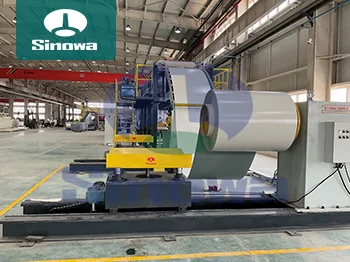
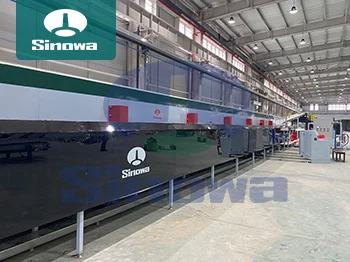
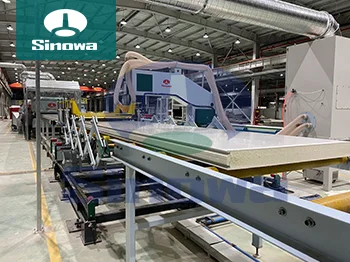
Sinowa is committed to the development and manufacturing of high-end and high-efficiency polyurethane sandwich panel production line. Our polyurethane sandwich panel production line are leading the way in efficiency, automatic control, human-computer interaction, environmental protection and energy consumption. Using system integration and bus control technology, it realizes the automatic integrated linkage control of the entire polyurethane sandwich panel production line, and can achieve remote interactive communication, which has the world-class level and a comprehensive leading high-performance polyurethane sandwich panel production line in the market.
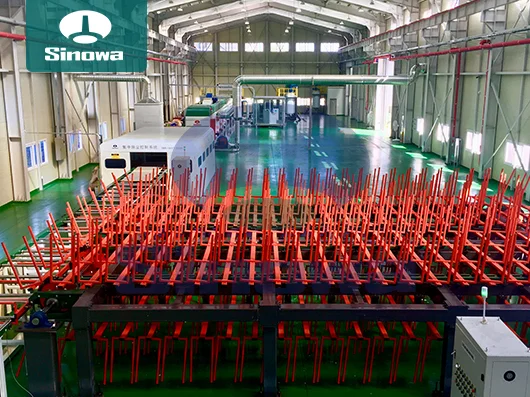
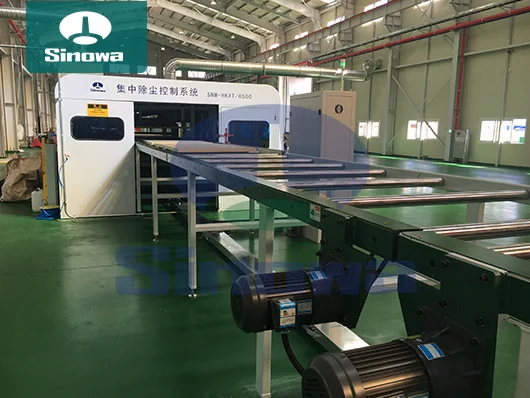
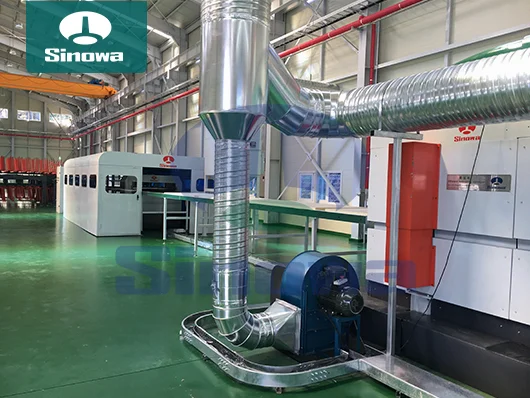
For more than ten years, relying on our innovative manufacturing concept and excellence in quality, reliable and trustworthy service to customers, we cooperate with customers all over the world, exported products to Canada, South Korea, Israel, Australia, the Middle East and other more than 20 countries and regions. contributed to building energy conservation and low-carbon production and have won widespread praise.
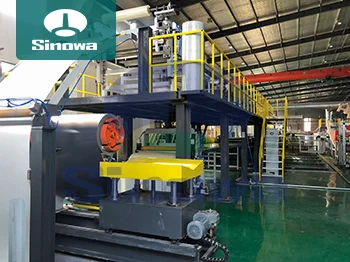
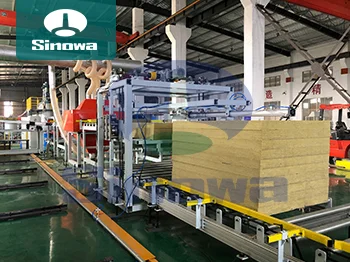
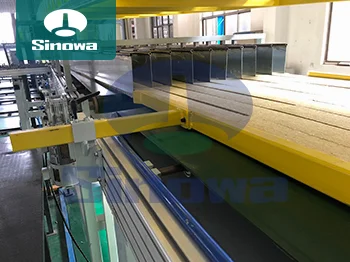
Sinowa has invested outstanding efforts in polyurethane sandwich panel production line, this is why our products are more efficiency, quality, automatic control technology, environmental protection, energy consumption indicators and the appearance and safety protection are comprehensively leading, some subversive design changes in many major technical points, these major innovations make our products excellent in price/performance and user experience.
In the evolving landscape of construction and industrial manufacturing, the demand for efficient, high-quality building materials has never been higher. Polyurethane sandwich panels have emerged as a versatile and indispensable solution, valued for their exceptional thermal insulation, structural strength, and lightweight properties. These panels, composed of two outer facing materials bonded to a polyurethane foam core, are widely used in a diverse range of applications, from industrial warehouses and cold storage facilities to commercial buildings and prefabricated homes. To meet the growing market need for these panels, a well-designed and efficient polyurethane sandwich panel production line is essential, offering businesses the ability to produce consistent, high-performance panels at scale.
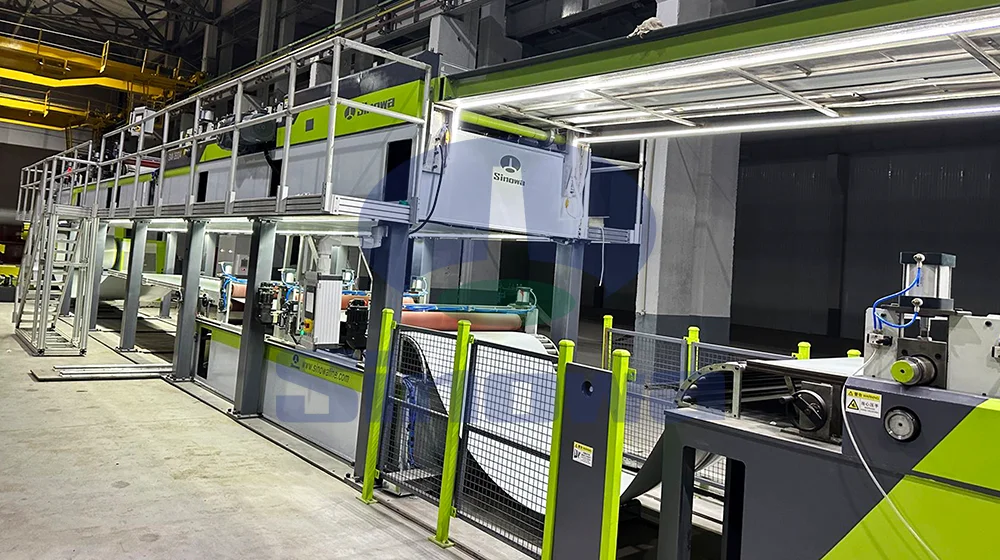
A polyurethane sandwich panel production line is a highly integrated electromechanical system designed for the continuous and automated production of polyurethane sandwich panels. Unlike traditional manual or semi-automatic production methods, these lines streamline the entire manufacturing process, from raw material feeding and processing to final cutting and stacking, ensuring uniform quality and high production efficiency. The core principle behind the production line revolves around the precise mixing and foaming of polyurethane raw materials, which are then bonded to the outer facing materials to form the characteristic "sandwich" structure. This process requires careful control of temperature, pressure, and mixing ratios to ensure the final panels meet the required performance standards, including thermal insulation, structural integrity, and durability.
The working process of a polyurethane sandwich panel production line can be broken down into several key stages, each of which is critical to the quality of the final product. The process begins with the preparation and feeding of the outer facing materials, which typically include metal sheets such as color steel plates, aluminum plates, or stainless steel plates, though non-metallic materials can also be used depending on the application. These facing materials are first unwound from coils using an unwinding system, which is equipped with automatic correction devices to ensure the material is fed evenly and centered, preventing misalignment during subsequent processing. The unwinding system often features a dual-station design, allowing for non-stop roll changing to maximize production efficiency and minimize downtime.
After unwinding, the facing materials undergo a preprocessing stage to enhance their bonding strength with the polyurethane core. This preprocessing may include surface cleaning to remove oil stains, oxides, and other contaminants, which can hinder the adhesion between the facing and the core. Surface cleaning is typically achieved using high-pressure ion air or chemical cleaning methods, ensuring a clean and smooth surface. In some cases, a corona treatment or preheating process may also be applied to further improve the bonding performance. Additionally, the facing materials may be shaped into specific profiles using a forming system, which uses a series of roller wheels to progressive form the metal sheets into the desired shape, such as trapezoidal or corrugated profiles, depending on the intended use of the panels.
The next stage involves the preparation and mixing of the polyurethane raw materials. Polyurethane foam is formed by the reaction of two main components: isocyanates and polyols, along with various additives such as catalysts, blowing agents, flame retardants, and curing agents. These raw materials are stored in dedicated tanks and delivered to a high-pressure foaming machine, which uses precision metering pumps to control the mixing ratio of the components with high accuracy. The metering pumps ensure that the isocyanates and polyols are mixed in the correct proportion, typically with a mixing accuracy of ±1.5%, to ensure the formation of a uniform and stable foam core. The raw materials are then fed into a mixing head, which uses a self-cleaning design to ensure thorough mixing, with a mixing efficiency of over 98%.
Once the polyurethane mixture is prepared, it is evenly poured onto the lower facing material, which is being conveyed through the production line. The upper facing material is then fed onto the top of the polyurethane mixture, and the entire assembly is transported to a double-track laminating machine. This machine features upper and lower heating pressure plates and circulating steel strips, forming an adjustable height forming channel where the polyurethane foam undergoes foaming and curing. The laminating machine maintains a precise temperature environment, controlled by a temperature control system that regulates the temperature of each section to ensure the foaming reaction proceeds under optimal conditions. The foaming and curing process typically takes place at a controlled temperature range, allowing the polyurethane to expand and solidify, forming a dense, closed-cell foam core that bonds tightly to the upper and lower facing materials.
After the foam has fully cured and the panel has formed, the next stage is trimming and cutting. The continuous panel is first trimmed on both sides to ensure uniform width, and then cut into the desired length using an automatic tracking cutting machine, often referred to as a flying saw. The flying saw is controlled by a servo system, ensuring high cutting accuracy of ±1 mm, even at high production speeds. The cutting machine can be adjusted to produce panels of different lengths according to customer requirements, offering flexibility in production. Once cut, the finished panels are transported to an automatic stacking system, which uses robotic arms or vacuum suction cups to stack the panels neatly, ready for packaging and shipment.
A complete polyurethane sandwich panel production line is composed of several core components, each playing a vital role in the overall production process. In addition to the unwinding system, preprocessing unit, forming system, high-pressure foaming machine, laminating machine, and cutting system, the line may also include a range of auxiliary equipment to enhance functionality and efficiency. These auxiliary components can include automatic rock wool cutting and conveying systems for producing composite panels with mixed cores, n-pentane foaming systems for environmentally friendly foam production, cooling equipment to accelerate the curing process, packaging systems to protect the finished panels during transportation, and dust removal and environmental protection equipment to ensure compliance with environmental standards. The configuration of the production line can be customized according to the specific needs of the buyer, allowing for flexibility in production capacity, panel specifications, and additional features.
One of the key advantages of investing in a polyurethane sandwich panel production line is its high level of automation, which significantly improves production efficiency and reduces labor intensity. A standard fully automated production line can produce 150 to 300 square meters of sandwich panels per hour, which is 10 to 15 times higher than manual production methods. This high production capacity allows businesses to meet large orders in a timely manner, improving customer satisfaction and market competitiveness. Additionally, the automation of the production process ensures consistent product quality, as human error is minimized. The precise control of mixing ratios, temperature, and pressure throughout the process ensures that each panel has the same thermal insulation performance, structural strength, and dimensional accuracy, meeting the strict requirements of modern construction and industrial applications.
Another significant advantage of polyurethane sandwich panel production lines is their versatility. These lines can produce a wide range of panel specifications, including different thicknesses, widths, lengths, and facing materials, allowing businesses to cater to a diverse range of customer needs. The panels can be customized to meet specific performance requirements, such as enhanced fire resistance, improved thermal insulation, or increased structural strength, by adjusting the raw material composition and production parameters. For example, adding flame retardants to the polyurethane core can increase the fire rating of the panels, making them suitable for use in high-risk environments such as industrial plants and public buildings. Similarly, using different facing materials, such as stainless steel for corrosive environments or aluminum for lightweight applications, expands the range of potential applications for the panels.
The polyurethane sandwich panels produced by these lines offer exceptional performance characteristics that make them highly sought after in the market. The closed-cell structure of the polyurethane core provides excellent thermal insulation, with a thermal conductivity as low as 0.022 W/(m·K), which is significantly lower than traditional insulation materials such as rock wool and glass wool. This superior thermal insulation performance helps to reduce energy consumption for heating and cooling in buildings, making them more energy-efficient and environmentally friendly. Additionally, the panels are lightweight yet structurally robust, with a high bonding strength between the facing materials and the core, ensuring excellent wind pressure resistance and compressive strength. The panels also have excellent moisture resistance, with a water absorption rate of less than 1%, making them suitable for use in high-humidity environments such as cold storage facilities and coastal areas.
The applications of polyurethane sandwich panels are diverse, covering a wide range of industries and sectors. In the construction industry, they are commonly used for the walls and roofs of industrial plants, logistics warehouses, prefabricated homes, and commercial buildings. Their quick installation and excellent insulation properties make them ideal for large-scale construction projects, where time and energy efficiency are critical. In the cold chain industry, polyurethane sandwich panels are widely used for the construction of cold storage facilities, refrigerated warehouses, and refrigerated trucks, as their superior thermal insulation performance helps to maintain stable low temperatures, ensuring the quality and safety of perishable goods. They are also used in the manufacturing of clean rooms for the electronics and pharmaceutical industries, where their smooth, easy-to-clean surfaces and excellent airtightness help to maintain a sterile environment.
When investing in a polyurethane sandwich panel production line, it is important to consider the maintenance requirements to ensure the long-term reliability and performance of the equipment. Like any complex machinery, regular maintenance is essential to prevent breakdowns, extend the service life of the equipment, and maintain production efficiency. The maintenance of the production line should follow the principle of "prevention first, combined maintenance and repair," with a comprehensive regular maintenance plan developed based on the frequency of use. Key maintenance tasks include cleaning the mixing head and metering pumps to prevent clogging, checking and adjusting the temperature control system to ensure accurate temperature regulation, lubricating moving parts to reduce wear and tear, and inspecting the conveyor systems for alignment and tension.
Seasonal maintenance is also important, as different weather conditions can affect the performance of the equipment. For example, in cold weather, it is important to ensure that the raw material tanks are properly insulated to prevent the materials from freezing, while in hot weather, additional cooling measures may be required to maintain the optimal operating temperature of the equipment. All maintenance tasks should be performed by trained personnel, who should keep detailed records of the maintenance activities, including the date, tasks performed, and any issues identified. Regular inspections should also be conducted to identify potential problems early, allowing for timely repairs and minimizing downtime.
In addition to maintenance considerations, potential buyers should also evaluate the flexibility and scalability of the production line. As market demands change, businesses may need to adjust their production capacity or produce different types of panels. A well-designed production line should be able to accommodate these changes, with modular components that can be easily upgraded or modified. For example, adding additional unwinding stations or upgrading the cutting system can increase production capacity, while changing the forming rollers can allow for the production of different panel profiles. This flexibility ensures that the production line can adapt to evolving market needs, providing long-term value for the investment.
The decision to invest in a polyurethane sandwich panel production line is a significant one, and it is important to carefully evaluate the specific needs of the business, including production capacity requirements, target market, and budget constraints. By choosing a production line that is tailored to these needs, businesses can maximize their production efficiency, produce high-quality panels, and gain a competitive edge in the market. The versatility, efficiency, and performance of polyurethane sandwich panel production lines make them a valuable investment for businesses looking to enter or expand in the building materials industry.
In conclusion, polyurethane sandwich panel production lines are essential equipment for businesses looking to produce high-quality, versatile sandwich panels at scale. These lines offer a high level of automation, ensuring efficient production and consistent product quality, while their versatility allows for customization to meet a wide range of customer needs. The polyurethane sandwich panels produced by these lines offer exceptional thermal insulation, structural strength, and durability, making them suitable for a diverse range of applications in construction, cold chain, and manufacturing industries. With proper maintenance and careful consideration of scalability, a polyurethane sandwich panel production line can provide long-term value and help businesses thrive in the competitive building materials market. Whether for a small-scale operation or a large manufacturing facility, investing in a high-quality production line is a strategic decision that can drive growth and success.
« Polyurethane Sandwich Panel Production Line For Sale » Update Date: 2026/4/17
- Roof Sandwich Panel Production Line Price
- Highly Intelligent PU Sandwich Panel Production Line
- Continuous Sandwich Panel Production Line For Wall
- Sandwich Panel Foam Production Line Supplier
- High-quality PU Sandwich Panel Making Machine
- Cheap Sandwich Foam Panel Making Machine
- PU Board Production Line Factory
- PU Sandwich Panel Line For Clean Room
- PU Insulation Board Production Line For Sale
- Sandwich Panel Production Machinery Factory
- High-quality PUF Panel Machine
- PU Sandwich Panel Production Line For Wall
- Glass Wool Sandwich Panel Production Line In China
- Soundproofing Sandwich Panel Production Line For Sale
- PUF Panel Manufacturing Machine Supplier
- PUR Sandwich Panel Machine From China
- Highly Intelligent Polyurethane Sandwich Panel Production Line
- Low Price Glass Wool Line
- Foam Core Sandwich Panel Line Price
- PIR Insulated Panel Production Line On Sales
- Links:
- Sandwich Panel Continuous Production Line
- Automatic and Continuous Sandwich Panel Production Line
- Cheap and Low Price Sandwich Panel Production Line
- China Sandwich Panel Production Line Factory
- Color Steel Sandwich Panel Production Line For Cold Storage
- Continuous Composite Foam Sandwich Panel Production Line
- Continuous Production Line For Rockwool and Mineral Wool Sandwich Panels
- Continuous PU Phenolic Insulation Panel Production Line
- Continuous PU PIR Sandwich Panel Production Line
- Continuous PUF PUR Sandwich Panel Production Line
- Continuous Sandwich Panel Production Line For Roof and Wall
- Customized and Design Sandwich Panel Production Line
- Decorative Sandwich Panel Production Line For Glass Wool Boards
- High Quality Sandwich Panel Production Line For Sale
- Polyurethane(PU) Sandwich Panel Production Line
- Sandwich Panel Production Line Manufacturer and Supplier