
Sandwich Panel Manufacturing Line Supplier
Sinowa is a well-known manufacturer and technical service provider of high-end sandwich panel manufacturing line, learn more about sandwich panel manufacturing line supplier, please contact Sinowa's technical engineer, tell us what you need, we will contact you as soon as possible!
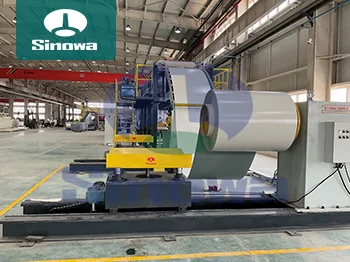
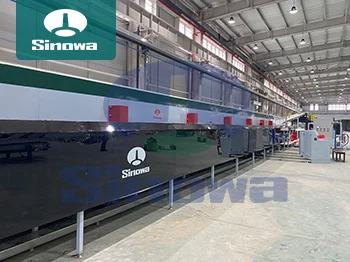
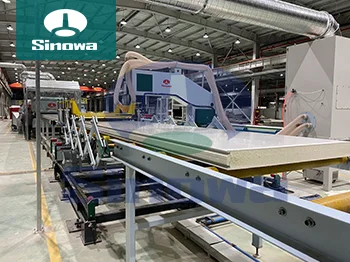
Sinowa is committed to the development and manufacturing of high-end and high-efficiency sandwich panel manufacturing line. Our sandwich panel manufacturing line are leading the way in efficiency, automatic control, human-computer interaction, environmental protection and energy consumption. Using system integration and bus control technology, it realizes the automatic integrated linkage control of the entire sandwich panel manufacturing line, and can achieve remote interactive communication, which has the world-class level and a comprehensive leading high-performance sandwich panel manufacturing line in the market.
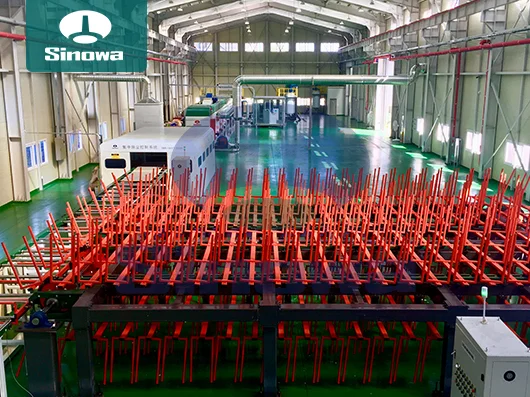
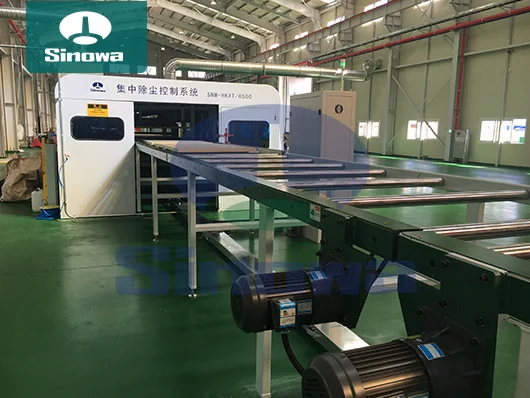
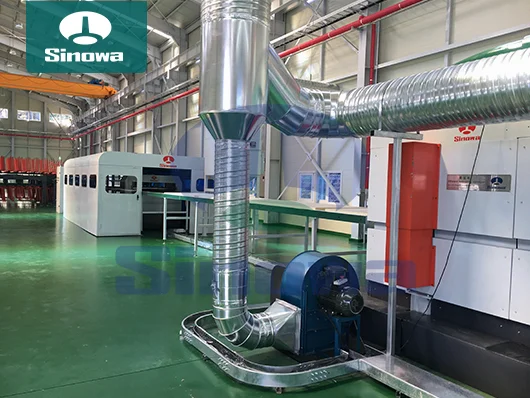
For more than ten years, relying on our innovative manufacturing concept and excellence in quality, reliable and trustworthy service to customers, we cooperate with customers all over the world, exported products to Canada, South Korea, Israel, Australia, the Middle East and other more than 20 countries and regions. contributed to building energy conservation and low-carbon production and have won widespread praise.
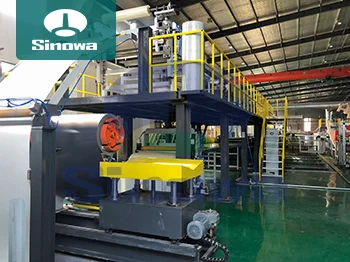
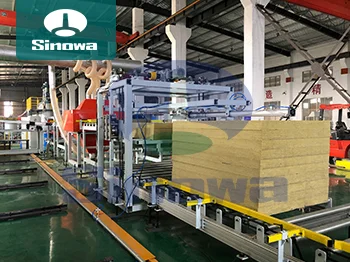
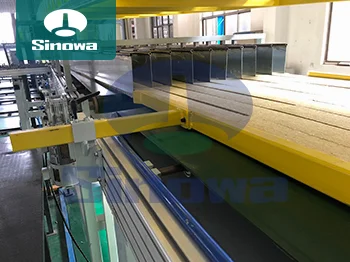
Sinowa has invested outstanding efforts in sandwich panel manufacturing line, this is why our products are more efficiency, quality, automatic control technology, environmental protection, energy consumption indicators and the appearance and safety protection are comprehensively leading, some subversive design changes in many major technical points, these major innovations make our products excellent in price/performance and user experience.
A sandwich panel manufacturing line is a highly integrated and automated industrial system designed to produce high-quality sandwich panels in a continuous, efficient manner. These production lines play a crucial role in modern manufacturing, as sandwich panels have become indispensable materials in various industries due to their excellent combination of lightweight, high strength, thermal insulation, soundproofing, and fire resistance. Unlike traditional manual production methods, modern sandwich panel manufacturing lines leverage advanced technologies to achieve full-process automation, reducing human intervention, improving production efficiency, and ensuring consistent product quality. Whether for large-scale industrial production or customized small-batch manufacturing, these lines can be flexibly adjusted to meet diverse market demands, making them a key asset for enterprises engaged in building materials, cold chain logistics, industrial construction, and other related fields.
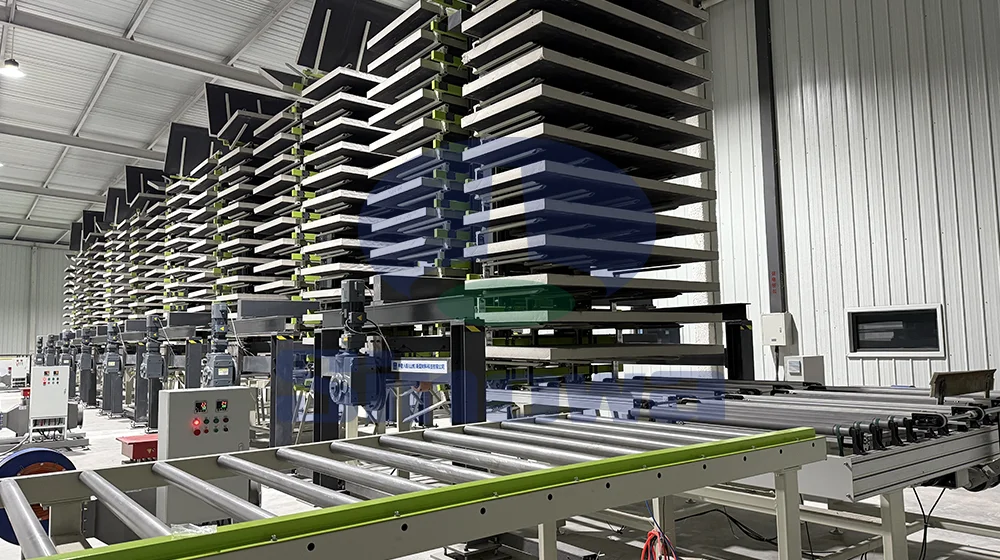
The core structure of a sandwich panel manufacturing line consists of multiple functional modules that work seamlessly together to complete the entire production process from raw material input to finished product stacking. Each module is designed with precision to ensure smooth operation and high-quality output. The automatic feeding system is the starting point of the production line, responsible for delivering raw materials to the subsequent processing links in a stable and continuous manner. This system typically includes an uncoiler for metal coils, a leveling machine to eliminate internal stress in the metal sheets, and a feeding conveyor that transports the materials to the next module. Metal coils used in the production process usually include color steel plates, stainless steel plates, or aluminum plates, which serve as the surface layers of the sandwich panels. The leveling machine ensures that the metal sheets are flat and free of wrinkles, providing an ideal foundation for the subsequent bonding process. Additionally, the feeding system is equipped with tension control devices to maintain consistent speed and tension, preventing material deviation or damage during transportation.
Following the feeding system is the core material processing unit, which is responsible for preparing and dispensing the core material that forms the middle layer of the sandwich panels. The core material is a key factor determining the performance of the sandwich panels, and modern manufacturing lines are designed to be compatible with multiple types of core materials to meet different application requirements. Common core materials include polyurethane (PU), polyisocyanurate (PIR), rock wool, glass wool, and expanded polystyrene (EPS). Each type of core material has its unique characteristics: PU and PIR cores offer excellent thermal insulation and fire resistance, making them suitable for cold storage and high-temperature environments; rock wool and glass wool cores have superior soundproofing and fireproof performance, ideal for industrial plants and residential buildings; EPS cores are lightweight and cost-effective, widely used in general construction projects. The core material processing unit is equipped with precise measuring devices to ensure quantitative dispensing, and some advanced lines also feature on-site foaming technology for PU cores, which allows for real-time foaming and filling, ensuring uniform distribution of the core material without voids. This not only improves the thermal insulation performance of the panels but also enhances their structural stability.
The composite and forming system is the heart of the sandwich panel manufacturing line, where the surface layers and core material are bonded together to form the final sandwich panel. This system includes a gluing machine, a pre-press machine, and a hot press machine. The gluing machine is equipped with a double-sided adhesive coating device that ensures even distribution of the adhesive on the surface of the metal sheets. The type of adhesive used is carefully selected based on the core material and surface material to ensure strong bonding strength and long-term durability. After the adhesive is applied, the metal sheets and core material are fed into the pre-press machine, which preliminarily fixes their positional relationship and removes any air bubbles between the layers. Subsequently, the composite material enters the hot press machine, which uses zone temperature control technology to maintain precise temperature and pressure. The temperature accuracy can reach ±1℃, and the pressure uniformity error is no more than 2%, ensuring that the adhesive is fully cured and the layers are tightly bonded. The hot press machine also allows for adjustment of the panel thickness, with a typical adjustable range of 10mm to 200mm, making it possible to produce panels of different specifications to meet various application needs.
After the forming process, the sandwich panels enter the fixed-length cutting system, which is responsible for cutting the continuous panel into the desired length with high precision. Modern manufacturing lines are equipped with high-precision servo-controlled flying saws or laser cutting devices, which can achieve a cutting accuracy of ±0.5mm. This high precision ensures that the panels have consistent dimensions, facilitating subsequent installation and reducing material waste. The cutting system is also equipped with automatic speed adjustment functions, which can synchronize with the production speed of the line to ensure smooth and efficient cutting without damaging the panel surface. After cutting, the finished panels are transported to the automatic stacking and packaging system, where they are neatly stacked and packaged to prevent damage during storage and transportation. The stacking system uses intelligent positioning technology to ensure that the panels are stacked evenly and stably, while the packaging system can be adjusted according to the panel size and customer requirements, providing reliable protection for the finished products.
One of the key advantages of modern sandwich panel manufacturing lines is their high level of automation and intelligence. The entire production process is controlled by a central integrated control platform, which integrates process parameter linkage, fault self-diagnosis, and remote monitoring functions. Operators can set and adjust production parameters such as temperature, pressure, and speed through a user-friendly interface, and the system will automatically monitor the entire production process in real time. If any abnormal situation occurs, such as material blockage, equipment failure, or parameter deviation, the system will immediately issue an alarm and stop the production line if necessary, preventing further damage and ensuring production safety. Additionally, some advanced lines are equipped with Internet of Things (IoT) technology, allowing operators to monitor the production status and equipment performance remotely, enabling timely maintenance and troubleshooting. This high level of automation not only reduces the labor intensity of operators but also improves production efficiency and product quality stability.
Flexibility and versatility are another important feature of sandwich panel manufacturing lines. Modern lines adopt a modular design, which allows for quick switching between different core materials and panel specifications. For example, a single production line can be adjusted to produce PU, rock wool, or phenolic sandwich panels by changing the core material processing module, and switching between different panel thicknesses and widths only takes 30 minutes or less. This flexibility enables enterprises to respond quickly to changes in market demand, producing a variety of products without the need for large-scale equipment modifications. Additionally, the production lines can be customized according to customer requirements, such as adding optional modules like steel wire mesh welding machines to enhance the bending strength of the panels, or edge sealing devices to improve fire resistance. This customization capability makes the production lines suitable for a wide range of application scenarios, from ordinary construction projects to special environments such as medical cleanrooms, rail transit soundproofing barriers, and cold chain logistics centers.
Energy conservation and environmental protection are also key considerations in the design of modern sandwich panel manufacturing lines. These lines are equipped with high-power, low-energy consumption motors and heat recovery systems, which can reduce energy consumption by up to 40% compared to traditional production lines. The closed-loop foaming technology used in the core material processing unit reduces raw material waste, while the fully enclosed internal insulation design minimizes heat loss during the production process. Additionally, the production lines are designed to reduce noise and dust emissions, complying with environmental protection standards. The materials used in the production process, such as adhesives and core materials, are also environmentally friendly, ensuring that the finished sandwich panels do not release harmful substances, making them suitable for use in residential and public buildings.
The application scope of sandwich panel manufacturing lines is extremely wide, covering various industries such as construction, cold chain logistics, industrial manufacturing, and rail transit. In the construction industry, sandwich panels produced by these lines are widely used as wall, roof, and floor materials for residential buildings, commercial buildings, industrial plants, and modular houses. Their lightweight and high-strength properties reduce the load on the building structure, while their excellent thermal insulation and soundproofing performance improve the comfort of the building. In the cold chain logistics industry, PU and PIR sandwich panels are used as insulation materials for cold storage, refrigerated trucks, and containers, capable of maintaining a constant temperature in environments ranging from -40℃ to 120℃, ensuring the quality and safety of goods. In the industrial manufacturing field, sandwich panels are used as enclosure materials for industrial plants, garages, and mobile homes, as well as insulation panels for various refrigeration and freezing equipment. In rail transit, phenolic foam sandwich panels are used as soundproofing barriers, reducing noise pollution and improving the travel experience.
Proper maintenance and care are essential to ensure the long-term stable operation of a sandwich panel manufacturing line. Daily maintenance includes cleaning the equipment surface and internal components to remove dust,oil stains, and residual materials, which can prevent corrosion and component blockage. Operators should also conduct pre-shift inspections to check the tightness of fasteners, the tension of belts and chains, and the sensitivity of sensors and limit switches. Regular lubrication of transmission components such as gears, bearings, and chains is also necessary to reduce wear and extend the service life of the equipment. The lubricant type should be selected according to the component requirements, and the dosage should be controlled to avoid excessive lubrication, which can attract dust and form sludge. Additionally, operators should establish a maintenance record to track the maintenance time, content, and results, allowing for timely identification of potential problems and optimization of maintenance plans.
Periodic maintenance is also crucial for the performance of the production line. Weekly maintenance focuses on cleaning the transmission components, checking the alignment of pulleys and sprockets, and testing the effectiveness of emergency stop buttons and safety protection devices. Monthly maintenance includes replacing lubricating oil in key parts such as motors and reducers, checking for aging or damaged electrical lines, and calibrating the accuracy of measuring instruments and sensors. Quarterly maintenance involves disassembling easily worn components such as rollers and seals to check for wear, cleaning filters in the hydraulic system and fans, and testing the insulation resistance of motors. Annual maintenance includes a comprehensive disassembly of core components such as the main shaft and transmission box, replacing severely worn parts, and re-calibrating the accuracy of the entire production line. By implementing a systematic maintenance plan, enterprises can reduce the frequency of equipment failures, extend the service life of the production line, and ensure consistent production efficiency and product quality.
In addition to maintenance, operator training is also an important factor in ensuring the efficient operation of the production line. Operators should receive comprehensive training on the structure, working principle, and operation procedures of the production line, as well as common fault handling methods. This training helps reduce operational errors, which can lead to equipment damage and product defects. Enterprises should also establish an operation manual and conduct regular assessments to ensure that operators are proficient in the use of the equipment. Additionally, establishing an emergency response plan for common faults such as motor burnout, belt breakage, and material blockage can help minimize downtime and quickly restore production.
As the demand for energy-efficient and environmentally friendly building materials continues to grow, sandwich panel manufacturing lines are constantly evolving and innovating. New technologies such as artificial intelligence (AI) and machine learning are being integrated into the production process, enabling more precise control of production parameters and predictive maintenance of equipment. For example, AI-powered systems can analyze production data in real time to identify potential equipment failures before they occur, allowing for proactive maintenance and reducing unplanned downtime. Additionally, the development of new materials and processes is expanding the application scope of sandwich panels, driving the continuous upgrading of manufacturing lines. These innovations are helping enterprises improve production efficiency, reduce costs, and gain a competitive advantage in the market.
In conclusion, a sandwich panel manufacturing line is a highly advanced and versatile industrial system that plays a vital role in modern manufacturing. Its high automation, flexibility, and energy-saving features make it suitable for a wide range of application scenarios, while its ability to produce high-quality sandwich panels meets the growing demand for efficient, environmentally friendly, and durable building materials. By understanding the structure, performance, and maintenance requirements of these production lines, enterprises can make informed decisions about equipment selection and operation, maximizing their productivity and profitability. As technology continues to advance, sandwich panel manufacturing lines will continue to evolve, providing more efficient, intelligent, and sustainable solutions for the manufacturing industry.
« Sandwich Panel Manufacturing Line Supplier » Update Date: 2026/4/13
Tags: Continuous Sandwich Panel Manufacturing Line , Sandwich Panel Manufacturing Line , Polyurethane Sandwich Panel Manufacturing Line ,
- Polyurethane Insulation Panel Production Line Price
- Color Steel Sandwich Panel Production Line On Sales
- Glass Wool Panel Production Line Manufacturer
- Roof Sandwich Panel Production Line Design
- PIR Sandwich Panel Line For Building
- Fully Automatic Sandwich Panel Line
- Cheap Continuous Sandwich Panel Line
- Insulated Sandwhich Panel Production Line For Sale
- High Efficiency Glass Wool Equipment
- Customized Polyurethane Sandwich Panel Machine
- PUF Insulation Sandwich Panel Line
- Isolation Sandwich Panel Production Line Factory
- Fully Automatic PU Sandwich Panel Line From China
- Highly Intelligent PU Sandwich Panel Line
- Polyurethane Sandwich Panel Line For Clean Room
- Continuous Sandwich Panel Line Price
- Sandwich Panel Machines Production
- Wall Sandwich Panel Production Line On Sales
- PU Board Production Line From China
- PU Panel Machine Factory
- Links:
- Sandwich Panel Continuous Production Line
- Automatic and Continuous Sandwich Panel Production Line
- Cheap and Low Price Sandwich Panel Production Line
- China Sandwich Panel Production Line Factory
- Color Steel Sandwich Panel Production Line For Cold Storage
- Continuous Composite Foam Sandwich Panel Production Line
- Continuous Production Line For Rockwool and Mineral Wool Sandwich Panels
- Continuous PU Phenolic Insulation Panel Production Line
- Continuous PU PIR Sandwich Panel Production Line
- Continuous PUF PUR Sandwich Panel Production Line
- Continuous Sandwich Panel Production Line For Roof and Wall
- Customized and Design Sandwich Panel Production Line
- Decorative Sandwich Panel Production Line For Glass Wool Boards
- High Quality Sandwich Panel Production Line For Sale
- Polyurethane(PU) Sandwich Panel Production Line
- Sandwich Panel Production Line Manufacturer and Supplier