
Rock Wool Sandwich Panel Machine
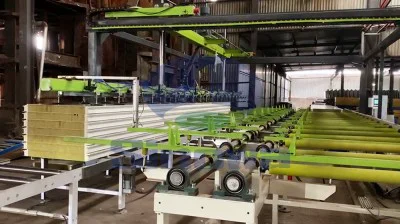
Sinowa is a rock wool sandwich panel machine supplier from china, customized high-quality & high efficiency rock wool sandwich panel machine at low price, the adoption of system integration technology and bus control technology accomplishes the full automatization of integrated and coordinated control of the rock wool sandwich panel machine with accessible remote interactive communication. Ranking the first-class level in the world, it is currently the rock wool sandwich panel machine in the market taking a comprehensive lead in high performance.
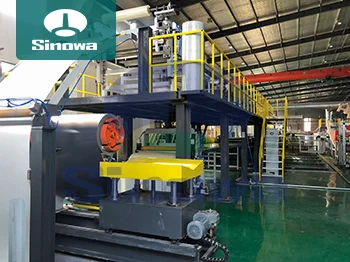
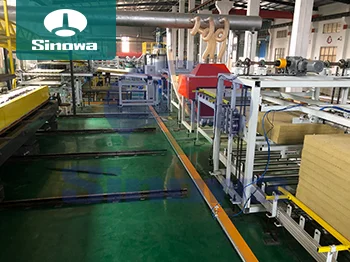
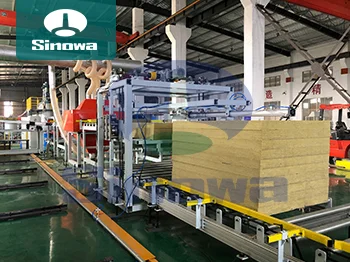
The high-tech rock wool sandwich panel machine can meet a variety of production needs of customers, the whole rock wool sandwich panel machine design concept of modularization enables all our components to be integrated and combined at will. Our high efficiency rock wool sandwich panel machine can easily automate the production of roof sandwich panel, wall sandwich panel, cold storage sandwich panel and other products by different combination and configuration selection and siple switching. The inner core layer can be polyrethane or rock wool, glass wool, an so on. The precision servo hoisting mechanism employed by the main engine without hydraulic system makes the board thickness control flexible and the customer may conveniently change or adjust the board thickness. There will be not such troubles as hydraulic system adjustment, leakage, maintenance, etc.
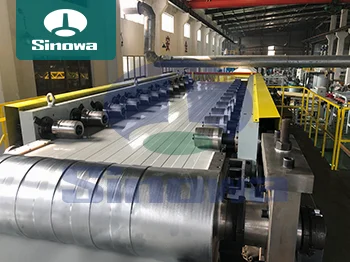
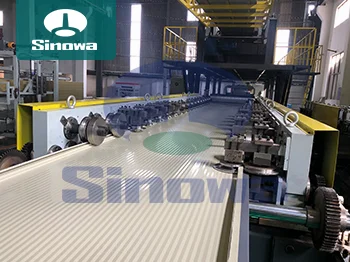
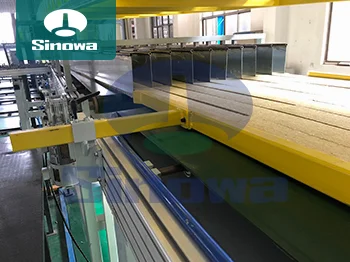
The high precision rock wool sandwich panel machine has high adaptability, which may produce various sandwich panel of the PU, PIR and rock wool systems. We may design various products according to the customer’s requirements, including various configurations, so as to meet their demands with flexible price system. Highly integrated and linked control system centralizes all control points at the main central center, achieving parameter linkage, fault self-diagnosis controlled by the whole line and shipping distance control. High-level automatic control system also saves the manpower and reduces the manpower loss for customers. High-level energy saving and protection design makes the whole rock wool sandwich panel machine possible to produce around the clock throughout the year and the customer will save huge budget. In addition, the isolated heat preservation room is constructed for warming the environment. The energy saving and protection design of our manufacturing line may guarantee that the customer’s production line may be freely heated and produce in the main time to save more costs for customers.
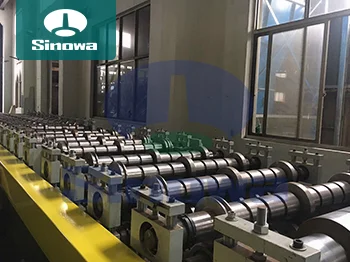
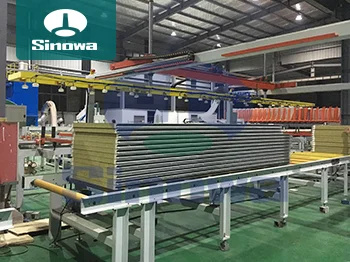
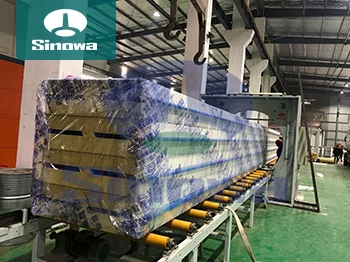
The high-power low-consumption design quickens the reaction of the cheap rock wool sandwich panel machine while energy consumption is kept low. With the brand-new, fully sealed inner insulation design, the energy consumption is controlled at the minimum level to achieve the design objective of less than an hour for the insulation system to be activated from the room temperature above 5℃ to the production process temperature. The energy consumption is only 40% that of those similar products.
In the evolving landscape of modern construction and manufacturing industries, the demand for efficient, high-performance building materials has spurred significant advancements in production machinery. Among these, the rock wool sandwich panel machine stands out as a pivotal piece of equipment, enabling the mass production of composite panels that integrate exceptional thermal insulation, fire resistance, and soundproofing capabilities. As a continuous and automated production system, this machinery has redefined the way rock wool sandwich panels are manufactured, replacing traditional labor-intensive processes with precision-engineered workflows that ensure consistent quality, enhanced efficiency, and reduced operational costs. The machine is a complex assembly of interconnected components, each playing a vital role in the overall production process, working in harmony to transform raw materials into high-quality composite panels that meet the diverse needs of various industries.
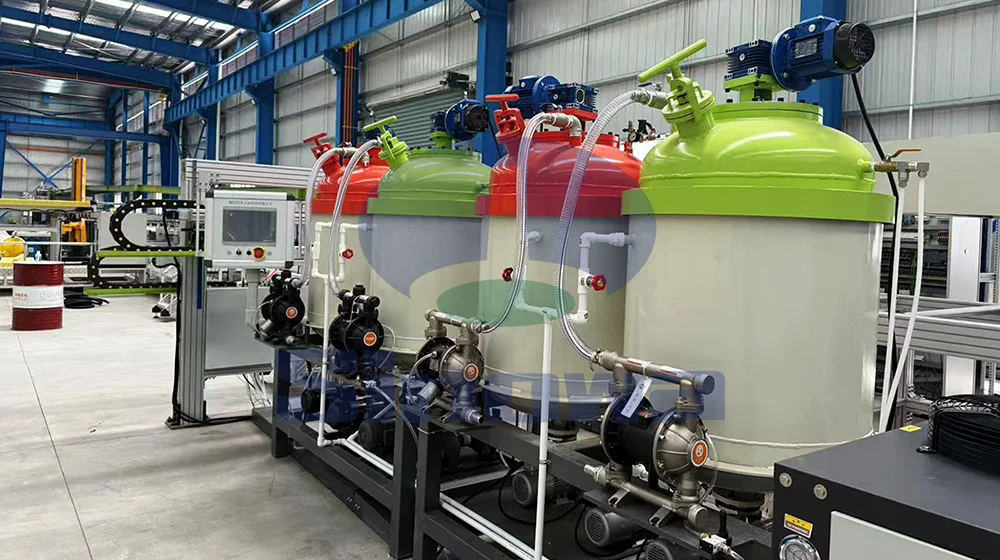
The structure of a rock wool sandwich panel machine is designed to streamline the production of composite panels consisting of a rock wool core—made from basalt and other inorganic materials melted at high temperatures—and outer facings typically composed of color steel sheets, stainless steel sheets, or aluminum sheets. The core components of the machine include the uncoiling system, roll forming machine, gluing system, rock wool processing system, laminating unit, cutting system, stacking system, and control system, each contributing to the seamless execution of the production process. The uncoiling system is responsible for feeding the outer facing materials, usually in the form of coiled metal sheets, into the production line. Equipped with adjustable tension control mechanisms, this system ensures that the metal sheets are unrolled smoothly without wrinkling or deformation, accommodating different coil widths and thicknesses to enhance versatility in panel production. After uncoiling, the metal sheets pass through a leveling device to correct any unevenness, ensuring a flat surface that is crucial for proper bonding with the rock wool core.
The roll forming machine is another essential structural component, shaping the flattened metal sheets into the desired profile. Using a series of synchronized rollers, the machine bends the metal sheets into trapezoidal, corrugated, or flat shapes, depending on the intended application of the final panels. The rollers are typically made of high-grade steel treated with quenching and hard chrome plating to ensure durability and precision, with digital-controlled processing that guarantees consistent profile dimensions. The rock wool processing system is specifically designed to handle the core material, consisting of a lifting device, slitting device, turning device, and dust collection device. The rock wool, initially in the form of large slabs, is lifted and fed into the slitting device, which cuts it into strips of specified thicknesses—ranging from 50 mm to 300 mm depending on the application. The slitting process is characterized by high precision, ensuring uniform strip dimensions that contribute to the structural stability of the final panels. The turning device adjusts the orientation of the rock wool strips to ensure proper alignment with the outer facings, while the dust collection device minimizes dust generation during processing, creating a cleaner and safer working environment.
The gluing system plays a critical role in bonding the rock wool core to the outer metal facings, featuring automatic adhesive dispensers that ensure uniform application of structural adhesives. The adhesive is applied to both the inner surfaces of the metal facings and the top and bottom of the rock wool strips, creating a strong bond that enhances the overall structural integrity of the panels. The laminating unit then brings the three layers—upper metal facing, rock wool core, and lower metal facing—together under controlled pressure and temperature, ensuring full adhesion between the layers. Some advanced machines are equipped with double belt heating systems that provide uniform heat distribution, accelerating the curing process of the adhesive and improving the bonding strength. The cutting system, often featuring a flying saw or synchronous tracking cutting mechanism, trims the continuous panel into specified lengths without stopping the production line, ensuring high efficiency and precision. The cutting process is controlled by a measuring encoder that communicates with the machine’s control system, ensuring that each panel meets the exact length requirements. Finally, the stacking system automatically collects and stacks the finished panels, preparing them for packaging and transportation, while some machines also include a packaging system that wraps the panels in protective film to prevent damage during handling.
The control system serves as the brain of the rock wool sandwich panel machine, integrating advanced PLC (Programmable Logic Controller) technology with a touch screen interface for easy operation. This system coordinates all the machine’s components, ensuring seamless synchronization of each production stage. Operators can set and adjust parameters such as production speed, panel thickness, length, and adhesive application amount through the touch screen, with real-time monitoring of the production process to detect and address any issues promptly. The control system also includes safety interlocks to prevent accidents, such as emergency stop buttons and safety guards that stop the machine if an operator enters a dangerous area. Some advanced systems also feature remote monitoring capabilities, allowing operators to monitor and control the machine from a distance, further enhancing operational convenience and efficiency.
The performance of a rock wool sandwich panel machine is defined by its efficiency, precision, versatility, and reliability—key factors that determine the quality of the finished panels and the overall productivity of the production line. In terms of efficiency, modern machines operate continuously, with production speeds ranging from 0 to 8 meters per minute, depending on the model and panel specifications. This continuous production capability eliminates the need for frequent stops and starts, significantly increasing output compared to traditional manual or semi-automatic processes. Annual production capacity can reach hundreds of thousands of square meters, making the machine suitable for large-scale production needs in industrial and construction projects. Precision is another critical performance characteristic, with the machine capable of producing panels with consistent thickness, length, and profile dimensions. The roll forming rollers, slitting device, and cutting system are all calibrated to high precision, ensuring that each panel meets strict dimensional tolerances. This precision is essential for ensuring that the panels fit together seamlessly during installation, reducing waste and improving construction efficiency.
Versatility is a key performance advantage of rock wool sandwich panel machines, as they can produce a wide range of panel types and specifications to meet diverse application needs. The machines can accommodate different outer facing materials, including color steel, stainless steel, and aluminum sheets, as well as various rock wool core thicknesses and densities. They can also produce panels with different profiles, such as flat, trapezoidal, or corrugated, making them suitable for use in walls, roofs, and other structural components. Some machines are designed to produce both rock wool and other types of sandwich panels, such as EPS or PU foam panels, by adjusting the core material processing system, further enhancing their versatility. Reliability is another important performance factor, with high-quality machines featuring durable components that can withstand long hours of continuous operation. The use of high-grade steel for rollers and shafts, combined with advanced lubrication systems, reduces wear and tear, extending the machine’s service life and minimizing downtime for maintenance. Additionally, the control system’s stability ensures consistent performance, reducing the risk of production errors and material waste.
Rock wool sandwich panel machines can be classified into different types based on their production capacity, automation level, and application focus. One common classification is based on production scale, with small-scale and large-scale machines available. Small-scale machines are typically compact, with a total production line length of around 38-50 meters and a production speed of 3-6 meters per minute. They are suitable for small batches or customized production needs, such as small workshops, residential buildings, or projects with limited space. These machines often require fewer operators and have lower power consumption, making them cost-effective for small businesses. Large-scale machines, on the other hand, are designed for high-volume production, with a total production line length of up to 75 meters or more and a production speed of 6-8 meters per minute. They feature enhanced structural components and a more advanced control system, capable of producing large quantities of panels for industrial plants, logistics warehouses, and large-span buildings. Annual production capacity of large-scale machines can exceed 800,000 square meters, making them ideal for large construction projects and mass production facilities.
Another classification is based on automation level, with semi-automatic and fully automatic machines. Semi-automatic machines require some manual intervention, such as manually feeding the rock wool core or adjusting certain parameters during production. These machines are suitable for businesses with limited budget or smaller production volumes, offering a balance between cost and efficiency. Fully automatic machines, however, require minimal manual operation, with the entire production process—from raw material feeding to finished panel stacking—controlled by the PLC system. These machines feature advanced components such as automatic rock wool feeding systems, robotic stacking arms, and remote monitoring capabilities, significantly reducing labor costs and improving production efficiency. They are ideal for large-scale manufacturing facilities where high productivity and consistent quality are critical.
Machines can also be classified based on the type of panels they produce, such as wall panel machines, roof panel machines, and cleanroom panel machines. Wall panel machines are designed to produce panels with specific properties for wall applications, such as enhanced fire resistance and sound insulation. They often feature edge sealing systems that improve the panel’s waterproof performance and structural stability. Roof panel machines, on the other hand, produce panels with corrugated or trapezoidal profiles that are designed to withstand weather conditions such as rain, snow, and wind. These panels typically have a higher load-bearing capacity to support the weight of the roof structure. Cleanroom panel machines are specialized for producing panels used in cleanroom environments, such as pharmaceutical facilities, food processing plants, and electronics factories. These machines produce panels with smooth surfaces, excellent airtightness, and resistance to corrosion and contamination, meeting the strict hygiene requirements of cleanroom applications.
The application of rock wool sandwich panel machines is closely tied to the applications of the rock wool sandwich panels they produce, which are widely used in various industries due to their excellent performance characteristics. In the construction industry, rock wool sandwich panels are extensively used for exterior and interior walls, roofs, and partitions in industrial plants, warehouses, logistics centers, and residential buildings. The panels’ thermal insulation properties help reduce energy consumption for heating and cooling, making buildings more energy-efficient. Their fire resistance—often reaching fire rating Class A—ensures the safety of buildings and their occupants, making them suitable for use in high-rise buildings and public spaces. The sound insulation properties of the panels also make them ideal for use in residential buildings, hotels, and office buildings, creating a quieter and more comfortable living and working environment.
In the industrial sector, rock wool sandwich panels produced by these machines are used in the construction of industrial workshops, factories, and power plants. The panels’ durability and resistance to high temperatures, corrosion, and moisture make them suitable for harsh industrial environments. They are also used to build cleanrooms in pharmaceutical, biotech, and electronics industries, where strict hygiene and air quality standards are required. The panels’ smooth surfaces and airtightness prevent the accumulation of dust and contaminants, ensuring compliance with industry regulations. In the cold chain and logistics industry, rock wool sandwich panels are used to construct cold storage warehouses, refrigerated trucks, and container buildings. Their excellent thermal insulation properties help maintain stable temperatures inside the storage facilities, preserving the quality of perishable goods such as food, pharmaceuticals, and chemicals.
Rock wool sandwich panel machines also play a crucial role in the prefabricated construction industry, where off-site production of building components is becoming increasingly popular. Prefabricated rock wool sandwich panels can be produced in large quantities using these machines, then transported to the construction site for quick assembly. This reduces on-site construction time, labor costs, and waste, making the construction process more efficient and sustainable. Additionally, the panels can be customized to meet specific design requirements, allowing for greater flexibility in building design. In the renovation and retrofitting of existing buildings, rock wool sandwich panels produced by these machines are used to improve the thermal insulation and fire resistance of old buildings, extending their service life and enhancing their energy efficiency.
Beyond traditional construction and industrial applications, rock wool sandwich panel machines are also used to produce panels for special applications, such as sound barriers along highways and railways, and fire partitions in tunnels. The sound insulation properties of the panels help reduce noise pollution, while their fire resistance ensures the safety of transportation infrastructure. In disaster relief and temporary housing projects, the quick production and easy installation of rock wool sandwich panels make them an ideal choice for constructing temporary shelters, providing a safe and comfortable living environment for those affected by natural disasters.
The widespread use of rock wool sandwich panel machines is driven by the growing demand for energy-efficient, safe, and sustainable building materials. As governments around the world implement stricter energy efficiency and environmental protection regulations, the demand for rock wool sandwich panels—and the machines that produce them—continues to grow. These machines not only improve production efficiency and reduce labor costs but also contribute to the development of green buildings by producing panels that are energy-efficient, fire-resistant, and environmentally friendly. The rock wool core is made from natural inorganic materials, which are non-toxic, non-combustible, and recyclable, making the panels a sustainable choice for modern construction.
In summary, the rock wool sandwich panel machine is a sophisticated and versatile piece of equipment that plays a critical role in the production of high-quality composite panels. Its well-designed structure, consisting of interconnected components such as the uncoiling system, roll forming machine, gluing system, and control system, ensures efficient and precise production. The machine’s performance, characterized by high efficiency, precision, versatility, and reliability, makes it suitable for a wide range of production needs. Classified by production scale, automation level, and application focus, these machines can meet the diverse requirements of different industries. The application of the machines spans across construction, industrial, cold chain, prefabricated construction, and special applications, contributing to the development of energy-efficient, safe, and sustainable buildings. As the demand for high-performance building materials continues to grow, the rock wool sandwich panel machine will remain an essential tool in the manufacturing and construction industries, driving innovation and efficiency in panel production.
« Rock Wool Sandwich Panel Machine » Update Date: 2026/4/13
URL: https://www.sinowamachine.com/tags/rock-wool-sandwich-panel-machine.html
![Rock Wool Sandwich Panel Machine For Sale]()
Rock Wool Sandwich Panel Machine For Sale
2026-08-17The rock wool sandwich panel machine stands as a core integrated manufacturing solution tailored for the mass production of high-performance building insulation composite panels, catering to the booming demand for energy-saving, fire-resistant and soundproof construction materials in modern architect…![Rock Wool Sandwich Panel Machine For Cold Storage]()
Rock Wool Sandwich Panel Machine For Cold Storage
2026-07-10The construction and operational quality of cold storage facilities rely heavily on high-performance thermal insulation enclosure materials, among which rock wool sandwich panels have become one of the most indispensable core components due to their excellent thermal insulation, fire resistance and s…![Rock Wool Sandwich Panel Machine Manufacturer]()
Rock Wool Sandwich Panel Machine Manufacturer
2026-05-08The continuous advancement of modern construction industry has raised higher requirements for building enclosure materials, driving the steady growth of market demand for rock wool sandwich panels. As core production equipment for such functional building materials, rock wool sandwich panel machines …![Fully Automatic Rock Wool Sandwich Panel Machine]()
Fully Automatic Rock Wool Sandwich Panel Machine
2026-04-16In the modern construction and building materials industry, the fully automatic rock wool sandwich panel machine has become an indispensable core equipment, which promotes the efficient and standardized production of rock wool sandwich panels with its high degree of automation, stable operation perfo…
- Links:
- Sandwich Panel Continuous Production Line
- Automatic and Continuous Sandwich Panel Production Line
- Cheap and Low Price Sandwich Panel Production Line
- China Sandwich Panel Production Line Factory
- Color Steel Sandwich Panel Production Line For Cold Storage
- Continuous Composite Foam Sandwich Panel Production Line
- Continuous Production Line For Rockwool and Mineral Wool Sandwich Panels
- Continuous PU Phenolic Insulation Panel Production Line
- Continuous PU PIR Sandwich Panel Production Line
- Continuous PUF PUR Sandwich Panel Production Line
- Continuous Sandwich Panel Production Line For Roof and Wall
- Customized and Design Sandwich Panel Production Line
- Decorative Sandwich Panel Production Line For Glass Wool Boards
- High Quality Sandwich Panel Production Line For Sale
- Polyurethane(PU) Sandwich Panel Production Line
- Sandwich Panel Production Line Manufacturer and Supplier
- Sandwich Panel Production Machinery and Equipment