
Cheap PUR Sandwich Panel Machine
Sinowa is a well-known manufacturer and technical service provider of high-end pur sandwich panel machine, learn more about cheap pur sandwich panel machine, please contact Sinowa's technical engineer, tell us what you need, we will contact you as soon as possible!
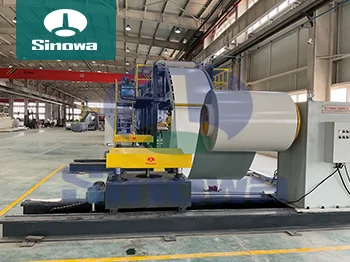
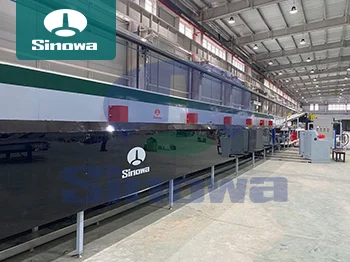
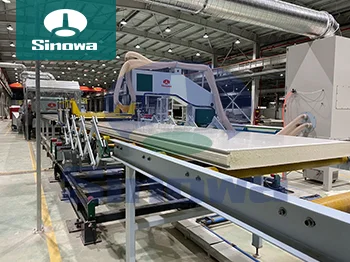
Sinowa is committed to the development and manufacturing of high-end and high-efficiency pur sandwich panel machine. Our pur sandwich panel machine are leading the way in efficiency, automatic control, human-computer interaction, environmental protection and energy consumption. Using system integration and bus control technology, it realizes the automatic integrated linkage control of the entire pur sandwich panel machine, and can achieve remote interactive communication, which has the world-class level and a comprehensive leading high-performance pur sandwich panel machine in the market.
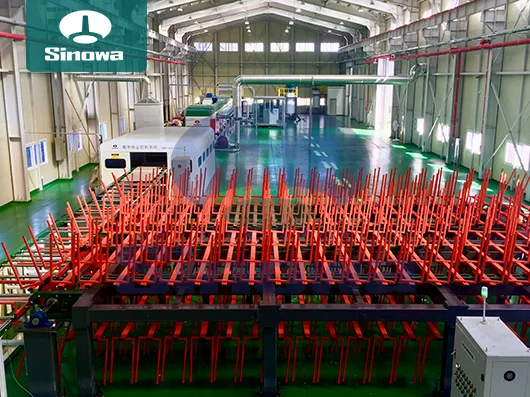
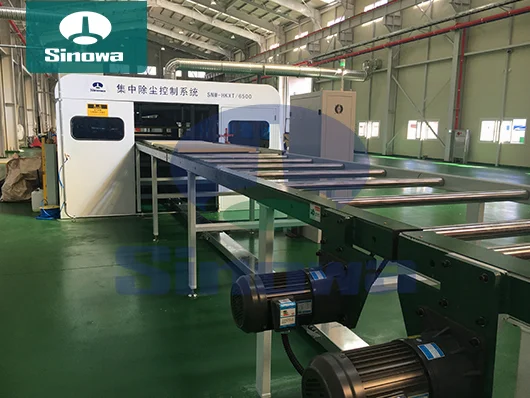
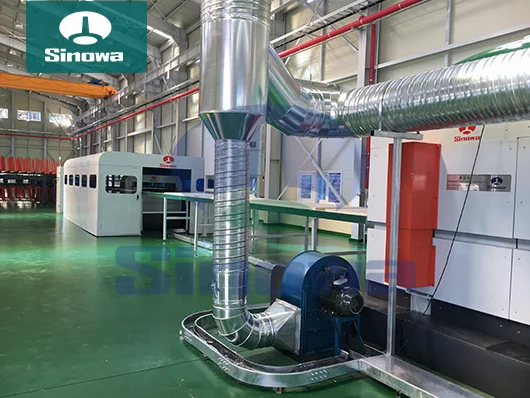
For more than ten years, relying on our innovative manufacturing concept and excellence in quality, reliable and trustworthy service to customers, we cooperate with customers all over the world, exported products to Canada, South Korea, Israel, Australia, the Middle East and other more than 20 countries and regions. contributed to building energy conservation and low-carbon production and have won widespread praise.
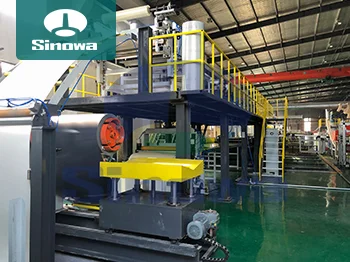
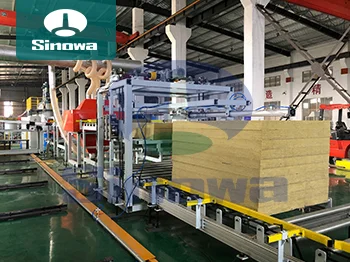
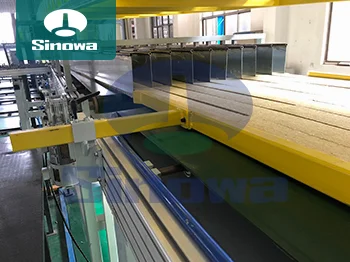
Sinowa has invested outstanding efforts in pur sandwich panel machine, this is why our products are more efficiency, quality, automatic control technology, environmental protection, energy consumption indicators and the appearance and safety protection are comprehensively leading, some subversive design changes in many major technical points, these major innovations make our products excellent in price/performance and user experience.
When looking for a cheap PUR sandwich panel machine, many buyers immediately assume that lower upfront cost automatically means compromised build quality and unreliable performance, but this assumption does not always hold true in the current manufacturing equipment market. A cost-effective PUR sandwich panel machine is designed to handle the continuous lamination process that bonds different surface sheets with a PUR foam core, forming rigid, lightweight panels widely used for enclosure and insulation purposes. The core principle of these affordable units lies in simplified structural design rather than cutting essential functional modules. They retain the core feeding, gluing, pressing, cutting and conveying systems required for steady panel production, while removing some optional automated accessories that serve niche high-volume production scenarios. Operators who run small and medium fabrication workshops often find these machines fit their production scale perfectly, as they do not need the ultra-fast running speed or multi-layer automatic switching functions built into premium models. It is important to understand that the budget-friendly version still requires stable glue supply control for PUR material, since PUR adhesive is sensitive to temperature and mixing ratio. Poor glue metering will lead to weak bonding between the core foam and facing sheets, causing delamination issues that ruin finished panels. Careful inspection of the glue pump structure, mixing head assembly and heating pipeline can help buyers tell apart reasonably priced machines from poorly assembled low-grade equipment that cannot maintain consistent working parameters over long shifts. Many entry-level machines also feature intuitive manual adjustment knobs instead of full touchscreen automation, which lowers manufacturing costs and reduces the complexity of daily maintenance for teams without advanced technical training.
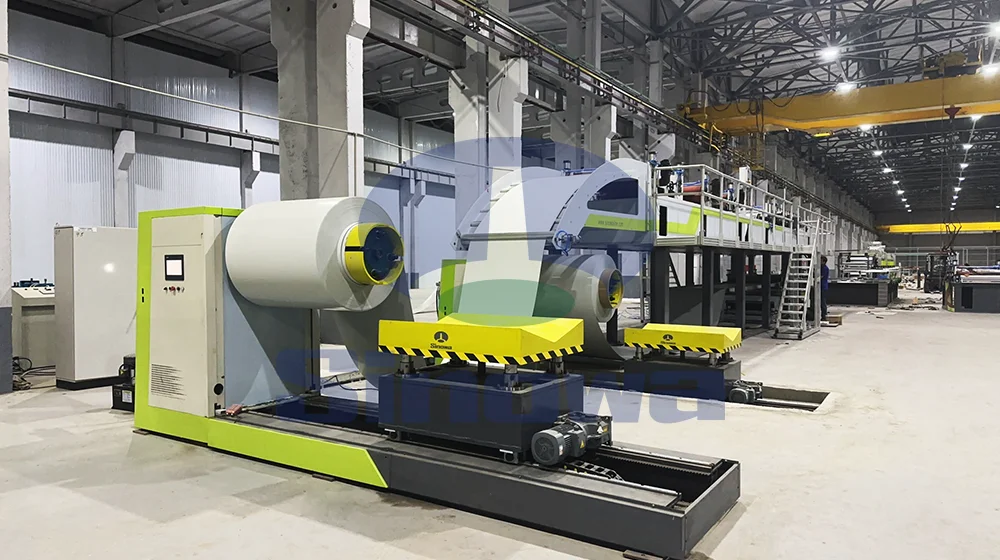
The operation workflow of a cheap PUR sandwich panel machine follows the same basic sequence as higher-priced counterparts, starting from the loading of upper and lower facing materials onto the input conveyor. Rolled metal sheets or flat composite boards move at a controlled speed toward the PUR dispensing station, where two-component adhesive is blended and evenly spread across the inner surface of the face material. The liquid PUR reacts quickly after mixing, expanding slightly to form a closed-cell foam layer once it enters the pressing zone. The pressing section applies uniform pressure to squeeze the combined materials together and maintain the correct panel thickness until the foam completes curing. After pressing, the continuous panel strip travels to the cutting station, where a flying saw cuts the product to preset lengths without fully stopping the production line. Budget models usually have a narrower adjustable speed range, so they are better suited for steady, moderate output rather than frequent switching between different panel thicknesses and material types. Operators need to spend extra time calibrating glue flow and conveyor speed at the start of each production run, because these machines lack the automatic parameter memory systems found on expensive lines. Regular cleaning of the mixing nozzle is also more critical here, as leftover cured PUR can easily block the channel and interrupt production if routine checks are skipped. Even with these minor inconveniences, the straightforward workflow remains easy to master after a short training period, allowing new production lines to begin making saleable panels within a short time after installation.
Material compatibility is a key factor to evaluate when selecting an affordable PUR sandwich panel machine, because different facing materials create different bonding challenges for PUR adhesive. Most standard budget machines work well with common metal facings, cement boards and some lightweight composite sheets, as these surfaces provide enough roughness for the PUR foam to grip firmly. Some cheaper units have limited clamping force on the side guides, which can lead to slight edge misalignment when working with softer, thinner facing materials that bend easily under pressure. Buyers should test sample materials ahead of purchase whenever possible, to confirm that the machine can keep the panel edges straight and avoid uneven glue distribution along the borders. The PUR foam core itself brings unique advantages compared with other foam materials, offering strong adhesion, good thermal insulation and low water absorption, but these benefits only appear when the machine can maintain accurate mixing of the two chemical components. Cheaper metering systems may experience small flow fluctuations if the ambient temperature changes drastically inside the workshop, so users need to arrange basic temperature control around the glue storage area to stabilize working conditions. While these machines may not support highly specialized decorative surface films or ultra-thin custom substrates without modification, they cover the majority of standard panel specifications demanded by local construction and prefabrication markets. Users who only produce conventional insulation panels will rarely feel restricted by the material limits of these economical machines, making them a practical choice for focused product lines.
Maintenance requirements for a cheap PUR sandwich panel machine are generally more hands-on, and proactive upkeep directly decides how long the equipment can deliver stable output. Since manufacturers cut costs mainly by simplifying automatic monitoring parts, there are fewer built-in sensors to alert operators of abnormal pressure, glue blockage or motor overheating. This means workers must carry out scheduled visual checks at fixed intervals during operation, watching for glue leakage, strange vibration from the conveyor frame and irregular noise from the cutting unit. The mixing head is the most vulnerable part on the whole line, and spare mixing components are easy to source at low cost for most budget machine models. Lubrication points on chain drives and bearing sets need regular oil top-ups, and accumulated foam residue on the pressing belt must be scraped away before it hardens and scratches the surface of finished panels. Many owners set up simple maintenance logs to record running hours, cleaning times and part replacements, which helps spot wear patterns early and prevent sudden breakdowns in the middle of an order. Replacement parts for these machines are usually universal rather than custom-made proprietary pieces, which keeps long-term running expenses low and avoids long waiting times for special-order components. With consistent, basic care, a well-chosen economical PUR sandwich panel machine can maintain acceptable production quality for years, though its service life will be shorter than heavily reinforced industrial machines that run nonstop around the clock.
Space and installation requirements make cheap PUR sandwich panel machines attractive for small workshops with limited floor area. Full-size premium production lines stretch over a very long distance to accommodate multiple automatic processing stations, while economical versions condense the main functional sections into a more compact layout. The combined feeding, gluing, pressing and cutting sections fit within a smaller footprint, which saves workshop space and lowers the cost of building a dedicated production hall. Most of these machines do not require complicated foundation pouring work; they can be placed on flat concrete floors and leveled using adjustable support feet. Connection needs are also simple, requiring standard power supply and basic ventilation to remove faint vapor released during PUR foaming. Operators still need to reserve extra space at both ends of the line for raw material stacking and finished panel storage, and leave room to move around the machine during cleaning and troubleshooting. Transportation is easier as well, because the machine can be split into several modular sections for loading onto ordinary transport vehicles, instead of needing special oversized cargo arrangements. Small business owners appreciate this flexibility, as they can start production in an existing warehouse or workshop without undertaking large-scale site renovation. The compact design does impose natural limits on maximum panel width and continuous output volume, but these limits match the order scale of most small panel manufacturers that serve nearby regional customers.
Cost analysis extends far beyond the initial purchase price of a cheap PUR sandwich panel machine, and wise buyers calculate the total operating expense before making a final decision. The low acquisition cost is the most obvious advantage, but ongoing spending covers PUR raw materials, electricity consumption, spare parts and labor. Economical machines tend to consume slightly more glue per square meter of panel in some cases, because the glue distribution system lacks the precision fine-tuning of high-end models, so a small amount of adhesive can be wasted during startup and adjustment phases. Their electric motors also operate at moderate efficiency levels, which creates a small gap in power use compared with energy-optimized industrial lines. On the positive side, labor costs stay lower because the machine does not need highly skilled technicians to manage complex automated programs. Training ordinary factory staff to operate and maintain the line takes minimal time, and hiring requirements become less strict for the production team. Waste rates can climb if operators lack experience, but consistent process tuning will bring reject rates down to a manageable level after a short run-in period. When total long-term expenditure is added together, the economical machine remains a financially viable option for businesses with moderate and stable order volumes. It is not suitable for factories that plan to run continuous high-speed production every day, where frequent downtime and higher material waste would erase the benefit of the low purchase price.
Production quality control with a cheap PUR sandwich panel machine relies heavily on manual sampling and regular testing, as automatic online inspection systems are usually omitted to reduce cost. Operators cut sample pieces from the finished panels at set time intervals to check bonding strength, foam uniformity, panel thickness and surface flatness. If samples show weak bonding or uneven foam density, workers adjust the glue ratio, conveyor speed or pressing pressure immediately. Small deviations in panel dimension are more common on budget machines, so a final sorting step is necessary to separate out products that fall outside the acceptable tolerance range. Most buyers in the prefabricated building sector can accept minor dimensional variations as long as the core insulation performance and structural integrity remain intact. Clear communication with customers about the achievable tolerance range helps prevent disputes after delivery. Operators can improve final results by keeping the workshop temperature steady, avoiding cold drafts that interfere with PUR curing speed, and keeping raw facing materials stored indoors to prevent surface moisture. Moisture on the material surface severely damages PUR bonding effect, and this risk is harder to compensate for on simpler machines that have no preheating station for incoming sheets. By establishing simple, repeatable quality check routines, workshops can produce reliable panels that satisfy most conventional construction projects and maintain steady customer trust over time.
Future upgrade potential is a feature that many buyers overlook when shopping for a cheap PUR sandwich panel machine, yet it shapes how the equipment adapts as a business grows. Most budget models are built with standard connection interfaces, allowing users to add separate auxiliary devices later when orders expand. It is possible to attach an automatic material unwinder, a dust removal unit for facing sheets or an improved glue heating system as revenue increases, without replacing the whole main machine. Some users later add a simple stacking machine at the output end to reduce manual handling of heavy panels, which speeds up packing and reduces the risk of surface scratches. However, major upgrades such as full automatic thickness feedback, multi-channel glue distribution and high-speed flying cutting cannot be retrofitted, because the basic frame and drive structure are not engineered for those heavy-duty functions. This means the machine works best as a starting asset for growing businesses, capable of supporting early development until sales volume justifies investing in a fully automated large-scale line. Even after a new high-end machine joins the workshop, the economical PUR sandwich panel machine can keep running for small batch orders and custom short-run panel jobs, extending its useful life. For new entrepreneurs entering the sandwich panel industry, this kind of machine offers a low-risk entry point. It lets operators learn the whole PUR panel production process, understand material characteristics and build client relationships before committing capital to larger, more expensive production infrastructure.
« Cheap PUR Sandwich Panel Machine » Update Date: 2026/10/26
Tags: PUR Sandwich Panel Machine , pur sandwich panel machine, pur sandwich panel machine manufacturer, pur sandwich panel machine supplier, pur sandwich panel machine for sale, customized pur sandwich panel machine, china pur sandwich panel machine
- PU Board Production Line From China
- PU Panel Machine Factory
- Sandwich Foam Panel Making Machine For Sale
- PUF Panel Machine Supplier
- Width PUR Panel Machines
- Polyurethane Sandwich Panel Line For Wall
- High-end Glass Wool Sandwich Panel Line
- Glass Wool Sandwich Panel Line From China
- PU Foam Production Line Design
- Low Price Sandwich Panel Production Machinery
- High-tech PUR Sandwich Panel Machine
- Polyurethane Insulation Panel Production Line For Construction
- Fully Automatic PU Sandwich Panel Machine Design
- PUF Panel Machine On Sales
- PIR Sandwich Panel Line Design
- Polyurethane Sandwich Panel Manufacturing Line For Construction
- High-end PU Sandwich Panel Making Machine
- Automatic Sandwich Panel Production Line Manufacturer
- PUR Sandwich Panel Machine For Sale
- Custom Soundproofing Sandwich Panel Production Line
- Links:
- Sandwich Panel Continuous Production Line
- Automatic and Continuous Sandwich Panel Production Line
- Cheap and Low Price Sandwich Panel Production Line
- China Sandwich Panel Production Line Factory
- Color Steel Sandwich Panel Production Line For Cold Storage
- Continuous Composite Foam Sandwich Panel Production Line
- Continuous Production Line For Rockwool and Mineral Wool Sandwich Panels
- Continuous PU Phenolic Insulation Panel Production Line
- Continuous PU PIR Sandwich Panel Production Line
- Continuous PUF PUR Sandwich Panel Production Line
- Continuous Sandwich Panel Production Line For Roof and Wall
- Customized and Design Sandwich Panel Production Line
- Decorative Sandwich Panel Production Line For Glass Wool Boards
- High Quality Sandwich Panel Production Line For Sale
- Polyurethane(PU) Sandwich Panel Production Line
- Sandwich Panel Production Line Manufacturer and Supplier
- Sandwich Panel Production Machinery and Equipment