
High-end PU Sandwich Panel Making Machine
Sinowa is a well-known manufacturer and technical service provider of high-end pu sandwich panel making machine, learn more about high-end pu sandwich panel making machine, please contact Sinowa's technical engineer, tell us what you need, we will contact you as soon as possible!
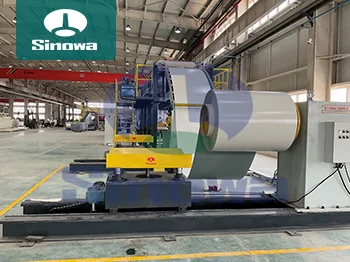
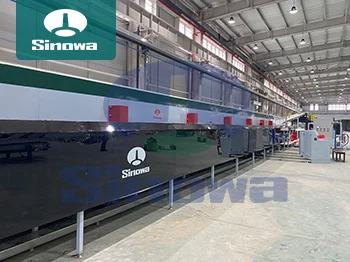
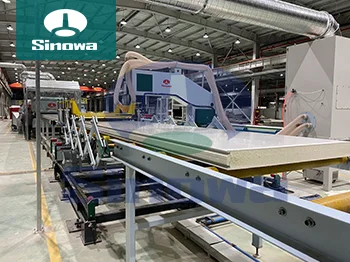
Sinowa is committed to the development and manufacturing of high-end and high-efficiency pu sandwich panel making machine. Our pu sandwich panel making machine are leading the way in efficiency, automatic control, human-computer interaction, environmental protection and energy consumption. Using system integration and bus control technology, it realizes the automatic integrated linkage control of the entire pu sandwich panel making machine, and can achieve remote interactive communication, which has the world-class level and a comprehensive leading high-performance pu sandwich panel making machine in the market.
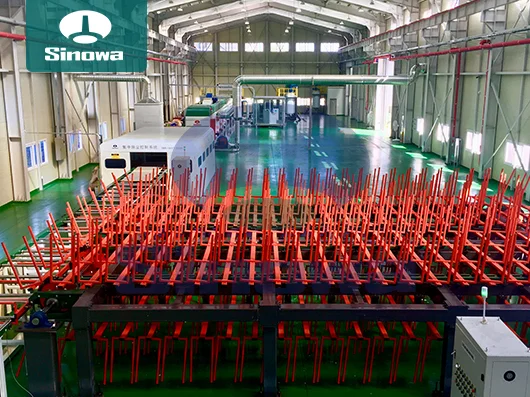
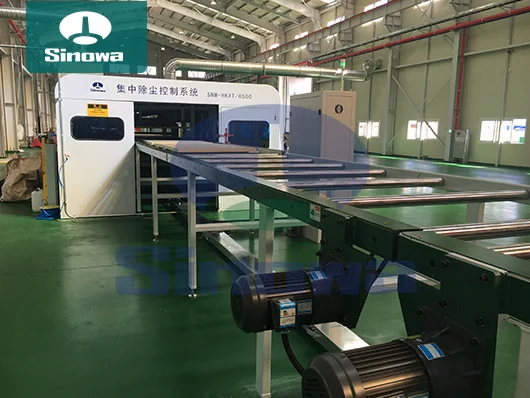
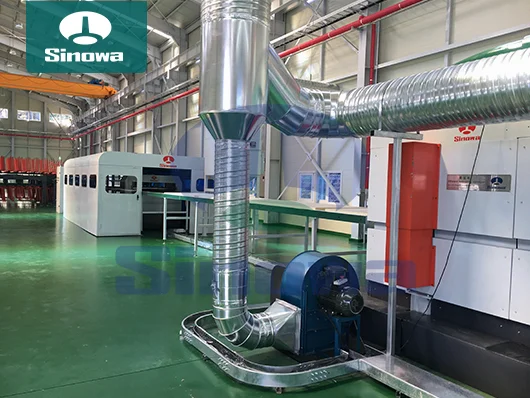
For more than ten years, relying on our innovative manufacturing concept and excellence in quality, reliable and trustworthy service to customers, we cooperate with customers all over the world, exported products to Canada, South Korea, Israel, Australia, the Middle East and other more than 20 countries and regions. contributed to building energy conservation and low-carbon production and have won widespread praise.
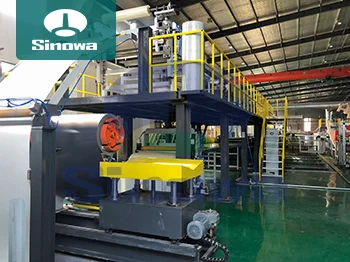
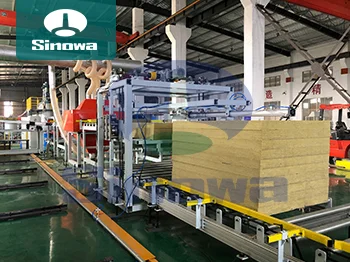
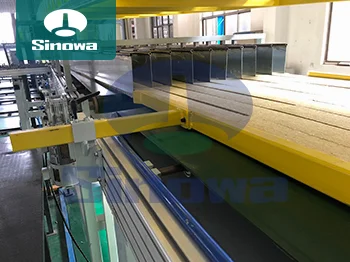
Sinowa has invested outstanding efforts in pu sandwich panel making machine, this is why our products are more efficiency, quality, automatic control technology, environmental protection, energy consumption indicators and the appearance and safety protection are comprehensively leading, some subversive design changes in many major technical points, these major innovations make our products excellent in price/performance and user experience.
In the evolving landscape of modern construction and industrial manufacturing, the demand for efficient, high-performance building materials has driven significant advancements in production technology. Among these innovations, the high-end PU sandwich panel making machine stands out as a cornerstone of contemporary composite material production, enabling the mass manufacturing of polyurethane (PU) sandwich panels renowned for their exceptional thermal insulation, structural integrity, and versatility. These machines represent the convergence of precision engineering, automated control systems, and material science, addressing the growing need for sustainable, cost-effective, and durable building solutions across diverse industries. From industrial warehouses and cold storage facilities to commercial complexes and modular housing, the panels produced by these advanced machines have become indispensable, and the technology behind the machines continues to evolve to meet increasingly stringent performance and efficiency standards.
The core functionality of a high-end PU sandwich panel making machine revolves around the seamless integration of three key components: the outer facings, the PU core, and the bonding system that fuses them into a unified composite structure. Unlike conventional manufacturing equipment, high-end models are designed to achieve a high degree of automation and precision, minimizing human intervention and ensuring consistent product quality. The outer facings, typically made of galvanized steel, galvalume, aluminum, or other high-performance materials, undergo a series of preprocessing steps within the machine to ensure optimal adhesion and structural performance. These steps include uncoiling, leveling, and optionally profiling to create corrugated or trapezoidal patterns that enhance the panel's rigidity and load-bearing capacity. The machine's ability to handle a wide range of facing materials and thicknesses—from 0.4mm to 0.7mm for metal sheets—makes it highly adaptable to different application requirements, allowing manufacturers to produce panels tailored for specific uses such as roofing, wall cladding, or cold storage insulation.
A defining feature of high-end PU sandwich panel making machines is their advanced foam mixing and dispensing system, which is critical to producing a high-quality PU core. The PU core is formed by the chemical reaction of two main components: isocyanate and polyol. High-end machines utilize precision metering pumps to deliver these components in exact proportions, ensuring a consistent foam density and thermal conductivity. The mixing process occurs in a high-pressure mixing head, which ensures thorough homogenization of the components before they are dispensed onto the lower facing material. This precise control over the mixing ratio and dispensing process is essential for achieving the desired core properties, such as a density range of 38-42 kg/m³ and a thermal conductivity as low as 0.022-0.028 W/m·K, which are key indicators of the panel's insulation performance. Additionally, advanced machines may incorporate environmentally friendly foaming agents, such as cyclopentane, which reduce the environmental impact compared to traditional foaming agents while maintaining the core's insulating properties.
Modular design is another hallmark of high-end PU sandwich panel making machines, offering unparalleled flexibility and ease of maintenance. These machines are constructed from standardized modules that can be easily configured or reconfigured to produce different types of panels, including PU, PIR (polyisocyanurate), and rock wool sandwich panels. This modular approach allows manufacturers to switch between product types with minimal downtime, simply by adjusting the machine's settings and replacing specific modules. For example, a single machine can be adapted to produce roofing panels with a corrugated facing and thick PU core, or wall panels with a flat facing and fire-resistant PIR core. The modular components are designed for easy assembly and disassembly, using bolted connections instead of welding, which simplifies maintenance and reduces repair time. This design also facilitates the replacement of worn parts, ensuring that the machine can maintain high production efficiency over its lifespan.
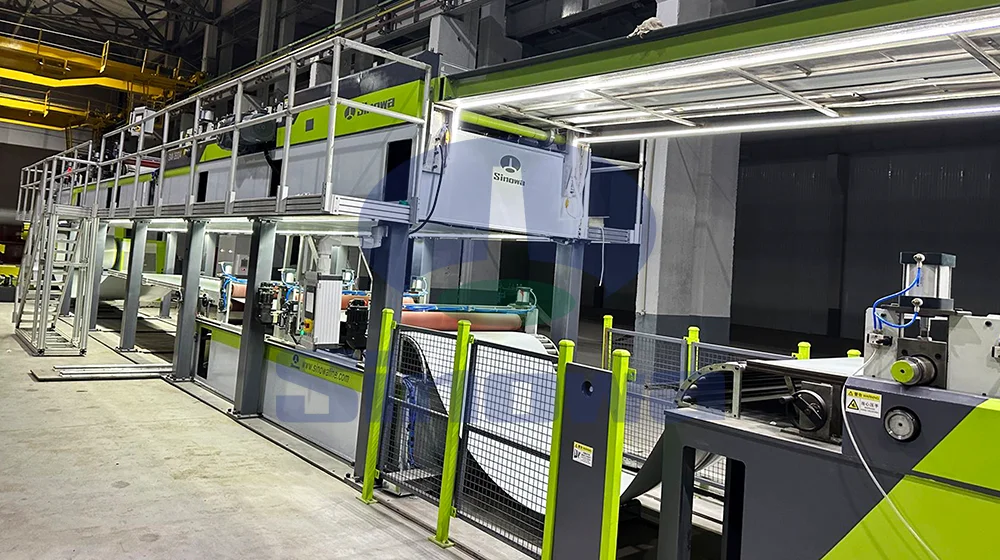
The automation and control systems of high-end PU sandwich panel making machines represent the pinnacle of technological integration, enabling real-time monitoring and precise adjustment of production parameters. These systems centralize all control functions in a main control center, allowing operators to oversee the entire production process from a single interface. Advanced sensors are strategically placed throughout the machine to monitor key parameters such as temperature, pressure, foam density, and panel thickness. This real-time data is fed back to the control system, which automatically adjusts the relevant settings to maintain optimal production conditions. For example, if the sensor detects a deviation in foam density, the system will adjust the metering pumps to correct the mixing ratio. Similarly, the machine's servo-driven lifting mechanism allows for precise control of panel thickness, enabling manufacturers to produce panels with thicknesses ranging from 20mm to 150mm or more, as required by different applications. Many high-end machines also offer remote control capabilities, allowing operators to monitor and adjust production processes from off-site locations, further enhancing operational flexibility.
Energy efficiency is a key consideration in the design of high-end PU sandwich panel making machines, reflecting the industry's growing focus on sustainability. These machines incorporate a range of energy-saving features to minimize power consumption while maintaining high production efficiency. One such feature is the use of high-efficiency motors, which reduce energy consumption by up to 50% compared to conventional motors. The machine's lamination and conveying systems are also designed with energy efficiency in mind, utilizing insulation materials to reduce heat loss and optimize the heating process. For example, the body of the lamination conveyor is often covered with insulation panels to maintain the required process temperature with minimal energy input. Additionally, advanced heating systems are designed to reach the required process temperature in less than an hour when the ambient temperature is above 5℃, reducing energy waste during startup. These energy-saving measures not only lower operational costs for manufacturers but also reduce the machine's carbon footprint, aligning with global sustainability goals.
The production process of PU sandwich panels using a high-end making machine is a continuous, streamlined operation that ensures consistent quality and high efficiency. The process begins with the preparation of raw materials, where the outer facing materials are uncoiled and fed into the machine. The facing materials undergo leveling to remove any wrinkles or defects, ensuring a smooth surface for bonding. If profiling is required, the facing materials are passed through a series of rollers to create the desired pattern. Next, the lower facing material is preheated to the optimal temperature for foam adhesion, and the foam mixture is dispensed evenly onto its surface. The upper facing material is then fed onto the foam layer, and the composite structure is passed through a continuous lamination press. The press applies the precise pressure and temperature required to ensure proper bonding between the facings and the foam core, allowing the foam to cure and expand to fill the entire space between the facings. After lamination, the panel is cooled in a cooling zone to set its shape, before being cut to the desired length by an automatic tracking saw. Finally, the panels undergo edge trimming and quality inspection before being packaged and prepared for shipment.
The versatility of high-end PU sandwich panel making machines is reflected in the wide range of applications for the panels they produce. PU sandwich panels are widely used in industrial construction, where their lightweight nature and high insulation performance make them ideal for warehouse and factory walls and roofing. In cold storage and refrigeration facilities, the exceptional thermal insulation properties of PU panels help maintain stable internal temperatures, reducing energy consumption for cooling systems. Commercial buildings, such as shopping centers, airports, and sports stadiums, also benefit from the quick installation and aesthetic versatility of PU sandwich panels, which can be customized with different colors and finishes to match architectural designs. Additionally, these panels are increasingly used in modular and prefabricated housing, where their prefabricated nature enables rapid on-site assembly, reducing construction time and costs. Beyond construction, PU sandwich panels produced by these machines are also used in specialized applications such as ship interior walls, highway sound barriers, and subway ventilation systems, demonstrating the machine's broad industrial impact.
Quality control is an integral part of the production process enabled by high-end PU sandwich panel making machines, ensuring that the final products meet the required performance standards. The machine's automated control system continuously monitors key quality parameters, such as panel thickness, flatness, and bonding strength, throughout the production process. Samples are periodically taken for laboratory testing to verify foam density, thermal conductivity, and fire resistance properties. The machine's precision cutting and trimming systems ensure that the panels have consistent dimensions and clean edges, reducing waste and ensuring easy installation. Additionally, the modular design and precise manufacturing of the machine's components minimize variations in production, ensuring that each panel meets the same high quality standards. This rigorous quality control process is essential for maintaining the reliability and performance of PU sandwich panels in critical applications such as cold storage and high-rise buildings.
Looking ahead, the development of high-end PU sandwich panel making machines is likely to be driven by several key trends, including increased automation, improved environmental performance, and enhanced customization capabilities. Advances in artificial intelligence and machine learning are expected to further improve the machine's control systems, enabling predictive maintenance and self-optimization of production processes. This will help manufacturers reduce downtime and improve overall production efficiency. Additionally, there will be a growing focus on developing machines that use more environmentally friendly materials and processes, such as bio-based PU foams and low-VOC (volatile organic compound) adhesives, to meet increasingly strict environmental regulations. The demand for customized panels is also expected to grow, driving the development of machines with greater flexibility to produce panels of varying sizes, shapes, and performance characteristics. Finally, the integration of digital technologies, such as digital twins, will enable manufacturers to simulate and optimize production processes before they are implemented, further improving efficiency and reducing waste.
In conclusion, high-end PU sandwich panel making machines play a vital role in the modern construction and manufacturing industries, enabling the production of high-performance, versatile, and sustainable composite panels. Their advanced technical features, including modular design, precision control systems, energy efficiency, and high automation, make them indispensable tools for manufacturers seeking to meet the growing demand for high-quality building materials. As the industry continues to evolve, these machines will undoubtedly undergo further innovations, driven by the need for greater efficiency, environmental sustainability, and customization. Whether used in industrial warehouses, commercial buildings, or specialized applications, high-end PU sandwich panel making machines will remain a key enabler of progress in the construction sector, contributing to the development of more efficient, durable, and sustainable built environments.
« High-end PU Sandwich Panel Making Machine » Update Date: 2026/1/12
Tags: PU Sandwich Panel Making Machine ,
- High-quality PU Isolation Panel Production Line
- Fully Automatic Sandwich Panel Making Machine On Sales
- High-quality PUR Sandwich Panel Production Line
- Glass Wool Sandwich Panel Line For Construction
- Polyurethane Sandwich Panel Machinery Design
- Continuous Sandwich Panel Production Line Factory
- Custom Sandwich Panel Making Equipment
- High-tech PIR Sandwich Panel Machine
- Polyurethane Insulation Panel Production Line For Building
- High Efficiency Foam Sandwich Panel Production Line
- Continuous Sandwich Panel Manufacturing Line Factory
- High Efficiency Polyurethane Sandwich Panel Machine
- High-tech Sandwich Panel Integrated Production Line
- Fully Automatic Rock Wool Sandwich Panel Production Line Factory
- Polyurethane Insulation Panel Production Line For Sale
- Composite Sandwich Panel Production Line For Sale
- PU Sandwich Panel Production Line In China
- Sandwich Roof Panel Production Line For Sale
- Sandwich Panel Making Machine Supplier
- Low Price Continuous Sandwich Panel Manufacturing Line
- Links:
- Sandwich Panel Continuous Production Line
- Automatic and Continuous Sandwich Panel Production Line
- Cheap and Low Price Sandwich Panel Production Line
- China Sandwich Panel Production Line Factory
- Color Steel Sandwich Panel Production Line For Cold Storage
- Continuous Composite Foam Sandwich Panel Production Line
- Continuous Production Line For Rockwool and Mineral Wool Sandwich Panels
- Continuous PU Phenolic Insulation Panel Production Line
- Continuous PU PIR Sandwich Panel Production Line
- Continuous PUF PUR Sandwich Panel Production Line
- Continuous Sandwich Panel Production Line For Roof and Wall
- Customized and Design Sandwich Panel Production Line
- Decorative Sandwich Panel Production Line For Glass Wool Boards
- High Quality Sandwich Panel Production Line For Sale
- Polyurethane(PU) Sandwich Panel Production Line
- Sandwich Panel Production Line Manufacturer and Supplier