
PU Sandwich Panel Making Machine
Sinowa is a pu sandwich panel making machine supplier from china, customized high-quality & high efficiency pu sandwich panel making machine at low price, the adoption of system integration technology and bus control technology accomplishes the full automatization of integrated and coordinated control of the pu sandwich panel making machine with accessible remote interactive communication. Ranking the first-class level in the world, it is currently the pu sandwich panel making machine in the market taking a comprehensive lead in high performance.
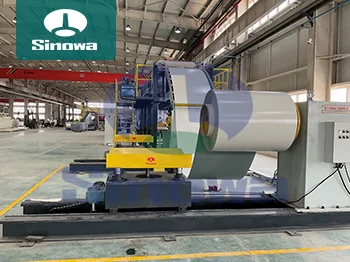
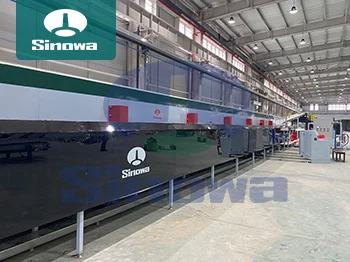
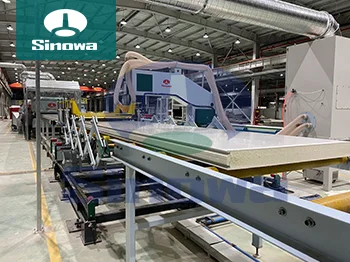
The high-tech pu sandwich panel making machine can meet a variety of production needs of customers, the whole pu sandwich panel making machine design concept of modularization enables all our components to be integrated and combined at will. Our high efficiency pu sandwich panel making machine can easily automate the production of roof sandwich panel, wall sandwich panel, cold storage sandwich panel and other products by different combination and configuration selection and siple switching. The inner core layer can be polyrethane or rock wool, glass wool, an so on.


The high precision pu sandwich panel making machine has high adaptability, which may produce various sandwich panel of the PU, PIR and rock wool systems. We may design various products according to the customer’s requirements, including various configurations, so as to meet their demands with flexible price system. Highly integrated and linked control system centralizes all control points at the main central center, achieving parameter linkage, fault self-diagnosis controlled by the whole line and shipping distance control. High-level automatic control system also saves the manpower and reduces the manpower loss for customers.


The precision servo hoisting mechanism employed by the main engine without hydraulic system makes the board thickness control flexible and the customer may conveniently change or adjust the board thickness. There will be not such troubles as hydraulic system adjustment, leakage, maintenance, etc.


High-level energy saving and protection design makes the whole pu sandwich panel making machine possible to produce around the clock throughout the year and the customer will save huge budget. In addition, the isolated heat preservation room is constructed for warming the environment. The energy saving and protection design of our manufacturing line may guarantee that the customer’s production line may be freely heated and produce in the main time to save more costs for customers.


The high-power low-consumption design quickens the reaction of the cheap pu sandwich panel making machine while energy consumption is kept low. With the brand-new, fully sealed inner insulation design, the energy consumption is controlled at the minimum level to achieve the design objective of less than an hour for the insulation system to be activated from the room temperature above 5℃ to the production process temperature. The energy consumption is only 40% that of those similar products.
Polyurethane (PU) sandwich panel making machines are sophisticated pieces of equipment designed for the mass production of composite panels consisting of a PU foam core bonded between two facing materials, typically metal sheets such as steel or aluminum. These machines integrate multiple mechanical, electrical, and chemical processes to ensure the consistent production of high-quality panels that offer excellent thermal insulation, structural strength, and durability. As the demand for energy-efficient and versatile building materials grows across various industries, the role of PU sandwich panel making machines becomes increasingly pivotal, driving innovations in their design, performance, and application scope. Understanding the intricate structure, core performance attributes, diverse types, and wide-ranging applications of these machines is essential for manufacturers, construction professionals, and industry stakeholders seeking to leverage their capabilities effectively.
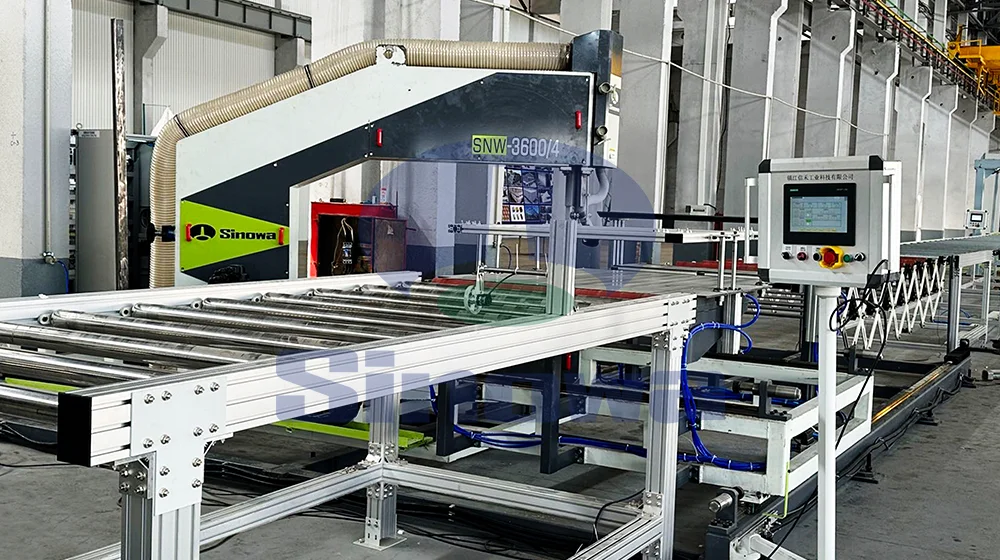
The structure of a PU sandwich panel making machine is a modular assembly of interconnected systems, each responsible for a specific stage of the production process. At the heart of the machine lies the uncoiling system, which feeds the facing materials into the production line. This system typically consists of two independent uncoilers, one for each facing sheet, equipped with tension control mechanisms to ensure the smooth and consistent unwinding of metal coils. Tension control is critical here, as uneven tension can lead to warping or misalignment of the facing sheets, compromising the final panel’s quality. Following the uncoilers, the facing materials pass through a series of preparation units, including leveling machines and embossing devices. Leveling machines correct any deformities or irregularities in the metal sheets, ensuring they are flat and uniform before entering the forming stage. Embossing devices, optional in some configurations, create decorative or textured patterns on the surface of the facing sheets, enhancing their aesthetic appeal and grip for subsequent processing.
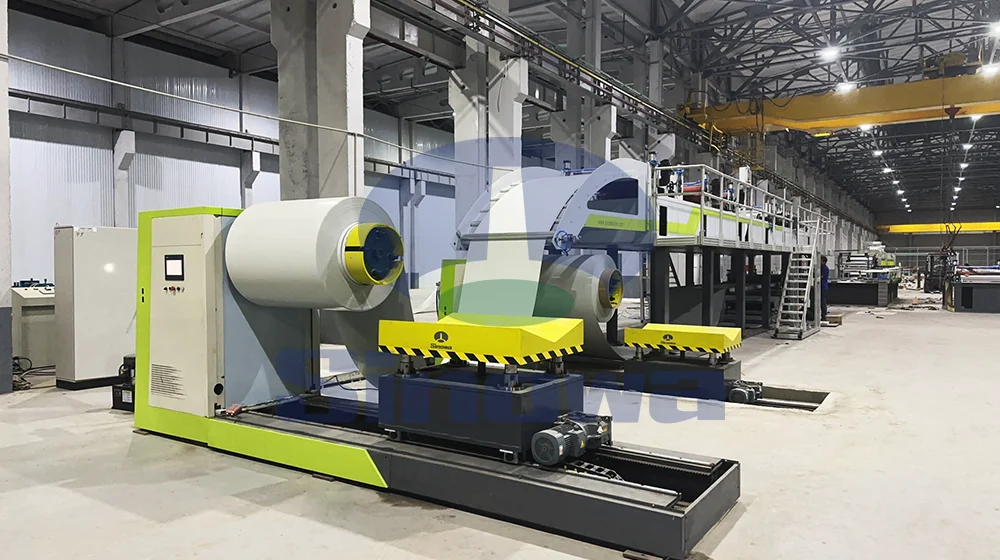
After preparation, the facing sheets move into the roll forming system, a key component that shapes the metal sheets into the desired profile. This system comprises a sequence of tandem rolling stands, each equipped with precision-engineered rollers that gradually bend the metal sheets into the required shape—such as corrugated, trapezoidal, or flat profiles—without compromising their structural integrity. The rollers are made from high-strength materials to withstand the pressure exerted during forming and are often coated to prevent scratching or damaging the facing sheets. The roll forming process is highly customizable, allowing for adjustments to produce panels of varying widths, heights, and profile designs to meet specific application needs. Once the facing sheets are formed, they proceed to the preheating unit, which raises their temperature to an optimal level for bonding with the PU foam core. Preheating ensures that the foam adheres firmly to the facing materials, enhancing the overall bond strength and durability of the sandwich panel.
Parallel to the processing of the facing sheets, the PU foam mixing and injection system prepares and dispenses the foam core material. This system includes storage tanks for the raw materials—polyol and isocyanate—along with metering pumps, mixers, and injection nozzles. The metering pumps deliver precise ratios of the two components to the mixer, where they are combined and reacted to form liquid PU foam. The accuracy of the metering system is crucial, as any deviation in the ratio can affect the foam’s density, thermal insulation properties, and curing time. The mixer utilizes high-speed agitation to ensure thorough blending of the components, creating a homogeneous foam mixture that expands rapidly upon injection. The injection nozzles, strategically positioned between the two formed facing sheets, dispense the foam mixture evenly across the entire width of the sheets, ensuring a consistent core thickness throughout the panel.
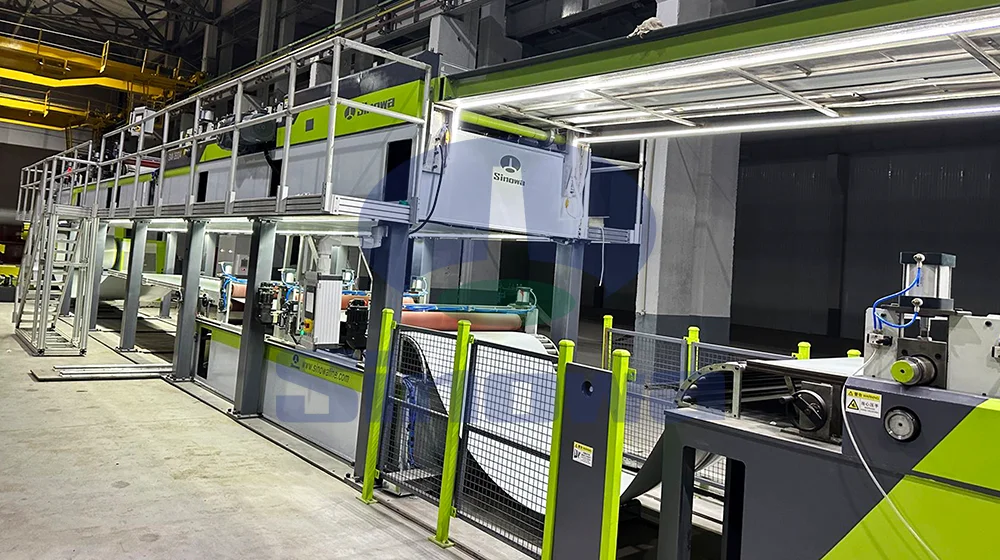
The laminating and curing system is responsible for bonding the facing sheets and foam core together and ensuring the foam cures properly. This system typically features a double-belt conveyor, which sandwiches the panel assembly between two continuous belts made from heat-resistant materials. The belts apply uniform pressure to the panel, ensuring the foam fills all gaps and adheres tightly to the facing sheets. Simultaneously, a heating system—often utilizing hot air circulation—maintains a controlled temperature environment to facilitate the curing of the PU foam. The curing process transforms the liquid foam into a solid, rigid core with excellent thermal and mechanical properties. The length of the conveyor and the temperature settings are calibrated to allow sufficient time for the foam to cure completely before the panel reaches the cutting system. The cutting system, equipped with high-precision saws or blades, trims the continuous panel into individual pieces of the desired length. Advanced cutting systems feature automated length measurement and positioning, ensuring accuracy and minimizing material waste. Finally, the finished panels are transferred to a stacking and packaging system, which arranges the panels neatly and applies protective wrapping to prevent damage during storage and transportation.
Complementing the mechanical components are the control and electrical systems, which oversee and regulate the entire production process. These systems typically utilize programmable logic controllers (PLCs) to automate operations, ensuring consistency and efficiency. The PLCs integrate with sensors positioned throughout the production line to monitor key parameters such as temperature, pressure, speed, and material thickness. Operators interact with the machine via a human-machine interface (HMI), which displays real-time production data and allows for adjustments to settings as needed. Safety features are also integrated into the control system, including emergency stop buttons, safety guards, and alarm systems that alert operators to potential issues such as material jams, temperature fluctuations, or pressure deviations. These safety mechanisms are essential to protect personnel and prevent damage to the machine.
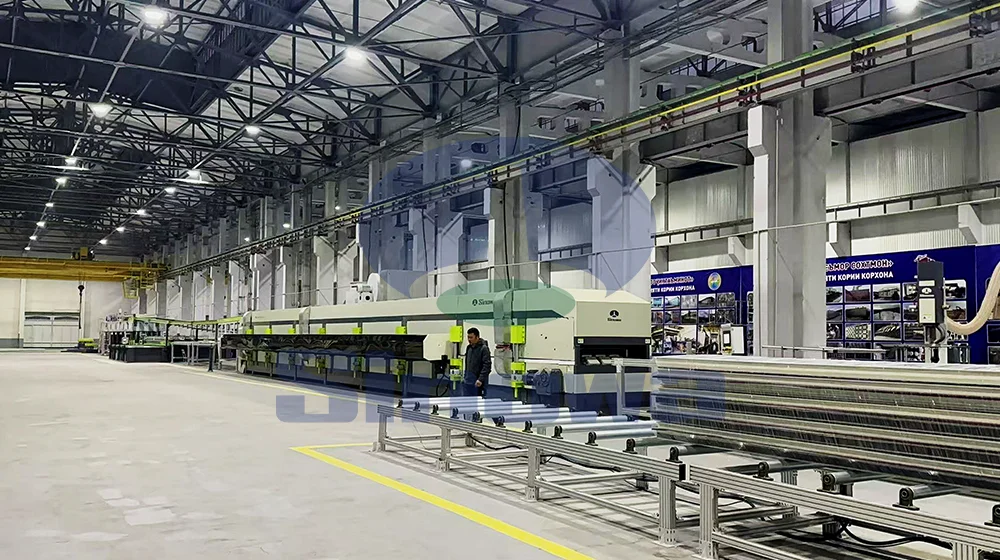
The performance of a PU sandwich panel making machine is evaluated based on a set of key attributes that directly impact production efficiency, panel quality, and operational reliability. Production speed is a primary performance metric, measured in meters per minute, and varies depending on the machine’s design and configuration. Continuous production lines typically offer higher speeds, allowing for large-volume output, while discontinuous or modular machines may operate at lower speeds but offer greater flexibility. The ability to maintain consistent production speed without compromising quality is a hallmark of high-performance machines, as it ensures predictable output and reduces production bottlenecks.
Precision and consistency are critical performance factors, as they determine the uniformity of the finished panels. High-performance machines maintain tight tolerances for panel thickness, width, length, and foam density, ensuring that each panel meets the required specifications. This precision is achieved through advanced control systems, high-quality components, and rigorous calibration. For example, the metering system must deliver the exact ratio of polyol and isocyanate to ensure consistent foam density, while the roll forming system must maintain precise dimensions to avoid variations in panel profile. Inconsistencies in these areas can lead to panels with subpar insulation properties, structural weaknesses, or aesthetic flaws, reducing their usability and value.
Energy efficiency is another important performance attribute, as PU sandwich panel production involves heating, mixing, and conveying processes that consume significant energy. Modern machines are designed with energy-saving features such as efficient heating systems, variable frequency drives (VFDs) for motors, and heat recovery mechanisms. VFDs adjust motor speed based on production demand, reducing energy consumption during periods of lower output, while heat recovery systems capture and reuse heat generated during the curing process. These features not only lower operational costs but also reduce the machine’s environmental footprint, aligning with sustainability goals.
Flexibility and customization capabilities are increasingly valued performance traits, as manufacturers often need to produce panels of varying sizes, profiles, and core materials to meet diverse customer needs. High-performance machines can accommodate a wide range of facing material thicknesses, widths, and types—including steel, aluminum, and even non-metallic materials such as fiberglass. They also allow for adjustments to foam density, core thickness, and panel length, enabling the production of panels tailored to specific applications, from thin, lightweight panels for interior partitioning to thick, high-insulation panels for cold storage facilities. The ability to quickly switch between different panel configurations without lengthy downtime is a key advantage, as it enhances production versatility and responsiveness to market demands.
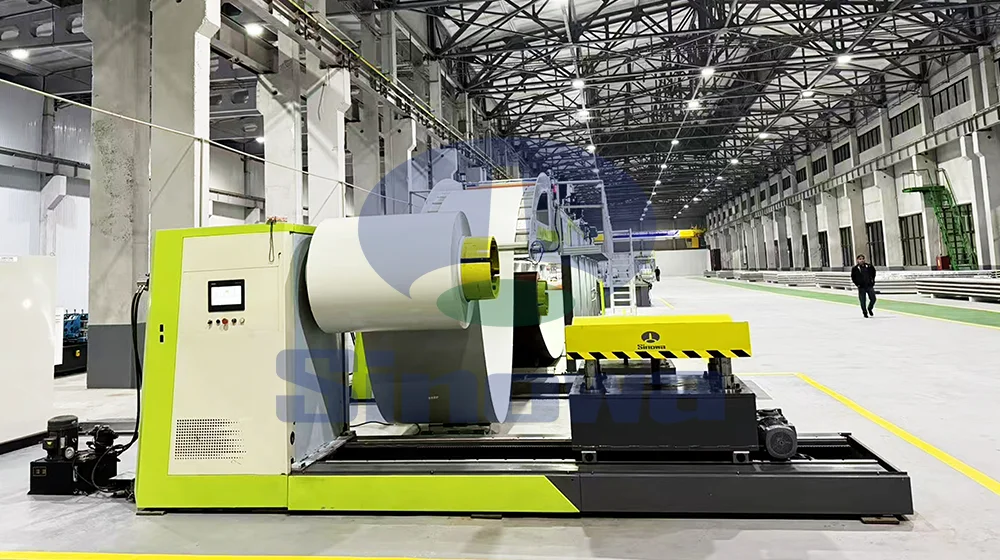
Reliability and durability are essential for minimizing downtime and ensuring long-term operational efficiency. Machines constructed with high-quality components—such as robust steel frames, precision bearings, and corrosion-resistant parts—are more resistant to wear and tear, reducing the frequency of breakdowns and maintenance requirements. The durability of the machine is particularly important in harsh production environments, where dust, vibration, and temperature fluctuations can accelerate component degradation. Regular maintenance, facilitated by accessible components and user-friendly design, further enhances reliability and extends the machine’s service life.
PU sandwich panel making machines are available in several types, each designed to meet specific production needs, volume requirements, and application scenarios. The primary classification is based on the production method: continuous and discontinuous (batch) production lines. Continuous production lines are designed for high-volume, non-stop production, making them ideal for large-scale manufacturers supplying panels for industrial, commercial, and infrastructure projects. These lines integrate all production stages—from uncoiling to packaging—into a single, automated system, ensuring high efficiency and consistent output. The continuous process allows for the production of long panels, which can be cut to length as needed, minimizing material waste and maximizing productivity. Continuous lines are typically equipped with advanced control systems, high-speed conveyors, and efficient curing mechanisms, enabling them to operate at higher speeds than discontinuous lines.
Discontinuous or batch production lines, by contrast, are designed for smaller volume production, custom orders, or specialized panels that require unique processing. These lines operate in cycles, with each batch of panels undergoing the entire production process—from forming to curing—before the next batch is started. Discontinuous lines offer greater flexibility, as they can be easily adjusted to produce different panel configurations and are suitable for testing new panel designs or materials. They also require lower initial investment compared to continuous lines, making them a viable option for small to medium-sized manufacturers or businesses with variable production demands. However, their batch operation results in lower overall productivity and higher unit costs compared to continuous lines.
Another classification is based on the core material compatibility, with some machines designed specifically for PU foam, while others can handle multiple core materials such as polyisocyanurate (PIR), rock wool, or glass wool. Multi-material machines offer enhanced versatility, allowing manufacturers to produce a wider range of panels to meet different performance requirements. For example, panels with rock wool cores offer superior fire resistance, making them suitable for applications where fire safety is a priority, while PU or PIR cores provide exceptional thermal insulation for cold storage or energy-efficient buildings. These machines feature adjustable mixing and injection systems to accommodate different core material properties, as well as modified curing systems to ensure proper bonding and performance.
Modular machines represent a flexible type of PU sandwich panel making equipment, consisting of independent modules that can be combined or reconfigured to meet specific production needs. Each module—such as uncoiling, roll forming, foam injection, or cutting—operates as a standalone unit, allowing manufacturers to add, remove, or upgrade modules as their production requirements change. Modular machines are ideal for businesses looking to scale their production gradually or adapt to new market trends without investing in an entirely new production line. They also facilitate easier maintenance and troubleshooting, as individual modules can be taken offline without disrupting the entire production process.
Specialized machines are designed for niche applications or panel types, such as curved panels, thick insulation panels for cold storage, or panels with decorative surfaces. Curved panel machines feature modified roll forming systems that shape the facing sheets into curved profiles, enabling the production of panels for architectural projects with rounded structures. Cold storage panel machines are equipped with enhanced curing systems and insulation capabilities to produce thick, high-density panels that can withstand extreme low temperatures. Decorative panel machines integrate advanced embossing or printing systems to create panels with custom designs, textures, or colors, catering to the aesthetic needs of commercial or residential buildings.
The applications of PU sandwich panel making machines are closely tied to the versatile uses of the panels they produce, spanning across multiple industries including construction, cold storage, food processing, automotive, and aerospace. In the construction industry, PU sandwich panels are widely used for roofing, wall cladding, and interior partitioning in industrial buildings, warehouses, commercial complexes, and prefabricated houses. The panels’ excellent thermal insulation properties reduce energy consumption for heating and cooling, making them a sustainable choice for green buildings. Their lightweight nature simplifies transportation and installation, reducing construction time and labor costs compared to traditional building materials such as brick or concrete. Additionally, the structural strength of the panels provides durability and resistance to weather conditions, ensuring long-term performance in various climates.
Cold storage and refrigeration facilities represent a critical application area for PU sandwich panels, and thus for the machines that produce them. The high thermal insulation efficiency of PU foam cores minimizes heat transfer, allowing cold storage units to maintain stable low temperatures with reduced energy consumption. Panels produced by these machines are designed to be airtight and moisture-resistant, preventing condensation and frost buildup that can damage stored goods. Cold storage panels are used in refrigerated warehouses, food processing plants, frozen food transportation vehicles, and retail refrigeration displays. The ability of PU sandwich panel making machines to produce thick, high-density panels with precise insulation properties is essential for meeting the strict temperature control requirements of these applications.
The food processing industry relies on PU sandwich panels for the construction of clean rooms, processing areas, and storage facilities. These panels are easy to clean and sanitize, making them suitable for environments where hygiene is a top priority. Their smooth surfaces prevent the accumulation of dirt, bacteria, and contaminants, ensuring compliance with food safety regulations. Additionally, the thermal insulation properties of the panels help maintain consistent temperatures in processing areas, preserving the quality of food products during production and storage. PU sandwich panels are also resistant to chemical cleaners and moisture, ensuring durability in harsh food processing environments.
In the automotive and transportation sector, PU sandwich panels are used in the construction of vehicle bodies, trailers, and insulation components. The lightweight nature of the panels reduces the overall weight of vehicles, improving fuel efficiency and reducing emissions. Their structural strength and impact resistance enhance vehicle safety, while their thermal and sound insulation properties improve passenger comfort. PU sandwich panel making machines produce panels that can be customized to fit the unique dimensions and requirements of different vehicle types, from commercial trucks and trailers to recreational vehicles and public transportation. Additionally, the panels’ durability and resistance to corrosion make them suitable for use in outdoor and harsh transportation environments.
The aerospace industry utilizes PU sandwich panels for interior components such as cabin walls, floors, and overhead bins. The panels’ lightweight yet strong properties are critical for reducing the weight of aircraft, which directly impacts fuel efficiency and payload capacity. Their thermal and sound insulation capabilities enhance passenger comfort by maintaining stable cabin temperatures and reducing noise levels. PU sandwich panels used in aerospace applications must meet strict performance and safety standards, requiring precise production processes that only advanced making machines can provide. The ability to produce panels with consistent density, thickness, and structural integrity is essential for ensuring compliance with aerospace regulations.
Other emerging applications of PU sandwich panels, driven by the capabilities of modern making machines, include modular buildings, portable structures, and renewable energy projects. Modular buildings, constructed from prefabricated PU sandwich panels, offer fast assembly, flexibility, and sustainability, making them suitable for temporary or permanent housing, offices, and disaster relief shelters. Portable structures such as kiosks, exhibition booths, and field hospitals benefit from the lightweight and durable properties of the panels, allowing for easy transportation and quick setup. In renewable energy projects, PU sandwich panels are used in the construction of solar panel supports, wind turbine nacelles, and insulation for geothermal systems, leveraging their thermal efficiency and structural strength to enhance the performance and longevity of these systems.
The future of PU sandwich panel making machines is shaped by ongoing technological advancements aimed at improving efficiency, sustainability, and customization capabilities. Innovations in control systems, such as the integration of artificial intelligence (AI) and machine learning, are enabling predictive maintenance and real-time process optimization. AI-powered systems can analyze sensor data to detect potential component failures before they occur, minimizing downtime and reducing maintenance costs. Additionally, advancements in foam formulation and injection technology are leading to the development of more environmentally friendly PU foams, with lower volatile organic compound (VOC) emissions and improved recyclability. Making machines are being adapted to process these new materials, ensuring that panels remain sustainable while maintaining their performance attributes.
Another area of innovation is the integration of automation and robotics, which enhances production efficiency and precision. Robotic systems are being used for tasks such as material handling, panel stacking, and packaging, reducing the need for manual labor and minimizing human error. Automated quality control systems, utilizing machine vision technology, inspect panels for defects such as uneven foam distribution, surface scratches, or dimensional inaccuracies, ensuring that only high-quality panels reach the market. These advancements not only improve productivity but also enhance the consistency and reliability of the production process.
In conclusion, PU sandwich panel making machines are complex, versatile pieces of equipment that play a vital role in the production of high-performance composite panels. Their modular structure integrates multiple systems to deliver efficient, precise, and consistent production, while their performance attributes—including speed, precision, energy efficiency, and flexibility—cater to a wide range of production needs. The diverse types of machines, from continuous production lines to specialized modular systems, enable manufacturers to adapt to varying volume requirements and application demands. The panels produced by these machines find applications across numerous industries, from construction and cold storage to automotive and aerospace, driven by their excellent thermal insulation, structural strength, and durability. As technology continues to advance, PU sandwich panel making machines will evolve to meet the growing demand for sustainable, efficient, and customized solutions, solidifying their position as a cornerstone of modern manufacturing and construction industries.
« PU Sandwich Panel Making Machine » Update Date: 2026/1/24
URL: https://www.sinowamachine.com/tags/pu-sandwich-panel-making-machine.html
![PU Sandwich Panel Making Machine Manufacturer]()
PU Sandwich Panel Making Machine Manufacturer
2026-08-21PU sandwich panel making machines are core integrated production equipment dedicated to the manufacturing of polyurethane composite sandwich panels, serving as a foundational technological pillar for the modern building insulation and industrial composite material industries. This automated productio…![PU Sandwich Panel Making Machine For Cold Storage]()
PU Sandwich Panel Making Machine For Cold Storage
2026-08-17PU sandwich panel making machines are specialized automated production systems designed exclusively for manufacturing high-performance insulation panels tailored to cold storage infrastructure. As the core production equipment for cold storage thermal insulation materials, this integrated machinery s…![PU Sandwich Panel Making Machine Supplier]()
PU Sandwich Panel Making Machine Supplier
2026-08-13PU sandwich panel making machines have emerged as core automated production equipment in the modern building material manufacturing industry, dedicated to the continuous and efficient production of polyurethane composite sandwich panels that integrate thermal insulation, waterproofing, and structural…![High-end PU Sandwich Panel Making Machine]()
High-end PU Sandwich Panel Making Machine
2026-01-12In the evolving landscape of modern construction and industrial manufacturing, the demand for efficient, high-performance building materials has driven significant advancements in production technology. Among these innovations, the high-end PU sandwich panel making machine stands out as a cornerstone…
- Links:
- Sandwich Panel Continuous Production Line
- Automatic and Continuous Sandwich Panel Production Line
- Cheap and Low Price Sandwich Panel Production Line
- China Sandwich Panel Production Line Factory
- Color Steel Sandwich Panel Production Line For Cold Storage
- Continuous Composite Foam Sandwich Panel Production Line
- Continuous Production Line For Rockwool and Mineral Wool Sandwich Panels
- Continuous PU Phenolic Insulation Panel Production Line
- Continuous PU PIR Sandwich Panel Production Line
- Continuous PUF PUR Sandwich Panel Production Line
- Continuous Sandwich Panel Production Line For Roof and Wall
- Customized and Design Sandwich Panel Production Line
- Decorative Sandwich Panel Production Line For Glass Wool Boards
- High Quality Sandwich Panel Production Line For Sale
- Polyurethane(PU) Sandwich Panel Production Line
- Sandwich Panel Production Line Manufacturer and Supplier
- Sandwich Panel Production Machinery and Equipment