
PU Sandwich Panel Production Line Manufacturer
Sinowa is a well-known manufacturer and technical service provider of high-end pu sandwich panel production line, learn more about pu sandwich panel production line manufacturer, please contact Sinowa's technical engineer, tell us what you need, we will contact you as soon as possible!
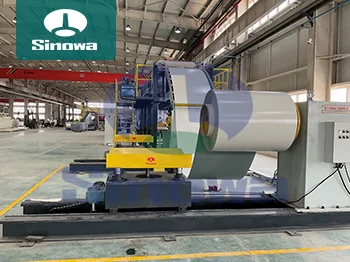
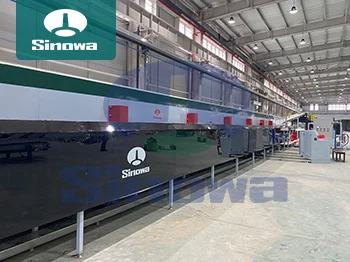
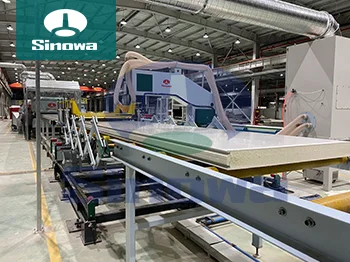
Sinowa is committed to the development and manufacturing of high-end and high-efficiency pu sandwich panel production line. Our pu sandwich panel production line are leading the way in efficiency, automatic control, human-computer interaction, environmental protection and energy consumption. Using system integration and bus control technology, it realizes the automatic integrated linkage control of the entire pu sandwich panel production line, and can achieve remote interactive communication, which has the world-class level and a comprehensive leading high-performance pu sandwich panel production line in the market.
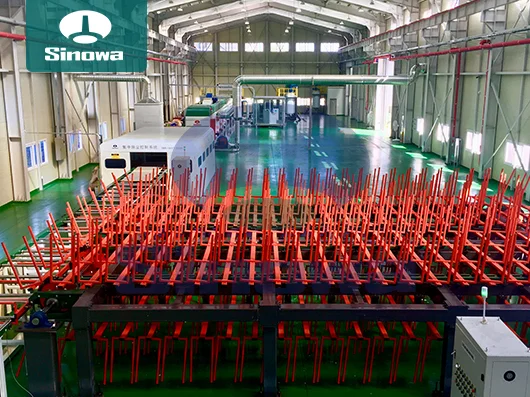
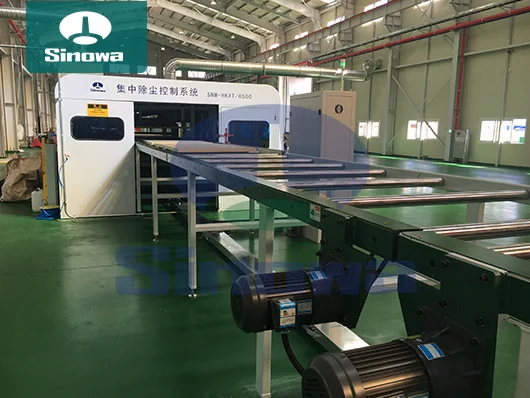
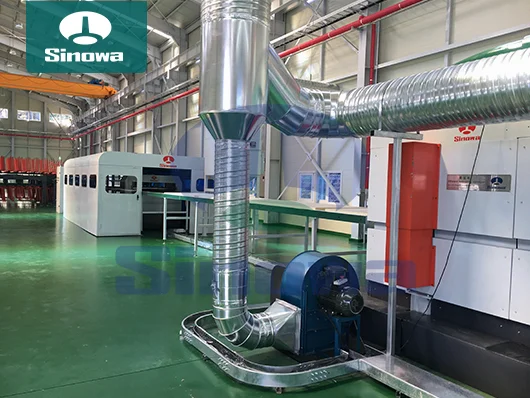
For more than ten years, relying on our innovative manufacturing concept and excellence in quality, reliable and trustworthy service to customers, we cooperate with customers all over the world, exported products to Canada, South Korea, Israel, Australia, the Middle East and other more than 20 countries and regions. contributed to building energy conservation and low-carbon production and have won widespread praise.
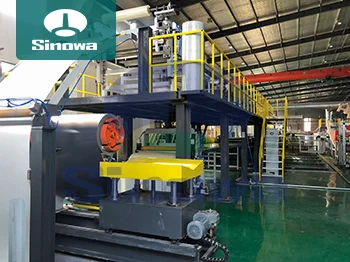
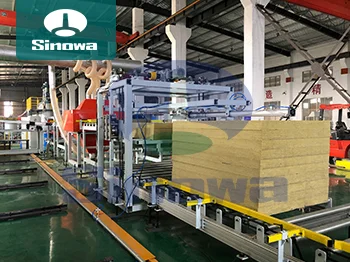
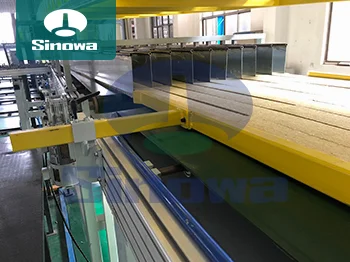
Sinowa has invested outstanding efforts in pu sandwich panel production line, this is why our products are more efficiency, quality, automatic control technology, environmental protection, energy consumption indicators and the appearance and safety protection are comprehensively leading, some subversive design changes in many major technical points, these major innovations make our products excellent in price/performance and user experience.
In the dynamic landscape of modern construction and industrial manufacturing, the demand for high-performance, energy-efficient, and versatile building materials has driven significant advancements in production technology. Among these innovations, the PU sandwich panel has emerged as a cornerstone material, valued for its exceptional thermal insulation, structural stability, lightweight properties, and durability. Behind the consistent quality and widespread availability of these panels lies the sophisticated PU sandwich panel production line, a highly integrated system that combines mechanical precision, automated processes, and chemical engineering to transform raw materials into finished products ready for diverse applications. These production lines are designed to meet the evolving needs of industries ranging from construction and cold chain logistics to industrial manufacturing and special environment applications, offering a seamless blend of efficiency, flexibility, and reliability.
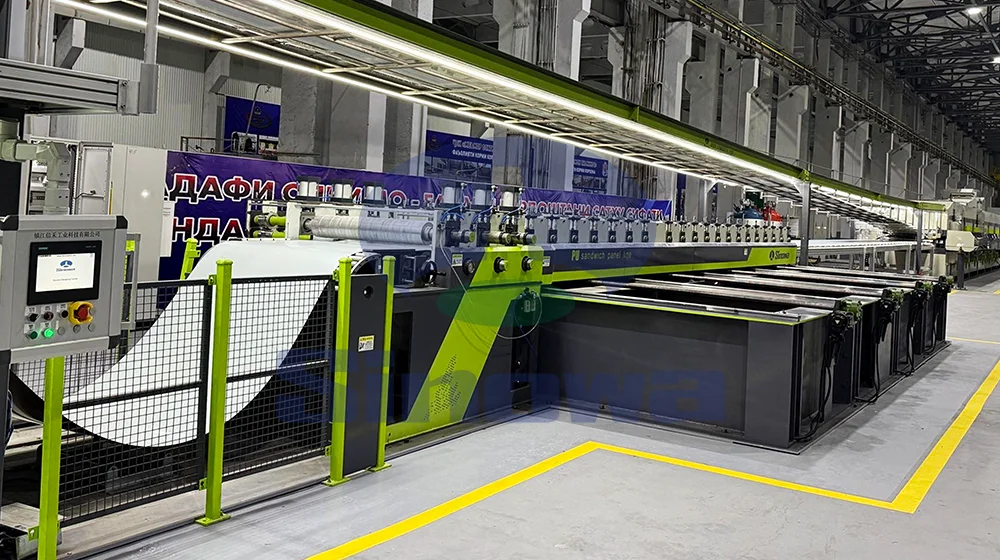
A PU sandwich panel production line is a complex, modular system engineered to perform a series of interconnected processes in a continuous flow, ensuring that each panel meets strict performance standards while maximizing production efficiency. Unlike traditional manual or semi-automated production methods, modern PU sandwich panel production lines leverage advanced automation technology to minimize human intervention, reduce errors, and maintain consistent quality across every unit produced. The core principle of these lines revolves around the precise combination of two outer facing materials and a polyurethane (PU) foam core, which is formed through a controlled chemical reaction and bonded to the facings to create a robust, multi-functional composite structure. Every stage of the production process—from raw material preparation and surface treatment to foaming, curing, cutting, and stacking—is carefully calibrated to ensure optimal performance, durability, and adherence to industry requirements.
The production process of PU sandwich panels begins with the preparation and handling of raw materials, which are critical to the final quality of the panels. The two main components of the panels are the outer facings and the PU foam core. The outer facings typically consist of metal sheets, such as color steel, aluminum, or stainless steel, chosen for their strength, corrosion resistance, and ability to bond effectively with the PU core. These metal coils are first loaded into the production line’s unwinding system, which features dual-station unwinding capabilities to enable non-stop roll changing, minimizing production downtime and maximizing efficiency. The unwinding system is equipped with automatic correction devices to ensure that the metal coils are fed into the line with a centering accuracy of within ±1 mm, preventing misalignment that could affect the final panel’s structure and appearance.
After unwinding, the metal facings undergo a series of pre-treatment processes to enhance their bonding strength with the PU core. This pre-treatment typically includes surface cleaning, which removes oil stains, oxides, and other contaminants using high-pressure ion air or chemical cleaning methods. This step is crucial because any impurities on the metal surface can prevent proper adhesion between the facing and the foam core, leading to delamination or reduced structural integrity over time. Some production lines also include an optional film laminating process, where a polymer film is thermally applied to the metal surface to enhance weather resistance, UV protection, and aesthetic appeal. Additionally, the metal facings may be preheated to a specific temperature to optimize the bonding process with the PU foam, ensuring a strong, uniform bond that withstands harsh environmental conditions.
Once the metal facings are pre-treated, they move to the forming system, which shapes the flat metal coils into the desired profile. The forming system typically consists of a multi-roll continuous forming machine, equipped with 16 to 24 progressive roller wheels that gradually bend the metal sheets into the required shape—whether corrugated, flat, or ribbed—depending on the intended application of the panel. The forming process is controlled by a hydraulic servo system that precisely regulates forming pressure and speed, ensuring consistent profile dimensions and flatness across the entire length of the panel. Many modern production lines also feature quick mold changing devices, allowing operators to switch between different panel profiles within 30 minutes, enhancing the line’s flexibility and ability to meet diverse customer requirements.
Parallel to the processing of the metal facings, the PU foam core is prepared through a carefully controlled chemical reaction. The PU foam is formed by mixing two main components—isocyanate and polyol—in precise proportions, along with additives such as foaming agents, catalysts, and flame retardants to enhance the foam’s properties. This mixing process is carried out by a high-pressure foaming machine, the core component of the production line’s foaming system. The high-pressure foaming machine uses metering pumps to accurately control the ratio of the two components, with a mixing accuracy of ±1.5%, ensuring that the resulting foam has consistent density, thermal insulation, and mechanical properties. The mixing head of the machine features a self-cleaning design, with a mixing efficiency of over 98%, preventing cross-contamination between batches and maintaining the purity of the foam mixture.
The foaming process begins when the mixed PU components are evenly distributed onto the lower metal facing, which is moving through the production line at a controlled speed. Simultaneously, the upper metal facing is fed into the line, and both facings are guided into a double-track laminating conveyor. This conveyor features upper and lower heating pressure plates and circulating steel strips, creating an adjustable height forming channel where the PU foam expands and cures. The temperature within the laminating conveyor is precisely regulated by a temperature control system, which uses advanced algorithms to maintain the optimal temperature for foam curing—typically between 40°C and 60°C. This precise temperature control ensures that the PU foam undergoes complete curing, forming a closed-cell structure that provides excellent thermal insulation, water resistance, and soundproofing properties. The double-track conveyor also applies uniform pressure—adjustable between 0.1 and 0.3 MPa—to ensure that the foam core is evenly distributed between the two facings and that the bond between the facings and the core is strong and consistent.
After the foam has cured, the continuous panel moves to the post-processing and cutting system. The first step in this stage is the maturing and shaping zone, which is typically 30 to 50 meters in length, allowing the panel to fully cure and stabilize before cutting. This ensures that the panel maintains its shape and structural integrity once it is cut into individual pieces. The cutting process is performed by a flying saw cutting machine, which is controlled by a servo system to ensure precise cutting accuracy of ±1 mm. The flying saw can cut the continuous panel into custom lengths—typically ranging from 2 meters to 15 meters or more—based on customer requirements, and it operates at speeds of up to 15 meters per minute, matching the production line’s continuous flow. Some advanced production lines also include online thickness gauges that real-time monitor the panel’s thickness with an accuracy of ±0.2 mm, allowing for immediate adjustments to the foaming or laminating process if deviations are detected.
Once the panels are cut to the desired length, they move to the cooling and stacking system. The cooling system uses forced air or water cooling to lower the temperature of the panels, ensuring that they are stable and ready for handling. The stacking system, which may feature robotic arms or vacuum suction cups, automatically stacks the finished panels into neat bundles, reducing the need for manual labor and minimizing the risk of damage during handling. Some production lines also include an automatic packaging system, which wraps the stacked panels in protective film to prevent scratches, moisture damage, or contamination during storage and transportation. Additionally, auxiliary equipment such as waste recycling systems may be integrated into the production line to collect and reuse excess PU foam or metal scraps, promoting sustainability and reducing material waste.
One of the key advantages of modern PU sandwich panel production lines is their high level of automation, which significantly improves production efficiency and reduces labor costs. A standard automated production line can produce 150 to 300 square meters of panels per hour, which is 10 to 15 times higher than manual production methods. This high production capacity makes it possible to meet large-scale orders in a timely manner, making the lines ideal for industrial manufacturers and construction companies with high-volume requirements. Automation also reduces the risk of human error, ensuring that each panel meets consistent quality standards—from thickness and dimensions to thermal insulation and bonding strength. The integration of a PLC control system allows operators to monitor and adjust every stage of the production process from a central control panel, providing real-time data on production speed, temperature, pressure, and other key parameters. This level of control enables operators to quickly identify and resolve any issues that may arise, minimizing production downtime and ensuring continuous operation.
Another significant advantage of PU sandwich panel production lines is their flexibility and adaptability. These lines are designed to produce a wide range of panel specifications, including varying thicknesses (from 40 mm to 150 mm or more), widths, and lengths, as well as panels with different core materials—such as pure PU, rock wool, or glass wool—by adjusting the production line’s configuration and process parameters. This flexibility allows manufacturers to meet the diverse needs of different applications, from wall and roof panels for residential and commercial buildings to cold storage panels for the cold chain industry. For example, panels used in cold storage facilities require a higher density PU core to ensure superior thermal insulation, while panels used in industrial warehouses may prioritize structural strength and durability. The modular design of modern production lines makes it easy to add or modify components to accommodate new panel types or production requirements, ensuring that the line remains relevant and competitive as market demands evolve.
Energy efficiency and environmental sustainability are also key features of modern PU sandwich panel production lines. These lines are designed with energy-saving technologies, such as efficient foaming equipment, heat recovery systems, and variable frequency speed regulation technology, which reduce energy consumption and lower operating costs. For example, heat recovery systems capture and reuse the heat generated during the foam curing process, reducing the need for additional heating and minimizing energy waste. Additionally, many production lines are equipped with waste gas recycling systems, which collect and treat harmful emissions from the foaming process, reducing environmental pollution. The use of eco-friendly foaming agents—such as pentane instead of traditional HCFCs—also contributes to sustainability, aligning with global efforts to reduce greenhouse gas emissions and promote environmentally responsible manufacturing practices. Furthermore, the PU sandwich panels produced by these lines are themselves energy-efficient, helping to reduce the carbon footprint of the buildings and facilities in which they are used by minimizing heat loss and reducing the need for artificial heating and cooling.
The applications of PU sandwich panels produced by these lines are diverse and far-reaching, spanning multiple industries and sectors. In the construction industry, PU sandwich panels are widely used for walls, roofs, and partitions in residential buildings, commercial complexes, industrial warehouses, and prefabricated homes. Their lightweight nature reduces the overall weight of the building, lowering construction costs and simplifying installation, while their excellent thermal insulation and soundproofing properties improve the comfort and energy efficiency of the structure. In the cold chain logistics industry, PU sandwich panels are used to construct cold storage facilities, refrigerated trucks, and containers, as they can maintain a constant temperature range of -40°C to 120°C, ensuring the quality and safety of perishable goods. The closed-cell structure of the PU core provides excellent moisture resistance, preventing the accumulation of dampness that can degrade the panels and compromise the integrity of the cold storage environment.
In industrial manufacturing, PU sandwich panels are used as enclosure materials for industrial plants, garages, and mobile homes, as well as insulation panels for refrigeration and freezing equipment. Their durability and resistance to harsh industrial environments make them ideal for these applications, as they can withstand exposure to chemicals, UV radiation, and extreme temperatures. Additionally, PU sandwich panels are used in special environments such as purification workshops, chemical and energy facility insulation layers, and soundproof spaces, thanks to their excellent insulation performance, fire resistance, and structural stability. The ability of production lines to customize panel specifications ensures that these panels can meet the unique requirements of each application, from high-fire-resistance panels for industrial facilities to high-insulation panels for cold storage.
As the demand for high-performance, energy-efficient building materials continues to grow, the development of PU sandwich panel production lines is evolving to meet new challenges and opportunities. Future advancements in these lines are likely to focus on increased intelligence, with the integration of artificial intelligence (AI) and Internet of Things (IoT) technologies to enable real-time monitoring, predictive maintenance, and automated process optimization. AI-powered systems can analyze production data to identify patterns and anomalies, allowing operators to predict potential equipment failures and schedule maintenance before downtime occurs. IoT sensors can also provide real-time data on material quality, production speed, and energy consumption, enabling manufacturers to optimize their operations for maximum efficiency and sustainability.
Another area of innovation is the development of more eco-friendly production processes and materials. Manufacturers are exploring the use of bio-based polyols and other sustainable raw materials to reduce the environmental impact of PU foam production. Additionally, advancements in waste recycling technologies are making it possible to reuse more production waste, further reducing material consumption and environmental pollution. The integration of modular design principles is also becoming more prevalent, allowing production lines to be easily expanded or reconfigured to meet changing market demands, reducing the need for costly new equipment and minimizing waste.
In conclusion, the PU sandwich panel production line is a critical component of modern manufacturing, enabling the efficient, consistent production of high-performance composite panels that meet the diverse needs of multiple industries. These lines combine advanced automation, precise engineering, and sustainable practices to transform raw materials into durable, energy-efficient products that play a vital role in construction, cold chain logistics, industrial manufacturing, and beyond. The high level of automation, flexibility, and energy efficiency of these lines makes them a valuable investment for manufacturers looking to meet growing market demand while maintaining high quality standards and reducing their environmental footprint. As technology continues to advance, PU sandwich panel production lines will continue to evolve, offering even greater efficiency, customization, and sustainability, and solidifying their position as a cornerstone of modern material manufacturing.
« PU Sandwich Panel Production Line Manufacturer » Update Date: 2026/4/16
Tags: Fully Automatic PU Sandwich Panel Production Line , Decorative PU Sandwich Panel Production Line , Continuous PU Sandwich Panel Production Line , PU Sandwich Panel Production Line ,
- High-end PUF Panel Manufacturing Machine
- Continuous Sandwich Panel Manufacturing Line In China
- Custom Insulated Sandwhich Panel Production Line
- PU Foam Production Line
- High-quality Sandwich Panel Making Equipment
- Soundproofing Sandwich Panel Production Line Manufacturer
- PIR Insulated Panel Production Line Price
- High-quality Isolation Sandwich Panel Production Line
- PU Sandwich Panel Line
- Cheap Sandwich Panel Foam Production Line
- Cheap Foam Sandwich Panel Production Line
- Low Price PIR Sandwich Panel Production Line
- Cheap Cold Storage Sandwich Panel Production Line
- Low Price Sandwich Roof Wall Panel Making Machine
- High-quality Composite Sandwich Panel Production Line
- High-end Polyurethane Foam Production Line
- Sandwich Panel Production Line For House
- Custom Decorative Sandwich Panel Line
- Insulated Sandwich Panel Line From China
- Continuous PU Sandwich Panel Line Design
- Links:
- Sandwich Panel Continuous Production Line
- Automatic and Continuous Sandwich Panel Production Line
- Cheap and Low Price Sandwich Panel Production Line
- China Sandwich Panel Production Line Factory
- Color Steel Sandwich Panel Production Line For Cold Storage
- Continuous Composite Foam Sandwich Panel Production Line
- Continuous Production Line For Rockwool and Mineral Wool Sandwich Panels
- Continuous PU Phenolic Insulation Panel Production Line
- Continuous PU PIR Sandwich Panel Production Line
- Continuous PUF PUR Sandwich Panel Production Line
- Continuous Sandwich Panel Production Line For Roof and Wall
- Customized and Design Sandwich Panel Production Line
- Decorative Sandwich Panel Production Line For Glass Wool Boards
- High Quality Sandwich Panel Production Line For Sale
- Polyurethane(PU) Sandwich Panel Production Line
- Sandwich Panel Production Line Manufacturer and Supplier