
High-end Continuous Sandwich Panel Production Line
Sinowa is a well-known manufacturer and technical service provider of high-end continuous sandwich panel production line, learn more about high-end continuous sandwich panel production line, please contact Sinowa's technical engineer, tell us what you need, we will contact you as soon as possible!
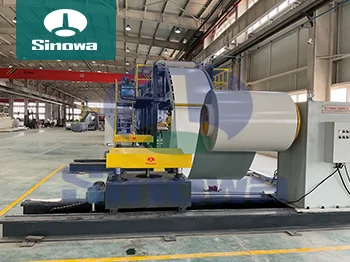
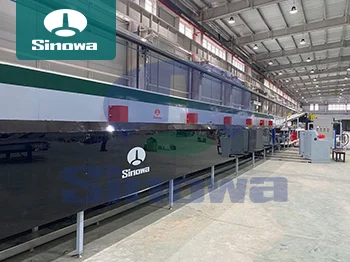
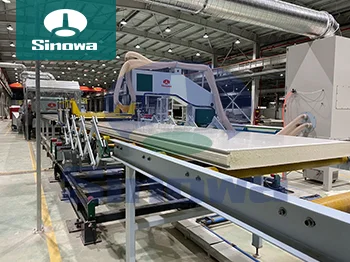
Sinowa is committed to the development and manufacturing of high-end and high-efficiency continuous sandwich panel production line. Our continuous sandwich panel production line are leading the way in efficiency, automatic control, human-computer interaction, environmental protection and energy consumption. Using system integration and bus control technology, it realizes the automatic integrated linkage control of the entire continuous sandwich panel production line, and can achieve remote interactive communication, which has the world-class level and a comprehensive leading high-performance continuous sandwich panel production line in the market.
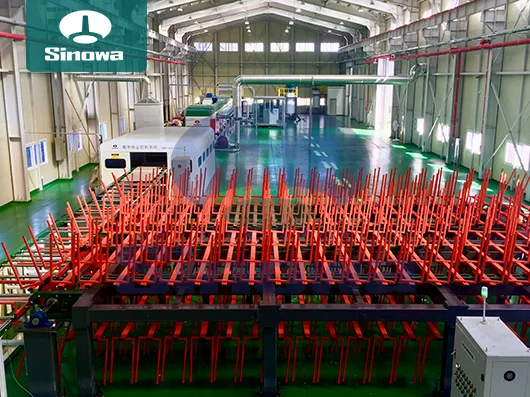
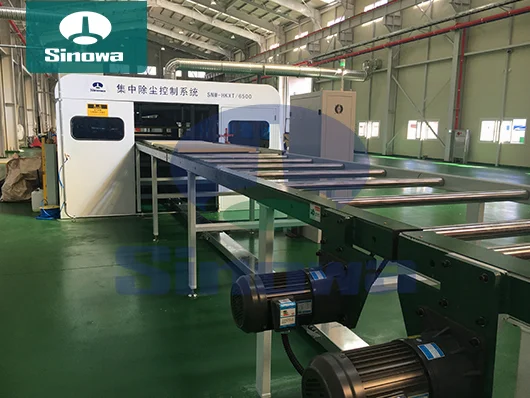
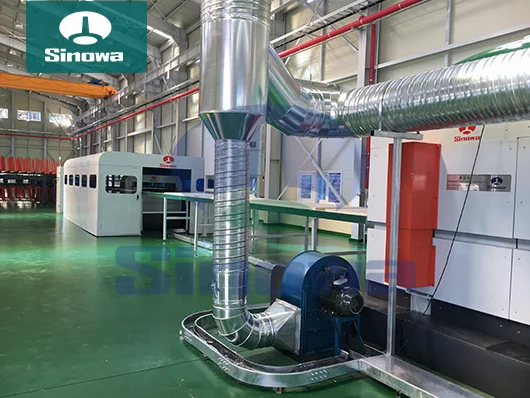
For more than ten years, relying on our innovative manufacturing concept and excellence in quality, reliable and trustworthy service to customers, we cooperate with customers all over the world, exported products to Canada, South Korea, Israel, Australia, the Middle East and other more than 20 countries and regions. contributed to building energy conservation and low-carbon production and have won widespread praise.
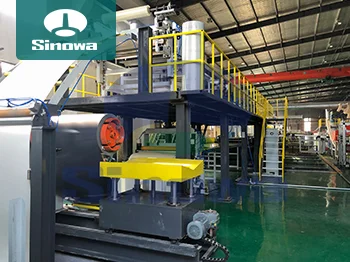
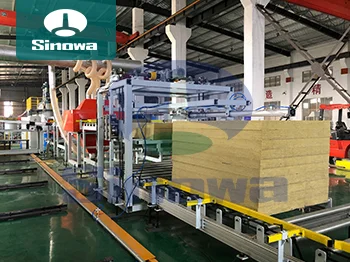
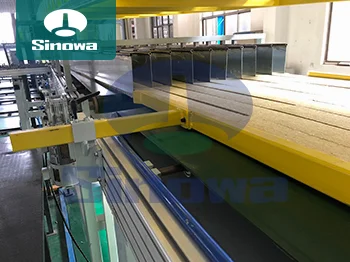
Sinowa has invested outstanding efforts in continuous sandwich panel production line, this is why our products are more efficiency, quality, automatic control technology, environmental protection, energy consumption indicators and the appearance and safety protection are comprehensively leading, some subversive design changes in many major technical points, these major innovations make our products excellent in price/performance and user experience.
The high-end continuous sandwich panel production line represents a sophisticated integrated manufacturing system built to deliver consistent, high-performance composite panels for modern construction and industrial applications. Unlike batch production setups that process individual panels one after another, this continuous system unites multiple working stations into a single seamless workflow, where raw materials move steadily through forming, laminating, curing, trimming and cutting without repeated interruptions. Every component of the line is engineered to maintain stable operating conditions across long production runs, minimizing sudden fluctuations that may affect panel flatness, bonding strength and dimensional uniformity. The system is designed to handle diverse core materials and surface facings, allowing manufacturers to switch between different product specifications with relatively short transition periods. Precise material feeding mechanisms control the dosage of adhesives and the alignment of facing sheets, ensuring that each layer bonds evenly across the full width of the panel. Operators can adjust production parameters through a central control interface, monitoring key variables in real time to reduce waste and avoid defective products. This level of automation not only lowers the reliance on manual handling but also creates a safer working environment by limiting direct human contact with moving parts and chemical raw materials. As market demand grows for building materials that balance structural strength and thermal efficiency, this continuous production concept has become a preferred choice for facilities aiming to achieve large output while preserving superior product quality.
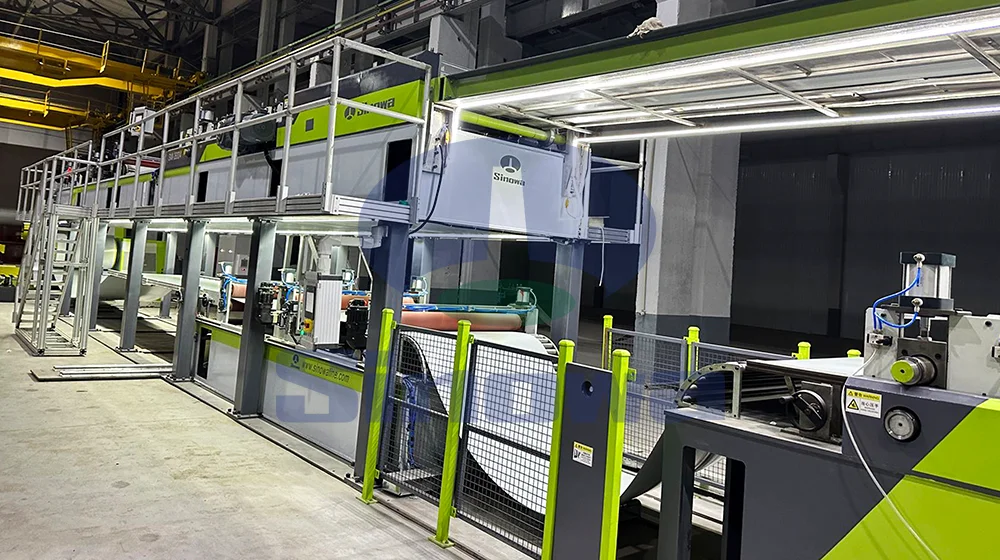
The raw material feeding section forms the starting point of the entire production sequence, where different base materials are prepared and introduced into the line in a synchronized manner. Metal or non-metal facing rolls are mounted on unwinding units equipped with tension control systems that keep surface sheets flat and wrinkle-free as they are pulled forward. Core material blocks or continuous core strips are transported through dedicated conveyors, with positioning devices ensuring accurate centering relative to the upper and lower facing layers. Adhesive application units distribute bonding agents uniformly over the inner surfaces of the facings, carefully regulating coating thickness to prevent excess glue squeeze-out or insufficient coverage that would weaken interlayer adhesion. Material pre-treatment modules can be integrated into this section to modify surface characteristics of facings and cores, improving the compatibility between different materials and enhancing long-term bonding performance. Sensors placed along the feeding path detect material breaks, misalignment or thickness deviations, triggering automatic adjustments or alert signals before flawed materials proceed to the next stage. All feeding movements are electronically synchronized with the overall line speed, so the supply of facings, core materials and adhesives matches the pace of downstream processing. This coordinated feeding process eliminates mismatches between layers, which is critical for avoiding warped panels and inconsistent product geometry during continuous manufacturing.
After raw materials are combined in the feeding zone, the assembly and pressing stage takes over to form the initial composite sandwich structure. The stacked material assembly enters a long continuous double-belt press, which applies controlled pressure and temperature across the entire panel surface. The rigid moving belts maintain even pressure distribution, preventing localized gaps or uneven compression that could compromise panel integrity. Temperature inside the press chamber is carefully regulated to activate the adhesive system, promoting steady curing without damaging the core or facing materials. Line speed is calibrated according to the required curing time, allowing the composite structure to remain under pressure long enough for the bond to develop fully. The length of the pressing section is designed to accommodate extended dwell time when producing panels with thicker cores or special adhesive formulations. As the assembly travels through the press, the composite gradually gains structural rigidity, transforming loose stacked materials into a solid integrated panel. Vibration reduction structures are built into the press frame to stabilize operation, even when the line runs at high continuous speeds. This continuous pressing method differs greatly from intermittent pressing, as it avoids repeated loading and unloading cycles that limit total throughput and create inconsistencies between separate batches of panels.
Once panels exit the pressing and curing section, they move into the cooling and shaping zone to stabilize their physical properties before further processing. Freshly formed panels retain residual heat from the curing process, and rapid or uneven cooling can lead to internal stress, surface distortion or delamination over time. This section uses controlled air circulation systems to gradually reduce panel temperature in a uniform way, allowing internal stresses to release slowly while preserving the flat geometry achieved in the press. Support rollers guide the panels smoothly through the cooling tunnel, maintaining horizontal alignment and preventing sagging for products with larger dimensions. During cooling, the bonding reaction continues to complete, further consolidating the connection between core and facings. Monitoring devices track surface temperature along the tunnel length, adjusting airflow rates automatically to match variations in line speed and panel thickness. Operators can view real-time temperature profiles to fine-tune settings for different product types. After adequate cooling, the panel becomes dimensionally stable, ready for trimming, edge processing and cutting. Skipping this controlled cooling phase would risk shape changes after cutting, leading to products that fail to fit properly during installation and raising rejection rates in final inspection.
The trimming and cutting unit performs precision dimensioning to bring continuous long panels to the exact lengths and widths required by end users. Side trimming mechanisms remove uneven edge portions formed during material combining, producing straight, parallel edges with consistent width across the full panel length. High-speed cutting tools operate in sync with the moving panel, employing flying cut technology that cuts materials without stopping the main production line. This approach preserves continuous operation and eliminates productivity losses caused by frequent start-stop cycles. Cutting parameters can be quickly reconfigured to accommodate different panel widths and lengths, supporting flexible order fulfillment for custom-sized products. Dust collection systems work alongside cutting tools to capture fine particles generated during edge trimming and cross-cutting, maintaining a clean production environment and protecting mechanical components from abrasive debris. After cutting, finished panel segments are separated from the continuous web and transferred to the output conveyor. Edge finishing attachments may optionally deburr or smooth cut edges to reduce sharp surfaces and improve handling safety. Accurate dimension control at this stage directly reduces on-site modification work when panels are delivered to construction sites, saving labor and shortening overall project schedules.
Quality monitoring runs throughout every stage of the production line, rather than only taking place after panels are fully manufactured. Non-contact sensors scan panel surfaces continuously to identify surface defects, thickness variations and alignment issues as materials move through each station. Data collected from these sensors feeds into the central control system, which records production metrics for every section of the finished panel. When out-of-spec conditions are detected, the system can mark defective segments automatically, so they can be isolated later without disrupting continuous production flow. The monitoring system tracks bonding consistency, surface flatness and overall dimensional accuracy, building a complete digital record of each production run. This ongoing inspection strategy catches issues early, reducing the volume of finished products that need to be discarded or reworked. Operators can access historical production data to analyze recurring trends and adjust line parameters proactively, instead of reacting only after large quantities of non-conforming panels have been made. The integration of real-time quality oversight into the continuous workflow is one of the key features that distinguish high-end production lines from conventional equipment, supporting reliable output for demanding application scenarios.
Material handling and stacking systems manage finished panels after cutting and inspection, streamlining the final steps before warehousing and shipment. Finished panels travel along heavy-duty conveyors to the stacking area, where automated mechanisms gently lift and arrange panels into neat stacks. Separator materials can be placed between individual panels to protect finished surfaces from scratches and contact damage during stacking and storage. Stacking equipment adjusts its movement speed to match the output rate of the cutting unit, avoiding panel collisions or misaligned stacks. Once a stack reaches the preset height, the system signals for transfer, and stacked panels can be moved to storage zones using forklifts or automated transport carts. Safety barriers and position sensors prevent unintended contact between moving handling components and personnel. Automated stacking reduces manual lifting work, lowering the risk of panel damage and workplace injuries. Proper stacking also preserves panel flatness during storage, preventing permanent deformation before delivery. This end-of-line handling system completes the closed-loop continuous workflow, turning raw materials into neatly stacked finished goods ready for logistics, while maintaining the efficiency gains achieved in earlier production stages.
The operational flexibility and long-term economic value of the high-end continuous sandwich panel production line make it a valuable asset for manufacturers targeting evolving market needs. The unified continuous structure supports extended periods of stable operation, raising total output capacity compared with discontinuous production lines while keeping unit-level material waste under tight control. Modular design allows users to add or upgrade individual functional stations over time, adapting the line to new material combinations and panel types as market requirements shift. Advanced control systems reduce the learning burden for operators, with intuitive interfaces and diagnostic tools that simplify routine maintenance and fault identification. Regular maintenance procedures focus on wear parts and sealing elements, preserving precision and extending the service life of the whole system. The panels produced on this line serve a wide range of applications, helping end users build structures with improved thermal performance, sound insulation and structural stability. As industries continue to seek efficient composite building materials, continuous sandwich panel production technology remains a forward-looking manufacturing solution that balances high output, consistent quality and operational adaptability for long-term industrial use.
« High-end Continuous Sandwich Panel Production Line » Update Date: 2026/10/20
Tags: Continuous Sandwich Panel Production Line , continuous sandwich panel production line, continuous sandwich panel production line manufacturer, continuous sandwich panel production line supplier, continuous sandwich panel production line for sale, customized continuous sandwich panel production line, china continuous sandwich panel production line
- PU Insulation Panel Production Line Factory
- Metal Sandwich Panel Production Line On Sales
- PU Insulation Board Production Line Manufacturer
- Sandwich Panel Production Line For Sale
- Continuous Sandwich Panel Line On Sales
- PUR Sandwich Panel Line On Sales
- Custom Corrugated Sandwich Panel Production Line
- PU Sandwich Panel Production Line For Building
- Glass Wool Sandwich Panel Line Price
- PUF Panel Manufacturing Machine Design
- High-quality PIR Insulation Panel Production Line
- Custom PIR Insulated Panel Production Line
- PU Sandwich Panel Line From China
- Customized PIR Wall Panel Production Line
- Fully Automatic PU Sandwich Panel Machine Supplier
- High-quality PIR Sandwich Panel Production Line
- PU Isolation Panel Production Line
- High Efficiency PU Sandwich Panel Production Line
- Polyurethane Foam Production Line From China
- Cold Room Sandwich Panel Production Line Price
- Links:
- Sandwich Panel Continuous Production Line
- Automatic and Continuous Sandwich Panel Production Line
- Cheap and Low Price Sandwich Panel Production Line
- China Sandwich Panel Production Line Factory
- Color Steel Sandwich Panel Production Line For Cold Storage
- Continuous Composite Foam Sandwich Panel Production Line
- Continuous Production Line For Rockwool and Mineral Wool Sandwich Panels
- Continuous PU Phenolic Insulation Panel Production Line
- Continuous PU PIR Sandwich Panel Production Line
- Continuous PUF PUR Sandwich Panel Production Line
- Continuous Sandwich Panel Production Line For Roof and Wall
- Customized and Design Sandwich Panel Production Line
- Decorative Sandwich Panel Production Line For Glass Wool Boards
- High Quality Sandwich Panel Production Line For Sale
- Polyurethane(PU) Sandwich Panel Production Line
- Sandwich Panel Production Line Manufacturer and Supplier
- Sandwich Panel Production Machinery and Equipment