
Sandwich Panel Production Line For Sale
Sinowa is a well-known manufacturer and technical service provider of high-end sandwich panel production line, learn more about sandwich panel production line for sale, please contact Sinowa's technical engineer, tell us what you need, we will contact you as soon as possible!
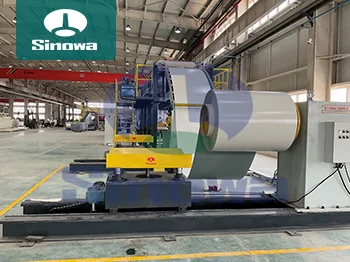
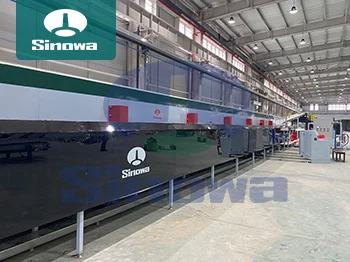
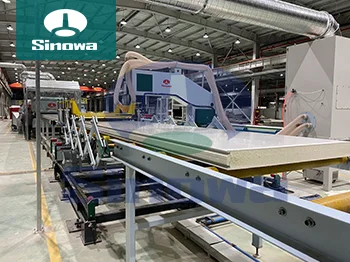
Sinowa is committed to the development and manufacturing of high-end and high-efficiency sandwich panel production line. Our sandwich panel production line are leading the way in efficiency, automatic control, human-computer interaction, environmental protection and energy consumption. Using system integration and bus control technology, it realizes the automatic integrated linkage control of the entire sandwich panel production line, and can achieve remote interactive communication, which has the world-class level and a comprehensive leading high-performance sandwich panel production line in the market.
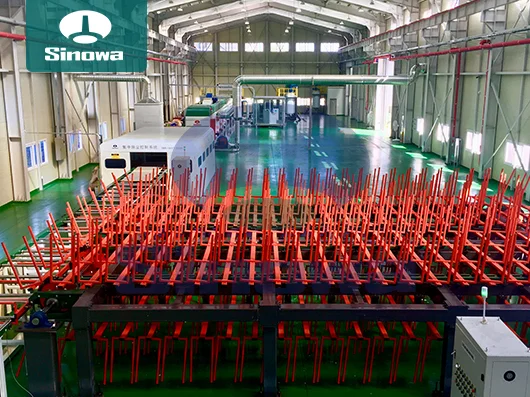
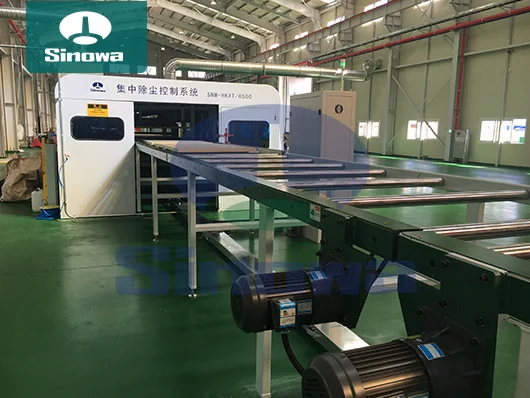
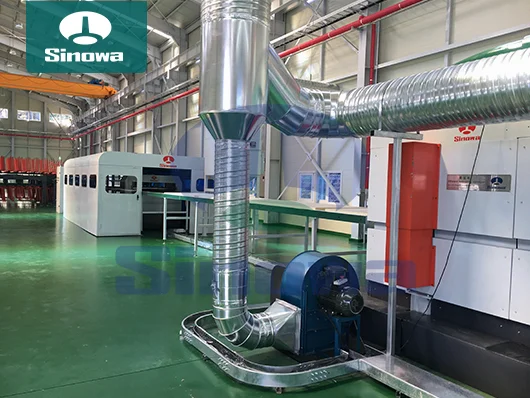
For more than ten years, relying on our innovative manufacturing concept and excellence in quality, reliable and trustworthy service to customers, we cooperate with customers all over the world, exported products to Canada, South Korea, Israel, Australia, the Middle East and other more than 20 countries and regions. contributed to building energy conservation and low-carbon production and have won widespread praise.
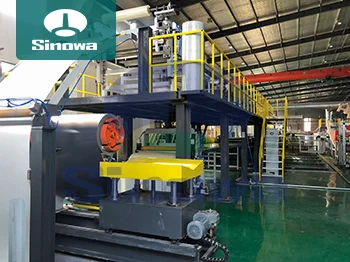
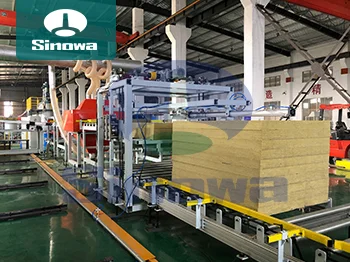
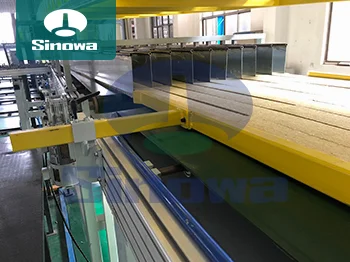
Sinowa has invested outstanding efforts in sandwich panel production line, this is why our products are more efficiency, quality, automatic control technology, environmental protection, energy consumption indicators and the appearance and safety protection are comprehensively leading, some subversive design changes in many major technical points, these major innovations make our products excellent in price/performance and user experience.
In the rapidly evolving world of construction and manufacturing, the demand for efficient, high-quality building materials continues to grow, driving the need for advanced production equipment that can meet diverse industry requirements. Sandwich panels have emerged as a versatile and indispensable material in modern construction, offering an ideal combination of structural strength, thermal insulation, soundproofing, and lightweight properties. These panels, composed of a low-density core material sandwiched between two rigid face sheets, are widely used in a variety of applications, from industrial warehouses and commercial buildings to residential homes, cold storage facilities, and even transportation vehicles. As the market for sandwich panels expands, the need for reliable, efficient, and flexible production lines becomes increasingly critical for businesses looking to capitalize on this growing demand. A well-designed sandwich panel production line is not just a piece of equipment; it is an investment that can enhance production capacity, improve product quality, and reduce operational costs, making it a valuable asset for manufacturers across the globe.
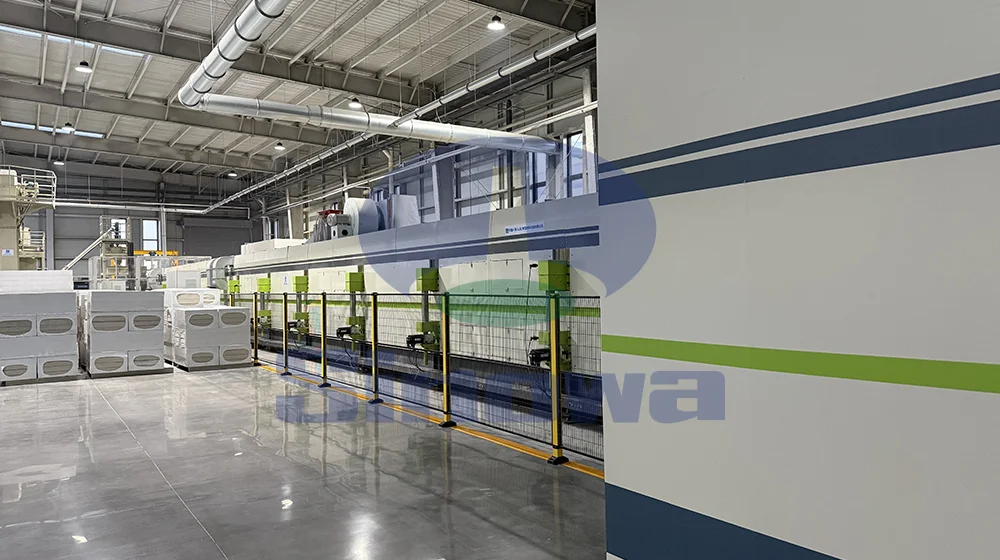
A sandwich panel production line is a comprehensive, automated system designed to produce sandwich panels in a continuous, efficient manner, from raw material preparation to finished product stacking. Unlike manual production methods, which are labor-intensive, time-consuming, and prone to errors, modern production lines leverage advanced technology to achieve full process automation, ensuring consistent quality and high throughput. These lines are engineered to handle a wide range of raw materials, allowing manufacturers to produce different types of sandwich panels to meet specific customer needs and market demands. Whether it is panels with polyurethane (PU), rock wool, glass wool, or expanded polystyrene (EPS) cores, or face sheets made of color steel, aluminum, or stainless steel, a high-quality production line can seamlessly switch between materials and configurations, providing unparalleled flexibility.
The core components of a sandwich panel production line work together in perfect harmony to ensure a smooth and efficient production process. The journey begins with the automatic feeding system, which serves as the starting point of the entire line. This system typically includes an uncoiler that unfolds metal coils—such as color steel plates, stainless steel, or aluminum sheets—with precision. Equipped with a hydraulic expansion shaft and automatic centering device, the uncoiler ensures that the metal coils are fed evenly and stably, eliminating any wrinkles or misalignment. After uncoiling, the metal sheets pass through a leveling machine, which removes internal stress and ensures a flat, uniform surface. This step is crucial, as a smooth surface is essential for achieving strong adhesion between the face sheets and the core material in subsequent processes. The leveling process is fully controlled by an intelligent system, ensuring consistent results and reducing the risk of defects in the final product.
Following the feeding and leveling process, the metal face sheets undergo surface pretreatment, a critical step that enhances the bonding strength between the sheets and the adhesive. This pretreatment typically involves cleaning and drying the surface to remove any dust, oil, or contaminants that could compromise the adhesion. The cleaning process is automated, using high-pressure air or specialized cleaning agents to ensure a clean, pollution-free surface. Once cleaned, the sheets are dried to remove any moisture, as even small amounts of water can affect the performance of the adhesive. This attention to detail in the pretreatment process ensures that the face sheets are ready for the next stage of production, laying the foundation for high-quality sandwich panels.
The core material processing unit is another key component of the production line, responsible for preparing and dispensing the core material that gives sandwich panels their unique properties. Depending on the type of panel being produced, the core material can vary widely, with PU, rock wool, glass wool, and EPS being the most common options. Each core material offers distinct advantages: PU cores provide excellent thermal insulation and fire resistance, rock wool cores offer superior soundproofing and fire retardancy, glass wool cores are lightweight and cost-effective, and EPS cores are known for their excellent insulation and durability. The production line is designed to handle these different core materials seamlessly, with precise measuring devices that ensure accurate dispensing of the core material. For PU cores, advanced online foaming technology is often integrated, allowing for on-site foaming and filling, which ensures that the core material is evenly distributed without voids. This technology not only improves the quality of the panels but also reduces waste, as the foam is produced exactly when and where it is needed.
Once the face sheets and core material are prepared, they move to the composite and forming system, the heart of the production line. This system includes a glue coating machine, pre-press machine, and hot press machine, all working together to bond the face sheets and core material into a single, cohesive panel. The glue coating machine is equipped with a specially designed double-sided adhesive coating device that ensures even distribution of the adhesive across the entire surface of the face sheets. This even distribution is critical for achieving a strong, uniform bond, as any gaps or unevenness in the adhesive could lead to delamination or structural weakness. The pre-press machine then preliminarily fixes the position of the face sheets and core material, ensuring that they are aligned correctly before entering the hot press machine.
The hot press machine is a vital component that determines the final quality of the sandwich panels. It uses zone temperature control technology to maintain a precise temperature, typically between 40 and 60 degrees Celsius, which promotes the full curing of the adhesive and ensures a strong bond. The temperature accuracy is maintained within ±1℃, and the pressure uniformity error is no more than 2%, ensuring that every part of the panel is bonded evenly. The hot press machine applies a consistent pressure, usually between 0.3 and 0.8 MPa, which compresses the face sheets and core material together, eliminating any air bubbles and ensuring a flat, smooth surface. This process not only enhances the structural integrity of the panels but also improves their thermal insulation and soundproofing properties.
After the composite and forming process, the continuous panel moves to the fixed-length cutting system, which cuts the panel into the desired length with high precision. This system is equipped with high-precision servo-controlled flying saws or laser cutting devices, which can achieve a cutting accuracy of ±0.5 mm to ±1 mm, depending on the requirements. The cutting process is fully automated, with the system adjusting the cutting length based on pre-programmed settings, ensuring consistency and accuracy in every cut. The advanced visual recognition technology integrated into the cutting system ensures that the cutting is precise even at high production speeds, reducing waste and improving efficiency. Once cut, the finished panels are transported to the automatic stacking device, which stacks the panels neatly and efficiently, ready for packaging and shipment.
One of the key advantages of a modern sandwich panel production line is its high degree of automation, which significantly reduces the need for manual labor and improves production efficiency. The entire line is controlled by an intelligent control system that integrates mechanical, electrical, and hydraulic technologies, allowing for seamless operation and real-time monitoring. Operators can easily set production parameters, monitor the production process, and troubleshoot any issues through a user-friendly interface. This automation not only reduces the risk of human error but also allows the line to operate 24 hours a day without interruption, maximizing production capacity. A typical automated production line can produce 5000 to 10000 square meters of sandwich panels per day, depending on the configuration and speed, which is far more efficient than manual production methods.
Flexibility is another important feature of a high-quality sandwich panel production line. Manufacturers today face diverse market demands, with customers requiring panels of different sizes, thicknesses, and material combinations. A well-designed production line can be flexibly configured to meet these varying needs, with modular components that can be easily adjusted or replaced. For example, the line can be switched between producing wall panels, roof panels, and cold storage panels with minimal downtime, allowing manufacturers to adapt quickly to changing market trends. The ability to adjust the thickness of the panels, from 40 mm to 120 mm or more, and the width of the panels, typically 1000 mm or more, further enhances the flexibility of the line, making it suitable for a wide range of applications.
Energy efficiency and environmental friendliness are also key considerations in modern production lines. As the world becomes more focused on sustainability, manufacturers are increasingly seeking equipment that reduces energy consumption and minimizes environmental impact. Sandwich panel production lines are designed with energy-saving features, such as advanced frequency conversion technology, which adjusts the speed of the line based on production needs, reducing energy waste. The use of high-efficiency motors and insulation materials also helps to lower energy consumption. Additionally, the production line is designed to minimize waste, with precise material dispensing and cutting technologies that reduce the amount of raw material used. The foam used in PU cores is often environmentally friendly, with low VOC emissions, ensuring that the production process is not harmful to the environment.
The versatility of sandwich panels means that the production line can serve a wide range of industries and applications. In the construction industry, sandwich panels are widely used for exterior walls, roofs, and interior partitions in industrial buildings, commercial centers, residential homes, and prefabricated structures. Their lightweight nature makes them ideal for renovation projects, as they can be easily installed without the need for heavy equipment. In the cold storage and logistics industry, sandwich panels with PU or PIR cores are used to construct cold rooms, freezers, and refrigerated transport vehicles, as they provide excellent thermal insulation, helping to maintain stable temperatures and reduce energy consumption. In the transportation industry, sandwich panels are used to manufacture truck and trailer bodies, ship cabins, and aircraft interiors, thanks to their high strength-to-weight ratio and soundproofing properties. They are also used in clean rooms, laboratories, and hospitals, where a controlled environment is required, due to their ability to provide effective insulation and soundproofing.
Investing in a sandwich panel production line offers numerous benefits for businesses looking to enter or expand in the sandwich panel market. The high level of automation reduces labor costs and improves production efficiency, allowing businesses to meet large orders quickly and efficiently. The consistent quality of the panels produced ensures customer satisfaction and helps to build a strong reputation in the market. The flexibility of the line allows businesses to adapt to changing market demands, offering a wide range of products to their customers. Additionally, the energy efficiency and environmental friendliness of modern production lines help businesses reduce their operational costs and meet sustainability goals, which are increasingly important in today’s market.
When considering a sandwich panel production line for sale, it is important to look for a system that is durable, reliable, and easy to maintain. The components of the line should be made of high-quality materials, ensuring long-term performance and minimal downtime. The intelligent control system should be user-friendly, allowing operators to easily monitor and adjust the production process. Additionally, the line should be backed by comprehensive after-sales support, including installation, training, and maintenance services, to ensure that the line operates at peak efficiency at all times.
The global market for sandwich panels is projected to continue growing in the coming years, driven by increasing investments in infrastructure development, growing demand for energy-efficient building materials, and the rising adoption of prefabricated construction methods. According to market reports, the market for polyurethane insulated sandwich panels alone is expected to reach significant values by 2029, with a steady compound annual growth rate. This growth presents a significant opportunity for manufacturers who invest in high-quality sandwich panel production lines, allowing them to capitalize on the growing demand and expand their business.
In conclusion, a sandwich panel production line is a critical investment for businesses looking to produce high-quality sandwich panels efficiently and cost-effectively. With its advanced automation, flexibility, energy efficiency, and ability to produce a wide range of panels, a modern production line can help businesses meet the diverse needs of the market, improve their competitiveness, and achieve long-term success. Whether you are a small manufacturer looking to expand your production capacity or a large enterprise seeking to enter the sandwich panel market, a well-designed production line can provide the tools and capabilities you need to thrive in this growing industry. The versatility and reliability of these production lines make them a valuable asset, ensuring that businesses can meet the demands of today’s market while preparing for the opportunities of tomorrow.
« Sandwich Panel Production Line For Sale » Update Date: 2026/4/20
Tags: Continuous PUR Sandwich Panel Production Line , Continuous PUF Sandwich Panel Production Line , Insulated Sandwich Panel Production Line , PUF Sandwich Panel Production Line , Wall Sandwich Panel Production Line , Roof Sandwich Panel Production Line , Cold Room Sandwich Panel Production Line , Cold Storage Sandwich Panel Production Line , Metal Sandwich Panel Production Line , Metal Carved Insulated Sandwich Panel Production Line , Isolation Sandwich Panel Production Line , Corrugated Sandwich Panel Production Line , Fully Automatic Rock Wool Sandwich Panel Production Line , Fully Automatic PU Sandwich Panel Production Line , Foam Sandwich Panel Production Line , Decorative PU Sandwich Panel Production Line , Continuous PU Sandwich Panel Production Line , PUR Sandwich Panel Production Line , PIR Sandwich Panel Production Line , Sandwich Panel Production Line , Soundproofing Sandwich Panel Production Line , Rock Wool Sandwich Panel Production Line , Mineral Wool Sandwich Panel Production Line , Rockwool Sandwich Panel Production Line , Glass Wool Sandwich Panel Production Line , Continuous Sandwich Panel Production Line , Composite Sandwich Panel Production Line , Color Steel Sandwich Panel Production Line , Automatic Sandwich Panel Production Line , Polyurethane Sandwich Panel Production Line , PU Sandwich Panel Production Line ,
- PIR Sandwich Panel Line For Cold Storage
- Cheap Glass Wool Line
- Glass Wool Line Design
- PU Sandwich Panel Making Machine Supplier
- Cheap PU Insulation Panel Production Line
- Sandwich Panel Foam Making Machine Supplier
- PUF Panel Making Machine Factory
- PIR Sandwich Panel Line For House
- High-quality Glass Wool Sandwich Panel Production Line
- Glass Wool Sandwich Panel Production Line Manufacturer
- High-quality PU Insulated Panel Production Line
- High-quality PU Isolation Panel Production Line
- Sandwich Panel Foam Production Line On Sales
- PUR Sandwich Panel Production Line From China
- Glass Wool Sandwich Panel Line For Construction
- Fully Automatic PU Sandwich Panel Production Line Factory
- PUF Panel Making Machine Supplier
- Sandwich Roof Panel Production Line Manufacturer
- PIR Sandwich Panel Machine On Sales
- Polyurethane Insulation Panel Production Line For Building
- Links:
- Sandwich Panel Continuous Production Line
- Automatic and Continuous Sandwich Panel Production Line
- Cheap and Low Price Sandwich Panel Production Line
- China Sandwich Panel Production Line Factory
- Color Steel Sandwich Panel Production Line For Cold Storage
- Continuous Composite Foam Sandwich Panel Production Line
- Continuous Production Line For Rockwool and Mineral Wool Sandwich Panels
- Continuous PU Phenolic Insulation Panel Production Line
- Continuous PU PIR Sandwich Panel Production Line
- Continuous PUF PUR Sandwich Panel Production Line
- Continuous Sandwich Panel Production Line For Roof and Wall
- Customized and Design Sandwich Panel Production Line
- Decorative Sandwich Panel Production Line For Glass Wool Boards
- High Quality Sandwich Panel Production Line For Sale
- Polyurethane(PU) Sandwich Panel Production Line
- Sandwich Panel Production Line Manufacturer and Supplier