
High-quality Continuous Sandwich Panel Production Line
Sinowa is a well-known manufacturer and technical service provider of high-end continuous sandwich panel production line, learn more about high-quality continuous sandwich panel production line, please contact Sinowa's technical engineer, tell us what you need, we will contact you as soon as possible!
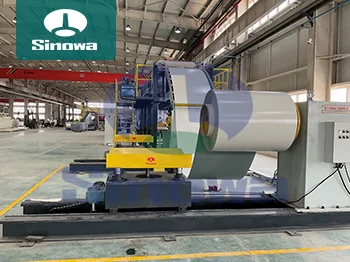
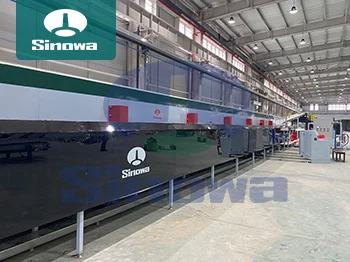
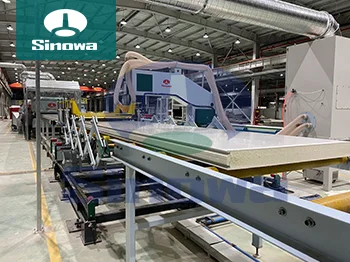
Sinowa is committed to the development and manufacturing of high-end and high-efficiency continuous sandwich panel production line. Our continuous sandwich panel production line are leading the way in efficiency, automatic control, human-computer interaction, environmental protection and energy consumption. Using system integration and bus control technology, it realizes the automatic integrated linkage control of the entire continuous sandwich panel production line, and can achieve remote interactive communication, which has the world-class level and a comprehensive leading high-performance continuous sandwich panel production line in the market.
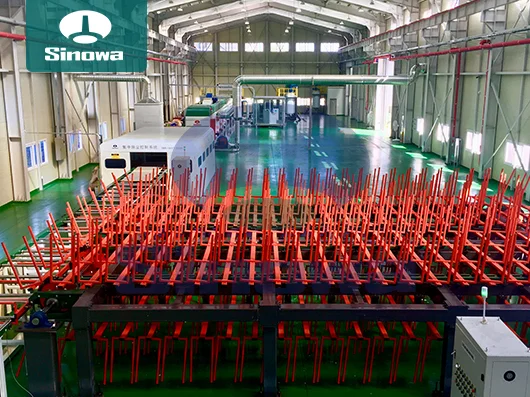
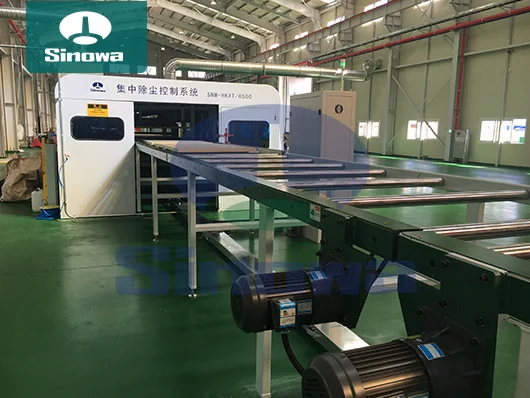
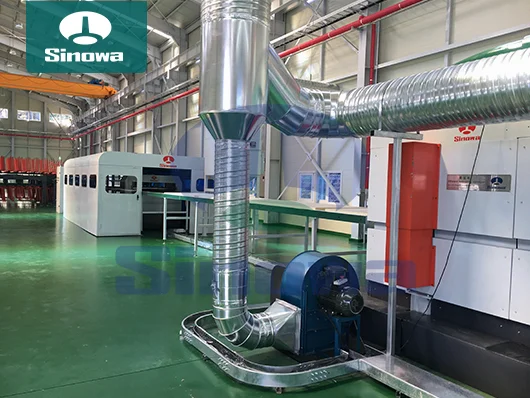
For more than ten years, relying on our innovative manufacturing concept and excellence in quality, reliable and trustworthy service to customers, we cooperate with customers all over the world, exported products to Canada, South Korea, Israel, Australia, the Middle East and other more than 20 countries and regions. contributed to building energy conservation and low-carbon production and have won widespread praise.
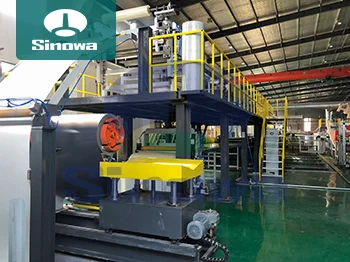
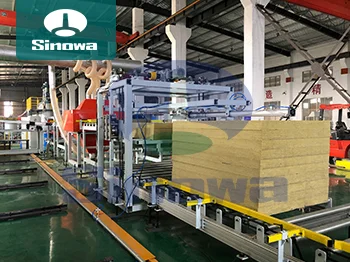
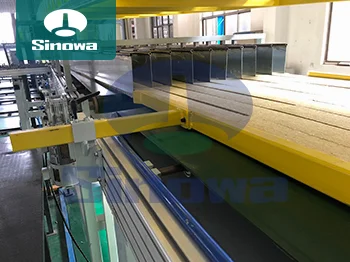
Sinowa has invested outstanding efforts in continuous sandwich panel production line, this is why our products are more efficiency, quality, automatic control technology, environmental protection, energy consumption indicators and the appearance and safety protection are comprehensively leading, some subversive design changes in many major technical points, these major innovations make our products excellent in price/performance and user experience.
In the evolving landscape of modern manufacturing, the high-quality continuous sandwich panel production line stands as a cornerstone of efficiency, consistency, and performance, catering to the growing demands of industries ranging from construction and logistics to cold chain and industrial infrastructure. This advanced production system represents a synthesis of precision engineering, automated control, and material science, enabling the seamless fabrication of sandwich panels—composite structures consisting of two outer facings and a core material—that excel in thermal insulation, structural integrity, and versatility. Unlike discrete production methods, continuous lines operate with uninterrupted workflows, minimizing material waste, reducing human error, and ensuring uniform product quality across large-volume outputs, making them indispensable in today’s fast-paced industrial environment.
The fundamental strength of a high-quality continuous sandwich panel production line lies in its integrated design, which orchestrates a series of interconnected processes into a cohesive operation. At the heart of this system is the principle of synchronized material handling and processing, where each stage—from raw material preparation to finished product stacking—operates in harmony to maintain production momentum and quality standards. Raw materials for sandwich panels exhibit significant diversity, with facings typically including metal sheets (such as color steel or aluminum), fiber cement boards, or flexible materials like aluminum foil and non-woven fabrics, while core materials range from polyurethane (PU) and polyisocyanurate (PIR) foams to rock wool and glass wool. The production line’s ability to accommodate this material variety, often through modular adjustments, underscores its adaptability to diverse application requirements, whether for energy-efficient building envelopes, cold storage facilities, or sound-insulating industrial partitions.
Raw material preparation constitutes the initial and critical phase of the continuous production process, laying the groundwork for subsequent manufacturing steps. For rigid facings like metal coils, the line begins with uncoiling equipment that safely unwinds large rolls while maintaining tension control to prevent material deformation. Advanced uncoiling systems are equipped with servo-driven correction mechanisms that ensure the material feeds straight into the production line, avoiding misalignment that could compromise the panel’s structural symmetry. Following uncoiling, the facings undergo pre-processing steps tailored to their material type: metal sheets may pass through leveling rollers to eliminate surface imperfections and ensure flatness, while flexible facings like foil or non-woven fabrics are subjected to pre-heating to optimize adhesion with the core material. This pre-heating stage is particularly crucial for foam core materials, as it promotes uniform foaming and bonding by bringing the facings to an optimal temperature range, typically between 60°C and 80°C, depending on the core material formulation.
The core formation and lamination process represents the technical centerpiece of the continuous production line, where the sandwich panel’s unique structural and performance characteristics are defined. For foam core panels (such as PU or PIR), this stage involves precise metering and mixing of reactive components. High-pressure metering units deliver polyol and isocyanate, along with additives like catalysts, blowing agents, and flame retardants, in exact proportions to a mixing head. The mixing head, equipped with dynamic mixing elements, ensures thorough homogenization of the components, which is essential for creating a foam core with uniform cell structure— a key factor in the panel’s thermal insulation efficiency and mechanical strength. Blowing agents, such as cyclopentane, play a critical role in determining the foam’s density and insulation properties, and their precise delivery is controlled by mass flow meters to maintain consistency batch after batch.
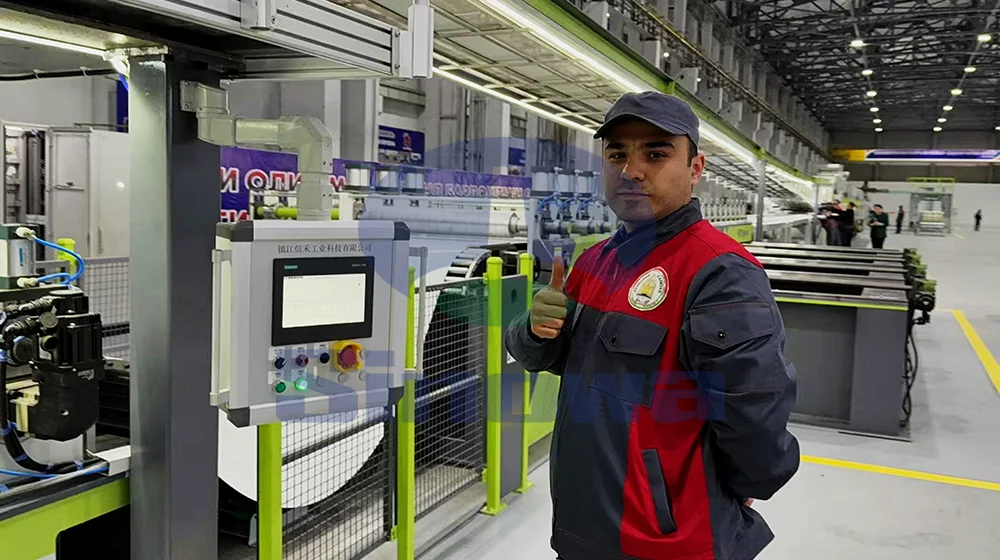
Once mixed, the foam mixture is continuously deposited onto the moving lower facing material, which is conveyed at a steady speed by a precision belt system. Simultaneously, the upper facing material is fed into position, and both facings—with the foam mixture between them—enter a double-track lamination conveyor. This conveyor consists of two parallel, temperature-controlled belts that apply uniform pressure to the composite structure as the foam expands and cures. The temperature and pressure settings within the lamination zone are carefully regulated to control the foam’s expansion rate and curing time; for PU foam, for example, the belt temperature is typically maintained around 80°C to facilitate complete curing within the line’s residence time. The lamination conveyor’s length, which can range from 20 meters to over 30 meters depending on production speed and curing requirements, ensures that the foam core achieves sufficient structural stability before proceeding to subsequent processing steps.
For mineral core panels (such as rock wool or glass wool), the production process differs slightly but maintains the same emphasis on continuous integration. In these systems, pre-cut mineral wool boards are fed into the line between the upper and lower facings, which are then bonded together using specialized adhesives. The adhesive application is controlled by precision nozzles to ensure uniform coverage without excess, minimizing waste and ensuring strong bonding. The composite structure then passes through a lamination zone where pressure and temperature are optimized to activate the adhesive and create a secure bond between the facings and the mineral core. Regardless of the core material, the continuous lamination process ensures that the sandwich panels have consistent thickness and bonding strength, eliminating the inconsistencies often associated with manual or batch processing.
Post-processing is another vital stage in ensuring the quality and usability of the finished sandwich panels. After exiting the lamination conveyor, the continuous panel web undergoes edge trimming to achieve precise width dimensions. Trimming is performed by high-speed saws or milling tools that cut the panel edges cleanly without causing fraying or material damage. The trimmed edges also enhance the panel’s fit during installation, ensuring tight joints that improve thermal insulation and structural performance. Following edge trimming, the continuous panel web is cut into predetermined lengths by an automatic tracking crosscut saw. This saw operates in synchronization with the line’s speed, ensuring accurate length dimensions and clean cuts, even at high production rates. Advanced crosscut systems use laser positioning to maintain cutting precision, with length tolerances typically within ±2mm—critical for applications requiring modular assembly, such as prefabricated buildings.
Cooling and finishing complete the post-processing stage. Depending on the core material, the cut panels may pass through a cooling zone to reduce their temperature before stacking, preventing thermal deformation and ensuring dimensional stability. For foam core panels, cooling also helps complete the curing process, enhancing the core’s mechanical properties. Finishing steps may include the application of protective films to the panel surfaces to prevent scratches during storage and transportation, or the insertion of edge seals to improve moisture resistance. The finished panels are then automatically stacked by robotic systems or stacking machines, which arrange them in neat bundles according to customer specifications. This automated stacking not only improves efficiency but also reduces the risk of damage caused by manual handling.
Quality control is embedded throughout every stage of the high-quality continuous sandwich panel production line, serving as a proactive safeguard against defects and inconsistencies. Real-time monitoring systems play a central role in this effort, with sensors and cameras installed at key points to track critical parameters. Thickness sensors, for example, continuously measure the panel’s thickness as it exits the lamination zone, adjusting the lamination pressure or material feed rates automatically if deviations are detected. This ensures that the panel thickness remains within the specified range—typically between 20mm and 200mm for most applications—without human intervention. Surface inspection cameras scan the panel facings for defects such as scratches, dents, or uneven coating, triggering alerts if anomalies are identified, allowing for immediate adjustments to the production process.
In addition to real-time monitoring, in-process testing of material properties ensures that the finished panels meet performance requirements. For thermal insulation, samples are periodically taken to measure thermal conductivity, with PU foam cores typically achieving values as low as 0.022 W/(m·K)—significantly lower than traditional insulation materials like brick or concrete. Mechanical testing, including tensile strength and bending resistance tests, is conducted regularly to verify the panel’s structural integrity, ensuring it can withstand the loads and stresses of its intended application. For fire-resistant panels, such as those with rock wool cores, periodic flammability tests confirm compliance with fire safety standards, ensuring the panels meet the required fire rating for their intended use. Data from these tests is recorded and analyzed, providing insights that drive continuous process improvement.
The control system of a high-quality continuous sandwich panel production line is the nerve center that integrates all these processes, enabling seamless operation and precise parameter adjustment. Modern control systems use advanced programmable logic controllers (PLCs) and human-machine interfaces (HMIs) that provide operators with real-time visibility into all production parameters, including line speed, material feed rates, temperature, pressure, and quality metrics. The HMI displays this information in intuitive graphs and dashboards, allowing operators to monitor performance at a glance and make adjustments as needed. Advanced systems also feature remote monitoring capabilities, enabling technical support teams to access the line’s data remotely, troubleshoot issues, and optimize performance without being on-site. This remote functionality minimizes downtime and ensures that the production line operates at peak efficiency.
Energy efficiency and environmental sustainability are increasingly important considerations in the design and operation of high-quality continuous sandwich panel production lines. Modern lines incorporate a range of energy-saving features to reduce their environmental footprint and operational costs. For example, the lamination conveyor and pre-heating zones use energy-efficient heating systems with insulation to minimize heat loss, while variable frequency drives (VFDs) adjust the speed of motors and conveyors according to production demand, reducing energy consumption during low-volume production. Closed-loop cooling systems recirculate cooling water, minimizing water waste, while efficient dust collection systems capture particulate matter from trimming and cutting processes, improving air quality and complying with environmental regulations.
The use of eco-friendly materials and processes further enhances the sustainability of these production lines. Many modern lines are designed to handle bio-based foam core materials, which reduce reliance on fossil fuels and lower carbon emissions. Blowing agents with low global warming potential (GWP), such as cyclopentane, have replaced traditional high-GWP alternatives, reducing the environmental impact of the foam production process. Additionally, the modular design of these lines facilitates the recycling of material waste, with trimmed edges and scrap materials collected and reprocessed wherever possible. These sustainable practices not only benefit the environment but also align with the growing demand for green building materials in the construction industry.
The versatility of high-quality continuous sandwich panel production lines is one of their most significant advantages, enabling them to produce a wide range of panel types to meet diverse application needs. By adjusting modular components, these lines can switch between producing roof panels, wall panels, and cold storage panels with minimal downtime. For example, a single line can produce PU foam core panels for cold storage facilities—where thermal insulation and moisture resistance are critical—and then be reconfigured to produce rock wool core panels for fire-resistant walls in hospitals or schools. The ability to handle different facing materials, from color steel to aluminum foil, further expands the line’s application range, making it suitable for industries such as agriculture (for greenhouse panels), transportation (for vehicle insulation), and data centers (for sound-insulating and fire-resistant partitions).
The impact of high-quality continuous sandwich panel production lines extends beyond the manufacturing floor, driving efficiency and innovation in the industries they serve. In the construction industry, for example, the high-volume production of precision sandwich panels has accelerated the adoption of prefabricated building methods. Prefabricated buildings using sandwich panels can be constructed in a fraction of the time required for traditional construction, reducing labor costs and minimizing construction waste. A typical prefabricated warehouse using sandwich panels, for instance, can be erected in two months compared to six months for a traditional brick-and-mortar structure. This speed of construction is particularly valuable in emergency situations, such as the rapid construction of temporary hospitals or disaster relief shelters, where sandwich panels have been used to build functional facilities in as little as 72 hours.
In the cold chain industry, the thermal insulation performance of sandwich panels produced by these lines is critical for maintaining temperature stability. Cold storage facilities using PU foam core panels can reduce energy consumption by up to 25% compared to those using traditional insulation materials, lowering operational costs and reducing carbon emissions. The ability of continuous lines to produce panels with consistent thermal properties ensures that cold storage facilities maintain uniform temperatures throughout, protecting perishable goods and complying with food safety regulations. Similarly, in industrial settings, sandwich panels produced by these lines provide effective sound insulation, reducing noise levels in factories and improving working conditions for employees.
Looking to the future, the high-quality continuous sandwich panel production line is poised to evolve further, driven by advancements in automation, material science, and digital technology. The integration of artificial intelligence (AI) and machine learning into control systems will enable predictive maintenance, where potential equipment failures are identified before they occur, minimizing downtime and reducing maintenance costs. AI-powered quality control systems will also enhance defect detection capabilities, with machine vision systems able to identify even the smallest surface imperfections or core inconsistencies. The development of smart sandwich panels—incorporating sensors for temperature, humidity, and structural deformation—will create new opportunities for continuous production lines, as they will need to integrate sensor installation into the manufacturing process.
Material innovation will also shape the future of these production lines. The development of high-performance core materials, such as nanomodified foams with enhanced fire resistance and thermal insulation properties, will require production lines to accommodate new material formulations and processing parameters. The integration of renewable materials, such as bio-based polyols and recycled facings, will further enhance the sustainability of sandwich panels, driving demand for production lines capable of processing these eco-friendly materials. Additionally, the trend toward multifunctional sandwich panels—combining insulation, soundproofing, and photovoltaic (PV) capabilities—will require continuous lines to incorporate additional processing stages, such as PV cell integration, into their workflows.
In conclusion, the high-quality continuous sandwich panel production line represents a remarkable achievement in modern manufacturing, combining precision, efficiency, and versatility to meet the diverse needs of global industries. Its integrated design, advanced control systems, and embedded quality control ensure consistent production of high-performance sandwich panels, while its adaptability enables it to accommodate a wide range of materials and applications. As industries continue to prioritize sustainability, efficiency, and performance, the role of these production lines will become increasingly important, driving innovation in material science and manufacturing technology. Whether in the construction of energy-efficient buildings, the operation of cold chain facilities, or the development of prefabricated structures, the high-quality continuous sandwich panel production line will remain a vital enabler of progress, supporting the transition to a more sustainable and efficient industrial future.
« High-quality Continuous Sandwich Panel Production Line » Update Date: 2026/1/9
- Metal Sandwich Panel Production Line Supplier
- Glass Wool Sandwich Panel Line Design
- Good Price And Quality PU Foam Production Line
- Highly Intelligent Polyurethane Sandwich Panel Manufacturing Line
- High-end Polyurethane Sandwich Panel Line
- High-end Corrugated Sandwich Panel Production Line
- PU Insulated Panel Production Line For Sale
- Fully Automatic PU Sandwich Panel Line Design
- Glass Wool Sandwich Panel Line
- Glass Wool Sandwich Panel Line Supplier
- Customized PUF Panel Making Machine
- Glass Wool Panel Production Line
- Highly Intelligent Continuous PU Sandwich Panel Production Line
- Exterior Wall Insulation Panel Production Line On Sales
- PUR Sandwich Panel Production Line On Sales
- PIR Sandwich Panel Machine Factory
- High-tech Metal Sandwich Panel Production Line
- Fully Automatic PU Sandwich Panel Production Line
- Continuous PU Sandwich Panel Production Line For Roof
- High-tech Continuous Sandwich Panel Production Line
- Links:
- Sandwich Panel Continuous Production Line
- Automatic and Continuous Sandwich Panel Production Line
- Cheap and Low Price Sandwich Panel Production Line
- China Sandwich Panel Production Line Factory
- Color Steel Sandwich Panel Production Line For Cold Storage
- Continuous Composite Foam Sandwich Panel Production Line
- Continuous Production Line For Rockwool and Mineral Wool Sandwich Panels
- Continuous PU Phenolic Insulation Panel Production Line
- Continuous PU PIR Sandwich Panel Production Line
- Continuous PUF PUR Sandwich Panel Production Line
- Continuous Sandwich Panel Production Line For Roof and Wall
- Customized and Design Sandwich Panel Production Line
- Decorative Sandwich Panel Production Line For Glass Wool Boards
- High Quality Sandwich Panel Production Line For Sale
- Polyurethane(PU) Sandwich Panel Production Line
- Sandwich Panel Production Line Manufacturer and Supplier