
Polyurethane Sandwich Panel Production Line For Clean Room
Sinowa is a well-known manufacturer and technical service provider of high-end polyurethane sandwich panel production line, learn more about polyurethane sandwich panel production line for clean room, please contact Sinowa's technical engineer, tell us what you need, we will contact you as soon as possible!
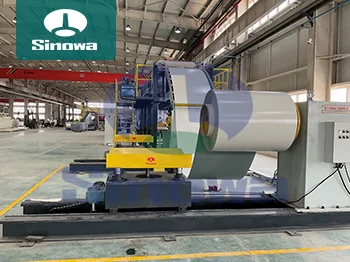
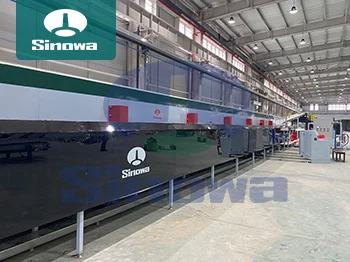
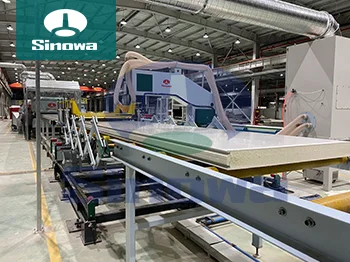
Sinowa is committed to the development and manufacturing of high-end and high-efficiency polyurethane sandwich panel production line. Our polyurethane sandwich panel production line are leading the way in efficiency, automatic control, human-computer interaction, environmental protection and energy consumption. Using system integration and bus control technology, it realizes the automatic integrated linkage control of the entire polyurethane sandwich panel production line, and can achieve remote interactive communication, which has the world-class level and a comprehensive leading high-performance polyurethane sandwich panel production line in the market.
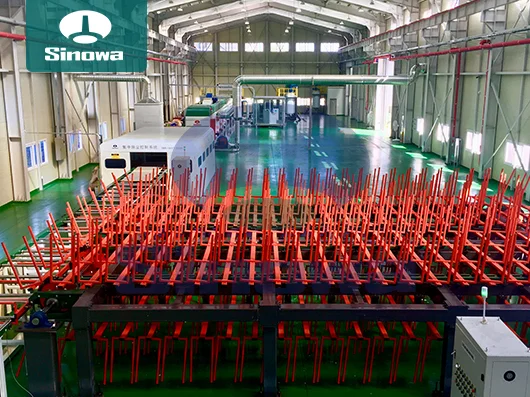
For more than ten years, relying on our innovative manufacturing concept and excellence in quality, reliable and trustworthy service to customers, we cooperate with customers all over the world, exported products to Canada, South Korea, Israel, Australia, the Middle East and other more than 20 countries and regions. contributed to building energy conservation and low-carbon production and have won widespread praise.
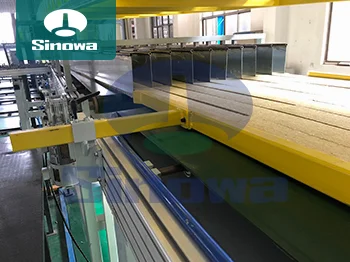
Sinowa has invested outstanding efforts in polyurethane sandwich panel production line, this is why our products are more efficiency, quality, automatic control technology, environmental protection, energy consumption indicators and the appearance and safety protection are comprehensively leading, some subversive design changes in many major technical points, these major innovations make our products excellent in price/performance and user experience.
In modern industrial and medical fields, clean rooms have become an indispensable part of ensuring product quality and operational safety, especially in industries such as pharmaceuticals, electronics, food processing, and precision manufacturing. The core requirement of a clean room is to maintain a strictly controlled environment with minimal dust, microorganisms, and other contaminants, which places extremely high demands on the building materials used. Among these materials, polyurethane sandwich panels have emerged as the preferred choice for clean room construction due to their excellent thermal insulation, airtightness, moisture resistance, and easy-to-clean properties. The production of high-quality polyurethane sandwich panels that meet the strict standards of clean rooms relies on a sophisticated and specialized production line, which integrates multiple processes and technologies to ensure the panels’ performance, precision, and consistency.
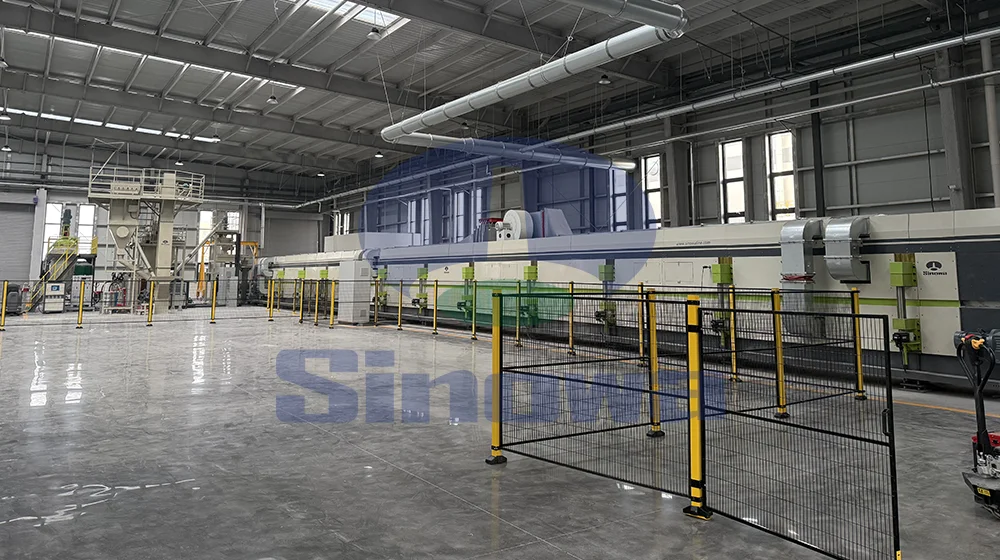
Polyurethane sandwich panels are composite materials consisting of two outer facing layers and a core layer made of polyurethane foam. The outer layers, often made of metal sheets such as galvanized steel or aluminum, provide structural strength and a smooth, easy-to-clean surface, which is crucial for maintaining the cleanliness of clean rooms. The polyurethane core layer, formed by the reaction of isocyanate and polyol, offers exceptional thermal insulation and sound insulation properties, while also contributing to the panel’s lightweight and high strength. For clean room applications, these panels must meet additional requirements, such as low particle emission, non-toxicity, corrosion resistance, and tight sealing performance to prevent the penetration of dust and moisture. To achieve these requirements, the production line must be designed with precision and equipped with advanced technologies to control every stage of the manufacturing process.
The working principle of a polyurethane sandwich panel production line for clean rooms is based on the continuous and automated integration of several key processes: material preparation, surface treatment of facing layers, polyurethane foam mixing and pouring, lamination and curing, cutting, and post-processing. Each process is closely linked, and any deviation in one stage can affect the final quality of the panels. The production line operates in a continuous manner, ensuring high efficiency and consistent product quality, which is essential for meeting the large-scale demand for clean room construction materials. Unlike traditional manual or semi-automated production methods, modern production lines use advanced control systems to monitor and adjust process parameters in real time, minimizing human error and ensuring that each panel meets the strict specifications required for clean room use.
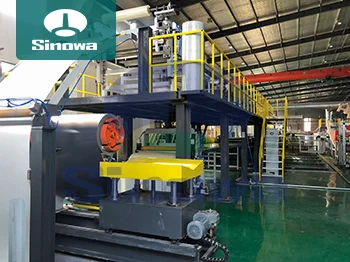
The core components of a polyurethane sandwich panel production line for clean rooms are designed to work together seamlessly to achieve optimal production results. The first key component is the material handling system, which is responsible for feeding the raw materials into the production line in a controlled and efficient manner. This system includes unwinding units for the outer facing layers, which can handle different types of metal coils and ensure that the sheets are fed smoothly without wrinkles or damage. The unwinding units are equipped with tension control devices to maintain consistent tension throughout the feeding process, which is crucial for ensuring the flatness of the final panels. Additionally, the material handling system includes storage and conveying equipment for the polyurethane raw materials, which are stored in sealed containers to prevent contamination and ensure their stability.
Another essential component is the surface treatment system, which prepares the outer facing layers for bonding with the polyurethane core. For clean room panels, the surface of the facing layers must be clean, smooth, and free of any oil, dust, or other contaminants that could affect the adhesion between the facing and the core. The surface treatment process typically includes cleaning, degreasing, and chemical treatment steps. The cleaning step removes any surface impurities using high-pressure air or chemical cleaners, while the degreasing step eliminates any oil residues that could prevent proper bonding. Some production lines also include a corona treatment process, which increases the surface energy of the facing layers, further improving the adhesion strength between the facing and the polyurethane foam. This surface treatment is critical for ensuring the durability and airtightness of the panels, as any gap between the facing and the core could allow dust or moisture to enter, compromising the clean room environment.
The polyurethane foam mixing and pouring system is the heart of the production line, as it determines the quality and performance of the core layer. This system consists of metering pumps, mixing heads, and pouring nozzles, which work together to accurately mix the isocyanate and polyol components in the correct ratio. The metering pumps ensure that the two components are delivered in precise quantities, as any deviation in the ratio can affect the foaming process and the final properties of the foam. The mixing head uses high-pressure mixing technology to ensure that the components are thoroughly mixed, resulting in a uniform foam structure. The pouring nozzle distributes the mixed polyurethane material evenly onto the lower facing layer, ensuring that the core layer has a consistent thickness and density. For clean room applications, the polyurethane foam must be formulated to be low-emission, non-toxic, and resistant to microbial growth, which requires strict control of the raw materials and the mixing process.
The lamination and curing system is responsible for bonding the outer facing layers to the polyurethane core and ensuring that the foam cures properly. This system typically includes a double-track laminating machine, which consists of upper and lower conveyor chains with heating and pressure plates. The lower facing layer, with the poured polyurethane foam, is fed into the laminating machine, and the upper facing layer is added on top. The heating plates maintain a constant temperature, which accelerates the curing process of the polyurethane foam, while the pressure plates ensure that the facing layers are firmly bonded to the core. The curing temperature and pressure are carefully controlled to ensure that the foam cures completely and that the bond between the facing and the core is strong and uniform. The length of the curing zone is designed to provide sufficient time for the foam to cure, which is typically between 30 to 50 meters depending on the production speed and the desired curing degree. This continuous lamination and curing process ensures that the panels have a smooth surface, consistent thickness, and excellent structural integrity.
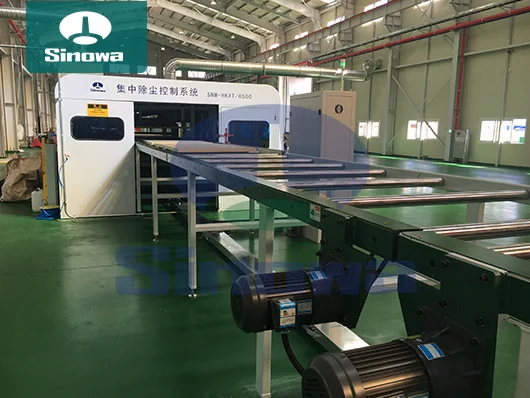
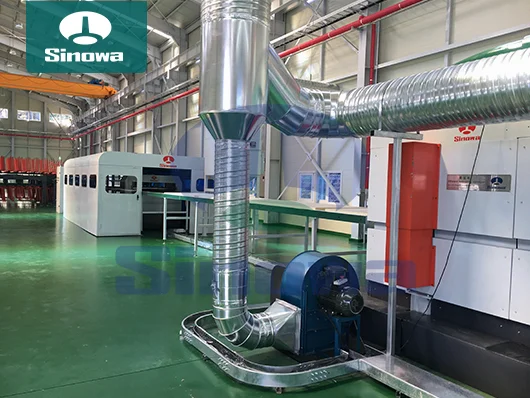
After the lamination and curing process, the panels move to the cutting system, which trims the panels to the required length and width. The cutting system uses a high-precision flying saw or circular saw, which is controlled by a servo system to ensure accurate cutting. The cutting precision is crucial for clean room panels, as any irregularities in the size or shape of the panels can affect the installation process and the airtightness of the clean room. The cutting system is also equipped with dust collection devices to remove any dust generated during the cutting process, preventing contamination of the panels and the production environment. Some production lines also include edge trimming devices to ensure that the edges of the panels are smooth and straight, which is important for achieving a tight seal when the panels are installed.
Post-processing is another important stage in the production line, which includes quality inspection, surface treatment, and packaging. The quality inspection process involves checking the panels for any defects, such as uneven thickness, poor adhesion, surface scratches, or foam defects. Panels that do not meet the quality standards are rejected or reworked to ensure that only high-quality products are delivered. For clean room panels, additional inspections may be conducted to test the panels’ airtightness, moisture resistance, and particle emission levels. The surface treatment step may include applying a protective coating to the outer facing layers to enhance their corrosion resistance and easy-to-clean properties. Finally, the panels are packaged in protective materials to prevent damage during transportation and storage, ensuring that they arrive at the construction site in perfect condition.
Quality control is a critical aspect of the polyurethane sandwich panel production line for clean rooms, as the panels must meet strict performance and safety standards. The production line is equipped with a comprehensive quality control system that monitors every stage of the production process. This system includes sensors and monitoring devices that measure key parameters such as the temperature and pressure of the lamination process, the ratio of the polyurethane components, the thickness of the panels, and the cutting precision. The data collected by these devices is analyzed in real time, and any deviations from the set standards trigger an alarm, allowing operators to make immediate adjustments. Additionally, regular sampling and testing are conducted to verify the panels’ performance, including thermal conductivity, compressive strength, tensile strength, and airtightness. This rigorous quality control ensures that the panels are consistent in quality and meet the specific requirements of clean room applications.
The use of a specialized polyurethane sandwich panel production line for clean rooms offers several unique advantages. First, the automated production process ensures high efficiency and high output, which is essential for large-scale clean room construction projects. The continuous production mode reduces production time and labor costs, while also minimizing human error, resulting in consistent product quality. Second, the precision control of the production process ensures that the panels have uniform thickness, smooth surfaces, and strong adhesion between the facing and the core, which is crucial for maintaining the airtightness and cleanliness of the clean room. Third, the production line can be adjusted to produce panels of different specifications, including different thicknesses, lengths, and surface materials, to meet the diverse needs of different clean room applications. For example, panels used in pharmaceutical clean rooms may require a higher level of corrosion resistance, while panels used in electronic clean rooms may need to be anti-static.
Another significant advantage of these production lines is their ability to produce environmentally friendly and sustainable panels. The polyurethane foam used in the core layer can be formulated with eco-friendly raw materials, reducing the environmental impact of the production process. Additionally, the panels are lightweight, which reduces the overall weight of the clean room structure, leading to lower energy consumption during construction and operation. The excellent thermal insulation properties of the polyurethane core also help to reduce the energy consumption of the clean room’s heating and cooling systems, contributing to long-term energy savings. Furthermore, the panels are durable and have a long service life, reducing the need for frequent replacement and minimizing waste.
In the context of the growing demand for clean rooms in various industries, the importance of specialized polyurethane sandwich panel production lines continues to increase. These production lines play a crucial role in ensuring the availability of high-quality building materials that meet the strict standards of clean room environments. As technology advances, the production lines are becoming more automated, efficient, and precise, with the integration of advanced control systems, artificial intelligence, and IoT technology. This allows for real-time monitoring and optimization of the production process, further improving product quality and reducing production costs.
For example, some modern production lines use AI-powered monitoring systems to predict potential defects in the panels before they occur, allowing operators to take preventive measures. IoT technology enables remote monitoring of the production line, allowing managers to access real-time production data and make adjustments from anywhere. These technological advancements are helping to drive the development of the polyurethane sandwich panel industry, making it more efficient, sustainable, and capable of meeting the evolving needs of clean room construction.
In conclusion, the polyurethane sandwich panel production line for clean rooms is a sophisticated and specialized system that integrates multiple processes and technologies to produce high-quality panels that meet the strict requirements of clean room environments. From material preparation and surface treatment to foam mixing, lamination, cutting, and post-processing, every stage of the production process is carefully controlled to ensure the panels’ performance, precision, and consistency. The core components of the production line work together seamlessly to achieve high efficiency, uniform quality, and versatility, making it possible to produce panels of different specifications for various clean room applications. With the continuous advancement of technology, these production lines are becoming more automated and efficient, contributing to the development of the clean room industry and supporting the growth of various sectors that rely on clean environments. The use of these production lines not only ensures the quality and safety of clean rooms but also promotes environmental sustainability and energy efficiency, making them an essential part of modern industrial and medical infrastructure.
« Polyurethane Sandwich Panel Production Line For Clean Room » Update Date: 2026/4/17
- Sandwich Roof Panel Production Line
- Low Price PU Sandwich Panel Machine
- High Efficiency PU Sandwich Panel Making Machine
- High-quality Soundproofing Sandwich Panel Production Line
- PUR Sandwich Panel Production Line
- High Efficiency Polyurethane Sandwich Panel Production Line
- Low Price PU Insulated Panel Production Line
- Foam Core Sandwich Panel Line From China
- High-tech PU Board Production Line
- PUR Sandwich Panel Line
- Polyurethane Sandwich Panel Line From China
- High-end Continuous PU Sandwich Panel Production Line
- PUF Panel Making Machine From China
- Color Steel Sandwich Panel Production Line Supplier
- Glass Wool Production Line For Sale
- Cheap PUF Panel Machine
- PIR Sandwich Panel Production Line
- Continuous PU Sandwich Panel Line Supplier
- PUR Sandwich Panel Production Line Supplier
- High-end Insulated Sandwhich Panel Production Line
- Links:
- Sandwich Panel Continuous Production Line
- Automatic and Continuous Sandwich Panel Production Line
- Cheap and Low Price Sandwich Panel Production Line
- China Sandwich Panel Production Line Factory
- Color Steel Sandwich Panel Production Line For Cold Storage
- Continuous Composite Foam Sandwich Panel Production Line
- Continuous Production Line For Rockwool and Mineral Wool Sandwich Panels
- Continuous PU Phenolic Insulation Panel Production Line
- Continuous PU PIR Sandwich Panel Production Line
- Continuous PUF PUR Sandwich Panel Production Line
- Continuous Sandwich Panel Production Line For Roof and Wall
- Customized and Design Sandwich Panel Production Line
- Decorative Sandwich Panel Production Line For Glass Wool Boards
- High Quality Sandwich Panel Production Line For Sale
- Polyurethane(PU) Sandwich Panel Production Line
- Sandwich Panel Production Line Manufacturer and Supplier