
Polyurethane Sandwich Panel Production Line For Construction
Sinowa is a well-known manufacturer and technical service provider of high-end polyurethane sandwich panel production line, learn more about polyurethane sandwich panel production line for construction, please contact Sinowa's technical engineer, tell us what you need, we will contact you as soon as possible!
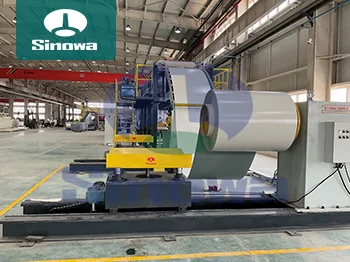
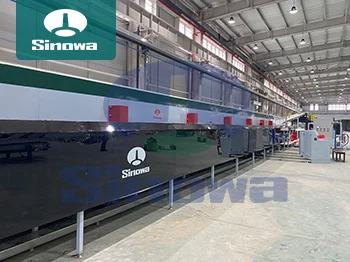
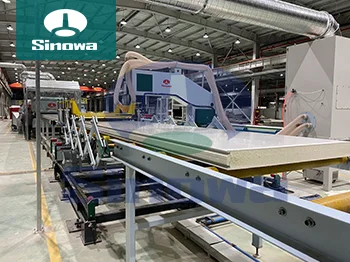
Sinowa is committed to the development and manufacturing of high-end and high-efficiency polyurethane sandwich panel production line. Our polyurethane sandwich panel production line are leading the way in efficiency, automatic control, human-computer interaction, environmental protection and energy consumption. Using system integration and bus control technology, it realizes the automatic integrated linkage control of the entire polyurethane sandwich panel production line, and can achieve remote interactive communication, which has the world-class level and a comprehensive leading high-performance polyurethane sandwich panel production line in the market.
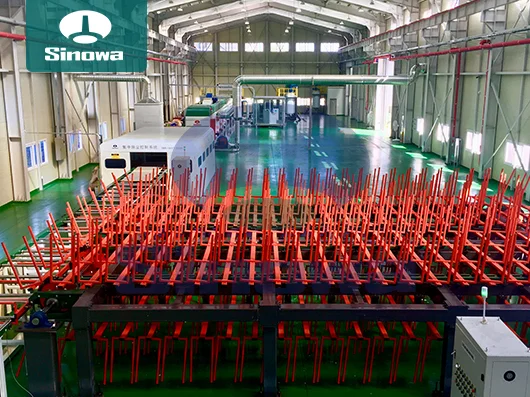
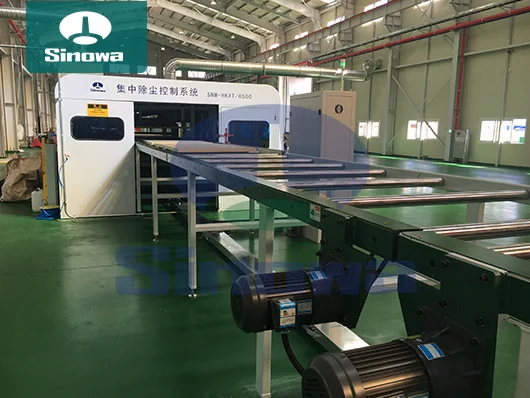
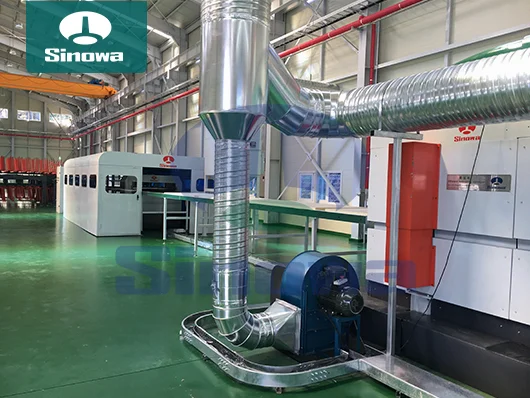
For more than ten years, relying on our innovative manufacturing concept and excellence in quality, reliable and trustworthy service to customers, we cooperate with customers all over the world, exported products to Canada, South Korea, Israel, Australia, the Middle East and other more than 20 countries and regions. contributed to building energy conservation and low-carbon production and have won widespread praise.
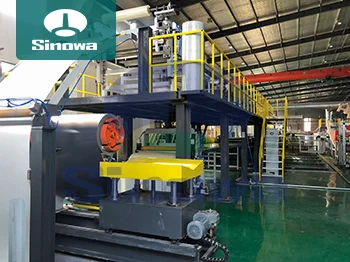
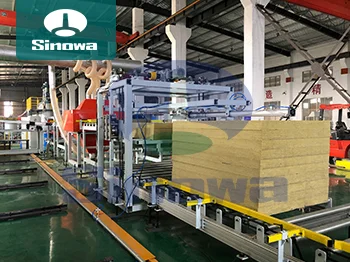
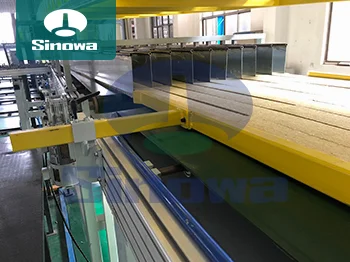
Sinowa has invested outstanding efforts in polyurethane sandwich panel production line, this is why our products are more efficiency, quality, automatic control technology, environmental protection, energy consumption indicators and the appearance and safety protection are comprehensively leading, some subversive design changes in many major technical points, these major innovations make our products excellent in price/performance and user experience.
In the modern construction industry, the demand for efficient, energy-saving, and durable building materials is constantly growing, driving the continuous upgrading of production equipment. The polyurethane sandwich panel production line for construction has emerged as a key equipment system that integrates mechanical engineering, materials science, and automation control technology, dedicated to producing high-quality composite panels with excellent insulation performance, structural strength, and versatility. These production lines have become an indispensable part of the construction material manufacturing sector, providing reliable support for various construction projects, from industrial plants and logistics centers to public facilities and residential buildings. Unlike traditional manual or semi-automatic production methods, the fully automatic polyurethane sandwich panel production line achieves continuous and high-efficiency production, ensuring the consistency and stability of product quality while significantly reducing labor intensity and improving production efficiency.
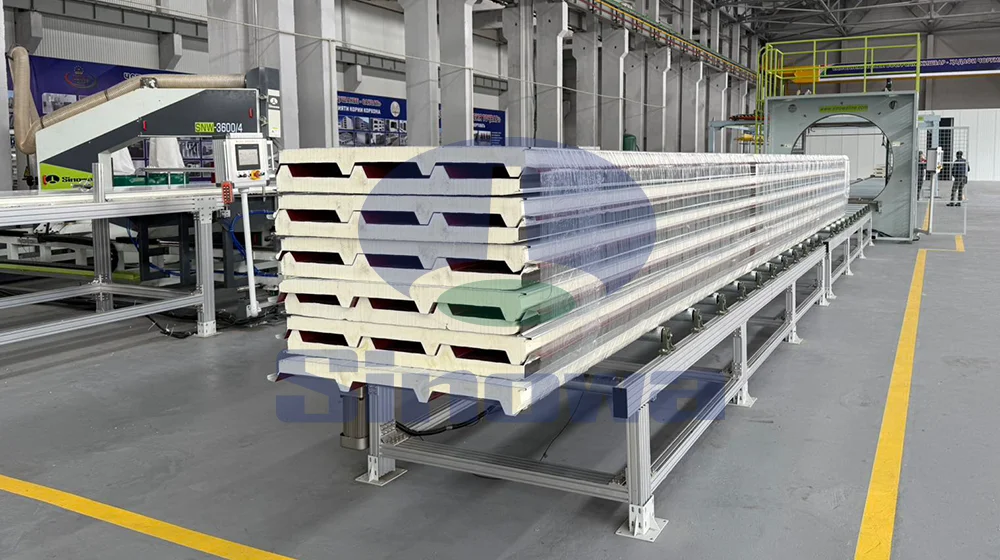
The polyurethane sandwich panel production line for construction is a highly integrated system composed of multiple functional modules that work in coordination, each undertaking critical links in the production process to ensure the smooth operation of the entire line. The core of the system lies in the seamless connection of each module, from raw material processing to finished product packaging, forming a complete production chain that covers every step of polyurethane sandwich panel manufacturing. The rational design and precise coordination of these modules not only determine the production efficiency of the line but also directly affect the performance and quality of the final products, making the structure and function of the production line a key factor in measuring its practical value in the construction industry.
The raw material processing system is the starting point of the entire production line, responsible for the preparation and preliminary processing of the surface materials and core materials required for polyurethane sandwich panels. The surface materials commonly used in construction include metal coils such as color steel plates, galvanized steel plates, and aluminum plates, which need to go through unwinding, leveling, and preprocessing before entering the next link. The unwinding system is usually equipped with a dual-station unwinding machine, which can realize non-stop roll changing, avoiding production interruptions caused by roll replacement and improving production efficiency. At the same time, the automatic correction device installed in the unwinding system ensures that the centering accuracy of the metal coil is within a small range, preventing deviation during the conveying process and ensuring the flatness of the surface materials. After unwinding, the metal coils enter the preprocessing unit, which includes cleaning, passivation, and preheating processes. The cleaning process removes oil stains, dust, and other impurities on the surface of the metal plates to enhance the bonding strength between the surface materials and the core material; the passivation treatment improves the corrosion resistance of the metal surface; and the preheating process adjusts the temperature of the metal plates to an appropriate range, laying a good foundation for the subsequent foaming and bonding links. For the core material, the polyurethane raw materials, mainly including polyols and isocyanates, are stored in special storage tanks, and the metering pump accurately controls the mixing ratio of the two components according to the production requirements, ensuring the stability of the foaming effect.
The forming and foaming system is the core part of the polyurethane sandwich panel production line, directly determining the internal structure, density, and insulation performance of the sandwich panels. This system mainly consists of a forming machine and a foaming machine, working together to complete the compounding of surface materials and core materials. The forming machine processes the preprocessed metal coils into the required shapes, such as flat plates, corrugated plates, or ribbed plates, according to the design requirements of the construction project. The multi-roll continuous forming machine is usually adopted, which uses 16-24 forming rollers for progressive forming, ensuring the accuracy and consistency of the plate shape. The hydraulic servo system equipped in the forming machine can precisely control the forming pressure and speed, adapting to the processing needs of different thicknesses and types of surface materials. In addition, the quick mold changing device allows the production line to switch between different plate types within a short time, improving the versatility of the production line.
The foaming machine is the key equipment for producing the polyurethane core layer, which is divided into low-pressure continuous type and high-pressure type according to the working pressure. The high-pressure foaming machine is more widely used in construction-oriented production lines because of its more uniform mixing effect and higher production efficiency. It uses an independent variable frequency motor to drive the metering pump, which can accurately control the flow rate of the raw materials, ensuring that the mixing ratio of polyols and isocyanates meets the technical requirements. The mixing head of the foaming machine adopts a self-cleaning design, which can avoid the waste of raw materials caused by the adhesion of mixed materials and ensure the mixing efficiency reaches a high level. The mobile fabric machine connected to the foaming machine can evenly distribute the mixed polyurethane raw materials on the bottom surface material, and its height and position can be adjusted according to the width and thickness of the panels, preventing local density unevenness of the core layer. After the raw materials are evenly distributed, the upper surface material is accurately placed on the foaming raw materials through the guiding device, and then the whole enters the laminating and curing system together.
The laminating and curing system is responsible for the bonding and curing of the surface materials and the core layer, ensuring that the three-layer structure of the polyurethane sandwich panel is firmly combined and has sufficient structural strength. This system is mainly composed of a double-track machine, which is usually 18-24 meters long, and is equipped with precision hydraulic lifting units and insulation units. The chain plate of the double-track machine is made of high-quality alloy steel, which has been quenched and ground to ensure smooth operation and uniform pressure. During the conveying process of the double-track machine, the hot air circulation system maintains the internal temperature at 60-70℃, which is the optimal temperature range for polyurethane foaming and curing. This stable temperature environment can accelerate the curing reaction of the polyurethane raw materials, ensuring that the core layer forms a uniform and dense foam structure, and at the same time promoting the full bonding between the core layer and the upper and lower surface materials. The hydraulic lifting unit can adjust the height of the chain plate according to the required thickness of the panels, ensuring the consistency of the panel thickness. In addition, the online thickness gauge installed in the laminating and curing system can monitor the thickness of the panels in real time, and adjust the production parameters in time if there is any deviation, ensuring the qualified rate of the products.
After the panels are cured and formed, they enter the post-processing system, which includes fixed-length sawing, trimming, cooling, and stacking. The fixed-length sawing machine adopts servo drive and achieves precise cutting through photoelectric or marking recognition, with a cutting accuracy that can meet the strict requirements of construction projects. The sawing machine is also equipped with a dust removal system to handle the cutting dust, ensuring a clean production environment and protecting the health of operators. The trimming device trims the edges of the cut panels to remove burrs and irregular parts, making the edges of the panels flat and smooth, which is convenient for the splicing and installation of the panels in the construction site. The cooled panels are then conveyed to the automatic stacking equipment, which stacks the finished panels neatly according to the specified quantity and specifications, facilitating subsequent packaging and transportation. Some advanced production lines can also be equipped with automatic packaging systems, which wrap the stacked panels with packaging materials to prevent damage during transportation and storage.
The polyurethane sandwich panel production line for construction is characterized by high automation, stable production quality, strong versatility, and environmental protection. The high degree of automation is reflected in the fact that the entire production process, from raw material unwinding, foaming, and curing to finished product cutting and stacking, can be completed under the control of the PLC system, requiring only a small number of operators to monitor and adjust the production parameters. This not only reduces labor costs but also avoids human errors, ensuring the consistency of product quality. The stable production quality is guaranteed by the precise control of each module, such as the accurate metering of raw materials, the stable temperature control of the curing system, and the precise cutting of the sawing machine, which makes the performance indicators of each batch of panels, such as density, thickness, and insulation performance, meet the design requirements. The strong versatility of the production line is reflected in its ability to produce panels of different specifications and types by adjusting production parameters and changing molds, such as wall panels, roof panels, and cold storage panels, which can meet the needs of different construction scenarios.
In terms of environmental protection, the modern polyurethane sandwich panel production line adopts environmentally friendly foaming agents, such as cyclopentane, instead of traditional CFC foaming agents that are harmful to the ozone layer, reducing environmental pollution. At the same time, the dust removal system and waste gas treatment equipment installed in the production line can effectively treat the dust and waste gas generated during the production process, meeting the environmental protection emission standards. In addition, the production line has a high utilization rate of raw materials, reducing the waste of raw materials, which is in line with the concept of sustainable development in the construction industry.
The polyurethane sandwich panels produced by this production line have excellent performance, making them widely used in various construction fields. In industrial construction, such as steel structure factories and workshops, polyurethane sandwich panels are used as wall and roof materials, which not only have good insulation and sound insulation performance but also are lightweight, reducing the load on the building structure. In logistics and warehousing facilities, especially cold storage centers, the excellent insulation performance of polyurethane sandwich panels can effectively maintain the internal low temperature environment, reduce energy consumption, and ensure the quality of stored goods. In public facilities, such as airports, railway stations, and stadiums, the polyurethane sandwich panels have the advantages of fast installation, high strength, and beautiful appearance, which can shorten the construction period and improve the overall quality of the building. In residential construction, especially in the renovation of old communities, polyurethane sandwich panels are used for external wall insulation and interior decoration, which can improve the energy efficiency of the house, reduce heating and cooling costs, and create a more comfortable living environment.
The application of polyurethane sandwich panel production lines in the construction industry has brought significant changes to the construction mode. Compared with traditional building materials, the polyurethane sandwich panels produced by the automatic production line have the advantages of fast installation speed, which can shorten the construction period by 40% or more, reducing the hidden costs such as equipment rental and management fees caused by the prolonged construction period. At the same time, the excellent insulation performance of the panels can reduce the energy consumption of the building by 30% or more, meeting the requirements of energy conservation and emission reduction in the construction industry. In addition, the lightweight and high-strength characteristics of the panels can reduce the use of supporting structures, saving construction materials and reducing construction costs.
With the continuous development of the construction industry, the requirements for building materials are becoming higher and higher, which puts forward new requirements for the polyurethane sandwich panel production line. In the future, the production line will develop in the direction of higher automation, intelligence, and customization. The integration of intelligent technologies such as artificial intelligence and the Internet of Things will make the production line realize real-time monitoring, fault early warning, and intelligent adjustment of the production process, further improving production efficiency and product quality. At the same time, according to the personalized needs of different construction projects, the production line will be able to realize more flexible customization production, producing panels of different specifications, colors, and performance to meet the diverse needs of the construction market. In addition, the research and development of new environmentally friendly raw materials and production technologies will further improve the environmental protection performance of the production line, making it more in line with the development trend of green construction.
In conclusion, the polyurethane sandwich panel production line for construction is an important equipment that promotes the upgrading of the construction material industry. Its highly integrated, automated, and environmentally friendly characteristics make it an indispensable part of modern construction material production. The polyurethane sandwich panels produced by the production line have excellent performance and wide application prospects, providing efficient, energy-saving, and durable solutions for various construction projects. With the continuous progress of technology and the continuous expansion of the construction market, the polyurethane sandwich panel production line will play a more important role in the construction industry, promoting the sustainable development of the construction industry towards green, energy-saving, and intelligent directions.
« Polyurethane Sandwich Panel Production Line For Construction » Update Date: 2026/4/13
- PUF Panel Machine On Sales
- PIR Sandwich Panel Line Design
- PIR Sandwich Panel Machine For House
- Automatic Sandwich Panel Production Line Manufacturer
- PUR Sandwich Panel Machine For Sale
- Custom Soundproofing Sandwich Panel Production Line
- Low Price Polyurethane Foam Production Line
- Cheap Sandwich Panel Foam Making Machine
- Low Price Fully Automatic PU Sandwich Panel Production Line
- PIR Sandwich Panel Line Supplier
- High-tech Foam Core Sandwich Panel Line
- Custom Continuous PUF Panel Production Line
- PU Sandwich Panel Making Machine For Construction
- High-end Continuous PU Sandwich Panel Line
- High-quality Sandwich Panel Foam Production Line
- Fully Automatic Sandwich Panel Making Machine Supplier
- High-end Polyurethane Sandwich Panel Manufacturing Line
- Color Steel Sandwich Panel Production Line In China
- Highly Intelligent Polyurethane Insulation Panel Production Line
- PU Sandwich Panel Machine On Sales
- Links:
- Sandwich Panel Continuous Production Line
- Automatic and Continuous Sandwich Panel Production Line
- Cheap and Low Price Sandwich Panel Production Line
- China Sandwich Panel Production Line Factory
- Color Steel Sandwich Panel Production Line For Cold Storage
- Continuous Composite Foam Sandwich Panel Production Line
- Continuous Production Line For Rockwool and Mineral Wool Sandwich Panels
- Continuous PU Phenolic Insulation Panel Production Line
- Continuous PU PIR Sandwich Panel Production Line
- Continuous PUF PUR Sandwich Panel Production Line
- Continuous Sandwich Panel Production Line For Roof and Wall
- Customized and Design Sandwich Panel Production Line
- Decorative Sandwich Panel Production Line For Glass Wool Boards
- High Quality Sandwich Panel Production Line For Sale
- Polyurethane(PU) Sandwich Panel Production Line
- Sandwich Panel Production Line Manufacturer and Supplier