
Insulation Board Production Line
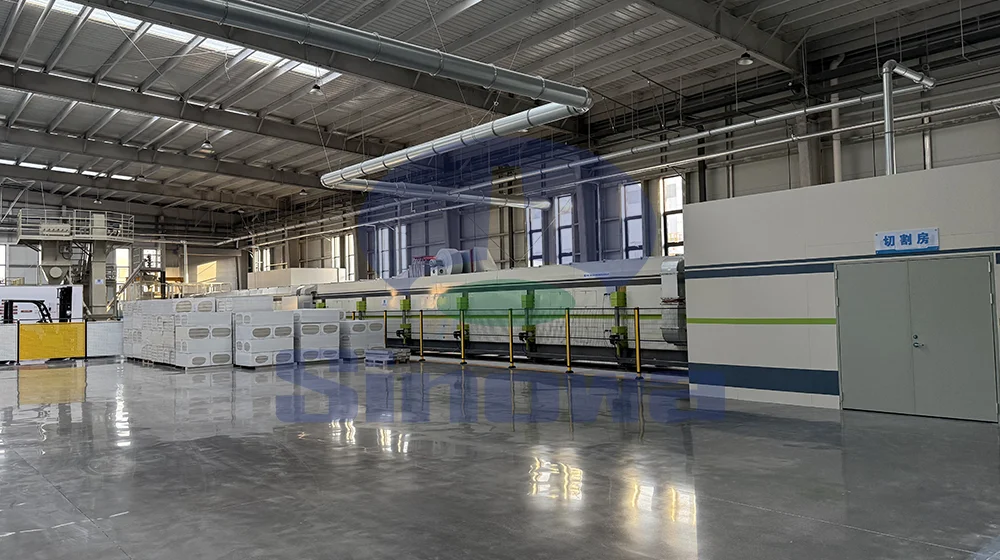
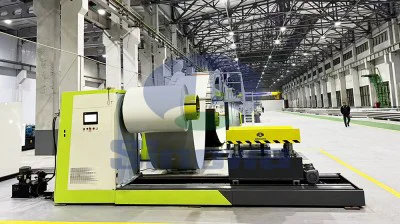
Sinowa is a insulation board production line supplier from china, customized high-quality & high efficiency insulation board production line at low price, insulation board production line has diversified and multifunctional production characteristics, which may produce products with different specifications such as PU, PF, PIR, etc. The surface material may be aluminum foil, colored steel, cement base cloth, kraft paper, non-woven fabrics, etc. The products are widely applied to such occasions as construction, decoration, pipeline ventilation, subway construction, etc.
The insulation board production line is able to continuously and efficiently produce high-quality PU and Phenolic insulation boards.
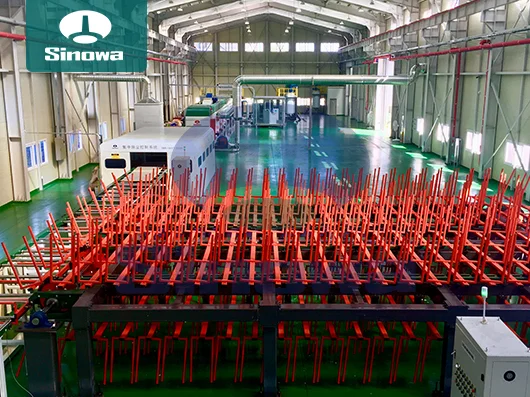
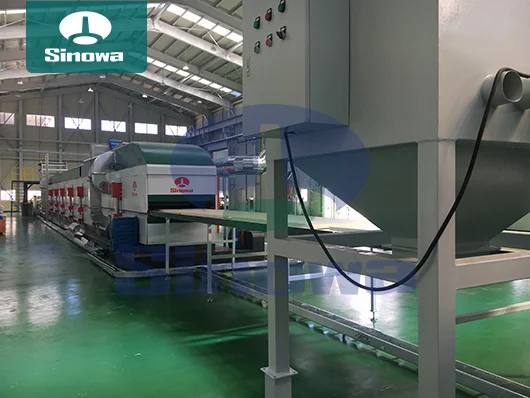
We spare no efforts to improve our product quality and technological reliability by employing the most cutting-edge and the most reliable support and processes to make our products highly reliable and endurable. As a result, the insulation board production line is highlighted by many perfect qualities. It is the core idea in Sinowa's product roadmap to surpass our competitors in terms of design philosophy, manufacture methods and service level, going for excellence and leading position and making constant improvement on our products and services, which is also our core value system to create efficiency and convenience for our customers.
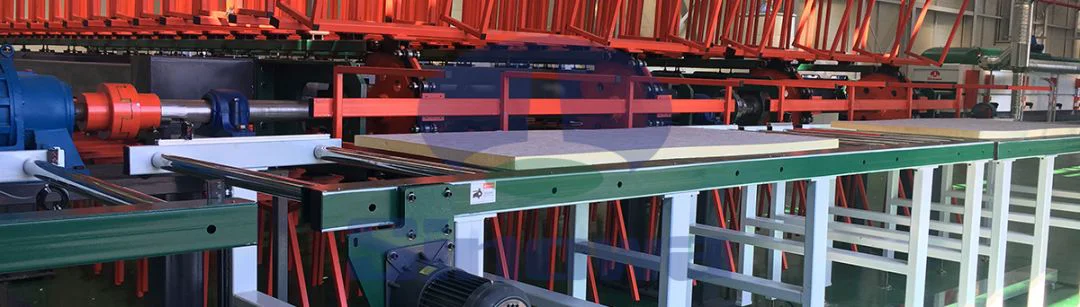
Well-grounded on our solid strength as a renowned large-scale enterprise, Sinowa has a high starting point in developing industrial assembly lines. Based on the advanced science and technology introduced from within and without the country and supported by a great number of first-grade parts and components from the home and aboard, the insulation board production line has a high-level configuration of supporting products in terms of machinery, electrical control, hydraulic pressure, automatic measurement and tracking, and so on. This is a strong proof of our product’s reliable quality and high efficiency.
The first-class appearance design and excellent energy saving measures make it unnecessary for customers to additionally construct the heat preservation and isolation room for production around the clock throughout the year, so that the customers may save lots of resources and costs.
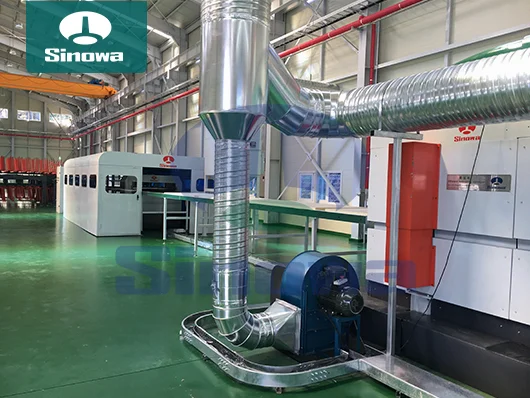
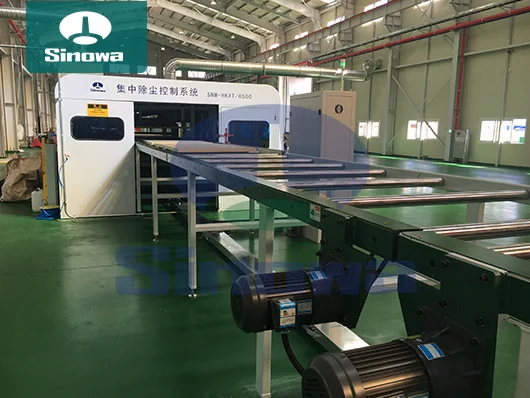
Modularized standard design and important parts machined with CNC machine tool make the insulation board production line have excellent quality assurance. Dependence on the man-made factors is eliminated. The operation is precision, with the highest operation speed of 30m/min. The insulation board production line has the world-class production efficiency.
The high performance and reliable multicomponent cyclopentane foaming technology and equipment of Sinowa may be also applied to the foaming process of the phenolic aldehyde board. Therefore, our customers may not only freely adjust the foaming matching according to the raw material, but also save lots of costs. Moreover, they are of significance for environmental protection.
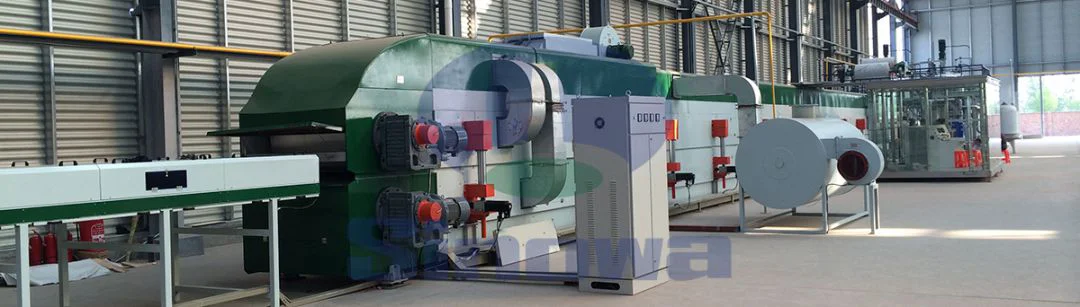
Sinowa's industrial production line of insulation panels is distinguished by its impressive performance of energy conservation. In each high point of energy consumption throughout the entire insulation board production line are implemented corresponding measures to considerably lower the consumption level. For example, the body of the lamination belt conveyer is covered with insulation panels in very reasonable structures, which doesn’t blemish the overall outlook but greatly increases the insulation performance. The entire insulation board production line is constantly optimized and improved so that the consumption of each power source is significantly reduced. The motor power of our lamination conveying system is only 3.0 kw, about 50% less than those of the same kind. All in all, the energy consumption of the whole industrial insulation board production line equals 40% or even less of the equivalent lines in the market.
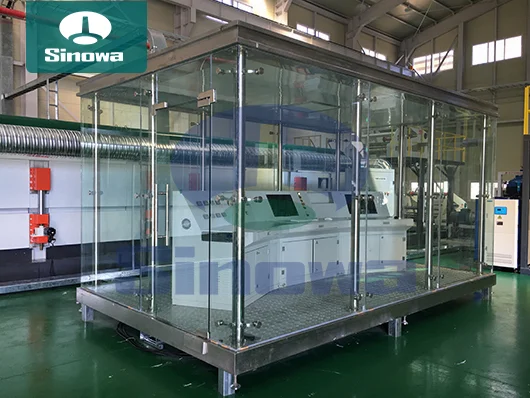
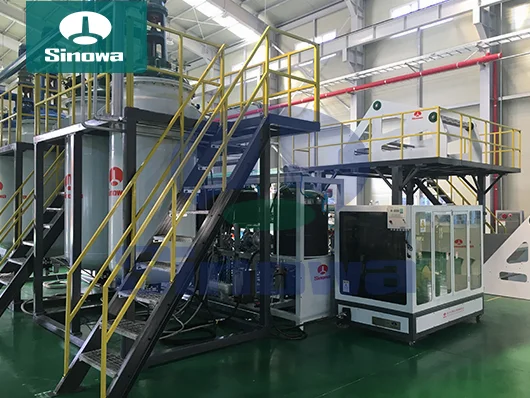
The insulation board production line of Sinowa adopts the most advanced concepts in the world to realize the modularized design with all the parts bolted together rather than welded. In standardized production, the parts can be dismantled and exchanged, so the production cycle is drastically shortened and the maintenance becomes by far easier. Through finite element analysis, the equipment design is greatly optimized to realize modularization, digitization, and weight-minimalization.
In the context of global attention to energy conservation and environmental protection, the insulation material industry has experienced unprecedented development. Insulation boards, as core materials for improving energy efficiency in buildings, industrial equipment, and transportation vehicles, have spurred the continuous innovation and upgrading of their production technologies. Among the various insulation board production solutions, the PU Insulation Board Production Line, PIR Insulation Board Production Line, PF Insulation Board Production Line, Rockwool Insulation Board Production Line, and Mineral Wool Insulation Board Production Line stand out as the most representative and widely used ones. Each of these production lines has unique technical characteristics, production processes, and application scenarios, collectively supporting the diversified needs of the global insulation market.
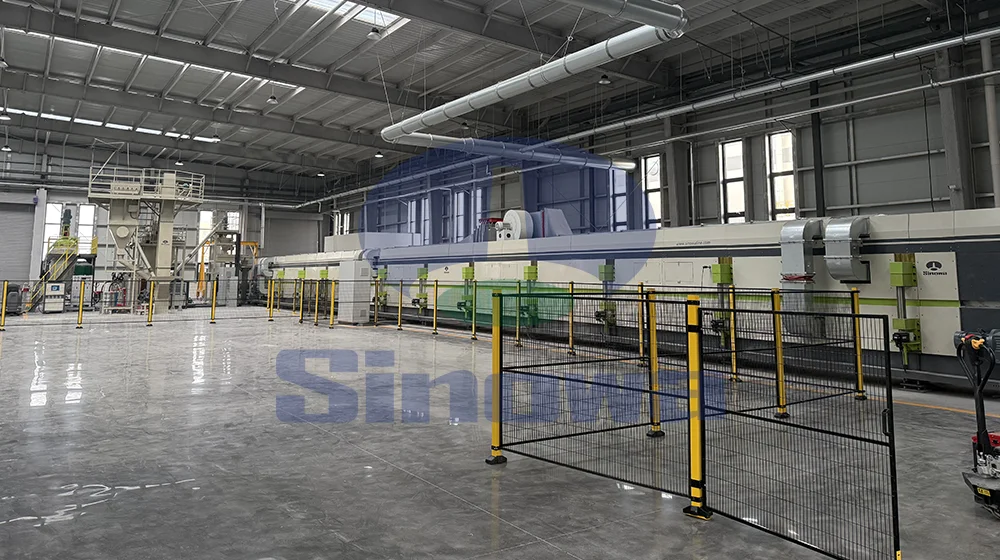
Overview of the Global Insulation Board Industry and the Importance of Production Lines
Energy consumption has become a key issue restricting global sustainable development, and the building and industrial sectors are major contributors to energy consumption. According to relevant statistics, the energy consumption of buildings accounts for more than 30% of the total global energy consumption, among which heat loss through walls, roofs, and windows is the main cause. Insulation boards, with their excellent thermal insulation performance, can effectively reduce heat transfer, thereby lowering energy consumption for heating and cooling in buildings and industrial facilities. In addition, insulation boards also have functions such as sound insulation, fire resistance, and corrosion resistance, making them indispensable materials in fields such as construction, petrochemicals, aerospace, and transportation.
The quality and performance of insulation boards are directly determined by the level of their production lines. Advanced production lines can ensure the uniformity of product thickness, density, and thermal conductivity, while improving production efficiency and reducing production costs. With the continuous tightening of global energy conservation and environmental protection policies, the requirements for insulation materials are becoming increasingly strict, which has promoted the continuous upgrading of insulation board production lines. The five production lines mentioned above have been continuously optimized and improved in response to market demands, forming mature production systems that adapt to different material characteristics and application requirements.
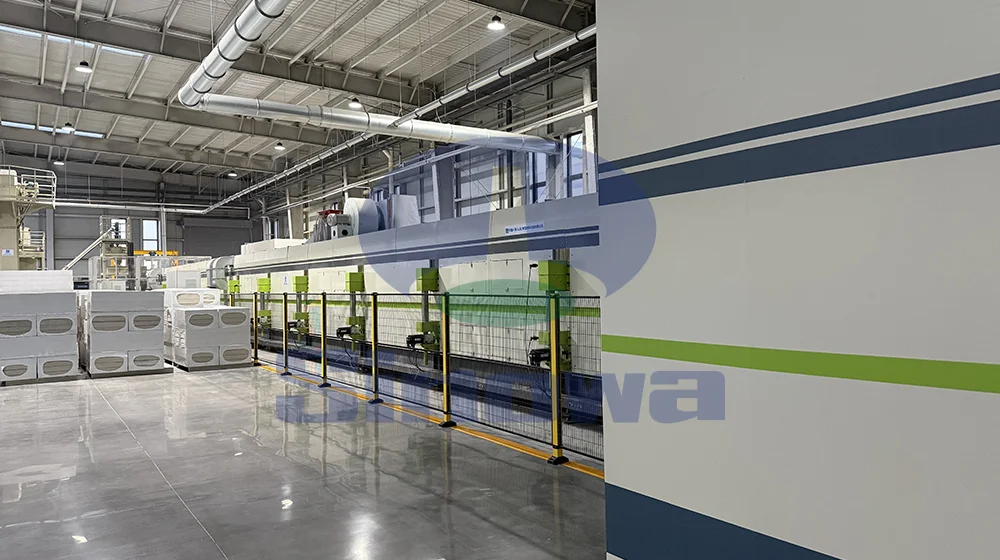
In-depth Analysis of Five Major Insulation Board Production Lines
PU Insulation Board Production Line: High Efficiency and Excellent Thermal Insulation
Polyurethane (PU) insulation boards are widely recognized for their superior thermal insulation performance, low thermal conductivity, and light weight. The PU Insulation Board Production Line is a set of equipment that integrates raw material mixing, foaming, laminating, cutting, and other processes. The core of this production line lies in the precise control of the foaming process, which directly affects the cell structure and performance of the final PU insulation board.
The production process of the PU Insulation Board Production Line typically includes the following steps: First, the raw materials such as polyol, isocyanate, foaming agent, catalyst, and flame retardant are accurately measured and transported to the mixing head through pipelines. The mixing head, with its high-speed stirring function, ensures that the raw materials are fully mixed in a short time. Then, the mixed raw materials are poured onto the continuous conveyor belt, where they undergo a foaming reaction. During the foaming process, the temperature, humidity, and conveying speed of the production environment need to be strictly controlled. The foaming temperature is usually between 20°C and 30°C, and the relative humidity should be kept below 60% to avoid affecting the foaming effect. After foaming, the PU board blank is laminated by upper and lower protective layers (such as aluminum foil, glass fiber cloth, or color steel plates) to enhance its mechanical strength and water resistance. Finally, the continuous PU insulation board is cut into products of different specifications by a precision cutting machine.
The PU Insulation Board Production Line has the advantages of high production efficiency, stable product quality, and strong customization capabilities. It can produce PU insulation boards of different thicknesses (ranging from 20mm to 200mm) and widths (usually 1200mm or 1500mm) according to customer needs. In addition, the production line can also adjust the formula of raw materials to produce PU insulation boards with different flame retardant levels and thermal conductivity. However, the PU Insulation Board Production Line also has certain requirements for raw materials and production environment. The raw materials such as isocyanate are flammable and explosive, so strict safety protection measures need to be taken during the production process. At the same time, the production environment must be kept clean and dust-free to avoid impurities affecting the foaming quality.
PU insulation boards produced by the PU Insulation Board Production Line are widely used in building exterior wall insulation, roof insulation, cold storage insulation, and industrial pipeline insulation. In the building exterior wall insulation project, PU insulation boards can effectively reduce the heat loss of the building, improve the indoor thermal comfort, and reduce the energy consumption of air conditioning and heating. In cold storage insulation, PU insulation boards, with their low thermal conductivity and good water resistance, can maintain the low-temperature environment inside the cold storage and reduce the energy consumption of refrigeration equipment.
PIR Insulation Board Production Line: Enhanced Flame Retardancy for Safe Applications
Polyisocyanurate (PIR) insulation boards are a type of modified PU insulation board with better flame retardancy and thermal stability. The PIR Insulation Board Production Line is developed on the basis of the PU Insulation Board Production Line, with improvements in the foaming process and raw material formula to meet the higher flame retardant requirements of the market. PIR insulation boards have become the preferred materials in fields with strict fire safety requirements due to their excellent fire resistance, which can reach the non-combustible or flame-retardant grade.
The production process of the PIR Insulation Board Production Line is similar to that of the PU Insulation Board Production Line, but there are significant differences in the raw material formula and foaming process. In terms of raw materials, the PIR Insulation Board Production Line uses a higher proportion of isocyanate and adds special flame retardants and cross-linking agents to promote the formation of a more stable triazine ring structure in the foaming process. This structure not only improves the flame retardancy of the insulation board but also enhances its thermal stability and mechanical strength. In the foaming process, the PIR Insulation Board Production Line adopts a higher foaming temperature (usually between 30°C and 40°C) and a longer curing time to ensure the full reaction of the raw materials and the formation of a dense cell structure.
Compared with the PU Insulation Board Production Line, the PIR Insulation Board Production Line has higher requirements for the precision of raw material measurement and the control of the production process. The proportion of each raw material must be strictly controlled to avoid affecting the flame retardancy and other performance indicators of the product. In addition, the PIR Insulation Board Production Line is usually equipped with advanced temperature and humidity control systems and online detection equipment to monitor the foaming process and product quality in real time. The online detection equipment can detect indicators such as the thickness, density, and thermal conductivity of the PIR insulation board, and feed back the detection results to the control system to adjust the production parameters in time.
PIR insulation boards produced by the PIR Insulation Board Production Line are widely used in high-rise buildings, public buildings, industrial workshops, and other fields with strict fire safety requirements. In high-rise buildings, the use of PIR insulation boards can effectively reduce the risk of fire spread and improve the fire safety performance of the building. In public buildings such as hospitals, schools, and shopping malls, PIR insulation boards can not only meet the energy-saving requirements but also ensure the safety of personnel and property. In addition, PIR insulation boards are also used in the insulation of industrial equipment and pipelines that work in high-temperature environments, due to their good thermal stability.
PF Insulation Board Production Line: High Temperature Resistance for Industrial Applications
Phenolic (PF) insulation boards are a type of insulation material made of phenolic resin as the main raw material, with excellent high-temperature resistance, flame retardancy, and sound insulation performance. The PF Insulation Board Production Line is a specialized production equipment for manufacturing phenolic insulation boards, which integrates processes such as resin preparation, impregnation, hot pressing, and cutting. PF insulation boards are widely used in industrial high-temperature insulation, building fire protection, and sound insulation projects due to their unique performance advantages.
The production process of the PF Insulation Board Production Line is relatively complex, mainly including the following steps: First, phenolic resin is prepared by the reaction of phenol and formaldehyde under the action of a catalyst. The quality of phenolic resin directly affects the performance of the final PF insulation board, so the reaction temperature, time, and raw material ratio must be strictly controlled during the resin preparation process. Then, the prepared phenolic resin is impregnated into the reinforcing material (such as glass fiber felt, rock wool felt, or wood fiber board). The impregnation process needs to ensure that the reinforcing material is fully soaked with the resin to enhance the mechanical strength and thermal insulation performance of the insulation board. After impregnation, the composite material is sent to the hot press for hot pressing. The hot pressing temperature is usually between 120°C and 160°C, and the pressure is between 1.5MPa and 3.0MPa. Under the action of high temperature and high pressure, the phenolic resin undergoes curing reaction to form a hard and dense insulation board. Finally, the cured PF insulation board is cut into products of different specifications by a cutting machine, and the surface is processed if necessary.
The PF Insulation Board Production Line has the characteristics of strong adaptability to raw materials and high product performance stability. It can use different types of reinforcing materials and resin formulas to produce PF insulation boards with different performance indicators. For example, by adjusting the content of the flame retardant in the resin, the flame retardant grade of the PF insulation board can be improved; by changing the type of reinforcing material, the mechanical strength and high-temperature resistance of the insulation board can be enhanced. However, the PF Insulation Board Production Line also has some shortcomings, such as long production cycle and high energy consumption in the hot pressing process. In recent years, with the continuous advancement of technology, some new technologies such as microwave curing and low-temperature curing have been applied to the PF Insulation Board Production Line, which has effectively shortened the production cycle and reduced energy consumption.
PF insulation boards produced by the PF Insulation Board Production Line are mainly used in industrial high-temperature insulation fields, such as the insulation of boilers, kilns, and industrial pipelines. These equipment and pipelines usually work in high-temperature environments above 200°C, and PF insulation boards can maintain good thermal insulation performance and structural stability in such environments. In addition, PF insulation boards are also used in building fire protection partitions and sound insulation walls. Due to their excellent flame retardancy and sound insulation performance, they can effectively prevent the spread of fire and reduce noise pollution.
Rockwool Insulation Board Production Line: Utilizing Mineral Resources for Green Insulation
Rockwool insulation boards are made of natural rock (such as basalt, diabase, and andesite) as the main raw material, through processes such as melting, fiberization, mixing with additives, and molding. The Rockwool Insulation Board Production Line is a set of equipment that realizes the entire production process of rockwool insulation boards, which has the characteristics of large-scale production, high utilization rate of raw materials, and environmental protection. Rockwool insulation boards are widely used in building insulation, industrial insulation, and fire protection due to their non-combustibility, high temperature resistance, and good thermal insulation performance.
The production process of the Rockwool Insulation Board Production Line is relatively complex, involving multiple physical and chemical processes. The main steps are as follows: First, the natural rock raw materials are crushed into small particles of a certain size by a crusher, and then sent to the melting furnace. The melting furnace is usually a cupola furnace or an electric furnace, which heats the rock particles to a molten state at a high temperature of 1400°C to 1600°C. Then, the molten rock is sprayed into fine fibers by a high-speed centrifugal machine or a jet machine. During the fiberization process, a small amount of binder (such as phenol-formaldehyde resin) and water-repellent agent are added to the fibers to improve the bonding performance and water resistance of the rockwool insulation board. Next, the fiber mixture is sent to the forming machine, where it is evenly paved and pressed into a rockwool board blank of a certain thickness and density. Then, the rockwool board blank is sent to the curing oven for curing. The curing temperature is usually between 200°C and 250°C, and the curing time is about 20 to 30 minutes. During the curing process, the binder undergoes a cross-linking reaction to bond the fibers together, forming a solid rockwool insulation board. Finally, the cured rockwool insulation board is cut into products of different specifications by a cutting machine, and the edges are trimmed to improve the appearance quality of the product.
The Rockwool Insulation Board Production Line has the advantages of large production capacity, low production cost, and wide source of raw materials. Natural rock resources are abundant and widely distributed, which ensures the stable supply of raw materials for the production line. In addition, the Rockwool Insulation Board Production Line can also use industrial waste such as blast furnace slag as raw materials, which not only reduces the cost of raw materials but also realizes the recycling of waste, which is in line with the concept of environmental protection. However, the Rockwool Insulation Board Production Line also has certain requirements for energy consumption and environmental protection. The melting process of rock requires a lot of energy, so the production line usually adopts energy-saving technologies such as waste heat recovery to reduce energy consumption. At the same time, the production process will generate a small amount of dust and waste gas, so the production line is equipped with dust removal and desulfurization equipment to ensure that the emissions meet the environmental protection standards.
Rockwool insulation boards produced by the Rockwool Insulation Board Production Line are widely used in building exterior wall insulation, roof insulation, fireproof isolation belts, and industrial pipeline insulation. In building exterior wall insulation, rockwool insulation boards, with their non-combustibility and good thermal insulation performance, can not only meet the energy-saving requirements but also improve the fire safety performance of the building. In fireproof isolation belts, rockwool insulation boards play a key role in preventing the spread of fire between buildings. In industrial pipeline insulation, rockwool insulation boards can effectively reduce heat loss and improve the energy efficiency of industrial equipment.
Mineral Wool Insulation Board Production Line: Diversified Raw Materials for Versatile Applications
Mineral wool insulation boards are a general term for insulation boards made of various mineral raw materials (including rock wool, slag wool, glass wool, etc.) through fiberization and molding. The Mineral Wool Insulation Board Production Line is a versatile production equipment that can process different types of mineral raw materials to produce mineral wool insulation boards with different performance characteristics. Compared with the Rockwool Insulation Board Production Line, the Mineral Wool Insulation Board Production Line has stronger flexibility and adaptability, and can meet the diversified needs of the market.
The production process of the Mineral Wool Insulation Board Production Line is similar to that of the Rockwool Insulation Board Production Line, but there are differences in the selection of raw materials and the adjustment of production parameters. According to the type of mineral raw materials used, the production process can be appropriately adjusted. For example, when producing slag wool insulation boards, the raw materials are mainly industrial waste such as blast furnace slag and steel slag. The melting temperature of slag is lower than that of natural rock, so the temperature of the melting furnace can be appropriately reduced, which saves energy. When producing glass wool insulation boards, the raw materials are mainly quartz sand, soda ash, and limestone. The fiberization process of glass wool is more complex, requiring more precise control of the melting temperature and fiberization speed to ensure the fineness and uniformity of the fibers.
The Mineral Wool Insulation Board Production Line is usually equipped with a flexible raw material processing system and a parameter-adjustable production control system. The raw material processing system can crush, screen, and mix different types of mineral raw materials according to the production requirements. The production control system can adjust parameters such as melting temperature, fiberization speed, binder addition amount, and forming pressure in real time to produce mineral wool insulation boards with different thicknesses, densities, and performance indicators. In addition, the Mineral Wool Insulation Board Production Line is also equipped with advanced quality detection equipment, which can detect indicators such as fiber diameter, thermal conductivity, and flame retardancy of the product to ensure product quality.
Mineral wool insulation boards produced by the Mineral Wool Insulation Board Production Line have a wide range of applications, covering building insulation, industrial insulation, sound insulation, and fire protection. Due to the diversity of raw materials and performance characteristics, mineral wool insulation boards can be customized according to different application scenarios. For example, glass wool insulation boards, with their fine fibers and good sound insulation performance, are widely used in indoor sound insulation projects such as theaters, concert halls, and offices. Slag wool insulation boards, with their low cost and good thermal insulation performance, are widely used in industrial workshops and low-cost building insulation projects. In addition, mineral wool insulation boards are also used in the insulation of ships, trains, and other transportation vehicles, due to their light weight and good fire resistance.
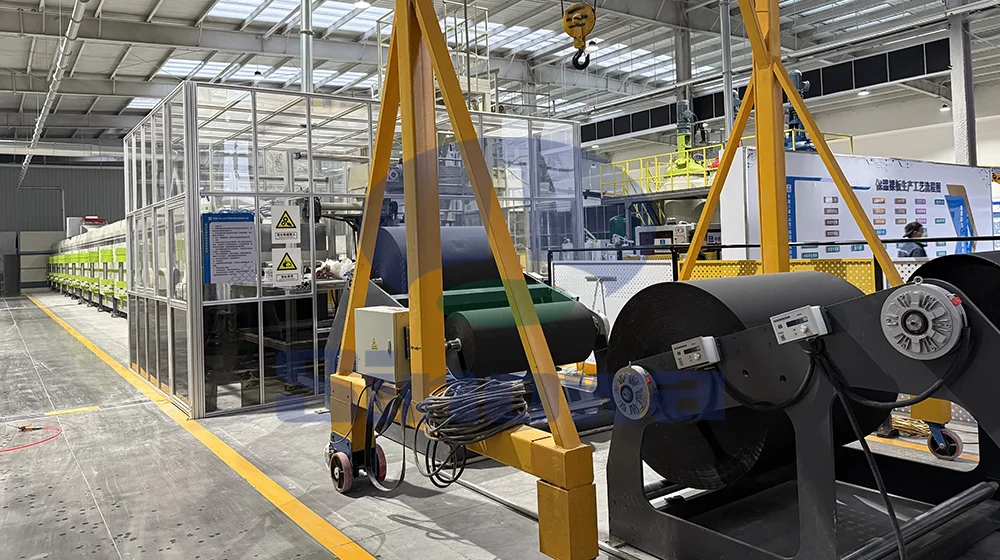
Comparative Analysis of the Five Production Lines
The PU Insulation Board Production Line, PIR Insulation Board Production Line, PF Insulation Board Production Line, Rockwool Insulation Board Production Line, and Mineral Wool Insulation Board Production Line each have their own advantages and disadvantages, and their applicable fields also overlap and differ. The following is a comparative analysis of these five production lines from the aspects of production efficiency, product performance, raw material cost, and environmental protection.
In terms of production efficiency, the PU Insulation Board Production Line and PIR Insulation Board Production Line have obvious advantages. Their production processes are relatively simple, and the foaming and curing time is short, which can realize continuous and large-scale production. The daily output of a single production line can reach tens of thousands of square meters. The Rockwool Insulation Board Production Line and Mineral Wool Insulation Board Production Line also have large production capacity, but their production processes involve melting and fiberization, which take a long time, so their production efficiency is slightly lower than that of the PU and PIR production lines. The PF Insulation Board Production Line has the lowest production efficiency due to its complex resin preparation and long hot pressing curing time.
In terms of product performance, the PU and PIR insulation boards produced by the PU and PIR production lines have the best thermal insulation performance, with thermal conductivity as low as 0.020 W/(m·K), which is suitable for occasions with high thermal insulation requirements. The PIR insulation board has better flame retardancy than the PU insulation board, which can reach the non-combustible grade. The PF insulation board produced by the PF production line has excellent high-temperature resistance, which can work stably at temperatures above 200°C, and its flame retardancy is also very good. The rockwool and mineral wool insulation boards produced by the rockwool and mineral wool production lines have the advantages of non-combustibility, high temperature resistance, and good sound insulation performance, but their thermal conductivity is relatively high, usually between 0.038 and 0.045 W/(m·K), which is slightly worse than that of PU and PIR insulation boards.
In terms of raw material cost, the rockwool and mineral wool production lines have obvious advantages. Their raw materials are natural rock or industrial waste, which are cheap and widely available. The raw material cost of the PU and PIR production lines is relatively high, because the isocyanate and polyol used are chemical products with high prices. The raw material cost of the PF production line is also high, especially the phenolic resin preparation requires high-purity phenol and formaldehyde, which increases the production cost.
In terms of environmental protection, the rockwool and mineral wool production lines have certain environmental advantages because they can use industrial waste as raw materials and realize waste recycling. However, their production processes involve high-temperature melting, which will generate a small amount of dust and waste gas, so they need to be equipped with professional environmental protection equipment. The PU and PIR production lines use flammable and explosive chemical raw materials, which may cause environmental pollution if the waste gas and waste liquid are not properly treated. The PF production line will generate a small amount of formaldehyde gas during the resin preparation process, which also needs to be treated with environmental protection measures.
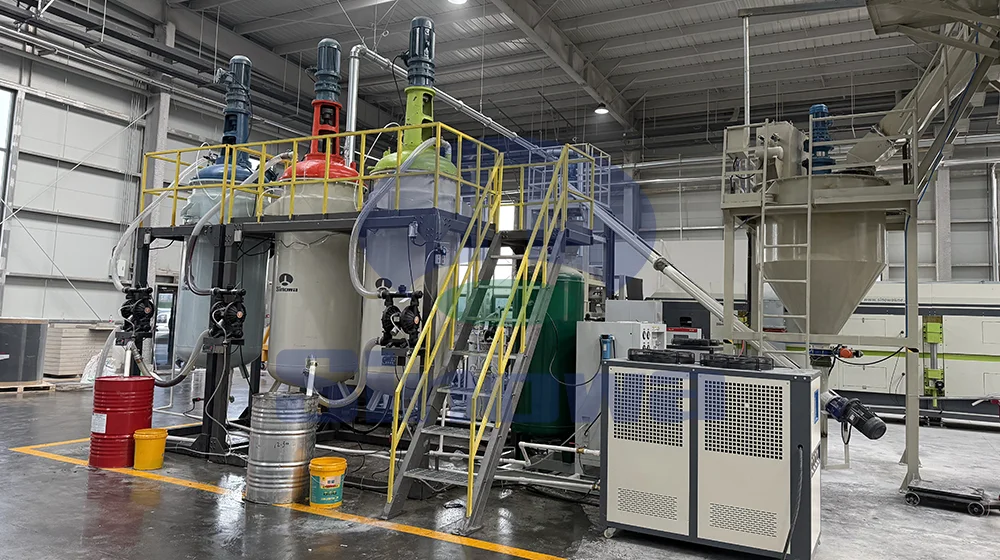
Development Trends of Insulation Board Production Lines
With the continuous development of the global insulation material industry, the insulation board production lines are also facing new development opportunities and challenges. In the future, these five production lines will develop in the directions of intelligence, energy conservation, environmental protection, and high performance.
Intelligent development is an important trend of insulation board production lines. With the application of technologies such as the Internet of Things, big data, and artificial intelligence, the production lines will realize full-process automatic control and intelligent monitoring. For example, the raw material measurement, production parameter adjustment, and product quality detection can be completed automatically by the system, which not only improves production efficiency but also ensures product quality stability. Some advanced production lines have begun to adopt intelligent robots for loading, unloading, and cutting, which reduces labor costs and improves production safety.
Energy conservation and environmental protection are the inevitable requirements of the times. In the future, the insulation board production lines will pay more attention to energy saving and emission reduction. For example, the rockwool and mineral wool production lines will adopt more advanced waste heat recovery technologies to reduce energy consumption in the melting process. The PU, PIR, and PF production lines will develop more environmentally friendly raw materials and production processes, such as using water-based binders instead of solvent-based binders, to reduce the emission of harmful gases. At the same time, the production lines will also strengthen the recycling of waste materials to improve the utilization rate of resources.
High-performance development is another important trend. With the continuous improvement of market requirements for insulation materials, the production lines will continue to optimize the production process and raw material formula to produce insulation boards with better performance. For example, the PU and PIR production lines will develop insulation boards with higher flame retardancy and lower thermal conductivity. The PF production lines will develop insulation boards that can work at higher temperatures. The rockwool and mineral wool production lines will improve the fineness and uniformity of fibers to enhance the thermal insulation and mechanical performance of the products.
In addition, the integration and diversification of production lines will also become a development trend. Some manufacturers will integrate multiple production processes into one production line to realize the production of multiple types of insulation boards, which improves the flexibility and adaptability of the production line. For example, a production line can produce both PU and PIR insulation boards by adjusting the raw material formula and production parameters. At the same time, the production lines will also develop towards diversification, such as producing insulation boards with different shapes, colors, and surface textures to meet the personalized needs of the market.
Conclusion
The PU Insulation Board Production Line, PIR Insulation Board Production Line, PF Insulation Board Production Line, Rockwool Insulation Board Production Line, and Mineral Wool Insulation Board Production Line are the core equipment of the modern insulation material industry. Each production line has unique technical characteristics and applicable fields, and together they meet the diversified needs of the global insulation market. With the continuous advancement of technology and the increasing emphasis on energy conservation and environmental protection, these production lines will continue to develop in the directions of intelligence, energy conservation, environmental protection, and high performance.
In the future, the insulation board production industry will face more opportunities and challenges. Manufacturers need to continuously innovate and upgrade production technologies, improve product quality and performance, and reduce production costs and environmental impact to gain a competitive advantage in the market. At the same time, governments and relevant departments should also formulate and improve relevant policies and standards to guide the healthy and sustainable development of the insulation board production industry. It is believed that with the joint efforts of all parties, the insulation board production industry will make greater contributions to global energy conservation and environmental protection and sustainable development.
« Insulation Board Production Line » Update Date: 2026/1/9
URL: https://www.sinowamachine.com/tags/insulation-board-production-line.html
![Cheap Phenolic Insulation Board Production Line]()
Cheap Phenolic Insulation Board Production Line
2026-08-31The cheap phenolic insulation board production line is a cost-effective, fully integrated manufacturing system tailored for mass production of high-performance thermal insulation panels with balanced quality and operational affordability. Designed to break the limitations of traditional high-cost phe…![Insulation Board Production Line For Sale]()
Insulation Board Production Line For Sale
2026-08-18Modern insulation board production lines represent advanced integrated manufacturing systems designed for the automated, continuous production of high-performance thermal insulation panels widely used in construction, industrial insulation, and energy-saving engineering fields. These streamlined prod…![Phenolic Insulation Board Production Line In China]()
Phenolic Insulation Board Production Line In China
2026-08-14Chinese phenolic insulation board production line industry has undergone remarkable upgrading and expansion in recent years, emerging as a core manufacturing pillar for high-performance thermal insulation building materials across the global market. Driven by the booming demand for energy-efficient c…![Insulation Board Production Line Manufacturer]()
Insulation Board Production Line Manufacturer
2026-08-12Insulation board production line manufacturers play a pivotal role in the modern building materials industry, focusing on the research, development, design, and manufacturing of full-cycle production equipment for various thermal insulation boards. These professional manufacturers dedicate themselves…![Custom Phenolic Insulation Board Production Line]()
Custom Phenolic Insulation Board Production Line
2026-08-12Custom phenolic insulation board production lines are specialized automated manufacturing systems tailored to produce high-performance phenolic foam insulation boards with customizable specifications to fit diverse industrial and construction application demands. Unlike standardized production equipm…![Phenolic Insulation Board Production Line]()
Phenolic Insulation Board Production Line
2026-03-24Phenolic insulation boards stand out as a premium class of rigid thermal insulation materials, widely recognized for their exceptional combination of fire resistance, thermal efficiency, and long-term durability, and the production lines dedicated to manufacturing these boards are engineered with pre…![PU Insulation Board Production Line]()
PU Insulation Board Production Line
2026-01-12In the global pursuit of energy efficiency and sustainable construction, polyurethane (PU) insulation boards have emerged as a pivotal material, celebrated for their exceptional thermal resistance, lightweight properties, and structural integrity. Behind these high-performance boards lies a sophistic…![High-tech PU Insulation Board Production Line]()
High-tech PU Insulation Board Production Line
2026-01-12In the context of global emphasis on energy conservation and environmental protection, the demand for high-performance insulation materials in the construction, refrigeration, and transportation industries has surged dramatically. Among these materials, polyurethane (PU) insulation boards stand out d…
- Links:
- Sandwich Panel Continuous Production Line
- Automatic and Continuous Sandwich Panel Production Line
- Cheap and Low Price Sandwich Panel Production Line
- China Sandwich Panel Production Line Factory
- Color Steel Sandwich Panel Production Line For Cold Storage
- Continuous Composite Foam Sandwich Panel Production Line
- Continuous Production Line For Rockwool and Mineral Wool Sandwich Panels
- Continuous PU Phenolic Insulation Panel Production Line
- Continuous PU PIR Sandwich Panel Production Line
- Continuous PUF PUR Sandwich Panel Production Line
- Continuous Sandwich Panel Production Line For Roof and Wall
- Customized and Design Sandwich Panel Production Line
- Decorative Sandwich Panel Production Line For Glass Wool Boards
- High Quality Sandwich Panel Production Line For Sale
- Polyurethane(PU) Sandwich Panel Production Line
- Sandwich Panel Production Line Manufacturer and Supplier
- Sandwich Panel Production Machinery and Equipment