
Continuous PU Sandwich Panel Line Manufacturer
Sinowa is a well-known manufacturer and technical service provider of high-end continuous pu sandwich panel line, learn more about continuous pu sandwich panel line manufacturer, please contact Sinowa's technical engineer, tell us what you need, we will contact you as soon as possible!
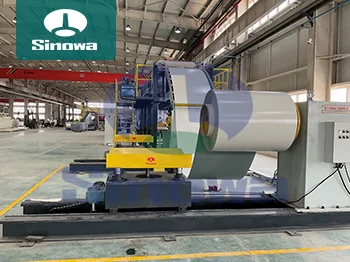
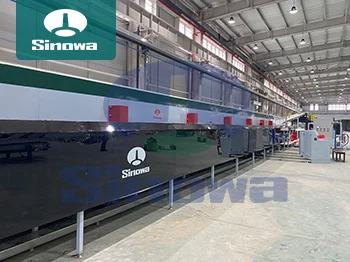
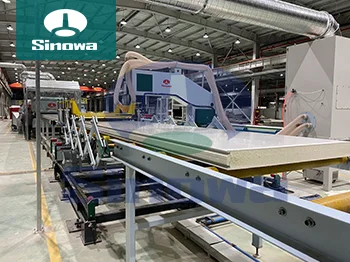
Sinowa is committed to the development and manufacturing of high-end and high-efficiency continuous pu sandwich panel line. Our continuous pu sandwich panel line are leading the way in efficiency, automatic control, human-computer interaction, environmental protection and energy consumption. Using system integration and bus control technology, it realizes the automatic integrated linkage control of the entire continuous pu sandwich panel line, and can achieve remote interactive communication, which has the world-class level and a comprehensive leading high-performance continuous pu sandwich panel line in the market.
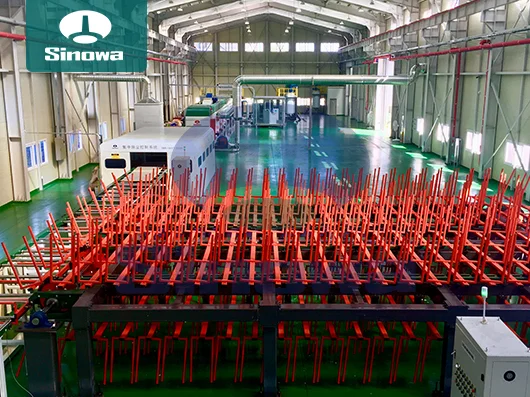
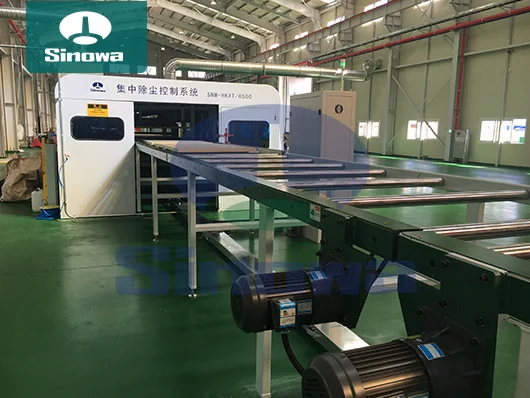
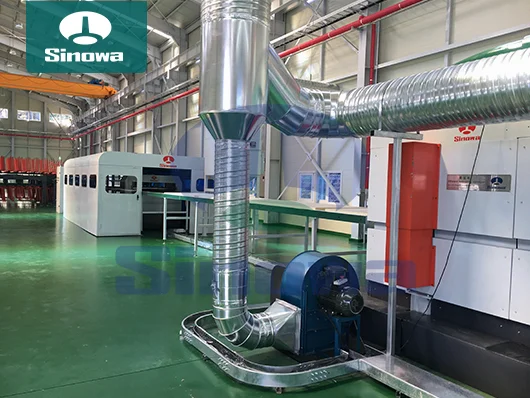
For more than ten years, relying on our innovative manufacturing concept and excellence in quality, reliable and trustworthy service to customers, we cooperate with customers all over the world, exported products to Canada, South Korea, Israel, Australia, the Middle East and other more than 20 countries and regions. contributed to building energy conservation and low-carbon production and have won widespread praise.
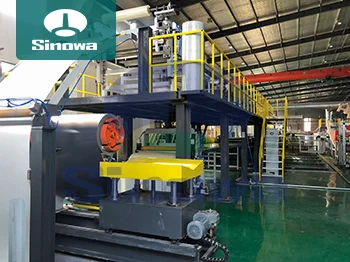
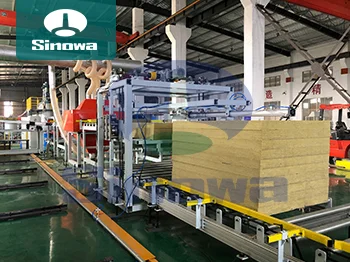
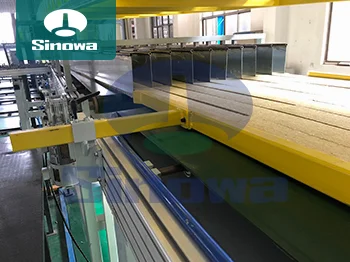
Sinowa has invested outstanding efforts in continuous pu sandwich panel line, this is why our products are more efficiency, quality, automatic control technology, environmental protection, energy consumption indicators and the appearance and safety protection are comprehensively leading, some subversive design changes in many major technical points, these major innovations make our products excellent in price/performance and user experience.
The global demand for efficient, high-performance building and industrial materials has driven significant advancements in manufacturing technologies, with continuous PU sandwich panel lines emerging as a cornerstone of modern production systems. These integrated lines are engineered to produce composite panels consisting of a polyurethane (PU) foam core bonded between two facing materials, typically metal sheets such as steel or aluminum, in a seamless, non-stop process. The synergy of automation, material science, and process optimization in these lines delivers products that balance structural integrity, thermal insulation, and durability, making them indispensable across a wide range of industries. From cold storage facilities and industrial warehouses to commercial buildings and modular constructions, the panels produced by these lines address critical needs for energy efficiency, rapid installation, and long-term performance.
At the heart of a continuous PU sandwich panel line lies a series of interconnected modules, each designed to perform a specific function while maintaining synchronization with the entire production flow. The process begins with the uncoiling and feeding of facing materials, where large coils of metal sheets are loaded onto de-coilers that ensure smooth, consistent feeding into the line. Advanced de-coiling systems are equipped with tension control mechanisms to prevent material distortion, ensuring the facing sheets retain their flatness and structural stability as they move through subsequent stages. Some lines also incorporate automatic coil joining capabilities, allowing for the replacement of empty coils without halting production, a feature that significantly boosts overall efficiency and minimizes downtime. This uninterrupted material supply is crucial for maintaining the continuous nature of the process, as even brief stoppages can disrupt the foam curing cycle and compromise panel quality.
Following the uncoiling stage, the metal facing sheets proceed to the roll forming section, where they are shaped into the desired profiles through a series of tandem rolling stands. Each stand contains precision-engineered rollers that gradually bend the metal sheets into specific configurations, such as corrugated, trapezoidal, or flat profiles, depending on the intended application of the final panel. The roll forming process is highly customizable, allowing for adjustments to panel width, height, and profile design to meet diverse customer requirements. To ensure optimal adhesion between the metal facings and the PU foam core, many lines include pre-heating units that raise the facing sheets to a controlled temperature. This pre-heating step activates the bonding agents and prepares the surface for foam application, enhancing the structural integrity of the final composite panel. Additionally, some systems incorporate corona treatment or surface cleaning modules to remove contaminants and static electricity, further improving foam adhesion and overall panel quality.
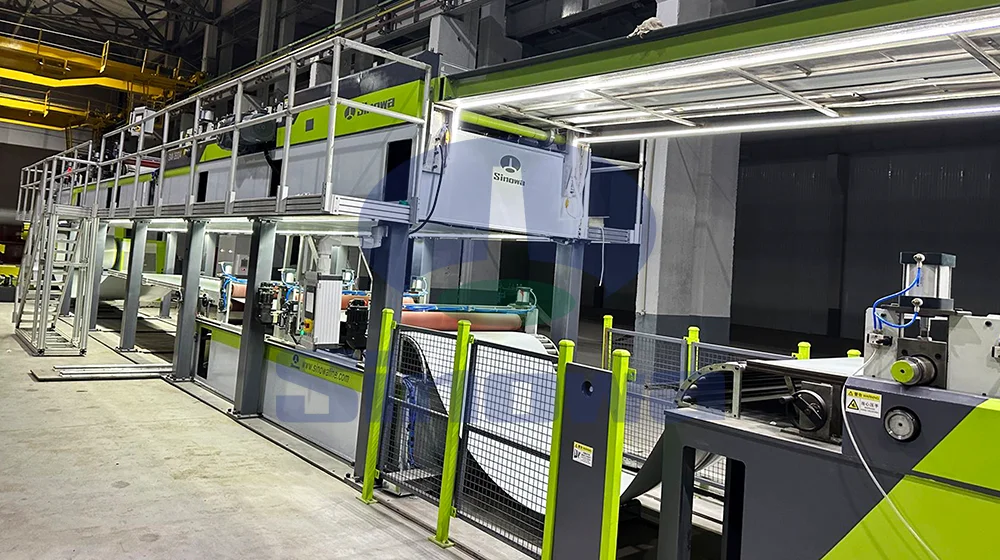
The foaming section represents the most technologically sophisticated part of the continuous production line, where liquid PU chemicals are mixed, reacted, and injected between the formed facing sheets. The PU foam is created by combining isocyanate, polyol, and a range of additives such as catalysts, blowing agents, and flame retardants. These components are mixed in precise ratios using high-pressure dosing systems that ensure consistency in foam density, thermal conductivity, and mechanical properties. The blowing agent is critical to the foam’s insulation performance, with modern lines often utilizing eco-friendly options that minimize environmental impact while maintaining superior thermal efficiency. Once mixed, the liquid foam is continuously injected into the gap between the upper and lower facing sheets as they move through the line. The foam expands rapidly to fill the entire cavity, adhering firmly to both facing materials as it undergoes a polymerization reaction.
To control the foam expansion and ensure uniform thickness, the panels pass through a double belt conveyor system immediately after foam injection. This system consists of two parallel, continuous belts that apply consistent pressure and temperature to the panel as it moves forward. The belts are typically made of high-strength materials capable of withstanding the heat and pressure required for foam curing, and they are equipped with precision alignment mechanisms to prevent panel warping. The temperature within the double belt section is carefully regulated to accelerate the curing process without compromising foam quality, ensuring the panel achieves its full structural strength and insulation properties before exiting the system. The length of the double belt conveyor is tailored to the curing time of the PU foam, which varies based on the foam formulation and desired panel thickness.
After curing, the continuous panel is fed into a precision cutting system that trims the panel to the required length without stopping the production line. This non-stop cutting capability is a key advantage of continuous lines, as it maintains the production rhythm and eliminates the waste associated with batch processing. The cutting systems use high-speed saws or blade cutters equipped with automated position sensors to ensure accurate length measurements and clean, smooth cuts. Some advanced lines incorporate multi-axis cutting capabilities, allowing for the creation of custom shapes or notches to accommodate specific installation needs. Following cutting, the finished panels are transferred to a cooling section, where they are brought to ambient temperature to stabilize their dimensions and properties. This cooling step is essential for preventing post-production warping and ensuring the panels meet strict dimensional tolerance requirements.
The final stages of the production line include stacking, handling, and packaging modules that automate the processing of finished panels. Automated stacking systems use robotic arms or conveyor-based mechanisms to arrange panels in neat bundles, reducing the need for manual labor and minimizing the risk of damage during handling. The stacking systems can be programmed to handle different panel sizes and weights, ensuring flexibility in production output. Packaging modules then wrap the stacked panels in protective materials such as plastic film or cardboard to prevent scratches, moisture damage, and contamination during storage and transportation. Some lines also include labeling systems that apply product information, such as dimensions, batch numbers, and handling instructions, to ensure traceability throughout the supply chain.
One of the primary advantages of continuous PU sandwich panel lines is their ability to deliver consistent quality at high production volumes. Unlike discontinuous batch processes, which are prone to variations in foam density, panel thickness, and bonding strength, continuous lines maintain strict process control throughout the production cycle. Advanced control systems integrate sensors and feedback mechanisms that monitor key parameters such as foam temperature, pressure, conveyor speed, and cutting accuracy in real-time. These systems automatically adjust process variables to correct deviations, ensuring every panel meets the same quality standards. This consistency is particularly critical for applications such as cold storage, where even minor variations in insulation performance can lead to increased energy consumption and product spoilage.
Automation is another defining feature of modern continuous lines, with integrated control systems reducing the need for manual intervention and improving operational efficiency. Centralized human-machine interface (HMI) platforms allow operators to monitor and control the entire production process from a single workstation, accessing real-time data on production speed, output volume, and quality metrics. These interfaces are designed to be user-friendly, with intuitive controls and visual feedback that simplify operation and minimize training requirements. The high level of automation not only reduces labor costs but also lowers the risk of human error, which can lead to product defects and production delays. Additionally, many lines offer remote monitoring and diagnostic capabilities, allowing for proactive maintenance and troubleshooting to minimize downtime and optimize performance.
Flexibility is a key consideration in the design of continuous PU sandwich panel lines, as manufacturers often need to produce a wide range of panel types to meet diverse market demands. Modular design principles allow for easy reconfiguration of the line to accommodate different panel thicknesses, facing materials, and core formulations. For example, a single line can be adjusted to produce panels with PU, PIR (polyisocyanurate), or rock wool cores, depending on the required insulation and fire performance characteristics. The roll forming section can be quickly retooled to change panel profiles, and the foaming system can be adjusted to modify foam density and properties. This flexibility enables manufacturers to respond quickly to changing customer needs and market trends without significant capital investment in new equipment.
Energy efficiency and environmental sustainability are increasingly important factors in the design and operation of continuous PU sandwich panel lines. Modern lines incorporate a range of energy-saving features, such as variable frequency drives that adjust motor speed based on production demand, and heat recovery systems that capture and reuse heat generated during the curing process. The use of eco-friendly blowing agents and foam formulations reduces the environmental impact of the production process, aligning with global efforts to reduce greenhouse gas emissions and promote sustainable manufacturing practices. Additionally, the panels produced by these lines contribute to energy efficiency in buildings and industrial facilities, reducing overall carbon footprints by minimizing heating and cooling costs.
The applications of panels produced by continuous PU sandwich panel lines are diverse and continue to expand as new industries recognize their benefits. In the construction sector, these panels are widely used for wall and roof cladding in industrial warehouses, commercial buildings, and residential structures. Their lightweight nature reduces structural load requirements, while their excellent thermal insulation properties improve building energy efficiency. In the cold chain industry, PU sandwich panels are the material of choice for cold storage warehouses, refrigerated trucks, and containers, as they maintain stable temperatures and prevent heat transfer. The panels are also used in agricultural applications, such as greenhouses, where they help regulate internal temperatures and extend growing seasons. Industrial applications include equipment enclosures, sound barriers, and clean rooms, where the panels’ durability and performance characteristics meet strict operational requirements.
Maintenance and reliability are critical considerations for manufacturers operating continuous PU sandwich panel lines, as unplanned downtime can result in significant production losses. The modular design of these lines simplifies maintenance, allowing for easy access to components and minimizing the time required for repairs and replacements. Many lines are equipped with predictive maintenance systems that monitor equipment performance and identify potential issues before they lead to failures. Regular maintenance tasks, such as cleaning, lubrication, and component inspection, are streamlined through the use of standardized procedures and user-friendly interfaces. The durability of the equipment is also enhanced through the use of high-quality materials and precision engineering, ensuring long service life and consistent performance even under heavy production loads.
The future of continuous PU sandwich panel lines is shaped by ongoing technological advancements aimed at improving efficiency, sustainability, and performance. Innovations in foam chemistry are leading to the development of cores with enhanced insulation properties, higher fire resistance, and lower environmental impact. Advances in automation and artificial intelligence are enabling more sophisticated process control, with machine learning algorithms optimizing production parameters in real-time to maximize output and quality. The integration of digital technologies, such as the Internet of Things (IoT), is facilitating greater connectivity and data sharing, allowing for end-to-end traceability and supply chain optimization. Additionally, there is a growing focus on circular economy principles, with efforts to develop recyclable panels and incorporate recycled materials into the production process.
In conclusion, continuous PU sandwich panel lines represent a critical advancement in composite material manufacturing, offering a perfect balance of efficiency, quality, and flexibility. These integrated systems have revolutionized the production of PU sandwich panels, enabling manufacturers to meet the growing demand for high-performance, energy-efficient materials across diverse industries. From the precision of the roll forming process to the sophistication of the foaming system, every component of the line is designed to deliver consistent, reliable results. As technological innovations continue to drive improvements in automation, sustainability, and performance, continuous PU sandwich panel lines will remain at the forefront of modern manufacturing, supporting the development of more efficient, durable, and environmentally friendly buildings and industrial facilities. Whether used in cold storage, construction, or agriculture, the panels produced by these lines play a vital role in shaping a more sustainable and efficient future.
« Continuous PU Sandwich Panel Line Manufacturer » Update Date: 2026/1/24
Tags: Discontinuous PU Sandwich Panel Line , Continuous PU Sandwich Panel Line ,
- Custom Sandwich Panel Manufacturing Line
- Low Price PU Board Production Line
- Sandwich Panel Making Equipment On Sales
- PU Insulation Board Production Line Factory
- Sandwich Roof Wall Panel Making Machine Design
- PUF Panel Machine Manufacturer
- Sandwich Panel Integrated Production Line For Sale
- Custom PUF Panel Manufacturing Machine
- Continuous PU Sandwich Panel Production Line For House
- Glass Wool Panel Production Line Factory
- High Efficiency PUR Sandwich Panel Machine
- Sandwich Roof Wall Panel Making Machine Manufacturer
- PIR Insulation Panel Production Line Factory
- Polyurethane Sandwich Panel Machine For House
- Cheap Metal Sandwich Panel Production Line
- PIR Sandwich Panel Line Manufacturer
- Cheap Polyurethane Sandwich Panel Machinery
- Highly Intelligent Polyurethane Sandwich Panel Machine
- High-tech Fully Automatic PU Sandwich Panel Line
- High-quality Corrugated Sandwich Panel Production Line