
Polyurethane Sandwich Panel Line Supplier
Sinowa is a well-known manufacturer and technical service provider of high-end polyurethane sandwich panel line, learn more about polyurethane sandwich panel line supplier, please contact Sinowa's technical engineer, tell us what you need, we will contact you as soon as possible!
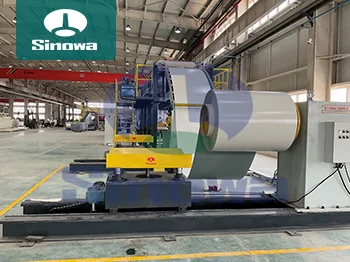
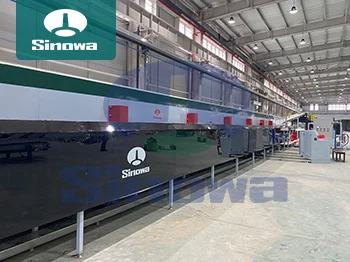
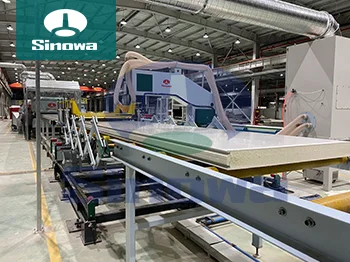
Sinowa is committed to the development and manufacturing of high-end and high-efficiency polyurethane sandwich panel line. Our polyurethane sandwich panel line are leading the way in efficiency, automatic control, human-computer interaction, environmental protection and energy consumption. Using system integration and bus control technology, it realizes the automatic integrated linkage control of the entire polyurethane sandwich panel line, and can achieve remote interactive communication, which has the world-class level and a comprehensive leading high-performance polyurethane sandwich panel line in the market.
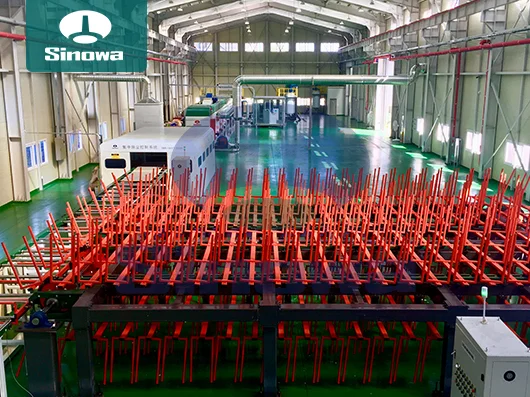
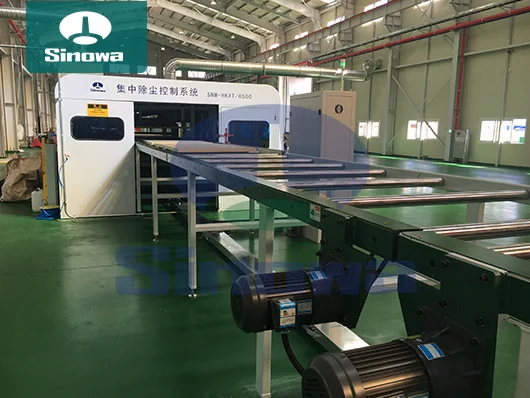
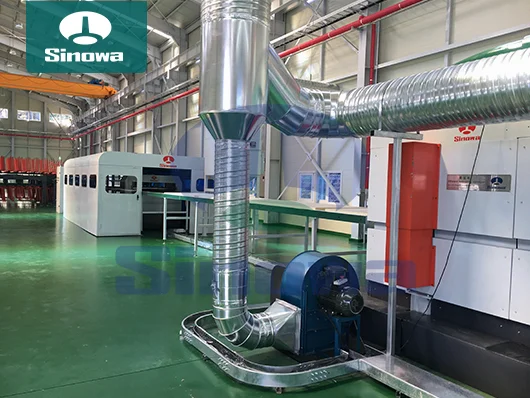
For more than ten years, relying on our innovative manufacturing concept and excellence in quality, reliable and trustworthy service to customers, we cooperate with customers all over the world, exported products to Canada, South Korea, Israel, Australia, the Middle East and other more than 20 countries and regions. contributed to building energy conservation and low-carbon production and have won widespread praise.
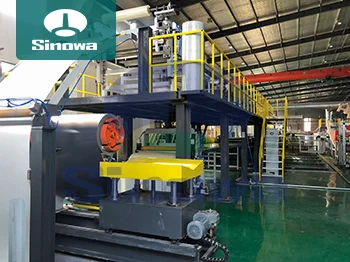
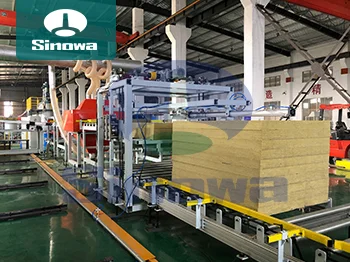
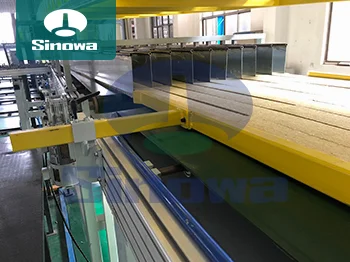
Sinowa has invested outstanding efforts in polyurethane sandwich panel line, this is why our products are more efficiency, quality, automatic control technology, environmental protection, energy consumption indicators and the appearance and safety protection are comprehensively leading, some subversive design changes in many major technical points, these major innovations make our products excellent in price/performance and user experience.
In the context of global emphasis on energy conservation, environmental protection and efficient production, polyurethane sandwich panels have emerged as a crucial material in numerous industries, thanks to their exceptional thermal insulation, structural stability and versatility. Behind the wide application of these high-performance panels lies the advanced technology and precision engineering of polyurethane sandwich panel production lines. These production systems are not merely assembly of machinery; they are integrated solutions that combine material science, automated control and process optimization to meet the evolving demands of diverse sectors. As the backbone of polyurethane sandwich panel manufacturing, the production lines play a pivotal role in determining product quality, production efficiency and environmental performance, making them indispensable for businesses aiming to stay competitive in today's dynamic market.
The fundamental strength of polyurethane sandwich panel production lines lies in their ability to transform raw materials into consistent, high-quality panels through a series of coordinated processes. At the core of this transformation is the precise handling and processing of two key components: the outer facing materials (which can be metal sheets, flexible films, or other substrates) and the polyurethane foam core. The production process begins with the preparation of facing materials, where rolls of substrates are unwound, leveled and preheated to ensure optimal adhesion with the foam core. This initial stage is critical as any imperfection in the facing materials, such as uneven surfaces or improper temperature, can compromise the overall integrity of the final product. Advanced unwinding systems are equipped with automatic deviation correction mechanisms to maintain the alignment of substrates, ensuring uniformity throughout the production process.
Following the preparation of facing materials comes the mixing and metering of polyurethane raw materials, a stage that demands extreme precision. Polyurethane foam is formed by the reaction of polyol and isocyanate, combined with various additives such as catalysts, foaming agents, flame retardants and curing agents. The production line's metering system accurately controls the ratio of these components, ensuring consistent foam properties batch after batch. The mixing unit, often operating at high pressure, homogenizes the raw materials to create a uniform foam mixture that will expand and cure to form the core of the sandwich panel. The accuracy of this process directly impacts the thermal insulation performance, density and mechanical strength of the foam core. For instance, a well-controlled mixing process results in a foam structure with high closed-cell content, which enhances the panel's thermal insulation efficiency and water resistance.
The foaming and lamination stage is where the core and facing materials come together to form the sandwich panel. The foam mixture is evenly dispensed between the upper and lower facing materials, which are then fed into a double-belt lamination system. This system applies consistent pressure and temperature to facilitate the expansion and curing of the foam. The double-belt conveyor ensures that the panel maintains its shape and thickness during the curing process, with heating elements providing the necessary temperature to accelerate the reaction. The length of the lamination conveyor is designed to allow sufficient curing time, ensuring that the foam core reaches its full structural strength before proceeding to the next stage. In continuous production lines, this process operates at high speeds, enabling the manufacturing of large volumes of panels with consistent quality. For specialized applications, such as panels with varying thicknesses or shapes, non-continuous production lines offer greater flexibility, allowing for customized production runs.
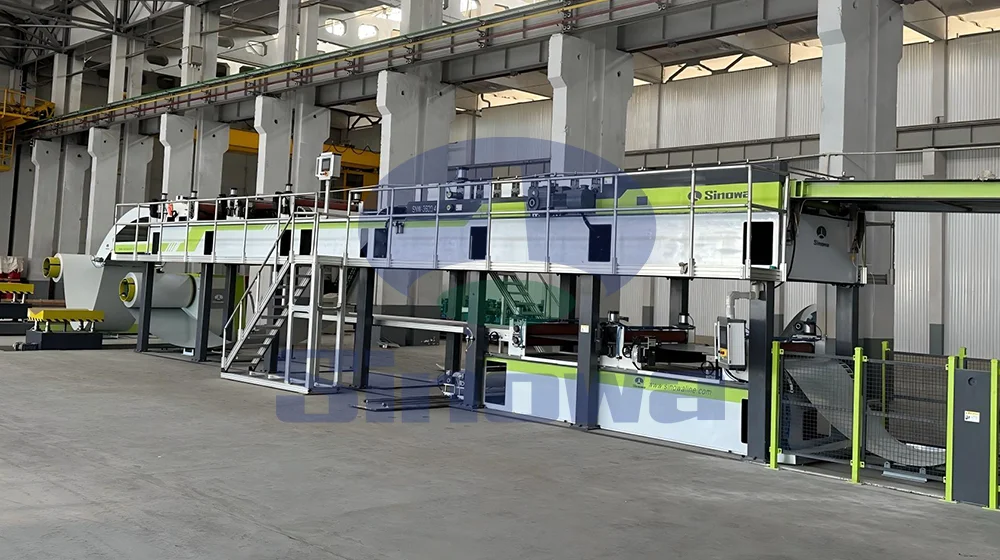
After the initial curing, the sandwich panel moves to the post-processing stage, which includes trimming, cutting and cooling. Trimming systems remove excess material from the edges of the panel, ensuring precise dimensions and clean edges. Advanced trimming equipment uses high-precision saws that can adjust to different panel widths and thicknesses, accommodating the diverse requirements of various applications. The cooling stage is essential to stabilize the panel's structure, preventing warping or deformation as the foam core continues to cure. Cooling systems typically use air or water circulation to rapidly reduce the panel's temperature, ensuring that it retains its shape and properties. Finally, the panels are cut to the desired length using automatic tracking saws, which can operate without stopping the production line in continuous systems, maximizing efficiency.
One of the key advantages of modern polyurethane sandwich panel production lines is their modular design, which allows for high adaptability and customization. Businesses can configure the production line according to their specific needs, choosing from a range of components to produce different types of panels, such as roof panels, wall panels, cold storage panels and clean room panels. For example, by adjusting the foaming parameters and changing the facing materials, the same production line can manufacture panels suitable for industrial warehouses, commercial buildings, cold storage facilities and even marine applications. This modularity not only reduces the need for multiple specialized production lines but also enables quick product changes, allowing manufacturers to respond rapidly to market demands. Additionally, modular components are easier to maintain and replace, minimizing downtime and reducing maintenance costs.
Automation and intelligent control are defining features of modern polyurethane sandwich panel production lines, significantly enhancing production efficiency and product quality. Advanced control systems integrate computerized monitoring and data analysis to oversee every stage of the production process. Operators can set and adjust parameters such as material ratios, temperature, pressure and production speed through an intuitive interface, with real-time feedback ensuring that any deviations are promptly corrected. Some production lines are equipped with remote monitoring capabilities, allowing for off-site supervision and troubleshooting, further improving operational efficiency. Automation also reduces the reliance on manual labor, minimizing human error and ensuring consistent product quality. For instance, automatic stacking and packaging systems handle the final stages of production, reducing the risk of damage to finished panels and streamlining the logistics process.
Sustainability has become a central concern in manufacturing, and polyurethane sandwich panel production lines are evolving to meet increasingly strict environmental standards. Innovations in raw material processing have led to the adoption of low-VOC (volatile organic compound) additives and eco-friendly foaming agents, reducing the environmental impact of the production process. Energy-efficient components, such as variable-frequency drives and heat recovery systems, minimize energy consumption, lowering both operational costs and carbon emissions. Additionally, the modular design of production lines facilitates the recycling and reuse of components, reducing waste generation. These sustainable features not only help manufacturers comply with environmental regulations but also enhance their brand reputation in a market where consumers and businesses are increasingly prioritizing eco-friendly products and processes.
The performance of polyurethane sandwich panel production lines directly influences the quality and application range of the final panels. High-quality panels produced by advanced lines exhibit excellent thermal insulation properties, with thermal conductivity values as low as 0.022–0.024 W/(m·K), making them ideal for energy-efficient buildings and cold storage facilities. Their structural stability and high compressive strength enable their use in industrial and commercial buildings, where they can withstand heavy loads and harsh environmental conditions. In the cold chain logistics sector, panels produced by precision lines ensure consistent temperature control, preserving the quality of food, pharmaceuticals and other temperature-sensitive products. In clean room applications, such as electronic and pharmaceutical manufacturing, the panels' smooth surfaces and minimal seams prevent dust accumulation, meeting strict hygiene requirements. The versatility of these panels, driven by the capabilities of modern production lines, has expanded their application to diverse sectors, including construction, logistics, automotive and marine industries.
The demand for polyurethane sandwich panels is expected to continue growing, driven by the global push for energy-efficient buildings, the expansion of the cold chain logistics industry and the increasing adoption of prefabricated construction. This growth is driving continuous innovation in production line technology, with a focus on improving efficiency, enhancing sustainability and expanding customization capabilities. Future production lines are likely to incorporate more advanced digital technologies, such as artificial intelligence and machine learning, to optimize production processes and predict maintenance needs. The integration of IoT (Internet of Things) devices will enable real-time data collection and analysis, further improving process control and product quality. Additionally, the development of new materials, such as bio-based polyurethanes, will require production lines to adapt to new processing requirements, opening up new opportunities for manufacturers.
Choosing the right polyurethane sandwich panel production line is a critical decision for businesses, as it directly impacts their production capacity, product quality and long-term competitiveness. Key factors to consider include the production line's adaptability to different product types, its automation level, energy efficiency and maintenance requirements. Manufacturers should also evaluate the scalability of the production line, ensuring that it can accommodate future growth in demand. Collaboration with production line providers to customize solutions based on specific application needs is essential to maximize the value of the investment. By selecting a production line that aligns with their business goals and market demands, manufacturers can efficiently produce high-quality polyurethane sandwich panels that meet the evolving needs of their customers.
In conclusion, polyurethane sandwich panel production lines are essential components of modern manufacturing, enabling the efficient and high-quality production of versatile panels that play a critical role in numerous industries. Their advanced technology, modular design, automation capabilities and focus on sustainability make them indispensable for businesses aiming to thrive in a competitive and environmentally conscious market. As the demand for energy-efficient and sustainable materials continues to grow, the ongoing innovation in production line technology will further enhance their performance, expanding the application range of polyurethane sandwich panels and driving the development of the industry. Whether for large-scale continuous production or customized small-batch manufacturing, these production lines provide the foundation for creating products that meet the highest standards of quality, efficiency and sustainability.
« Polyurethane Sandwich Panel Line Supplier » Update Date: 2026/1/12
Tags: Polyurethane Sandwich Panel Line ,
- Insulated Sandwhich Panel Production Line For Sale
- High Efficiency Glass Wool Equipment
- PIR Sandwich Panel Line For Building
- Fully Automatic Sandwich Panel Line
- Customized Polyurethane Sandwich Panel Machine
- Isolation Sandwich Panel Production Line Factory
- Fully Automatic PU Sandwich Panel Line From China
- Highly Intelligent PU Sandwich Panel Line
- PUF Insulation Sandwich Panel Line
- Continuous Sandwich Panel Line Price
- Wall Sandwich Panel Production Line On Sales
- Polyurethane Sandwich Panel Line For Clean Room
- PU Board Production Line From China
- Sandwich Panel Machines Production
- PU Panel Machine Factory
- Sandwich Foam Panel Making Machine For Sale
- PUF Panel Machine Supplier
- High-end Glass Wool Sandwich Panel Line
- Glass Wool Sandwich Panel Line From China
- PU Foam Production Line Design
- Links:
- Sandwich Panel Continuous Production Line
- Automatic and Continuous Sandwich Panel Production Line
- Cheap and Low Price Sandwich Panel Production Line
- China Sandwich Panel Production Line Factory
- Color Steel Sandwich Panel Production Line For Cold Storage
- Continuous Composite Foam Sandwich Panel Production Line
- Continuous Production Line For Rockwool and Mineral Wool Sandwich Panels
- Continuous PU Phenolic Insulation Panel Production Line
- Continuous PU PIR Sandwich Panel Production Line
- Continuous PUF PUR Sandwich Panel Production Line
- Continuous Sandwich Panel Production Line For Roof and Wall
- Customized and Design Sandwich Panel Production Line
- Decorative Sandwich Panel Production Line For Glass Wool Boards
- High Quality Sandwich Panel Production Line For Sale
- Polyurethane(PU) Sandwich Panel Production Line
- Sandwich Panel Production Line Manufacturer and Supplier