
Polyurethane Sandwich Panel Production Line On Sales
Sinowa is a well-known manufacturer and technical service provider of high-end polyurethane sandwich panel production line, learn more about polyurethane sandwich panel production line on sales, please contact Sinowa's technical engineer, tell us what you need, we will contact you as soon as possible!
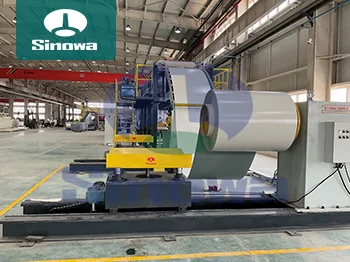
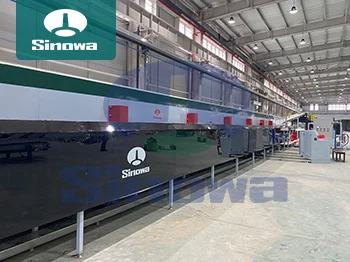
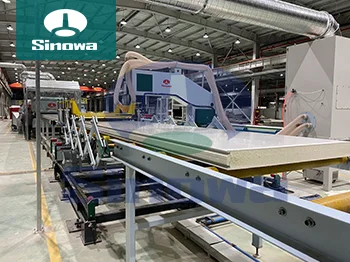
Sinowa is committed to the development and manufacturing of high-end and high-efficiency polyurethane sandwich panel production line. Our polyurethane sandwich panel production line are leading the way in efficiency, automatic control, human-computer interaction, environmental protection and energy consumption. Using system integration and bus control technology, it realizes the automatic integrated linkage control of the entire polyurethane sandwich panel production line, and can achieve remote interactive communication, which has the world-class level and a comprehensive leading high-performance polyurethane sandwich panel production line in the market.
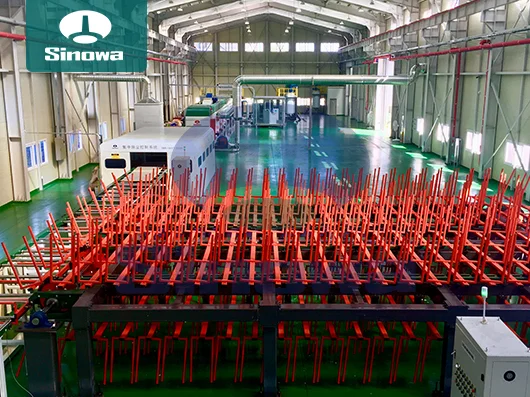
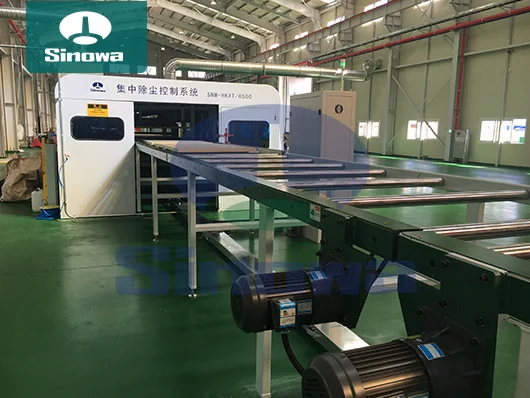
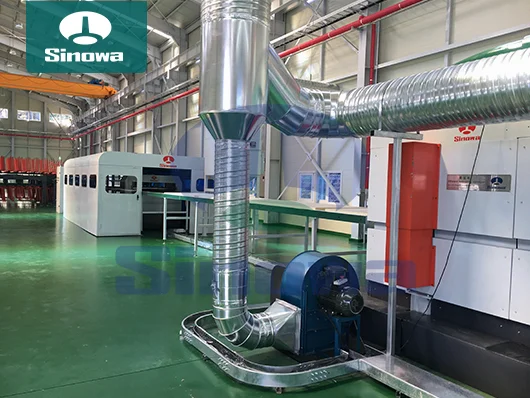
For more than ten years, relying on our innovative manufacturing concept and excellence in quality, reliable and trustworthy service to customers, we cooperate with customers all over the world, exported products to Canada, South Korea, Israel, Australia, the Middle East and other more than 20 countries and regions. contributed to building energy conservation and low-carbon production and have won widespread praise.
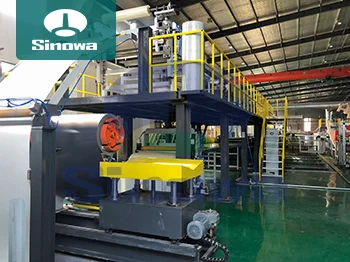
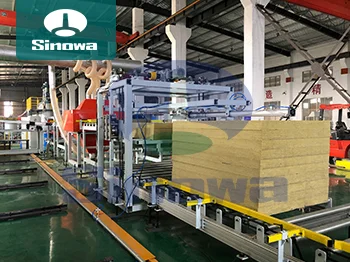
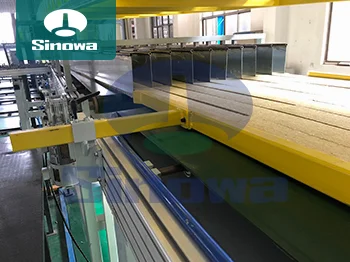
Sinowa has invested outstanding efforts in polyurethane sandwich panel production line, this is why our products are more efficiency, quality, automatic control technology, environmental protection, energy consumption indicators and the appearance and safety protection are comprehensively leading, some subversive design changes in many major technical points, these major innovations make our products excellent in price/performance and user experience.
In the modern construction and industrial manufacturing landscape, the demand for efficient, energy-saving, and versatile building materials has been steadily rising, driving the development of specialized production equipment that can meet high-volume, high-quality manufacturing needs. Among these, the polyurethane sandwich panel production line has emerged as a pivotal asset for manufacturers, enabling the mass production of composite panels that combine exceptional thermal insulation, structural strength, and durability. These production lines are designed to streamline the manufacturing process, reduce labor dependency, and ensure consistent product quality, making them a valuable investment for businesses operating in construction, cold chain, logistics, and other related industries. As the market for polyurethane sandwich panels continues to expand, the availability of advanced production lines on sales has become increasingly important for enterprises looking to enhance their production capacity and competitiveness.
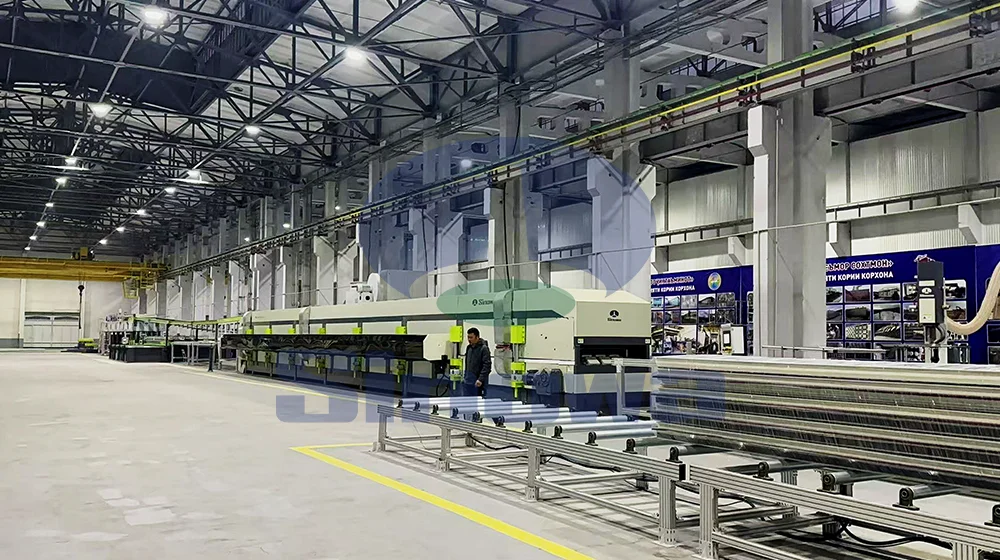
A polyurethane sandwich panel production line is a sophisticated integrated system engineered to manufacture composite panels consisting of a polyurethane foam core sandwiched between two facing materials, which can be metal sheets, non-metal sheets, or a combination of both. The core advantage of these production lines lies in their ability to automate the entire manufacturing process, from raw material feeding to finished product stacking, thereby minimizing human error and maximizing production efficiency. Unlike traditional discontinuous production methods that rely heavily on manual labor and batch processing, modern polyurethane sandwich panel production lines operate continuously, allowing for large-scale production with uniform quality across every unit. This continuous operation not only increases output but also reduces material waste, as precise control over each production stage ensures optimal utilization of raw materials.
The working principle of a polyurethane sandwich panel production line revolves around a series of coordinated steps that transform raw materials into finished composite panels. The process begins with the preparation of facing materials, which are typically uncoiled and leveled to eliminate internal stress and ensure a smooth surface. This step is crucial, as any unevenness in the facing materials can affect the bonding strength between the core and the facings, ultimately compromising the panel’s structural integrity. After leveling, the facing materials undergo surface treatment, which may include cleaning to remove oil stains, oxides, or other contaminants that could hinder adhesion. Some production lines also include an optional film laminating process to enhance the weather resistance and aesthetic appeal of the finished panels.
Next, the polyurethane core material is prepared through a precise mixing process. Polyurethane foam is formed by combining two-component raw materials—typically isocyanates and polyols—along with additives such as catalysts, blowing agents, and flame retardants. These raw materials are pumped into a high-pressure mixing head at a controlled ratio, ensuring thorough homogenization. The mixing accuracy is critical here, as even minor deviations in the ratio can affect the foam’s density, thermal conductivity, and mechanical properties. Modern production lines are equipped with advanced metering systems that maintain mixing accuracy within a narrow range, ensuring consistent foam quality batch after batch.
Once the polyurethane foam is mixed, it is evenly poured onto the bottom facing material, which is then conveyed along a production line. The top facing material is simultaneously fed into the system, and both layers—along with the sandwiched foam—are passed through a double-track laminating machine. This machine applies controlled heat and pressure to the composite structure, facilitating the foaming and curing of the polyurethane core. The laminating machine is equipped with heating plates and circulating steel strips that maintain a stable temperature throughout the curing process, ensuring that the foam expands uniformly and bonds tightly to the facing materials. The curing zone is typically 30 to 50 meters in length, providing sufficient time for the foam to solidify and form a strong, rigid core.
After curing, the composite panel moves to the trimming and cutting section, where excess material is removed from the edges to ensure uniform dimensions. An automatic tracking cutting machine, controlled by servo systems, cuts the panel into the desired length with high precision—often within a margin of error of just ±1 millimeter. This precision is essential for meeting the diverse size requirements of different applications, from small wall panels for residential buildings to large roof panels for industrial warehouses. Some production lines also include additional post-processing steps, such as cooling systems to accelerate the curing process and automatic stacking machines that arrange finished panels neatly for packaging and transportation.
The composition of a polyurethane sandwich panel production line varies depending on the specific needs of the manufacturer, but most systems include several core components that work together to ensure seamless operation. The unwinding and feeding system is responsible for handling the facing material coils, unwinding them smoothly, and feeding them into the production line at a consistent speed. This system may include hydraulic or mechanical unwinders, leveling rollers, and tension control devices to prevent material damage or misalignment. The surface treatment system, as mentioned earlier, ensures that the facing materials are clean and prepared for bonding, with options for chemical cleaning or high-pressure ion air cleaning to remove contaminants.
The foaming system is the heart of the production line, consisting of metering pumps, mixing heads, and raw material storage tanks. The metering pumps accurately control the flow of each raw material, while the mixing head ensures thorough blending. The storage tanks are designed to maintain the raw materials at the optimal temperature, preventing degradation and ensuring consistent performance. The laminating and curing system includes the double-track laminating machine, heating elements, and temperature control systems that regulate the curing environment. This system is critical for achieving strong adhesion between the core and facings, as well as ensuring the foam’s structural stability.
The cutting and trimming system includes edge trimmers and automatic cutting machines, which are designed to handle different panel thicknesses and lengths. These machines are equipped with sharp blades and precise control systems to ensure clean, accurate cuts without damaging the panel’s surface or core. Additionally, many production lines are equipped with auxiliary components such as automatic palletizers, packaging systems, and dust removal equipment to enhance efficiency and reduce environmental impact. Palletizers use robotic arms or vacuum suction cups to stack finished panels automatically, reducing labor costs and minimizing the risk of damage during handling. Dust removal equipment helps maintain a clean production environment, protecting both the equipment and the workers.
One of the key advantages of modern polyurethane sandwich panel production lines is their high level of automation, which significantly reduces labor requirements and improves production efficiency. Many systems are equipped with a centralized control system that integrates all production processes, allowing operators to monitor and adjust parameters such as temperature, pressure, and speed from a single control panel. This automation not only reduces the risk of human error but also enables 24-hour continuous operation, maximizing production output. Some advanced production lines even incorporate AI-assisted quality control systems that detect minor defects, such as layer deviations or foam irregularities, ensuring that only high-quality panels reach the market.
Versatility is another important feature of polyurethane sandwich panel production lines. These systems can be customized to produce a wide range of panel types, including wall panels, roof panels, cold storage panels, and soft-faced coil composite panels. They can also accommodate different facing materials, such as color steel plates, aluminum plates, stainless steel plates, or non-metal materials, depending on the application requirements. Additionally, the thickness of the panels and the density of the polyurethane core can be adjusted to meet specific thermal insulation, structural, and fire resistance needs. This versatility makes the production lines suitable for a variety of industries, from construction and cold chain to logistics and industrial manufacturing.
The application of polyurethane sandwich panels produced by these lines is extensive, driven by their exceptional performance characteristics. In the construction industry, they are widely used for wall and roof enclosure systems in industrial plants, commercial buildings, and modular houses. Their lightweight nature reduces the overall weight of the structure, while their excellent thermal insulation properties help reduce energy consumption for heating and cooling. In the cold chain industry, polyurethane sandwich panels are ideal for cold storage facilities, refrigerated warehouses, and transport vehicles, as they provide superior thermal insulation to maintain low temperatures efficiently. They are also used in clean rooms, laboratories, and food processing facilities, where their smooth, easy-to-clean surfaces and excellent sealing properties help maintain a sterile environment.
When considering a polyurethane sandwich panel production line for sale, it is important to evaluate several key factors to ensure that the system meets the specific needs of the business. The production capacity of the line is a critical consideration, as it should align with the manufacturer’s output requirements. Higher capacity lines are suitable for large-scale production, while smaller lines may be more appropriate for small to medium-sized enterprises. The level of automation is another important factor, as more automated systems can reduce labor costs and improve efficiency, but may require a higher initial investment.
The flexibility of the production line is also essential, as it should be able to adapt to different panel specifications and material types. Modular design is a valuable feature in this regard, as it allows for easy upgrades and modifications to meet changing market demands. Additionally, the reliability and durability of the equipment should be considered, as a robust production line will require less maintenance and have a longer service life, reducing long-term operational costs. The ease of operation and maintenance is another important factor, as complex systems may require specialized training for operators, increasing operational costs.
Proper maintenance of a polyurethane sandwich panel production line is crucial to ensure its long-term performance and reliability. Regular maintenance includes cleaning the mixing heads and metering pumps to prevent material buildup, inspecting the laminating machine for wear and tear, and checking the control systems for accuracy. Operators should be thoroughly trained in basic maintenance procedures and safety protocols to identify potential issues early and minimize downtime. Regular maintenance not only extends the service life of the equipment but also ensures consistent product quality and reduces the risk of costly breakdowns.
The global market for polyurethane sandwich panel production lines is expected to continue growing in the coming years, driven by the increasing demand for energy-efficient building materials and the expansion of industries such as construction, cold chain, and logistics. As environmental regulations become more stringent, there is also a growing focus on developing production lines that are more energy-efficient and environmentally friendly. Many modern production lines are designed to reduce energy consumption, with features such as energy-saving heating systems and efficient material utilization, helping manufacturers reduce their carbon footprint and meet sustainability goals.
In conclusion, a polyurethane sandwich panel production line is a valuable investment for manufacturers looking to meet the growing demand for high-quality composite panels. These production lines offer numerous advantages, including high automation, consistent quality, versatility, and efficiency, making them suitable for a wide range of industries. When selecting a production line for sale, it is important to consider factors such as production capacity, automation level, flexibility, reliability, and maintenance requirements to ensure that the system aligns with the business’s needs and goals. With the right production line, manufacturers can enhance their competitiveness, increase production output, and deliver high-quality polyurethane sandwich panels that meet the diverse needs of the global market. As technology continues to advance, these production lines will become even more efficient and versatile, further driving the growth of the polyurethane sandwich panel industry.
« Polyurethane Sandwich Panel Production Line On Sales » Update Date: 2026/4/17
- Sandwich Panel Production Machinery Price
- High Efficiency PU Panel Machine
- Highly Intelligent Continuous PU Sandwich Panel Line
- Custom PU Isolation Panel Production Line
- High Efficiency Sandwich Panel Production Line
- PU Insulated Panel Production Line Factory
- High-quality Sandwich Panel Making Machine
- Polyurethane Sandwich Panel Production Line For Cold Room
- PU Insulation Panel Production Line On Sales
- Glass Wool Sandwich Panel Machine Manufacturer
- Sandwich Wall Panel Production Line Factory
- PUF Panel Making Machine Price
- Sandwich Panel Manufacturing Line Supplier
- Cheap PUR Sandwich Panel Line
- Glass Wool Production Line Design
- Foam Sandwich Panel Machine On Sales
- Custom PUR Sandwich Panel Production Line
- High-tech Sandwich Wall Panel Production Line
- PU Sandwich Panel Line For Building
- Low Price PIR Sandwich Panel Machine