
Cheap Rock Wool Sandwich Panel Production Line
Sinowa is a well-known manufacturer and technical service provider of high-end rock wool sandwich panel production line, learn more about cheap rock wool sandwich panel production line, please contact Sinowa's technical engineer, tell us what you need, we will contact you as soon as possible!
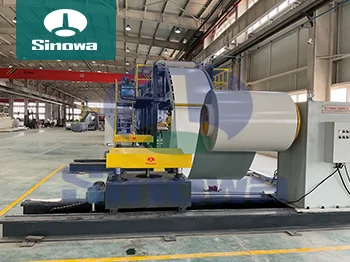
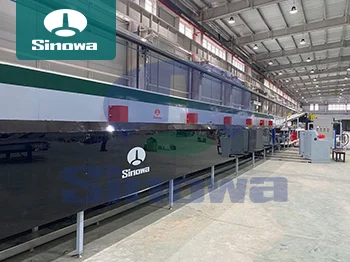
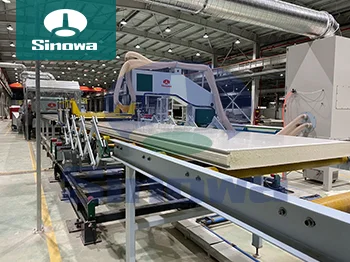
Sinowa is committed to the development and manufacturing of high-end and high-efficiency rock wool sandwich panel production line. Our rock wool sandwich panel production line are leading the way in efficiency, automatic control, human-computer interaction, environmental protection and energy consumption. Using system integration and bus control technology, it realizes the automatic integrated linkage control of the entire rock wool sandwich panel production line, and can achieve remote interactive communication, which has the world-class level and a comprehensive leading high-performance rock wool sandwich panel production line in the market.
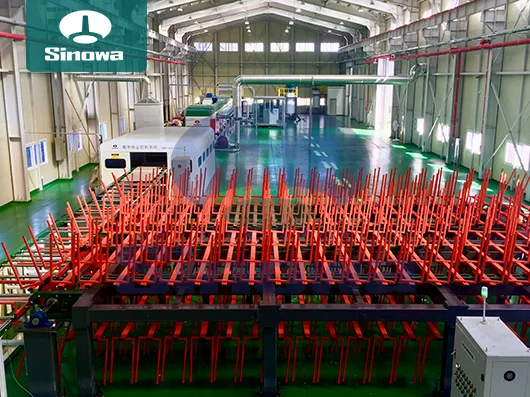
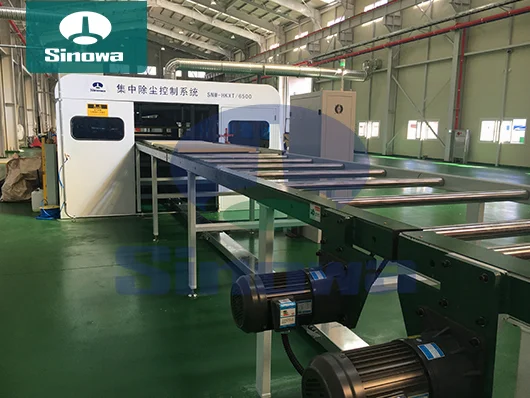
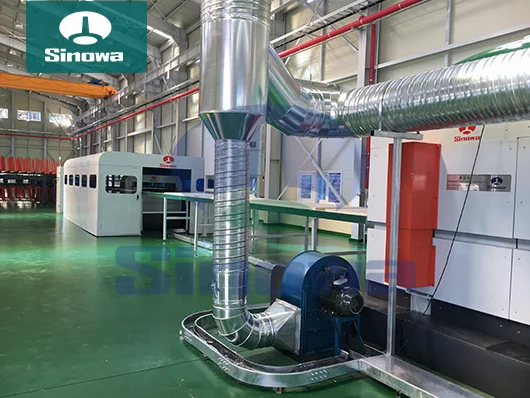
For more than ten years, relying on our innovative manufacturing concept and excellence in quality, reliable and trustworthy service to customers, we cooperate with customers all over the world, exported products to Canada, South Korea, Israel, Australia, the Middle East and other more than 20 countries and regions. contributed to building energy conservation and low-carbon production and have won widespread praise.
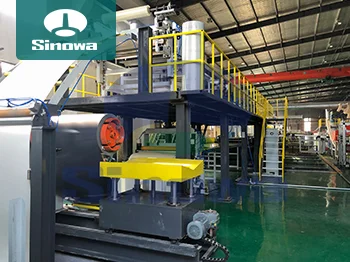
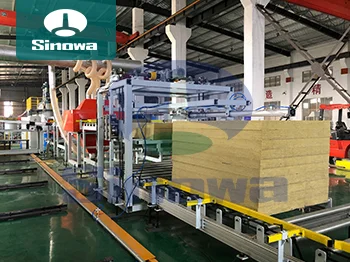
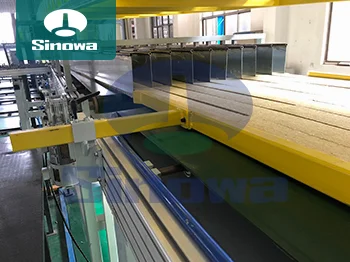
Sinowa has invested outstanding efforts in rock wool sandwich panel production line, this is why our products are more efficiency, quality, automatic control technology, environmental protection, energy consumption indicators and the appearance and safety protection are comprehensively leading, some subversive design changes in many major technical points, these major innovations make our products excellent in price/performance and user experience.
The cheap rock wool sandwich panel production line serves as a practical manufacturing solution for businesses aiming to produce insulated building panels without excessive upfront investment. This type of production equipment is engineered to streamline the whole forming process, combining rock wool core materials with metal surface sheets into finished panels in a continuous workflow. Every functional unit on the line is designed for stable operation and moderate output, matching the production needs of small and mid-sized fabrication workshops that focus on general construction insulation products. Operators can feed raw rock wool strips and coated metal coils into the starting section, where materials go through alignment, preheating and surface cleaning before bonding procedures begin. Unlike high-end customized production systems with many extra auxiliary modules, this simplified line removes non-essential structures while keeping core forming and curing functions intact. The layout takes up limited factory floor space, which makes it easier to arrange inside ordinary workshops that do not have large-scale industrial plant conditions. Daily maintenance work also stays relatively straightforward, and spare parts for replacement can be sourced through common supply channels. Even for teams with limited experience in running panel manufacturing machinery, basic operational training allows workers to master routine control and simple troubleshooting within a short period. It focuses on steady mass output of standard sandwich panels, prioritizing usability and cost control over ultra-high speed or complex multi-function switching.
Material matching and feeding control form a vital part of running an affordable rock wool sandwich panel production line efficiently. Rock wool raw materials delivered to the line need consistent fiber structure and uniform thickness to avoid gaps or uneven bonding on finished panels. The feeding mechanism holds rock wool mats steadily and adjusts conveying speed to coordinate with the movement of upper and lower metal face sheets. Synchronization between different feeding stations is carefully calibrated, because mismatched transport speed will lead to offset cores, wrinkled metal surfaces and rejected semi-finished products. The metal coil unwinding devices on both sides release sheet material smoothly, with tension adjustment to prevent stretching or deformation during continuous running. Before lamination, surface treatment steps remove dust and minor impurities, helping adhesive substances create reliable connection between rock wool and metal layers. Workers regularly check raw material batches and adjust feeding parameters according to the texture and density of incoming rock wool. Small fluctuations in raw material quality can be offset by flexible parameter tuning on this line, reducing the rate of waste without raising operational difficulty. Stable feeding coordination directly lifts the overall yield, and it also extends the service life of rollers and transmission parts by avoiding forced dragging of misaligned materials.
The continuous lamination and pressing section determines the bonding quality of rock wool sandwich panels produced by this economical production line. After rock wool cores and metal sheets enter the pressing area, adjustable pressure rollers apply even compression across the full width of the composite board. Pressure settings can be modified to suit different panel thickness specifications, ensuring the core layer stays tightly clamped between two metal surfaces without crushing the rock wool fiber structure. Adhesive distribution systems spread bonding agent evenly across contact surfaces, avoiding excessive glue overflow or dry spots that weaken structural connection. Inside the pressing channel, mild heating assists glue curing and shortens the waiting time before panels can be cut and stacked. The whole pressing process runs continuously instead of batch processing, so raw materials keep moving forward without frequent start-stop cycles that hurt production efficiency. Operators watch panel surfaces through observation windows to spot bubbles, separation marks or uneven pressure traces in time. Minor pressure and temperature tweaks can fix most common bonding defects immediately. This section balances bonding reliability and running speed, and it avoids overcomplicated heating systems that would push up the total equipment cost for the production line.
Cutting, trimming and edge finishing operations follow the pressing stage on the low-cost rock wool sandwich panel production line. Once composite panels pass through the curing zone, they reach the cutting unit which separates long continuous boards into preset lengths. The cutting tool moves synchronously with the running panel to keep cut edges neat and prevent length errors caused by material movement. Side trimming devices remove irregular edge sections from both sides, making the final panel width consistent for later installation on building sites. Waste scraps generated during trimming are collected through simple guiding chutes for centralized recycling or disposal, which keeps the working area tidy and reduces manual cleanup burden. Edge sealing structures can be activated as an optional process, adding protective treatment along cut edges to slow moisture contact with exposed rock wool fibers. All cutting parameters are set through the main control interface, and operators can switch between different panel size requirements without replacing major components. The cutting assembly uses durable common cutting blades that are cheap to replace, aligning with the overall cost-focused design idea of the whole production line. Careful edge finishing lowers customer complaints about flawed panel edges and improves the market acceptance of finished rock wool sandwich panels.
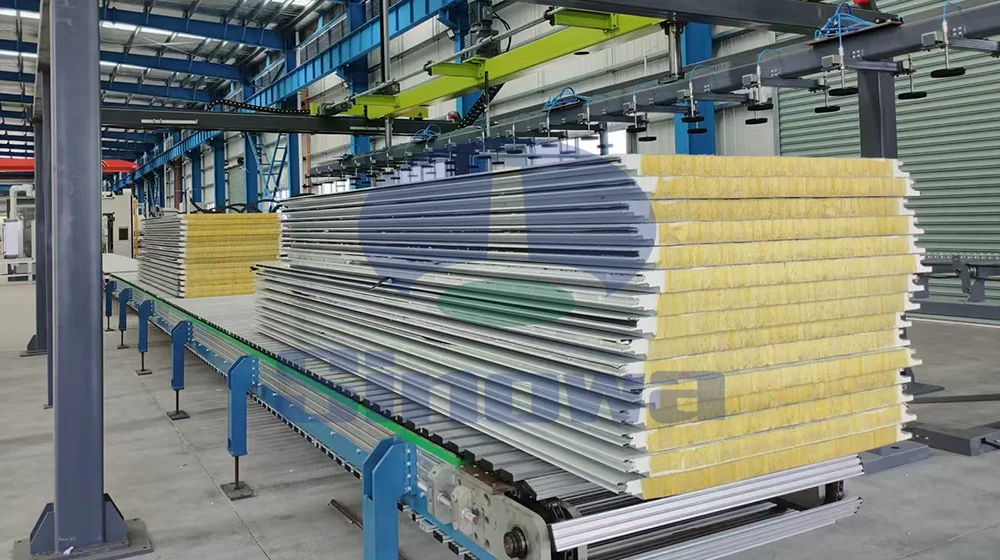
Automatic conveying, cooling and stacking systems help complete the later-stage workflow of the affordable rock wool sandwich panel production line. Newly cut panels retain residual heat from pressing and curing, so they travel along extended conveyor sections to gradually cool down before stacking. Rapid stacking while panels remain warm may cause surface indentation or layer separation, so the cooling path length is planned to match normal production rhythm. Conveyor rollers carry finished panels steadily toward the stacking station, with limit sensors to count each panel and control stacking height automatically. When one stack reaches the set quantity, the system sends a reminder signal so workers can use forklifts or simple transfer carts to move finished products away. The stacking frame keeps panels flat and separated properly, avoiding scratches on coated metal surfaces during storage. This set of back-end equipment reduces heavy manual carrying work, cuts labor demand and lowers the chance of panel damage caused by rough handling. Although it does not include fully automated warehouse connection modules, it satisfies the basic packaging and temporary storage needs of small-scale panel manufacturers. Smooth coordination from cooling to stacking ensures continuous production flow and prevents finished goods from piling up and blocking the production line.
Operation control and safety configuration of the cheap rock wool sandwich panel production line focus on practicality and easy learning for ordinary factory staff. A central control panel gathers key running parameters including conveying speed, pressing pressure, heating temperature and cutting length, and all readouts are displayed clearly for real-time monitoring. If abnormal conditions such as material jamming, motor overload or uneven feeding occur, the control system triggers alarm prompts and can pause local sections to avoid further equipment damage. Emergency stop buttons are distributed at multiple positions along the whole line so workers nearby can respond quickly in risky situations. Protective guards cover rotating rollers, cutting blades and transmission chains to prevent accidental contact with moving parts. The control logic avoids overly intelligent and complicated programming, so adjustments mostly rely on simple knob and touchscreen operations rather than advanced programming skills. Regular safety inspections cover electrical circuits, heating pipelines and drive motors, and inspection checklists are easy for on-site management teams to follow. This design meets the daily safety needs of panel workshops without adding expensive intelligent monitoring modules that bring extra purchase and maintenance costs. Reasonable safety arrangements protect operators while keeping the overall equipment cost at an accessible level.
Daily maintenance and long-term management are essential to sustain stable output from an economical rock wool sandwich panel production line. Scheduled maintenance tasks include lubricating transmission chains and bearings, cleaning glue residue off pressing rollers, checking the tightness of belt drives and replacing worn cutting parts. Glue buildup is one of the most common issues, and regular cleaning prevents surface scratches on metal panels and maintains consistent pressing quality. Electrical cabinets are kept dry and dust-free to reduce circuit faults, and wiring connections are inspected periodically to prevent loose contacts. Operators record running hours, fault types and replacement parts in simple logbooks, helping managers spot recurring problems ahead of serious breakdowns. Most worn components can be replaced independently by in-house workers after basic guidance, without waiting for professional technicians from far away. Shutting down the line for routine checks takes only a short time, and planned maintenance greatly reduces unexpected sudden stops that interrupt production schedules. When the line is not in use, workers cover exposed rollers and working surfaces to block dust and moisture. Good maintenance habits extend the usable life of the production line and protect the user’s investment in manufacturing equipment.
Market positioning and application potential make the low-cost rock wool sandwich panel production line a valuable choice for many regional manufacturing ventures. Panels made on this line are widely used for temporary building enclosures, warehouse partition walls, simple workshop roofing and exterior insulation layers of low-rise structures. Buyers of finished panels prioritize balanced insulation performance and stable appearance, and products from this line fit such market demands well. Manufacturers using this equipment can start panel production with limited capital, test local market response and expand production capacity gradually if sales grow. The production line supports flexible switching among common panel sizes, letting factories adapt to different order requirements from construction clients. Compared with high-capacity production lines built for large industrial groups, this solution targets users who need moderate daily output and tight budget control. As demand for insulated lightweight building panels keeps rising in many regional construction markets, this affordable production setup offers a low-risk entry point into sandwich panel manufacturing. It proves that reliable panel production does not always depend on the most advanced and expensive machinery, and thoughtful simplified design can deliver usable, market-competitive finished rock wool sandwich panels for long-term business operation.
« Cheap Rock Wool Sandwich Panel Production Line » Update Date: 2026/10/27
Tags: Fully Automatic Rock Wool Sandwich Panel Production Line , Rock Wool Sandwich Panel Production Line , rock wool sandwich panel production line, rock wool sandwich panel production line manufacturer, rock wool sandwich panel production line supplier, rock wool sandwich panel production line for sale, customized rock wool sandwich panel production line, china rock wool sandwich panel production line
- High-end Automatic Rock Wool Production Line
- High-quality Sandwich Panel Rock Wool Production Line
- Rock Wool Sandwich Panel Machine For Clean Room
- Mineral Wool Sandwich Panel Production Line For Cold Storage
- High-tech Mineral Wool Board Production Line
- Rockwool Insulated Panel Manufacturing Line
- Sandwich Panel Rock Wool Production Line On Sales
- Cheap Rock Wool Line
- Rock Wool Sandwich Panel Production Line For Wall
- Mineral Wool Sandwich Panel Line Manufacturer
- Low Price Rockwool Machine
- Mineral Wool Sandwich Panel Machine Design
- Customized Mineral Wool Production Line
- High-end Rockwool Sandwich Panel Machine
- Rock Wool Sandwich Panel Machine Factory
- Rock Wool Board Production Line For Wall
- High-quality Rock Wool Line
- Rockwool Machine Factory
- Mineral Wool Sandwich Panel Production Line For Sale
- Rockwool Sandwich Panel Machine Supplier
- Links:
- Sandwich Panel Continuous Production Line
- Automatic and Continuous Sandwich Panel Production Line
- Cheap and Low Price Sandwich Panel Production Line
- China Sandwich Panel Production Line Factory
- Color Steel Sandwich Panel Production Line For Cold Storage
- Continuous Composite Foam Sandwich Panel Production Line
- Continuous Production Line For Rockwool and Mineral Wool Sandwich Panels
- Continuous PU Phenolic Insulation Panel Production Line
- Continuous PU PIR Sandwich Panel Production Line
- Continuous PUF PUR Sandwich Panel Production Line
- Continuous Sandwich Panel Production Line For Roof and Wall
- Customized and Design Sandwich Panel Production Line
- Decorative Sandwich Panel Production Line For Glass Wool Boards
- High Quality Sandwich Panel Production Line For Sale
- Polyurethane(PU) Sandwich Panel Production Line
- Sandwich Panel Production Line Manufacturer and Supplier
- Sandwich Panel Production Machinery and Equipment